
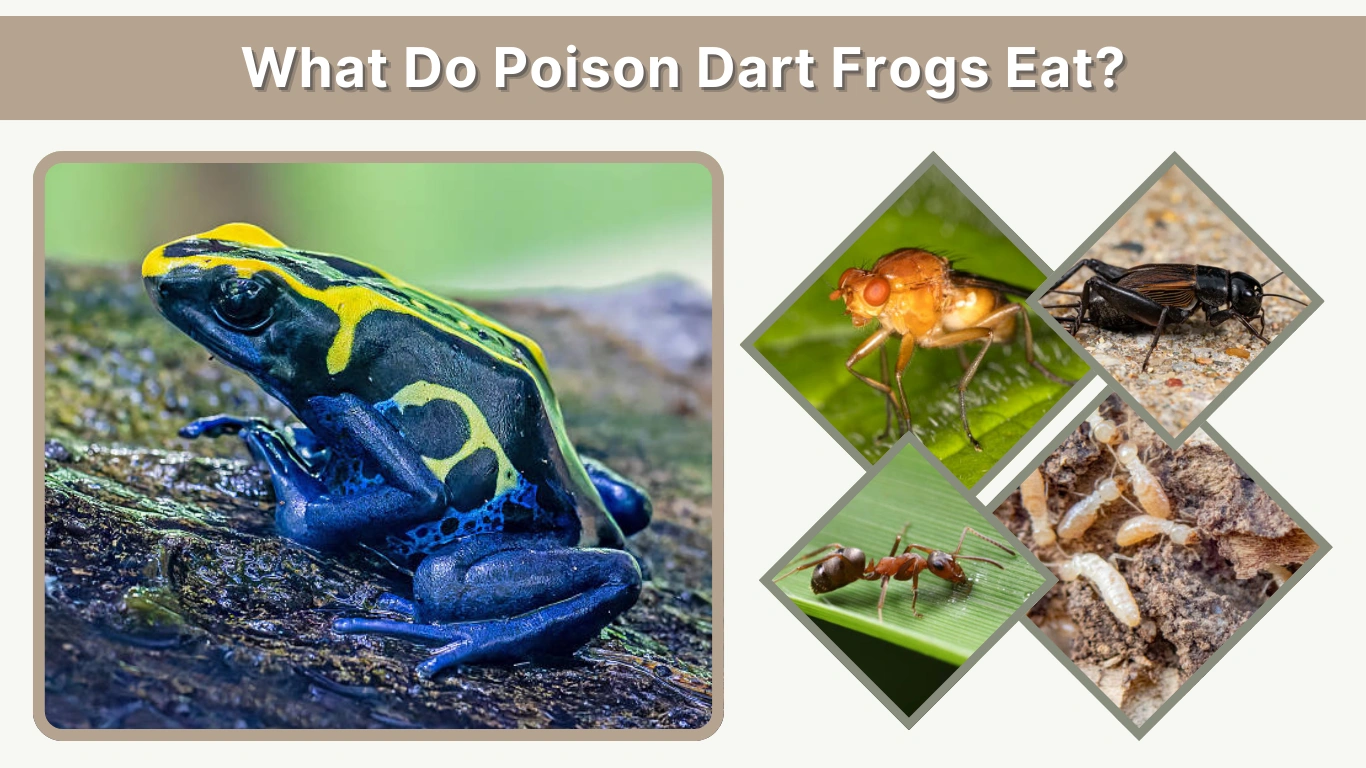
Poison dart frogs are among the most colorful and fascinating amphibians in the world. Found mainly in the tropical rainforests of Central and South America, these tiny frogs are known not only for their bright warning colors but also for their powerful toxins. What many people don’t realize is that the poison dart frog’s diet plays a crucial role in its survival, health, and even its toxicity. Understanding what poison dart frogs eat helps explain how they live in the wild and how they should be cared for in captivity. In this article, we’ll explore their natural diet, feeding habits, and the surprising connection between food and poison.
Overview of the Poison Dart Frog Diet
Poison dart frogs have a highly specialized diet that consists almost entirely of small insects. Unlike larger frogs that may eat worms, small fish, or even other frogs, poison dart frogs rely on tiny prey they can easily catch and swallow. Their small size and active lifestyle make frequent feeding essential.
These frogs spend much of their day foraging along the forest floor, especially among leaf litter where insects are abundant. They are visual hunters, meaning they rely on movement to detect prey. Because of this, live food is essential for their survival. Their diet not only provides energy but also supplies important chemical compounds that affect their toxicity.
Are Poison Dart Frogs Carnivores or Omnivores?
Poison dart frogs are strictly carnivorous, more specifically insectivores. They do not eat fruits, plants, or vegetation of any kind. Their digestive systems are adapted solely for processing animal matter, particularly insects and other small invertebrates. Feeding them plant-based foods would provide no nutritional benefit and could even be harmful.
What Do Poison Dart Frogs Eat in the Wild?

In the wild, poison dart frogs live in warm, humid rainforests where insects are plentiful year-round. Their diet depends heavily on what is available in their environment, which can vary slightly by region and season. However, they consistently target small, soft-bodied insects that are easy to capture.
Wild poison dart frogs are active foragers. Instead of waiting for food to come to them, they move continuously through their habitat, scanning for prey among leaves, moss, and soil. This constant activity helps them consume enough food to meet their high energy needs.
Common Insects in Their Natural Diet
Some of the most common foods eaten by poison dart frogs in the wild include:
- Ants – One of the most important food sources
- Termites – Easily found in rainforest environments
- Mites – Tiny but nutritionally significant
- Small beetles – Often consumed when available
Among these, ants are particularly important, not just as a food source but also because of their chemical content, which contributes to the frog’s toxicity.
How They Hunt Their Prey
Poison dart frogs hunt using sight rather than smell. They are attracted to movement, quickly snapping up insects with their sticky tongues. Because they hunt during the day, their excellent vision plays a key role in successful feeding. Their bright coloration doesn’t help them hunt but instead warns predators to stay away while they forage openly.
How Diet Makes Poison Dart Frogs Poisonous

One of the most fascinating aspects of poison dart frogs is that they do not naturally produce poison on their own. Instead, their toxicity comes directly from the insects they eat in the wild. Certain ants and mites contain chemical compounds called alkaloids, which the frogs absorb and store in their skin.
Over time, these alkaloids build up, making the frogs highly toxic to predators. This is why wild poison dart frogs can be deadly, while captive frogs are usually harmless. Without access to their natural insect diet, captive frogs do not develop these toxins.
Do All Poison Dart Frogs Have the Same Level of Toxicity?
No, toxicity levels vary widely among species. Some poison dart frogs are extremely toxic, while others have only mild toxins. The level of toxicity depends on both the species and the specific insects available in their environment. Changes in habitat can directly affect how poisonous a frog becomes.
What Do Poison Dart Frogs Eat in Captivity?

When kept in captivity, poison dart frogs must be fed a carefully controlled diet that mimics their natural feeding habits as closely as possible. However, because the insects available in captivity lack toxic alkaloids, captive frogs are non-poisonous.
Pet poison dart frogs are usually fed small, live insects that are easy to manage and nutritionally appropriate. These foods are bred specifically for reptile and amphibian care.
Common Foods for Pet Poison Dart Frogs
Some of the most common foods offered to captive poison dart frogs include:
- Fruit flies (Drosophila) – The primary staple food
- Pinhead crickets – Fed occasionally for variety
- Springtails – Especially useful for young frogs
These insects provide essential protein and keep the frogs active and healthy.
Foods Poison Dart Frogs Should Not Eat
Not all insects are safe or appropriate for poison dart frogs. Because of their small size and delicate digestive systems, feeding the wrong food can lead to serious health problems. Large insects such as adult crickets, mealworms, or roaches are difficult for them to swallow and digest. These foods can cause choking or intestinal blockages.
Poison dart frogs should also never be fed wild-caught insects from gardens or outdoor areas, as these may carry pesticides or parasites. Human food, processed items, or plant-based foods should be completely avoided. A simple rule to follow is that any food offered should be smaller than the width of the frog’s head and specifically bred for amphibian feeding.
How Often Do Poison Dart Frogs Eat?
Poison dart frogs have fast metabolisms and need to eat frequently. In both the wild and captivity, they consume small meals on a regular basis rather than large amounts at once. Daily feeding is ideal for most healthy adult frogs, while young frogs may require even more frequent meals.
Overfeeding can be just as harmful as underfeeding. Providing too much food at one time can lead to obesity, stress, and poor water quality in captive enclosures. Careful observation helps ensure each frog is eating properly.
Feeding Schedule for Juveniles vs Adults
Juvenile poison dart frogs are still growing and need more energy. They are typically fed small portions once or even twice per day. Adults, on the other hand, usually do well with one feeding per day or every other day, depending on their activity level and overall health.
Nutritional Needs and Supplements

While live insects provide protein, they do not always supply all the nutrients poison dart frogs need in captivity. In the wild, frogs consume a wide variety of insects, which naturally balances their diet. Captive diets are more limited, making supplementation essential.
Without proper nutrition, poison dart frogs may develop weak bones, poor growth, or reduced immunity. A balanced feeding routine helps prevent these issues and supports long-term health.
Calcium and Vitamin Supplementation
Calcium is one of the most important supplements for poison dart frogs. Feeder insects are often dusted with calcium powder before feeding. Vitamin supplements, including vitamin D3, are also used occasionally to support bone health and metabolism. Most keepers alternate between calcium and multivitamin supplements several times per week.
Do Poison Dart Frogs Drink Water or Get Moisture From Food?
Poison dart frogs do not drink water in the traditional sense. Instead, they absorb moisture directly through their skin. High humidity levels are essential for proper hydration. While their food may provide some moisture, it is not enough on its own.
In captivity, enclosures must be misted regularly to maintain humidity. Clean, shallow water sources and moist environments help prevent dehydration and skin problems.
Why Proper Diet Is Important for Poison Dart Frogs
A proper diet directly affects a poison dart frog’s lifespan, activity level, and resistance to disease. Frogs that receive balanced nutrition are more vibrant, active, and likely to reproduce successfully. Poor feeding practices can lead to malnutrition, stress, and shortened lifespans.
In the wild, the loss of insect populations due to deforestation or pesticide use can also threaten poison dart frog survival. Understanding their dietary needs highlights the importance of protecting their natural habitats.
FAQs
Do poison dart frogs eat ants every day?
In the wild, ants make up a large portion of their diet and may be eaten daily. In captivity, ants are less commonly used, with fruit flies serving as the main substitute.
Can poison dart frogs survive without toxic insects?
Yes. Captive poison dart frogs live healthy lives without toxic insects. However, they lose their poisonous traits because the necessary alkaloids are missing from their diet.
Do poison dart frogs eat mosquitoes?
They may eat mosquitoes if they are small enough, but mosquitoes are not a reliable or nutritious food source and are not recommended for captive feeding.
What is the best food for beginner frog keepers?
Flightless fruit flies are the best option for beginners. They are easy to manage, nutritious, and readily accepted by poison dart frogs.
Conclusion
Poison dart frogs have a specialized diet that plays a key role in their health and, in the wild, their toxicity. They rely on small insects such as ants, mites, and beetles to survive, and in captivity, foods like fruit flies and springtails provide safe alternatives. Understanding what poison dart frogs eat helps ensure proper care, supports conservation efforts, and deepens appreciation for these remarkable amphibians.
