
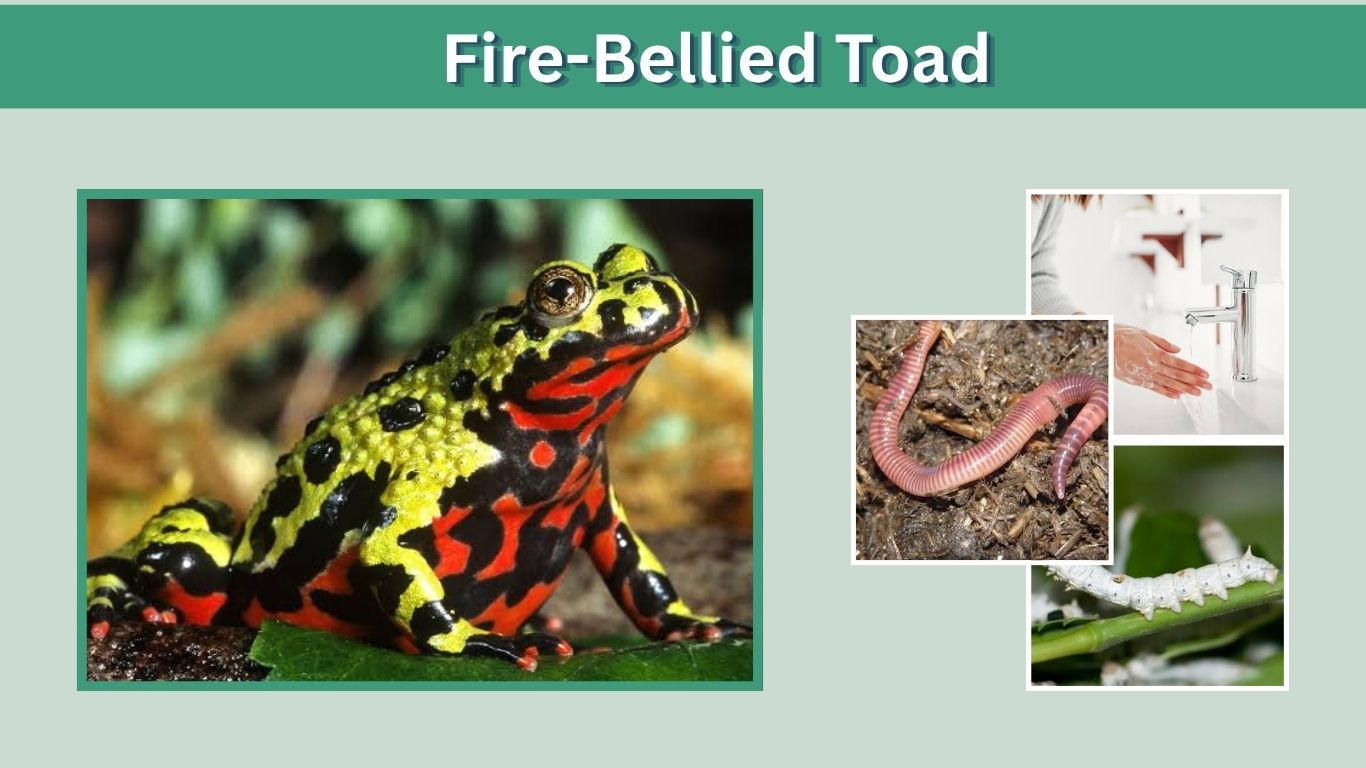
Fire-Bellied Toad: Care, Tank Setup, Diet, and Facts
The fire-bellied toad is a small, semiaquatic amphibian recognized by its green or brown back and brilliantly colored underside. When threatened, it displays its red, … Read More
The fire-bellied toad is a small, semiaquatic amphibian recognized by its green or brown back and brilliantly colored underside. When threatened, it displays its red, … Read More
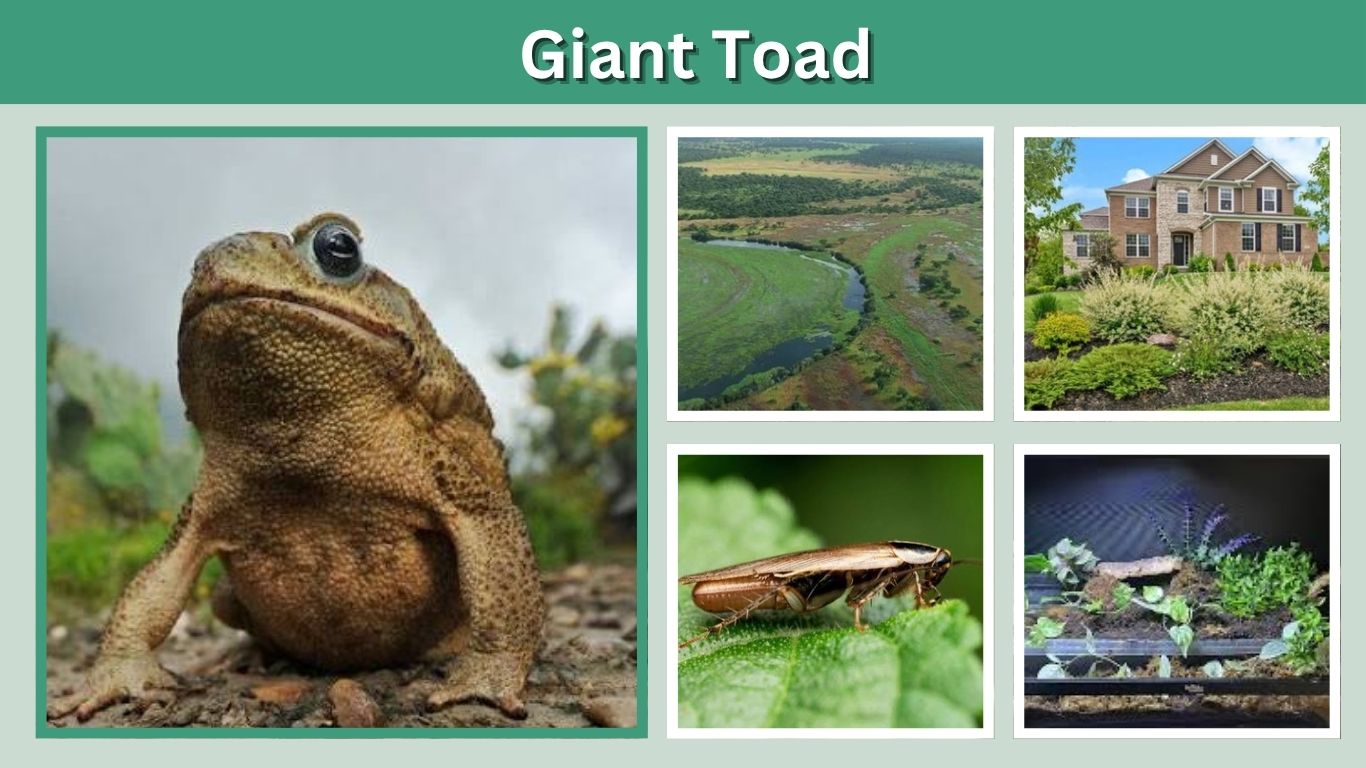
The name “giant toad” commonly refers to the cane toad, one of the world’s largest true toads. Known scientifically as Rhinella marina and formerly as … Read More
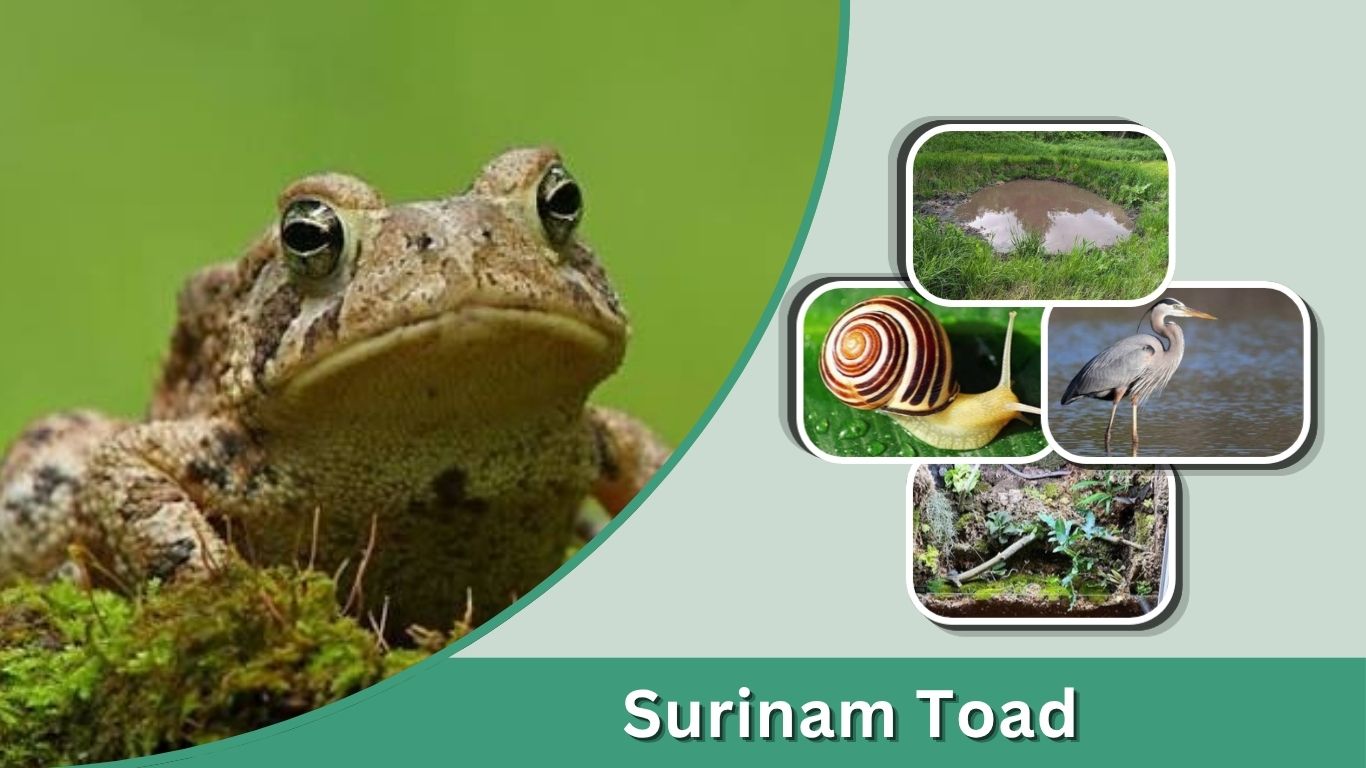
The Surinam toad is a fully aquatic South American frog famous for carrying developing young inside pockets on its back. Scientifically known as Pipa pipa, … Read More
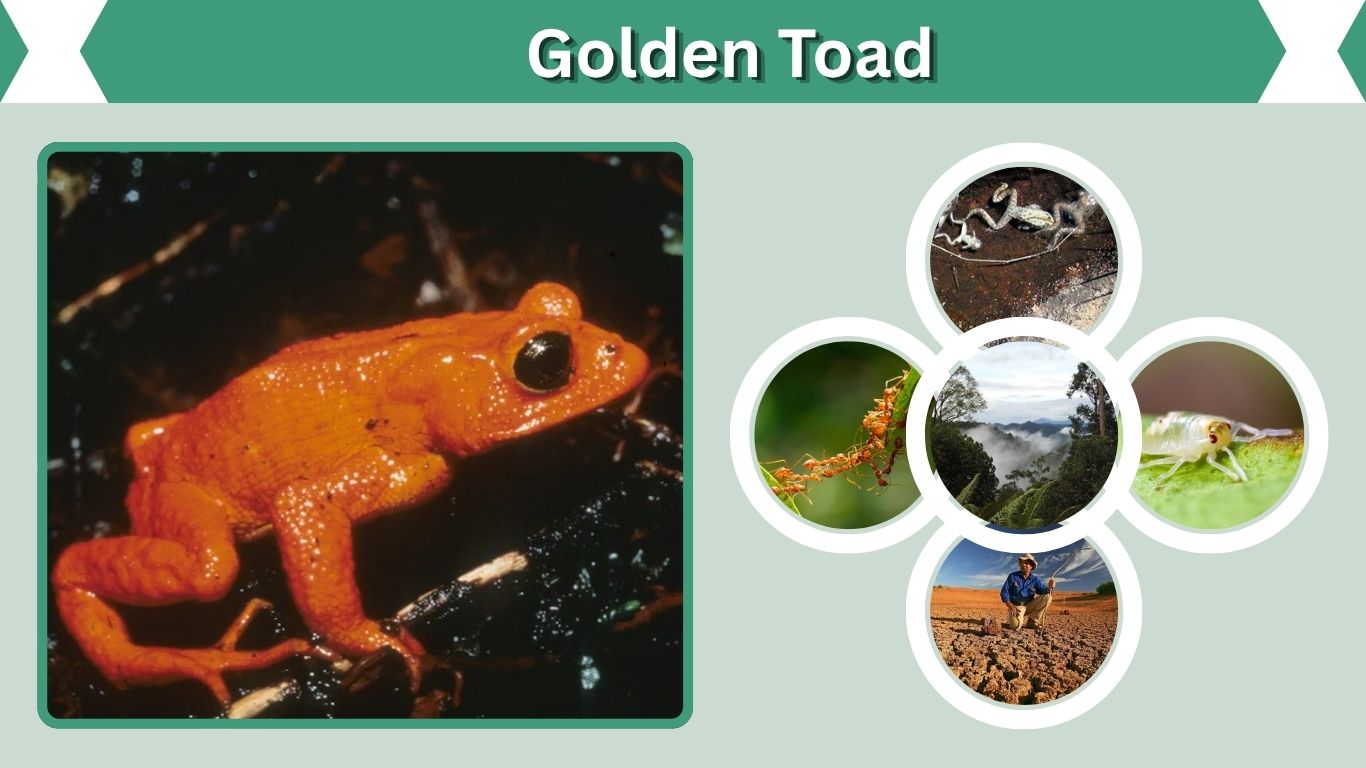
The golden toad (Incilius periglenes) was a brilliantly colored amphibian once found only in a tiny area of Costa Rica’s Monteverde cloud forest. Adult males … Read More
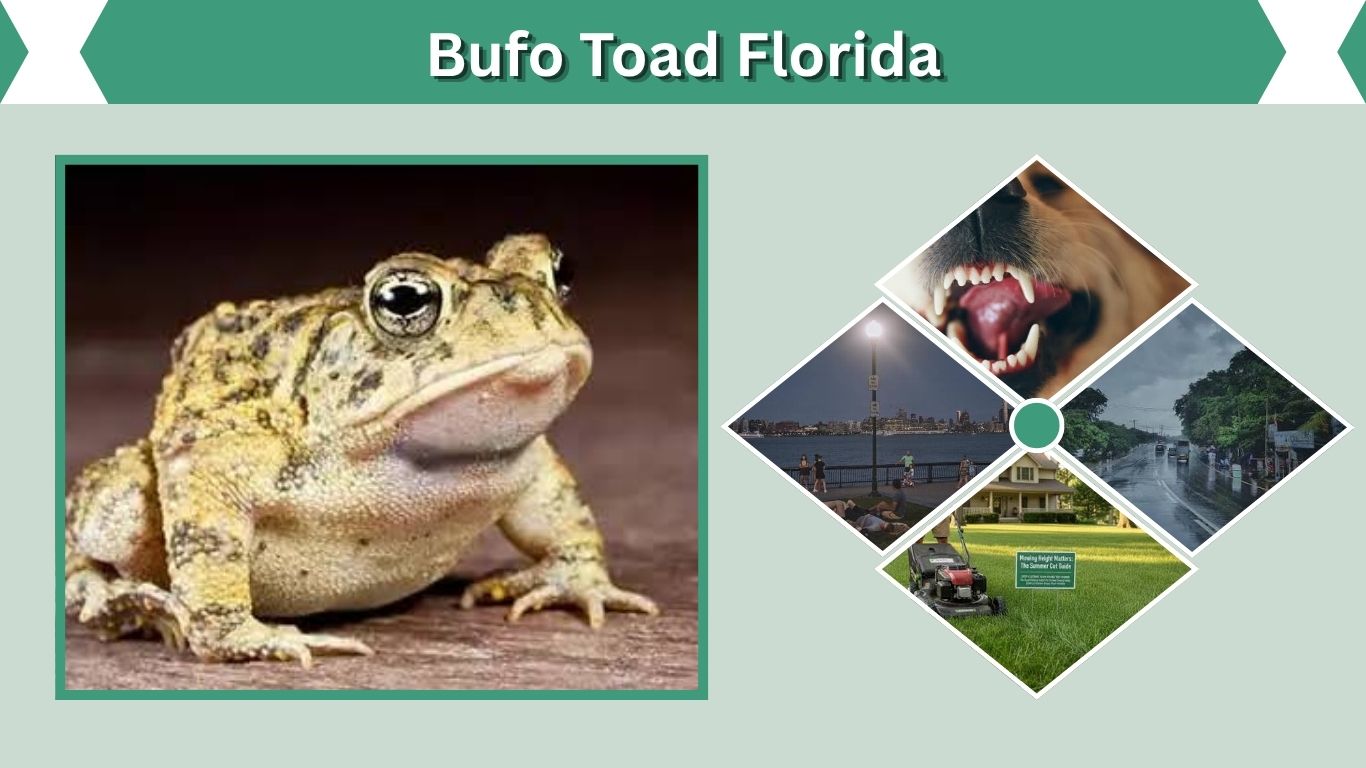
The Bufo toad in Florida, more accurately called the cane toad (Rhinella marina), is a large invasive amphibian established mainly in southern and central parts … Read More
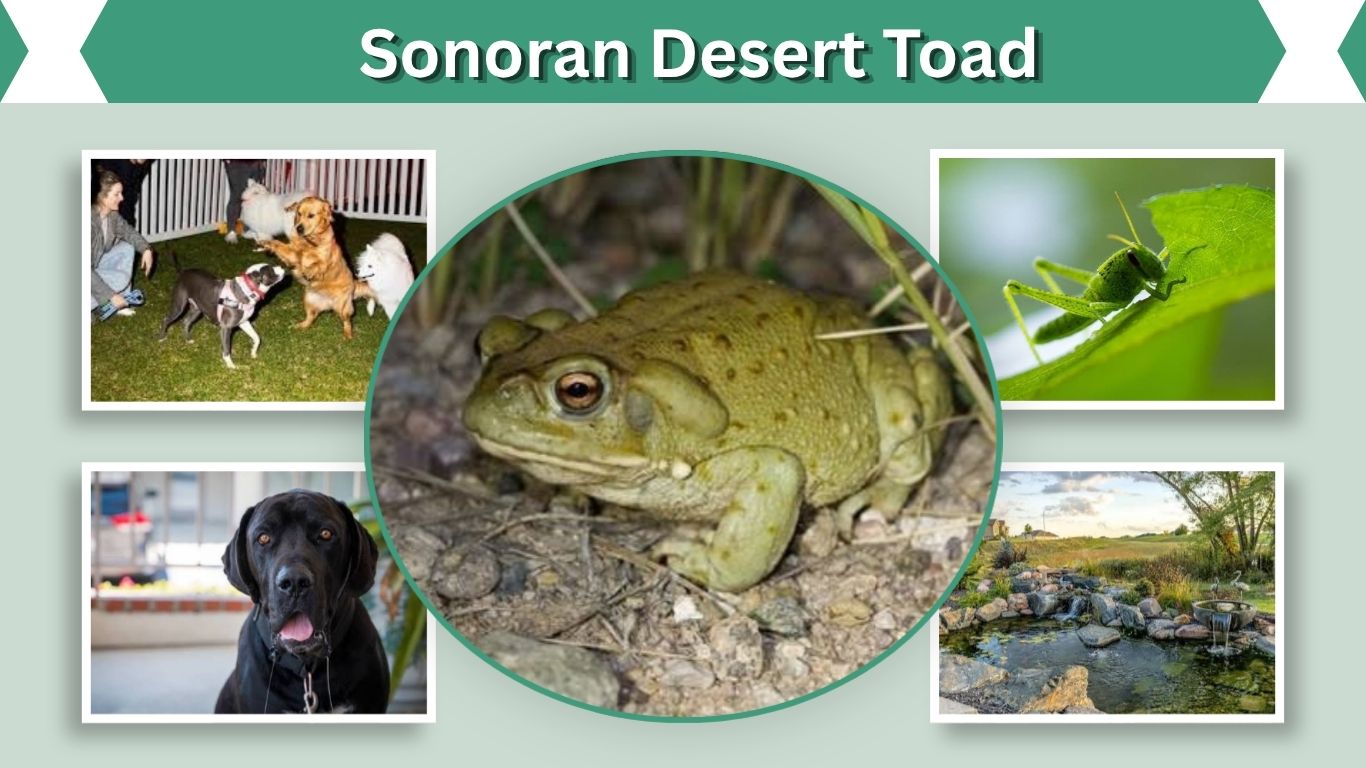
The Sonoran Desert toad (Incilius alvarius), also called the Colorado River toad, is one of the largest native toads in North America. It inhabits Arizona, … Read More
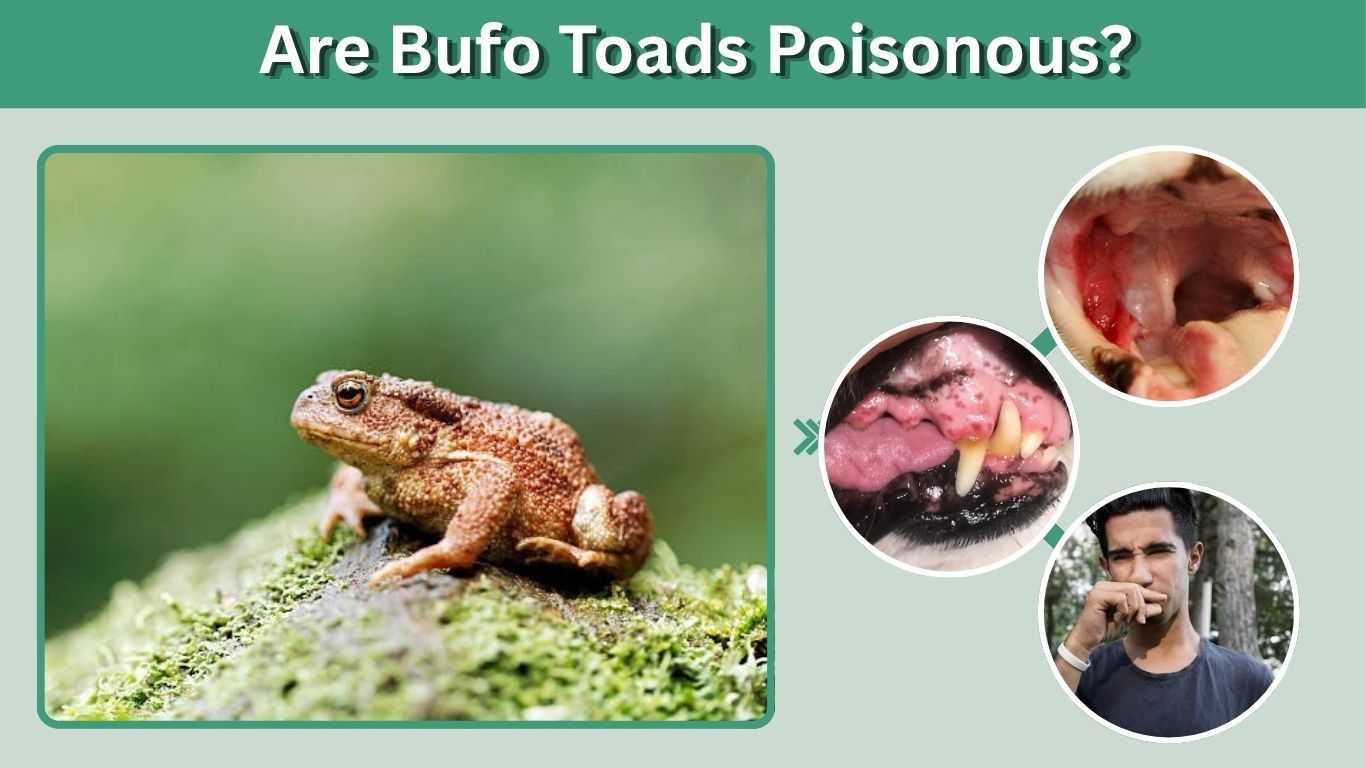
Bufo toad poison can be dangerous to dogs, cats, and people when the toxic secretion enters the mouth, eyes, or other sensitive tissues. In Florida, … Read More
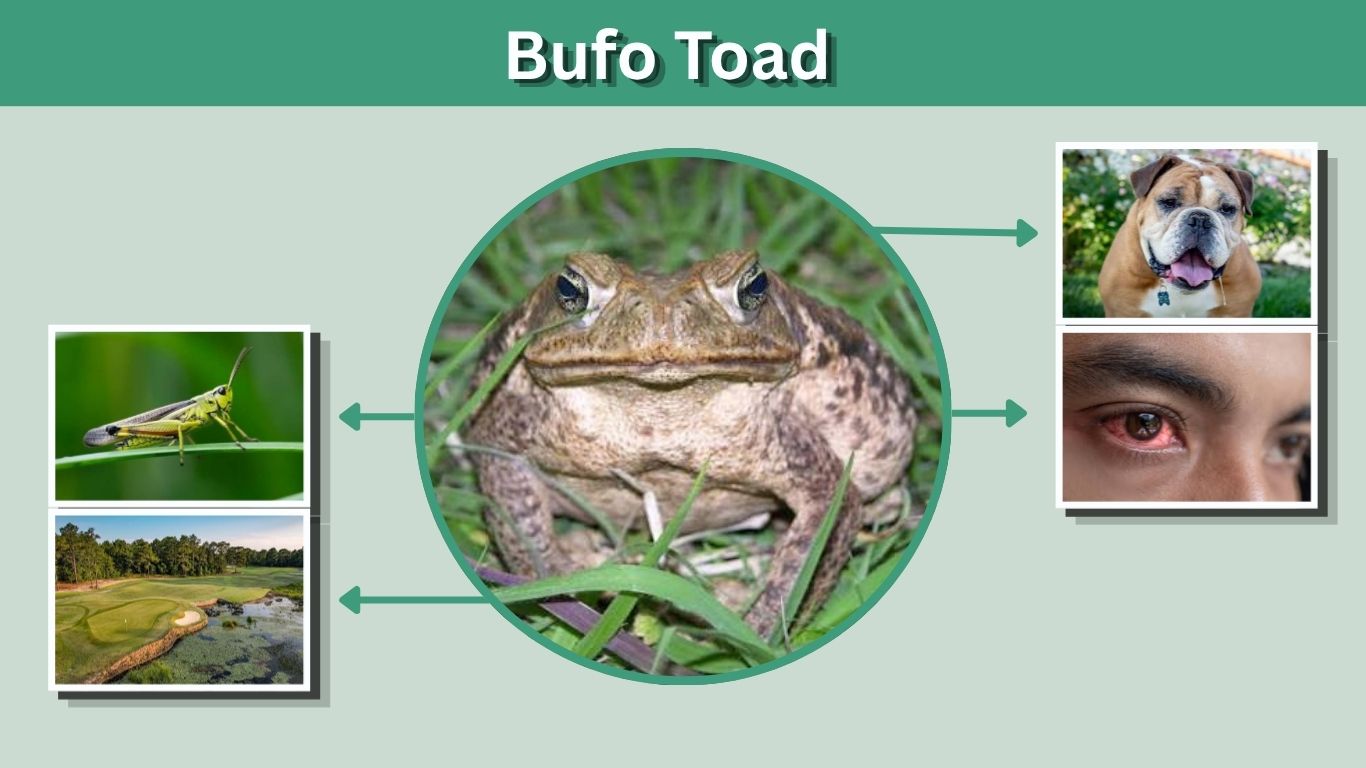
The term Bufo toad is commonly used in Florida for the invasive cane toad, a large amphibian capable of producing powerful defensive toxins. Although “Bufo” … Read More
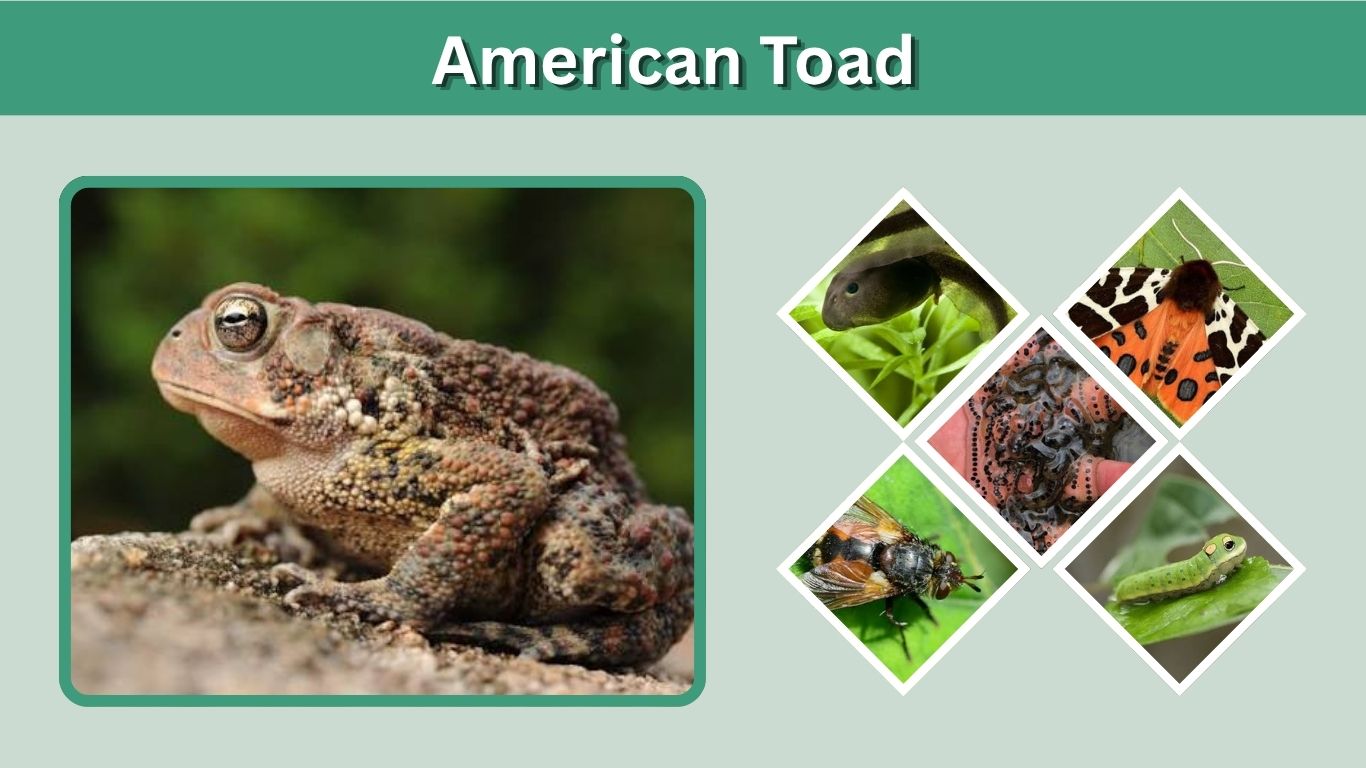
The American toad is one of the most familiar toads in eastern North America. Known for its dry, warty skin, short legs, and distinctive breeding … Read More
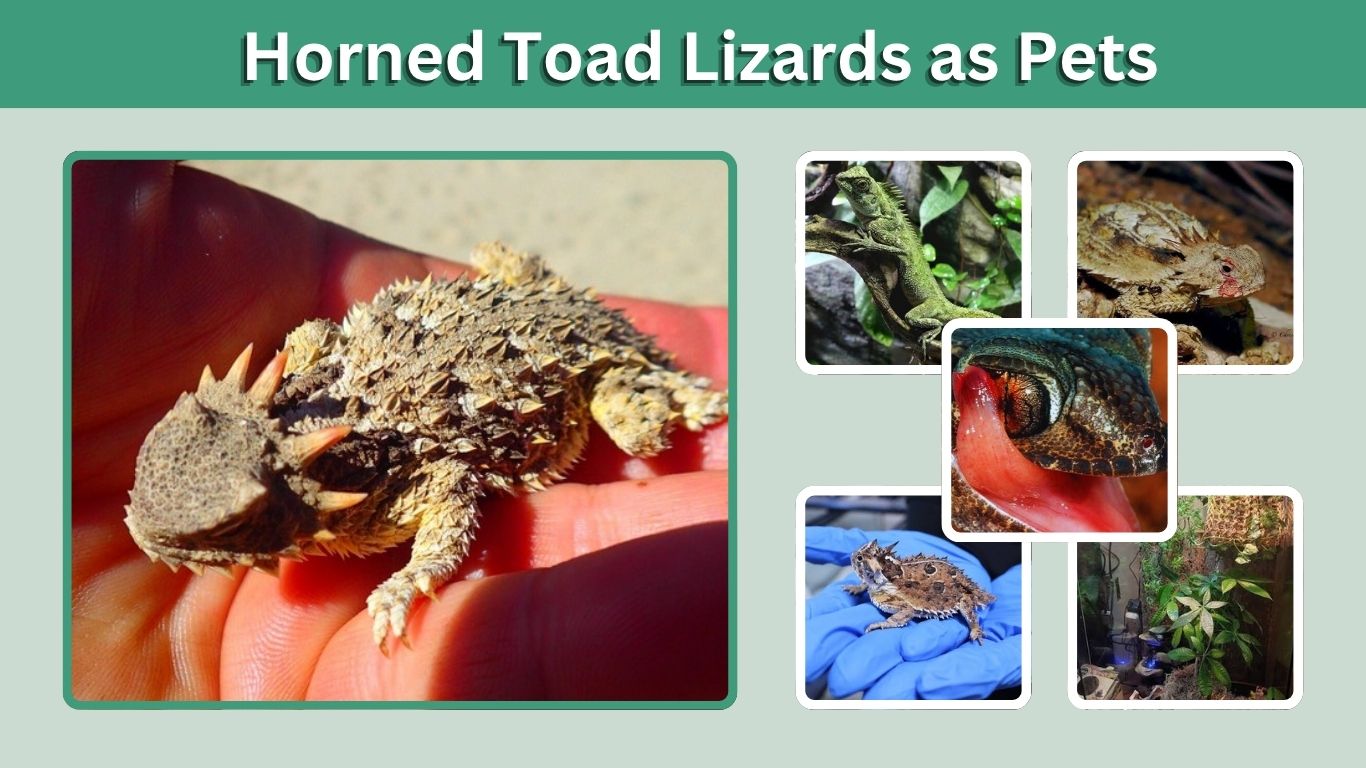
Horned toad lizards may look like fascinating pets, but keeping one is much more complicated than caring for common reptiles such as leopard geckos or … Read More