
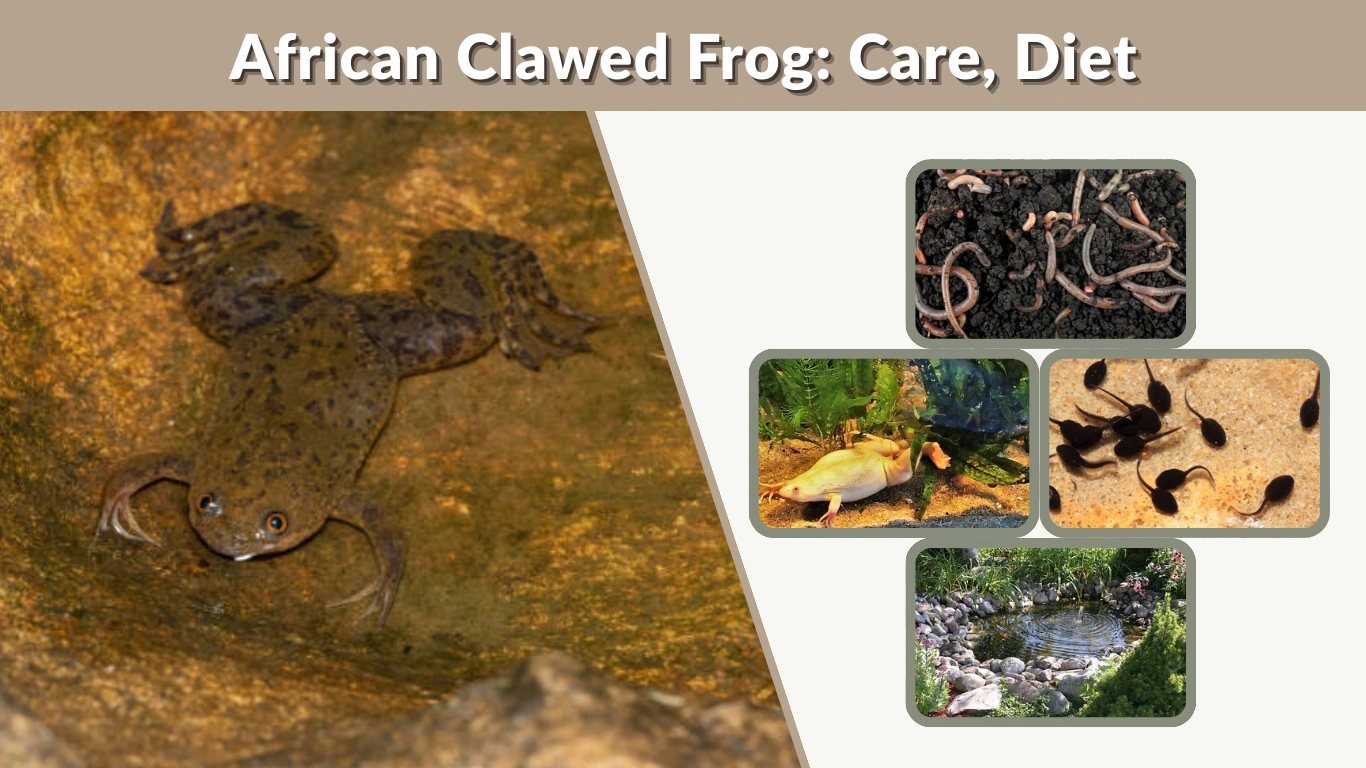
The African clawed frog is a fully aquatic amphibian known for its strong hind legs, smooth skin, and surprising intelligence. Native to Sub-Saharan Africa, this hardy species has become popular in home aquariums and scientific research. However, African clawed frog care requires proper tank setup, diet management, and long-term commitment. In this guide, you’ll learn about their natural habitat, feeding habits, lifespan, and life cycle to help you provide the best possible environment.
What Is an African Clawed Frog?
The African clawed frog (Xenopus laevis) is a freshwater amphibian that spends its entire life in water. Unlike many other frog species, it does not leave the water as an adult.
Scientific Background and Origin
African clawed frogs are native to ponds, lakes, and slow-moving rivers across Sub-Saharan Africa. They are highly adaptable and can survive in a variety of aquatic environments, including temporary pools that dry up seasonally. Because of their resilience and ease of breeding, they have also been widely used in laboratory research around the world.
Physical Characteristics
One of the most distinctive features of the African clawed frog is the presence of sharp black claws on its powerful hind feet, which it uses to tear apart food. Adults typically grow between 4 and 5 inches long, with females usually larger than males.
They have smooth, slippery skin and flattened bodies that make them excellent swimmers. Unlike many frogs, they lack eyelids and tongues. Instead of catching prey with a sticky tongue, they use their front hands to push food into their mouths. Common color variations include the natural olive-brown “wild type” and albino forms with pale pink or white bodies and red eyes.
African Clawed Frog Habitat
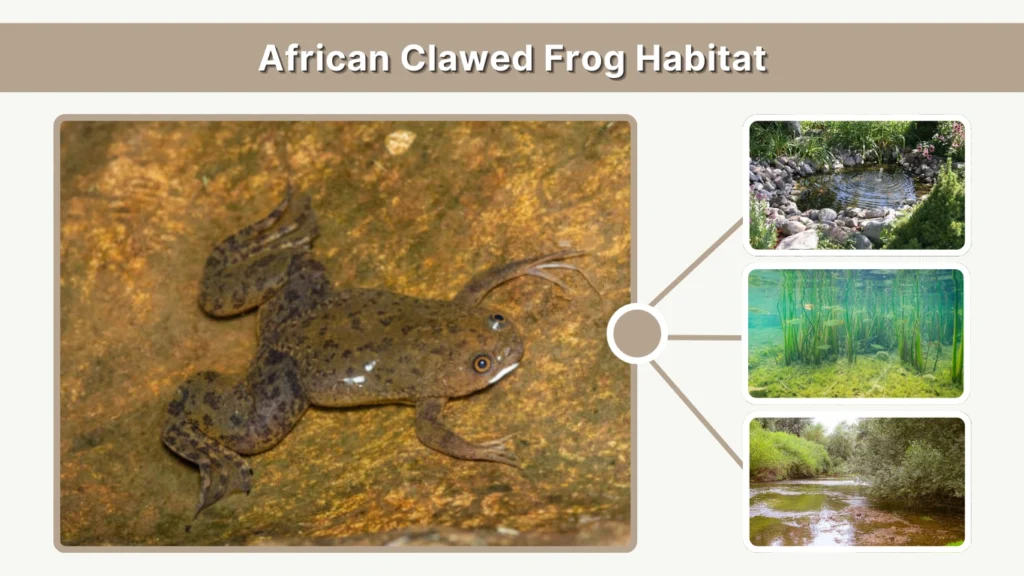
Understanding the African clawed frog habitat is essential for both wild appreciation and proper captive care.
Natural Habitat in the Wild
In the wild, African clawed frogs live in freshwater ponds, marshes, and slow-moving streams. These environments often have muddy bottoms and aquatic vegetation that provide cover and hunting grounds. They are opportunistic and can tolerate a wide range of water conditions.
During dry seasons, they may burrow into mud and enter a dormant state known as aestivation until water returns. This survival ability makes them extremely hardy amphibians.
Behavior in the Wild
African clawed frogs are fully aquatic and rarely leave the water. They are strong swimmers and use sudden bursts of movement to catch prey. Primarily nocturnal, they hunt at night and feed on insects, small fish, and other aquatic creatures.
They rely heavily on their sense of touch and lateral line system to detect vibrations in the water, helping them locate food even in murky conditions.
Ideal Habitat in Captivity
To replicate their natural environment, a single African clawed frog needs at least a 20-gallon aquarium. These frogs grow relatively large and produce significant waste, so space and proper filtration are important.
Water temperature should stay between 65–75°F, and the pH should range from 6.5 to 8.0. Always use dechlorinated water, as chlorine and chloramine are harmful to amphibians.
A secure lid is essential because African clawed frogs are known escape artists. Provide hiding spots such as caves or aquarium decorations, but avoid sharp objects that could damage their delicate skin.
African Clawed Frog Care Guide
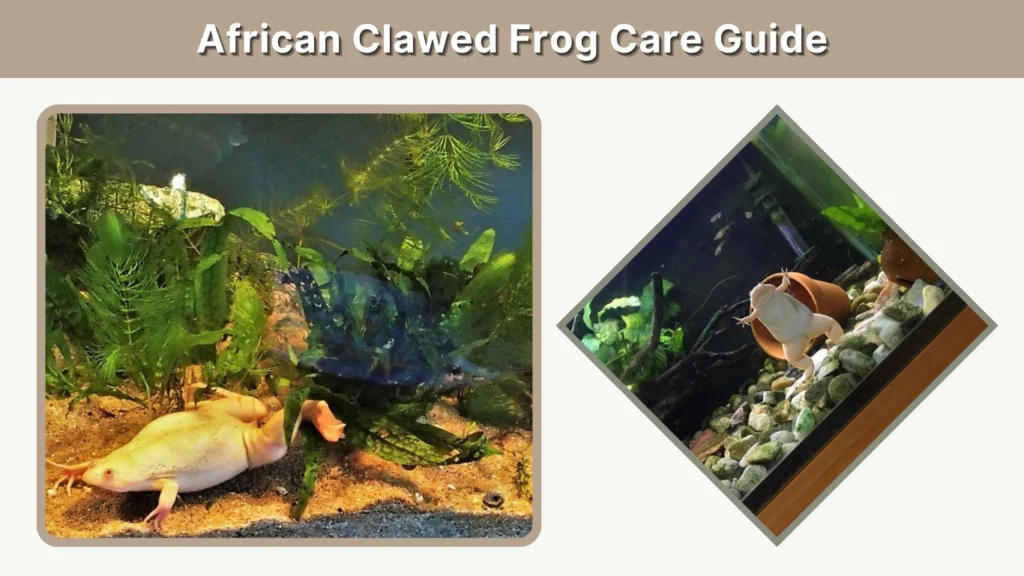
Proper African clawed frog care ensures your pet remains healthy for many years.
Tank Setup Requirements
A spacious tank with efficient filtration is key. While they do not require strong water flow, a good filter helps maintain water quality. Since these frogs breathe air, the water level should allow easy access to the surface.
Regular partial water changes—about 20–30% weekly—help prevent ammonia buildup. Because amphibians absorb substances through their skin, maintaining clean water is especially critical.
Substrate and Decorations
Many keepers prefer a bare-bottom tank for easier cleaning. If substrate is used, fine sand is safer than gravel, which can be accidentally swallowed.
Live plants can work, but African clawed frogs may uproot them. Durable artificial plants are often more practical. Include hiding areas to reduce stress and mimic their natural habitat.
Temperament and Tank Mates
African clawed frogs are opportunistic predators and may eat smaller tank mates. For this reason, they are best kept alone or in a species-only aquarium.
They are not aggressive in the traditional sense, but anything small enough to fit in their mouth is considered food. Avoid housing them with small fish or delicate amphibians like African dwarf frogs.
African Clawed Frog Diet and Food
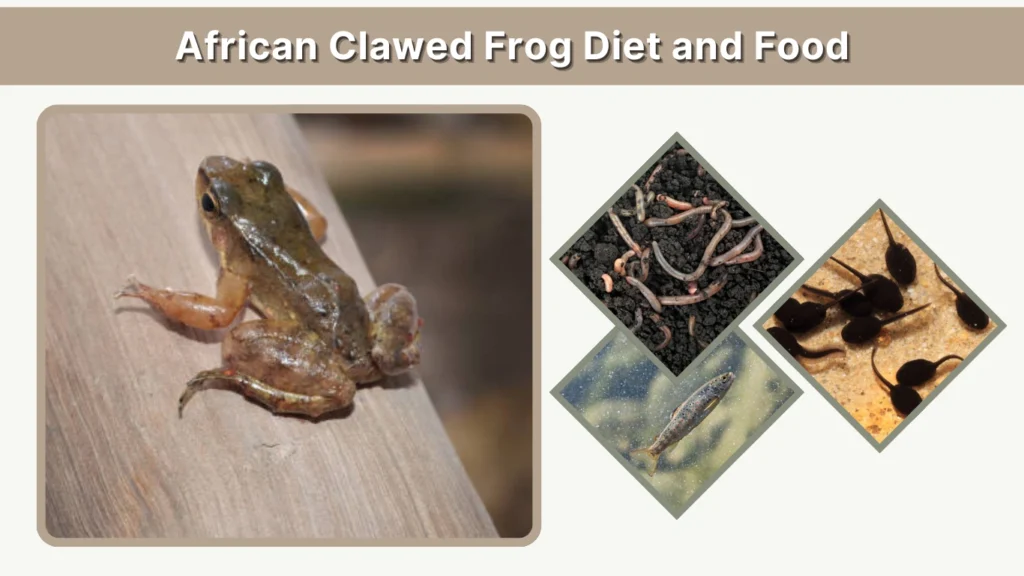
The African clawed frog diet is strictly carnivorous. In both wild and captive environments, they consume protein-rich foods.
What Do African Clawed Frogs Eat?
In the wild, they eat insects, worms, small fish, tadpoles, and crustaceans. They are opportunistic feeders and will consume nearly anything edible they can overpower.
In captivity, their diet should be varied to ensure proper nutrition and prevent deficiencies.
Best Food Options in Captivity
High-quality sinking frog pellets can serve as a dietary staple. These are specially formulated to meet amphibian nutritional needs.
Additional food options include:
- Earthworms
- Bloodworms
- Brine shrimp
- Blackworms
Occasional feeder fish may be offered, but they carry a risk of parasites and should not be a primary food source.
Feeding Schedule
Juvenile frogs should be fed once daily to support growth. Adult African clawed frogs typically need feeding two to three times per week.
Overfeeding is a common problem and can lead to obesity. Offer only what they can consume in a few minutes and remove uneaten food to maintain water quality.
African Clawed Frog Lifespan
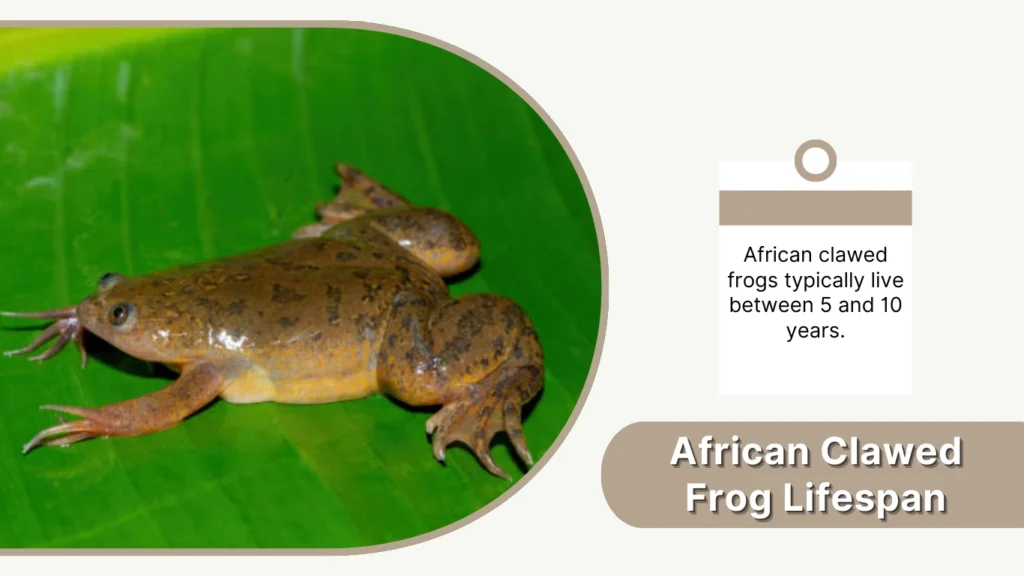
The African clawed frog lifespan can vary significantly depending on environmental conditions and quality of care.
Lifespan in the Wild
In their natural habitat, African clawed frogs typically live between 5 and 10 years. Predators, seasonal droughts, disease, and fluctuating water quality all impact survival rates. While they are highly adaptable, wild conditions are far less stable than controlled aquarium environments.
Lifespan in Captivity
With proper African clawed frog care, these amphibians can live 15 to 20 years in captivity. Some individuals have even surpassed 20 years under ideal conditions.
Several factors influence longevity:
- Water quality: Clean, well-filtered water prevents infections and stress.
- Balanced diet: A varied, protein-rich diet supports immune health.
- Tank size: Adequate space reduces stress and promotes natural behavior.
- Consistent maintenance: Regular water changes and monitoring prevent disease.
Because of their long lifespan, owning an African clawed frog is a long-term commitment similar to caring for many reptiles.
African Clawed Frog Life Cycle
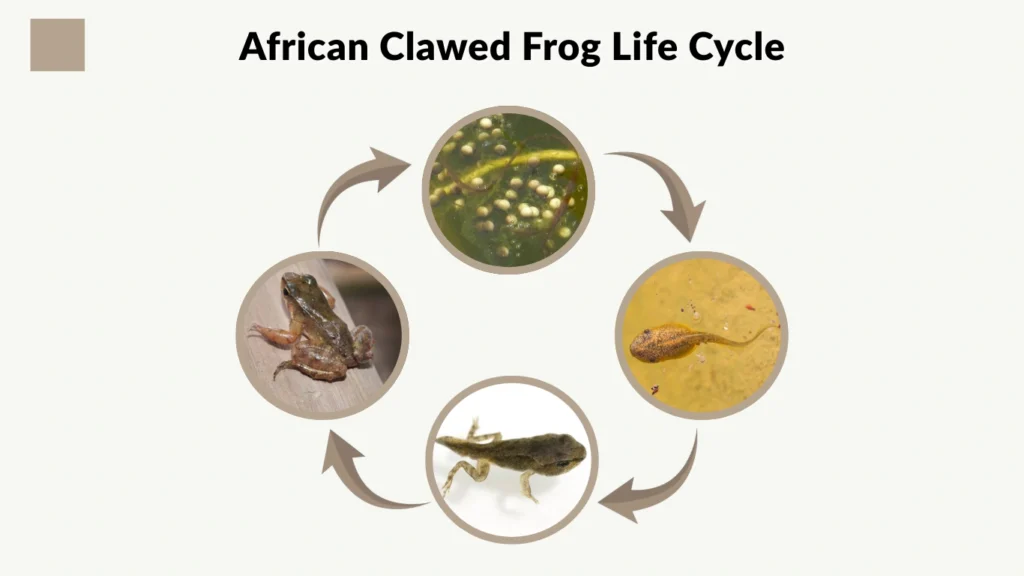
The African clawed frog life cycle is entirely aquatic, even during adulthood. Unlike many frog species that transition to land, this species remains in water for life.
Egg Stage
Reproduction typically occurs in water, where fertilization happens externally. The female lays hundreds to thousands of small eggs, attaching them to aquatic plants or surfaces.
Eggs usually hatch within 2 to 3 days, depending on water temperature. Warmer water speeds up development.
Tadpole Stage
After hatching, the larvae (tadpoles) are fully aquatic and look very different from adult frogs. At this stage, they are filter feeders, consuming tiny particles suspended in the water.
They breathe through gills and grow rapidly over several weeks. Proper nutrition during this stage is critical for healthy development.
Metamorphosis
As the tadpoles mature, they undergo metamorphosis. Hind legs develop first, followed by front legs. Lungs form, allowing them to breathe air at the surface.
Unlike many frogs, African clawed frog tadpoles gradually shift from filter-feeding to a carnivorous diet as they transform. Their tails are eventually absorbed, and they begin to resemble miniature adults.
Adult Stage
African clawed frogs reach sexual maturity at around 10 to 12 months of age. Adults remain fully aquatic and continue the reproductive cycle when environmental conditions are favorable.
African Clawed Frog vs African Dwarf Frog
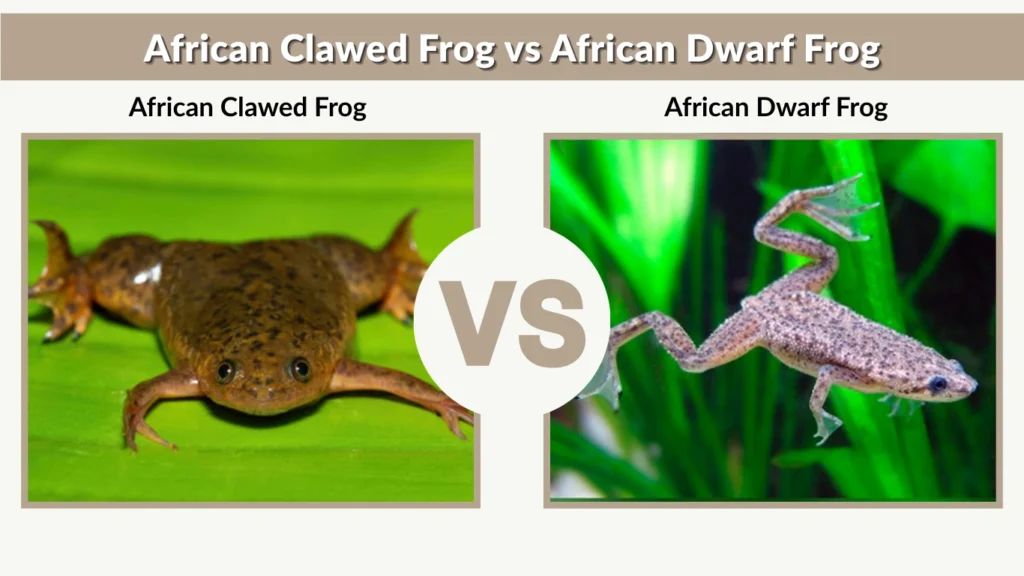
Many beginners confuse the African clawed frog vs African dwarf frog, but they are very different species with distinct care requirements.
Size Differences
African clawed frogs grow much larger, reaching 4–5 inches in length. African dwarf frogs stay small, typically only 1–2 inches long.
Because of this size difference, clawed frogs require larger tanks and produce more waste.
Physical Differences
There are several easy ways to tell them apart:
- African clawed frogs have visible claws on their hind feet.
- Their eyes sit on top of the head.
- African dwarf frogs have fully webbed front feet.
- Dwarf frogs have eyes positioned more on the sides of the head.
These physical traits make identification fairly simple once you know what to look for.
Behavior and Care Differences
African clawed frogs are stronger, more aggressive feeders. They may eat smaller tank mates, including dwarf frogs.
African dwarf frogs are more peaceful and often kept in community tanks. They also require smaller aquariums and gentler feeding competition.
Mixing the two species is not recommended, as the larger clawed frog may outcompete or injure the dwarf frog.
Common Health Issues
Although hardy, African clawed frogs can experience health problems, especially in poorly maintained tanks.
- Obesity: Caused by overfeeding. A bloated appearance and reduced activity are warning signs.
- Fungal infections: May appear as cotton-like patches on the skin.
- Red leg disease: A serious bacterial infection causing redness on the legs and underside.
- Poor water quality stress: Leads to lethargy, skin irritation, and weakened immunity.
Most health issues can be prevented through clean water, proper diet, and routine tank maintenance.
FAQs
How big do African clawed frogs get?
African clawed frogs typically grow between 4 and 5 inches long. Females are usually larger than males. Their size makes them unsuitable for very small tanks or nano aquariums.
Can African clawed frogs live with fish?
Generally, no. African clawed frogs will attempt to eat fish small enough to fit in their mouths. Even larger fish may become stressed by the frog’s active feeding behavior.
How long do African clawed frogs live?
With proper care, African clawed frogs can live 15 to 20 years in captivity. In the wild, their lifespan is usually shorter due to predators and environmental challenges.
What do African clawed frogs eat?
They are carnivorous and eat sinking frog pellets, earthworms, bloodworms, brine shrimp, and other protein-rich foods. A varied diet supports long-term health.
What is the difference between African clawed and dwarf frogs?
African clawed frogs are larger, have visible claws on their hind feet, and are more aggressive feeders. African dwarf frogs are smaller, more peaceful, and better suited for community tanks.
Conclusion
The African clawed frog is a fascinating, fully aquatic amphibian that can thrive for decades with proper care. From understanding their natural habitat to providing a balanced diet and spacious tank, responsible ownership is key to ensuring a healthy lifespan. Their unique life cycle and distinct differences from African dwarf frogs make them especially interesting for dedicated aquarium keepers. If you’re prepared for a long-term commitment and attentive maintenance, the African clawed frog can be a rewarding aquatic companion.