
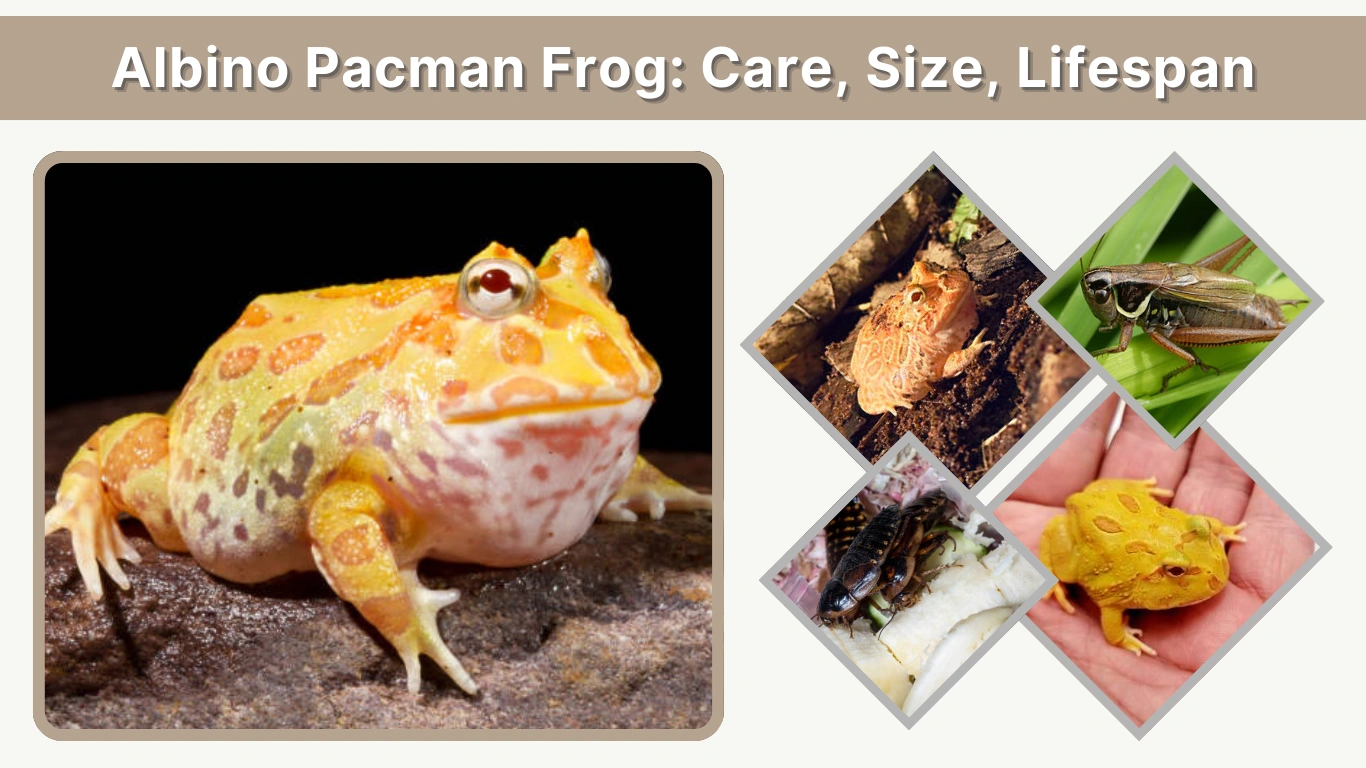
The albino pacman frog is a striking and unusual amphibian that stands out because of its pale yellow, cream, or pinkish coloration and bright red eyes. As a color morph of the pacman frog, this frog has become increasingly popular in the pet trade due to its unique appearance and relatively simple care requirements. Although it looks exotic, the albino pacman frog can thrive in captivity when provided with the right environment and diet. This guide covers everything you need to know about albino pacman frogs, including their appearance, size, temperament, lifespan, and essential care needs.
What Is an Albino Pacman Frog?
An albino pacman frog is a pacman frog that carries a genetic trait known as albinism. This condition results in a lack of dark pigmentation, giving the frog its light-colored body and red or pink eyes. Albino pacman frogs are not a separate species; they are most commonly albino forms of Ceratophrys cranwelli or Ceratophrys ornata, both native to South America.
In the wild, albino frogs rarely survive because their coloration makes them highly visible to predators. As a result, albino pacman frogs are almost exclusively bred in captivity. Selective breeding has made this morph more available and healthier over time, making it a popular choice for amphibian enthusiasts. While their care is very similar to normal pacman frogs, albino individuals require a bit more attention when it comes to lighting and stress management.
Albino Pacman Frog Overview
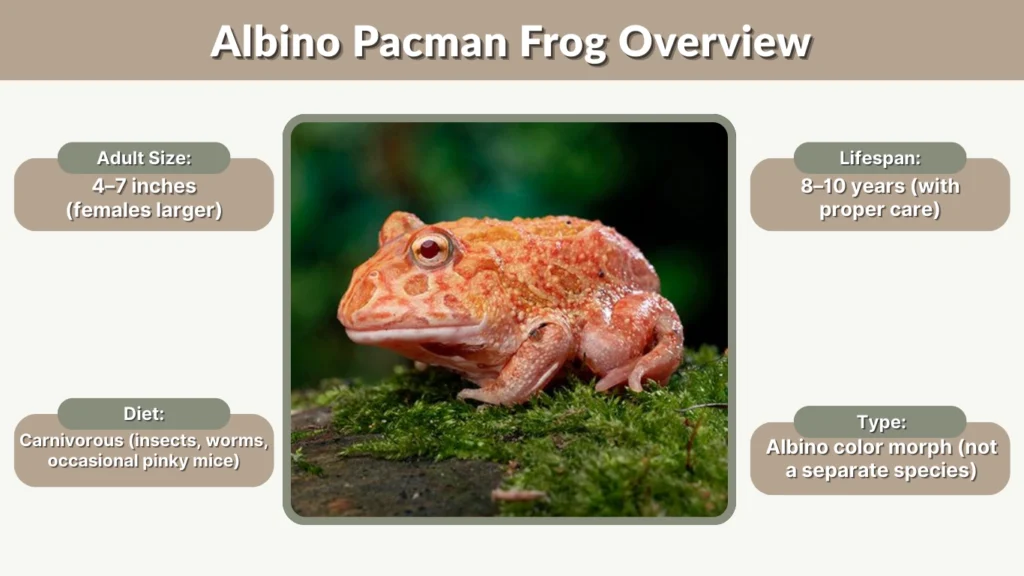
The Albino Pacman Frog is a color morph of the pacman frog (Ceratophrys species) that lacks dark pigmentation, giving it a pale yellow, cream, or pinkish body with distinctive red or pink eyes. Bred almost exclusively in captivity, this frog is known for its round shape, wide mouth, and sit-and-wait hunting style. It is a low-activity amphibian that thrives in simple, humidity-controlled enclosures and is best kept as a display pet.
Quick Facts at a Glance
- Scientific Name: Ceratophrys cranwelli / Ceratophrys ornata
- Common Name: Albino Pacman Frog
- Type: Albino color morph (not a separate species)
- Adult Size: 4–7 inches (females larger)
- Lifespan: 8–10 years (with proper care)
- Temperament: Defensive, solitary
- Diet: Carnivorous (insects, worms, occasional pinky mice)
- Activity Level: Very low
- Handling: Minimal
- Difficulty Level: Easy to moderate
Albino Pacman Frog Appearance and Size
Color, Eyes, and Physical Traits
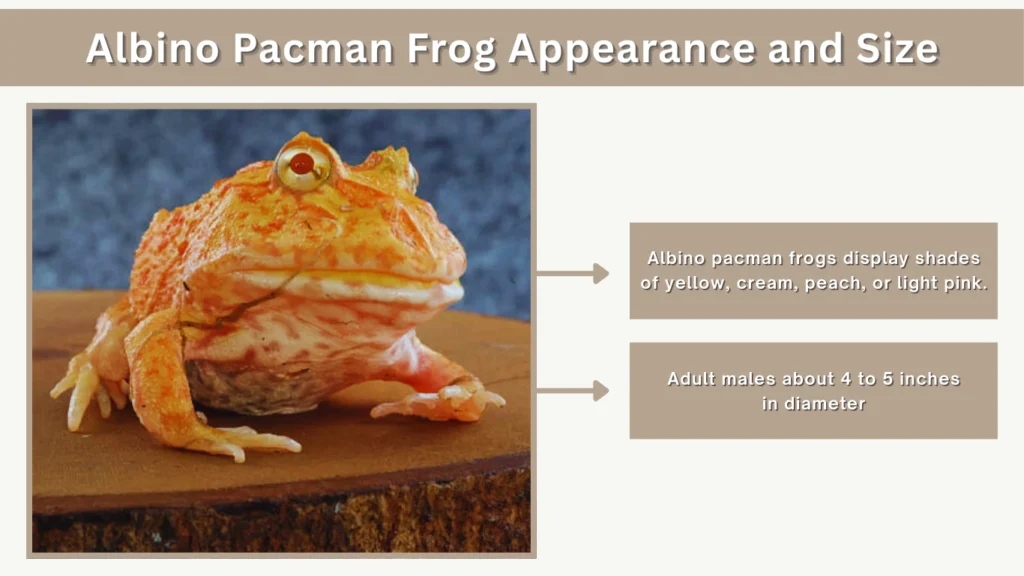
The most noticeable feature of an albino pacman frog is its coloration. Instead of the typical green or brown tones seen in normal pacman frogs, albino pacman frogs display shades of yellow, cream, peach, or light pink. Their eyes are usually red or pink due to the lack of pigment in the iris.
Aside from color, albino pacman frogs share the same physical traits as other pacman frogs. They have a round, bulky body, short limbs, and a wide mouth designed for ambush feeding. Their smooth skin may appear more delicate, but it functions the same as non-albino frogs.
Adult Size and Growth Rate
Albino pacman frogs grow to similar sizes as standard pacman frogs. Adult males typically reach about 4 to 5 inches in diameter, while females are larger and can grow between 6 and 7 inches. Females also tend to have broader bodies, especially as they mature.
Growth is fastest during the first year of life. Juveniles that are fed properly and kept in optimal conditions can reach near-adult size within 10 to 14 months. Proper feeding and enclosure size play a major role in healthy growth.
Temperament and Behavior
Albino pacman frogs have the same temperament as other pacman frog morphs. They are solitary, territorial, and not naturally interactive animals. Most of their time is spent sitting still or partially buried in the substrate, waiting for prey to pass by.
These frogs have a powerful feeding response and may lunge at anything that moves near their mouth. Bites are not aggressive but defensive or feeding-related. Because of this behavior, albino pacman frogs are not suitable for frequent handling. They are best kept as display animals for observation rather than interaction.
Albino Pacman Frog Lifespan
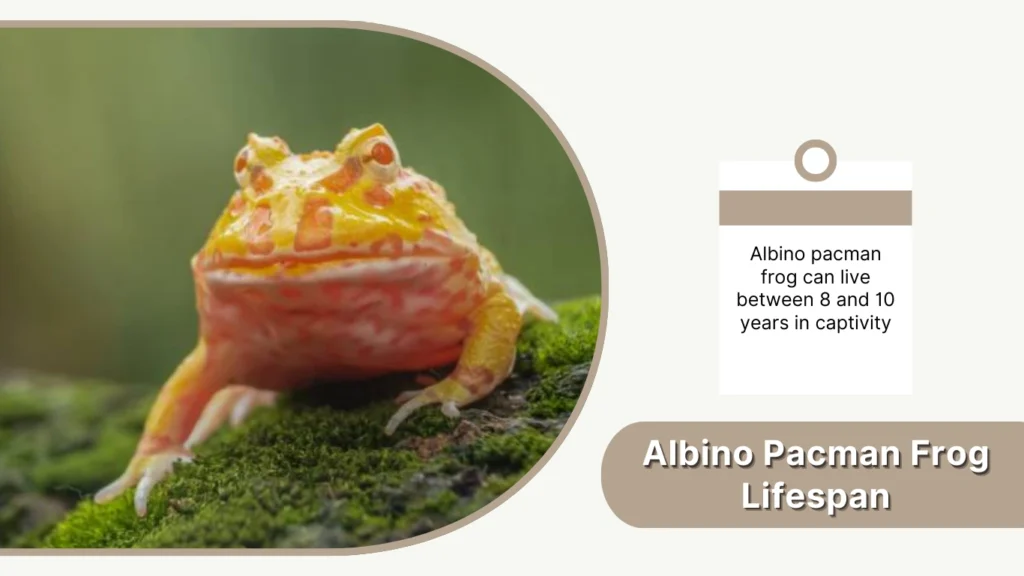
With proper care, an albino pacman frog can live between 8 and 10 years in captivity, and some individuals may live even longer. Albinism itself does not significantly shorten lifespan when the frog is kept in a stable and well-maintained environment.
Lifespan depends heavily on consistent temperatures, proper humidity, and a balanced diet. Poor husbandry, dehydration, or improper feeding are the most common reasons albino pacman frogs experience health issues or reduced longevity.
Albino Pacman Frog Care Requirements
Tank Size and Habitat Setup
Albino pacman frogs do not require large enclosures, but adequate space is still important. A 10-gallon tank works well for juveniles, while adults should be housed in a 15–20 gallon enclosure. Because pacman frogs are ground-dwelling, floor space is more important than height.
The substrate should be soft, moisture-retaining, and safe for burrowing. Coconut fiber, organic topsoil, or bioactive soil mixes are commonly used. The substrate should remain damp but not soaked. Providing a hide, leaf litter, or artificial plants helps reduce stress and gives the frog a sense of security.
Temperature and Humidity Needs
Albino pacman frogs require stable temperature and humidity levels to stay healthy. The ideal daytime temperature range is 75–82°F (24–28°C), while nighttime temperatures can safely drop to around 72–75°F (22–24°C). Heat should be provided using a low-wattage heat mat placed on the side of the enclosure rather than underneath, as pacman frogs burrow and can overheat from below.
Humidity is especially important for albino pacman frogs. Levels should be kept between 60–80% at all times. Their skin absorbs moisture directly, and low humidity can quickly lead to dehydration or shedding problems. Light misting once or twice daily usually maintains proper humidity. A digital thermometer and hygrometer are strongly recommended to monitor conditions accurately.
Lighting and UVB Considerations
Albino pacman frogs are more sensitive to light than normal morphs due to their lack of pigmentation. Bright or intense lighting should be avoided. A simple day–night cycle using ambient room light or a low-intensity LED is sufficient.
UVB lighting is not strictly required but can be beneficial when used correctly. If UVB is provided, it should be low output and positioned so the frog can avoid it if desired. Many keepers successfully raise albino pacman frogs without UVB as long as proper calcium and vitamin supplementation is provided.
Albino Pacman Frog Diet
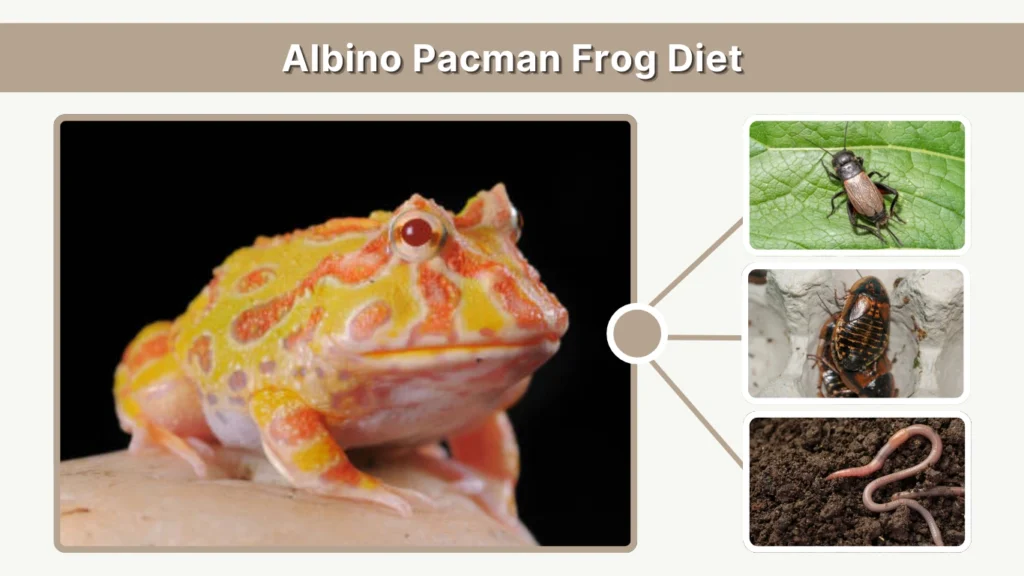
What to Feed an Albino Pacman Frog
Albino pacman frogs are carnivorous ambush predators with a strong appetite. Their diet should consist of appropriately sized live prey such as crickets, dubia roaches, earthworms, nightcrawlers, and hornworms. Juveniles should be fed every other day, while adults are usually fed two to three times per week.
Adult albino pacman frogs can occasionally be offered pinky mice, but these should be used sparingly due to their high fat content. Overfeeding can quickly lead to obesity, which is a common issue in captive pacman frogs.
Supplements and Feeding Tips
Calcium supplementation is essential for albino pacman frogs. Feeder insects should be dusted with calcium powder at most feedings, and a multivitamin supplement should be used once every one to two weeks. Vitamin D3 is especially important if UVB lighting is not provided.
Prey should never be larger than the width of the frog’s mouth. Feeding oversized prey or allowing frogs to ingest loose substrate increases the risk of impaction.
Handling and Interaction
Albino pacman frogs tolerate handling poorly and should only be handled when absolutely necessary, such as during enclosure cleaning. Their skin is delicate, and frequent handling can cause stress or skin damage.
If handling is required, hands should be clean, damp, and free of soap, lotion, or chemicals. Signs of stress include excessive movement, puffing up, squeaking noises, or refusal to eat. These frogs are best appreciated as display animals rather than hands-on pets.
Common Health Issues
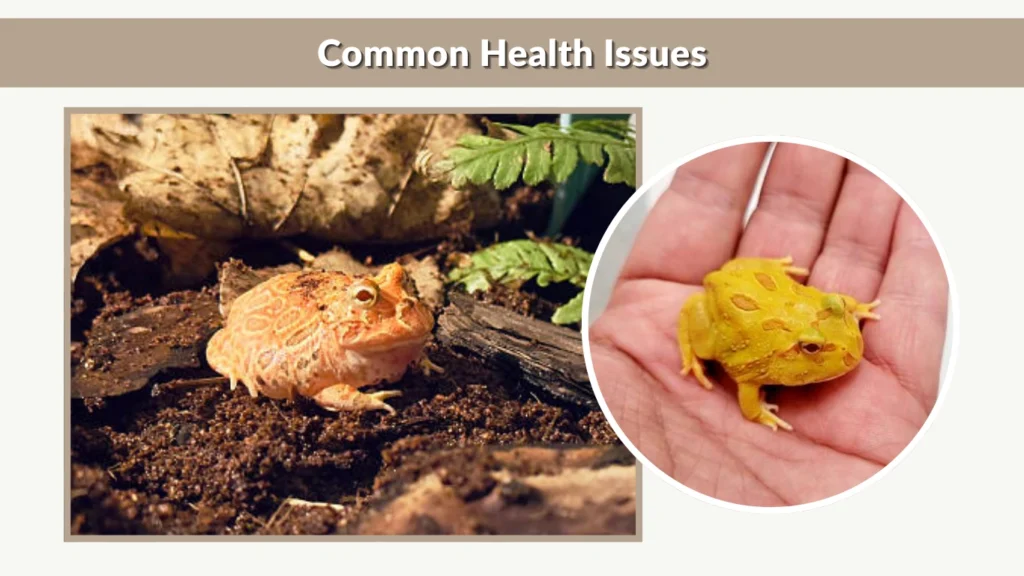
Some of the most common health problems in albino pacman frogs include impaction, skin infections, and obesity. Impaction usually occurs when frogs swallow loose substrate or prey that is too large. Using proper substrate and correct prey size greatly reduces this risk.
Skin infections are often caused by poor hygiene or incorrect humidity levels. Regular spot cleaning and maintaining proper moisture levels are essential. Albino pacman frogs may also experience stress if exposed to bright lighting for extended periods. Any signs of lethargy, weight loss, or open sores should be evaluated by a veterinarian experienced with amphibians.
Albino Pacman Frog Price and Availability
Albino pacman frogs typically cost between $40 and $120, depending on age, coloration, and breeder reputation. High-quality albino specimens or unique variations may be priced higher.
Purchasing from a reputable breeder is strongly recommended, as captive-bred frogs are healthier and better adapted to life in captivity. When selecting a frog, look for clear eyes, a rounded body, and a strong feeding response.
Pros and Cons of Owning an Albino Pacman Frog
One of the biggest advantages of owning an albino pacman frog is its unique and eye-catching appearance. They also require relatively simple enclosures and minimal daily interaction. However, they are not suitable for owners looking for an interactive pet, as they dislike handling and can be sensitive to light.
Is an Albino Pacman Frog Right for You?
An albino pacman frog is an excellent choice for keepers who enjoy observing animals rather than handling them. They are suitable for beginners who are willing to maintain proper temperature, humidity, and feeding routines. With consistent care, these frogs can live long, healthy lives and make fascinating display pets.
FAQs
Are albino pacman frogs rare?
They are less common than normal pacman frogs but are widely available through captive breeders.
Do albino pacman frogs need special lighting?
They do not require special lighting, but bright lights should be avoided due to light sensitivity.
Do albino pacman frogs bite?
Yes, they can bite during feeding or if startled, but bites are defensive rather than aggressive.
Can albino pacman frogs live together?
No, pacman frogs should always be housed alone, as they are territorial and may cannibalize each other.