
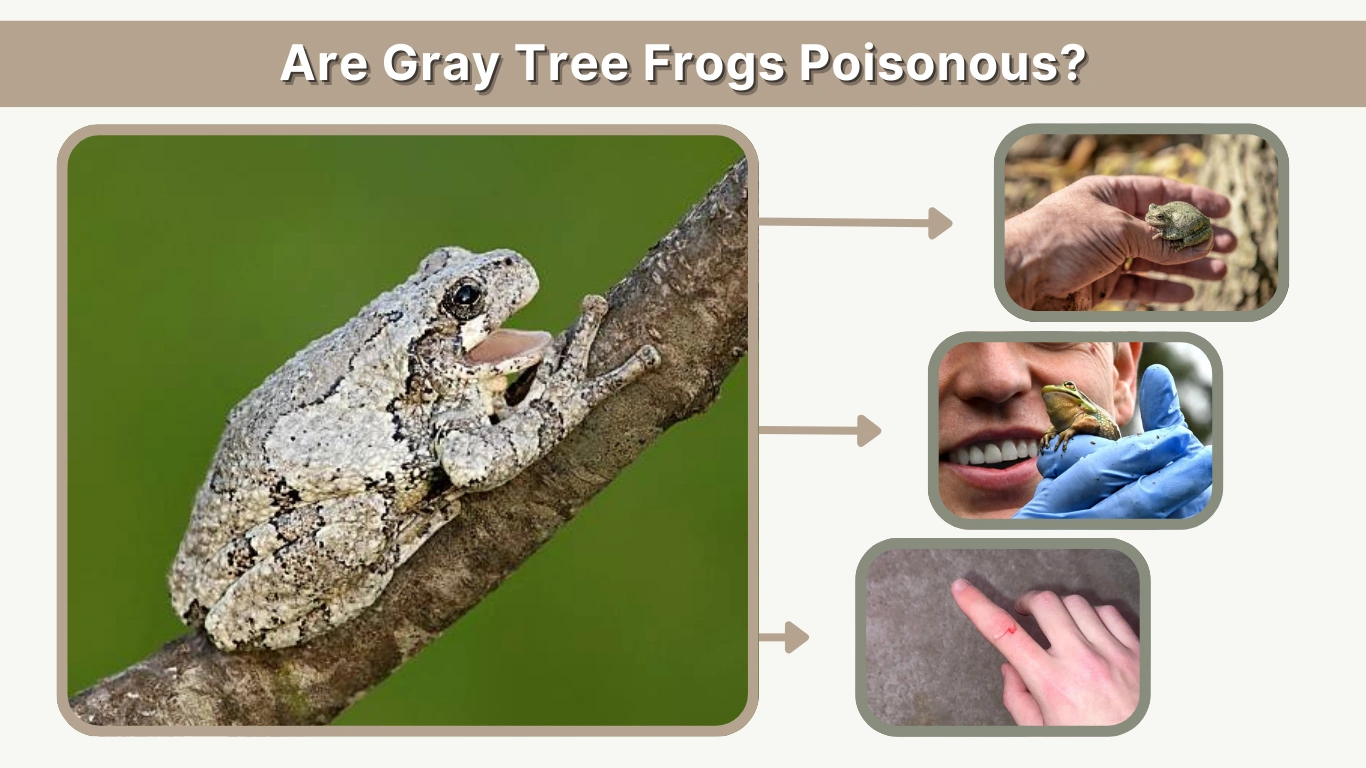
Gray tree frogs are small, quiet, and surprisingly good at blending into their surroundings. Because they’re amphibians and have textured skin, many people wonder whether they might be poisonous or dangerous to touch. This question often comes up among homeowners, hikers, parents, and pet owners who encounter these frogs in backyards or wooded areas. Understanding whether gray tree frogs are poisonous—and how they actually defend themselves—helps clear up common fears while encouraging safe and respectful interaction with wildlife.
What Is a Gray Tree Frog?
Gray tree frogs are small arboreal amphibians native to North America. There are two nearly identical species: Hyla versicolor and Hyla chrysoscelis. Despite the name, their color can vary from gray to green depending on temperature, humidity, and surroundings, which helps them camouflage against tree bark and leaves.
Adult gray tree frogs typically grow between 1.25 and 2 inches long. They have large toe pads that allow them to climb trees, walls, and even glass surfaces with ease. These frogs are mostly nocturnal and are best known for their loud, musical trills during the breeding season.
They commonly live in forests, wetlands, suburban gardens, and areas near ponds or streams. Because they adapt well to human environments, people often encounter them on porches, windows, and outdoor furniture.
Are Gray Tree Frogs Poisonous?
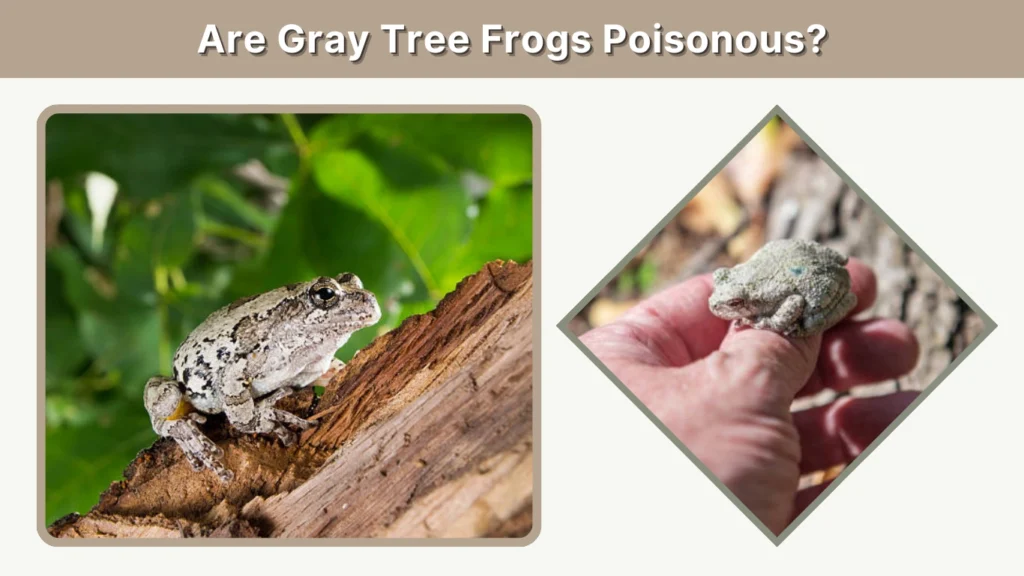
The short and clear answer is no—gray tree frogs are not poisonous to humans.
They do not produce strong poisons, venom, or toxins capable of harming people. Gray tree frogs are frequently mistaken for poisonous species simply because many amphibians rely on skin secretions for defense. However, these secretions are mild and serve a very specific purpose: discouraging predators, not injuring humans.
It’s also important to understand the difference between poisonous and venomous. Poisonous animals release toxins that cause harm when touched or eaten, while venomous animals inject toxins through bites or stings. Gray tree frogs do neither. They do not bite, sting, or inject venom.
Do Gray Tree Frogs Produce Toxins?
Yes—but only in a very mild and defensive way.
Gray tree frogs produce small amounts of skin secretions that can taste unpleasant or cause slight irritation to predators. These substances help protect them from being eaten by birds, snakes, and mammals. The chemicals act more like a deterrent than a weapon.
For humans, these secretions are generally harmless. In rare cases, sensitive individuals may experience minor skin irritation, especially if the frog is handled roughly or if the secretion gets into the eyes or mouth. This is why basic hygiene—such as washing your hands after handling a frog—is always recommended.
Unlike poison dart frogs, whose toxins are extremely potent and dangerous, gray tree frog secretions are weak and not considered toxic to people.
Can Gray Tree Frogs Harm Humans?
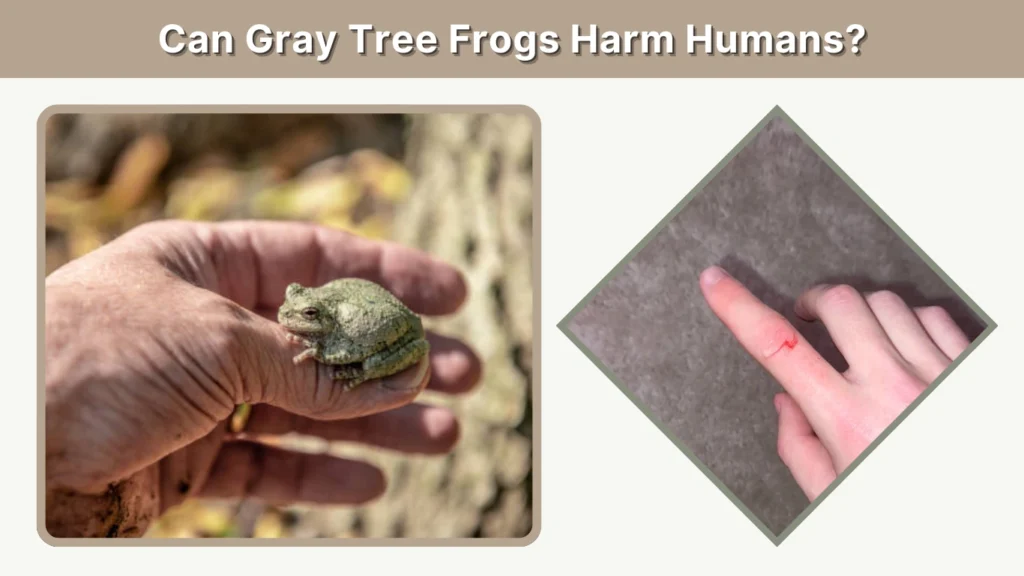
Gray tree frogs pose no real danger to humans.
They are shy, non-aggressive animals and will usually try to escape rather than defend themselves. They do not bite, scratch, or attack. The only potential issues that may occur involve mild skin irritation or eye discomfort if their secretions are transferred during handling.
Another concern people sometimes raise is disease. Like many wild animals, frogs can carry bacteria such as Salmonella. This does not make the frog dangerous, but it does mean you should avoid touching your face after handling one and always wash your hands thoroughly afterward.
For healthy adults and children, simple hygiene is enough to eliminate any risk.
Are Gray Tree Frogs Poisonous to Pets?
Gray tree frogs are not poisonous, but they can still cause mild reactions in pets—especially dogs.
If a dog or cat mouths, licks, or bites a gray tree frog, the frog’s skin secretions may cause drooling, foaming, or brief discomfort. These symptoms usually resolve quickly and are not life-threatening. Most pets learn to avoid frogs after a single unpleasant encounter.
However, if a pet shows ongoing symptoms such as vomiting, lethargy, or distress, it’s best to contact a veterinarian. This is especially important for small pets or animals with underlying health conditions.
Why Do Predators Avoid Gray Tree Frogs?
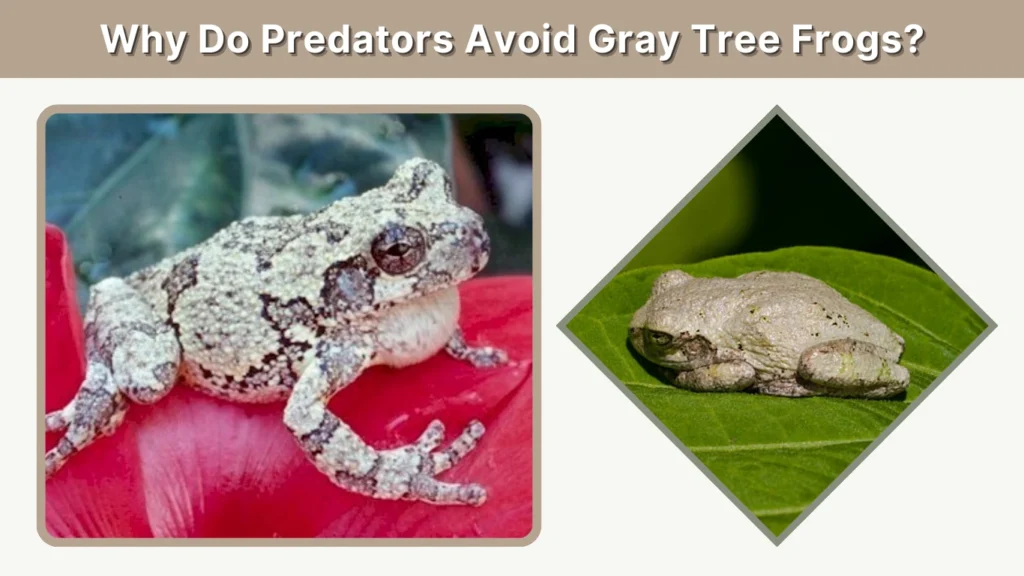
Even though gray tree frogs are not poisonous, many predators still avoid them. This is largely due to their unpleasant-tasting skin secretions, which act as a natural deterrent. When a predator attempts to eat one, the frog’s secretions can cause irritation in the mouth, encouraging the predator to release it.
In addition to chemical defense, gray tree frogs rely heavily on camouflage. Their ability to change color helps them blend into tree bark, leaves, and moss, making them difficult to spot. They also remain motionless for long periods, reducing the chance of detection.
These combined strategies—taste deterrence and camouflage—allow gray tree frogs to survive without the need for strong toxins or venom.
Common Myths About Gray Tree Frogs
There are several widespread misconceptions surrounding gray tree frogs that contribute to unnecessary fear.
One common myth is that all tree frogs are poisonous. In reality, most tree frog species, including gray tree frogs, are harmless to humans. Only a small number of frog species worldwide possess powerful toxins.
Another myth suggests that touching a frog can cause poisoning or warts. Warts are caused by viruses, not frogs, and touching a gray tree frog will not poison you. Any mild irritation is usually temporary and easily avoided with proper handwashing.
Some people also believe that frogs found near homes are dangerous pests. Gray tree frogs are actually beneficial animals that help control insect populations.
How to Safely Handle or Observe Gray Tree Frogs
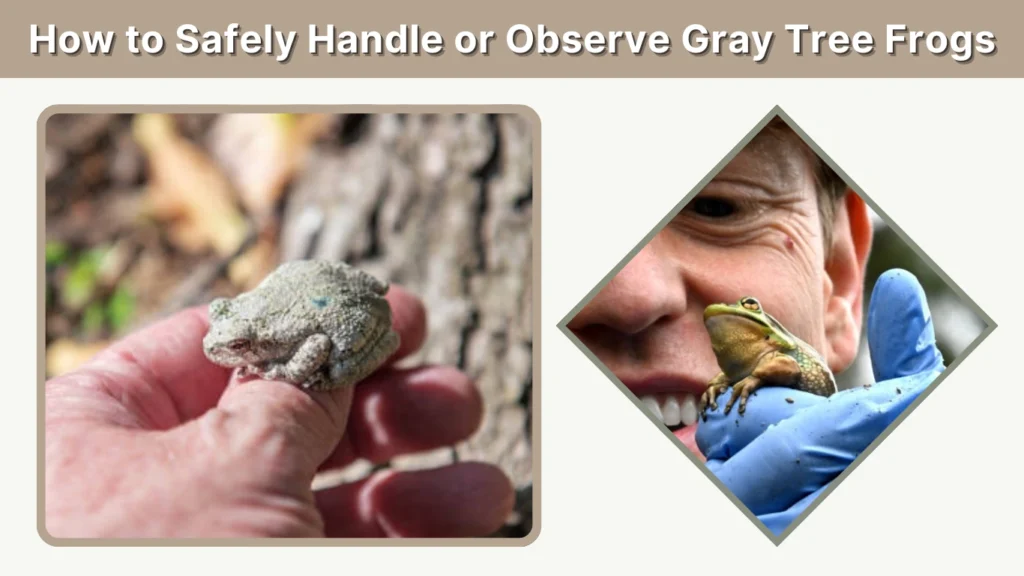
While gray tree frogs are safe, it’s best to handle them only when necessary. Their skin is highly sensitive and absorbs oils, chemicals, and residues from human hands, which can harm them.
If you must move a frog, gently use clean, wet hands or wear damp gloves. Avoid squeezing or restraining it tightly. Afterward, wash your hands thoroughly with soap and water.
Observing gray tree frogs from a distance is the safest and most ethical option. This protects both you and the frog while allowing you to enjoy wildlife responsibly.
Ecological Importance of Gray Tree Frogs
Gray tree frogs play an important role in maintaining healthy ecosystems. They help control insect populations, including mosquitoes, moths, and flies, which benefits both humans and the environment.
They also serve as prey for birds, snakes, and mammals, contributing to the natural food chain. Because amphibians are sensitive to environmental changes, the presence of gray tree frogs can indicate a healthy ecosystem.
Protecting these frogs supports biodiversity and helps maintain ecological balance.
FAQs
Are gray tree frogs venomous?
No. Gray tree frogs are neither venomous nor poisonous. They do not inject toxins and pose no serious risk to humans or animals.
Can gray tree frogs make you sick?
They do not cause illness directly, but like many reptiles and amphibians, they can carry bacteria such as Salmonella. Washing your hands after handling prevents any risk.
Are gray tree frogs safe for children?
Yes, gray tree frogs are safe for children to observe. Adults should supervise handling and ensure children wash their hands afterward.
What should I do if my dog licks a gray tree frog?
Your dog may drool or foam briefly due to the frog’s skin secretions. Rinse your dog’s mouth with clean water and monitor symptoms. Contact a veterinarian if symptoms persist.
Conclusion
Gray tree frogs are not poisonous and pose little to no danger to humans or pets. Their mild skin secretions are designed to deter predators, not harm people. With simple hygiene practices and respectful observation, these frogs can be safely enjoyed as part of the natural environment.
Rather than fearing gray tree frogs, it’s better to appreciate their role in controlling insects and supporting healthy ecosystems. They are harmless, beneficial, and fascinating creatures that deserve protection and respect.