
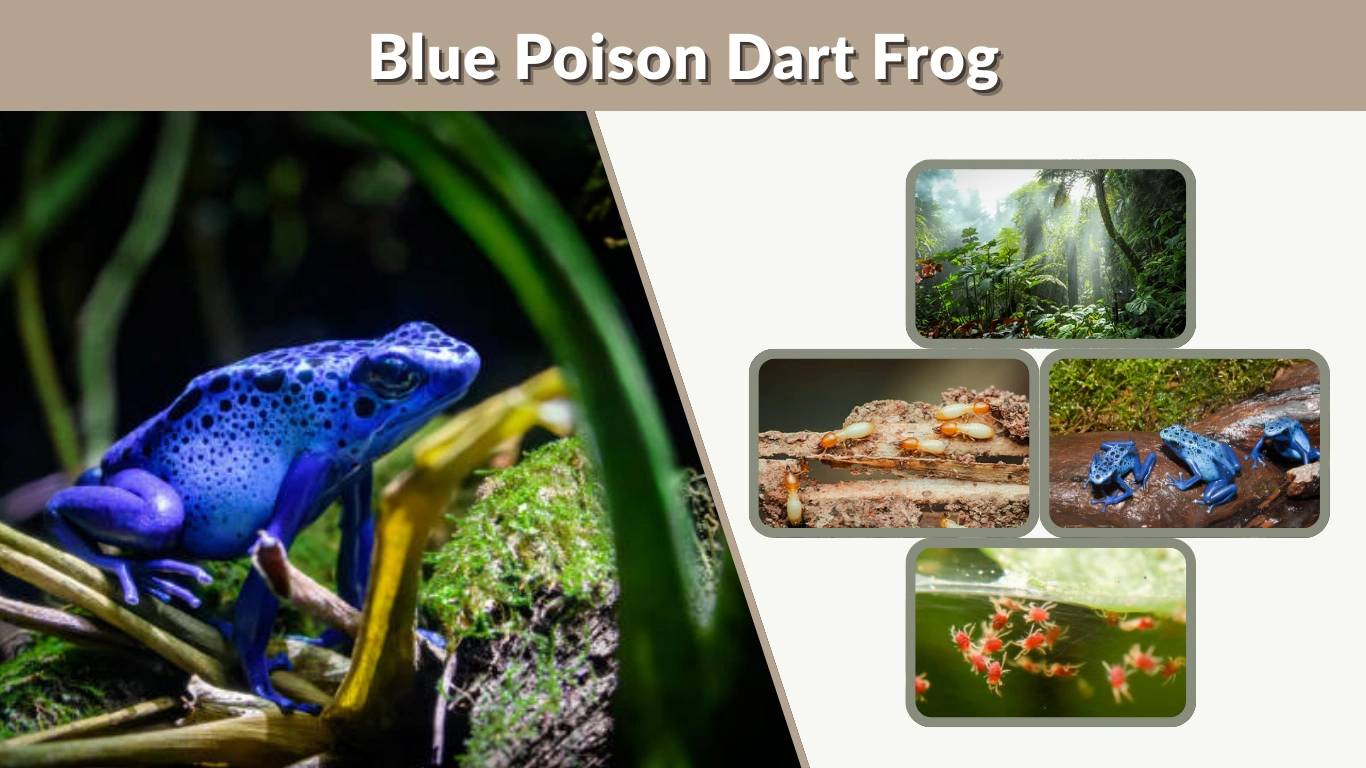
The blue poison dart frog is one of the most visually striking amphibians in the world. Known for its vivid blue skin covered in dark spots, this small frog has captured the attention of scientists, wildlife enthusiasts, and nature lovers alike. Beyond its beauty, the species is famous for its toxic skin, which serves as a powerful defense mechanism in the wild. Native to the tropical rainforests of South America, the blue poison dart frog plays an important role in its ecosystem while also highlighting the incredible diversity of amphibian life.
Despite its dangerous reputation, this frog is not aggressive and poses little threat to humans when left undisturbed. Understanding its biology, habitat, and behavior helps separate myths from facts and sheds light on why this species is so unique among frogs.
What Is a Blue Poison Dart Frog?
The blue poison dart frog is a small amphibian belonging to a group commonly known as poison dart frogs. These frogs are named after the practice of Indigenous peoples who used their toxic secretions to poison the tips of blow darts for hunting. While not all dart frogs are equally toxic, the blue poison dart frog is considered one of the more potent species in its natural environment.
This frog is best known for its intense blue coloration, which acts as a warning signal to predators. Unlike frogs that rely on camouflage, the blue poison dart frog advertises its toxicity openly, making it a classic example of warning coloration in nature.
Scientific Name and Classification
The scientific name of the blue poison dart frog is Dendrobates tinctorius. It belongs to the family Dendrobatidae, a group that includes dozens of brightly colored frog species found primarily in Central and South America. The genus Dendrobates is known for species that possess toxic skin secretions and bold color patterns.
Within its species, Dendrobates tinctorius shows some variation in color and pattern depending on geographic location, but the blue morph is among the most recognizable and studied.
Physical Appearance and Size
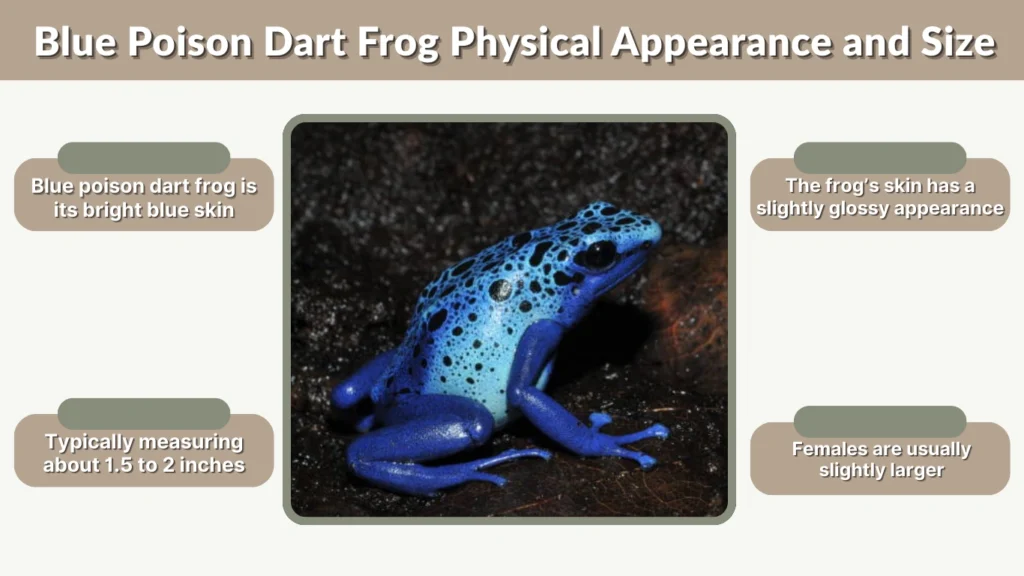
The most striking feature of the blue poison dart frog is its bright blue skin, often decorated with irregular black spots. The intensity of the blue can range from pale sky blue to deep cobalt, depending on the individual and its environment. This coloration is not just decorative; it serves as a visual warning to predators that the frog is toxic and should not be eaten.
The frog’s skin has a slightly glossy appearance, and its long, slender legs allow it to move quickly across the forest floor. Its toes are equipped with small adhesive pads, which help it climb plants and navigate slippery surfaces in its rainforest habitat.
How Big Do Blue Poison Dart Frogs Get?
Blue poison dart frogs are relatively small, typically measuring about 1.5 to 2 inches (4 to 5 centimeters) in length. Females are usually slightly larger and more robust than males, especially during the breeding season. Despite their small size, their bright coloration makes them highly visible in the dense rainforest environment.
Natural Habitat and Geographic Range
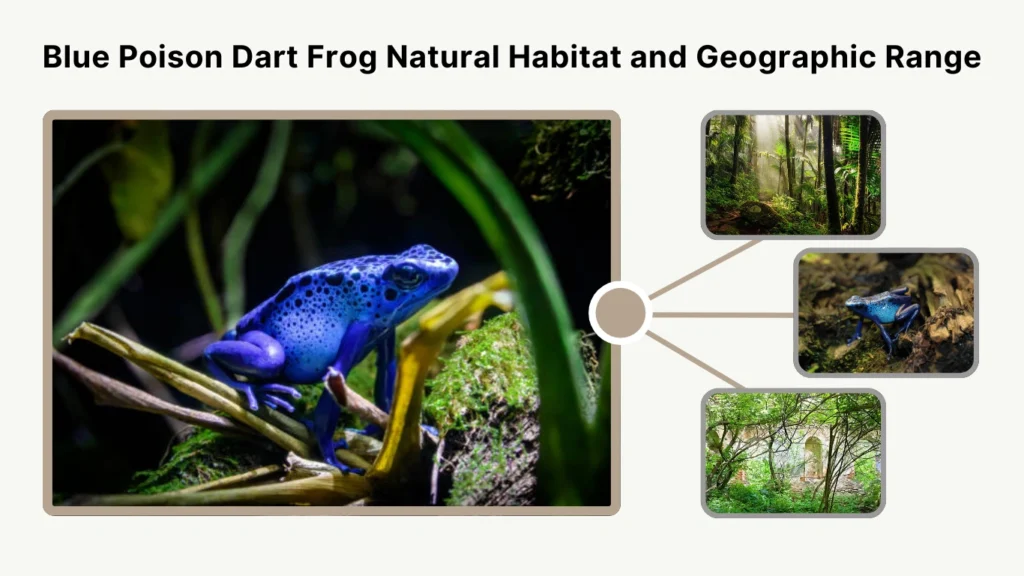
The blue poison dart frog is native to parts of South America, particularly in Suriname and surrounding regions of northern Brazil. It inhabits tropical rainforests where humidity levels are high and temperatures remain warm throughout the year. These frogs are usually found close to the forest floor, where moisture is abundant and food sources are plentiful.
Dense vegetation, constant shade, and frequent rainfall create the ideal conditions for their survival. Unlike some frogs that rely heavily on water bodies, blue poison dart frogs spend most of their lives on land, returning to water only for breeding purposes.
Rainforest Microhabitats
Within the rainforest, blue poison dart frogs prefer microhabitats such as leaf litter, fallen logs, and the bases of plants. These areas provide shelter from predators and help maintain the moisture levels their skin requires. Small pools of water, including those found in plant axils or tree holes, are essential for tadpole development.
Seasonal changes in rainfall can influence their activity levels, but they remain active year-round due to the relatively stable climate of their environment.
Diet and Feeding Behavior
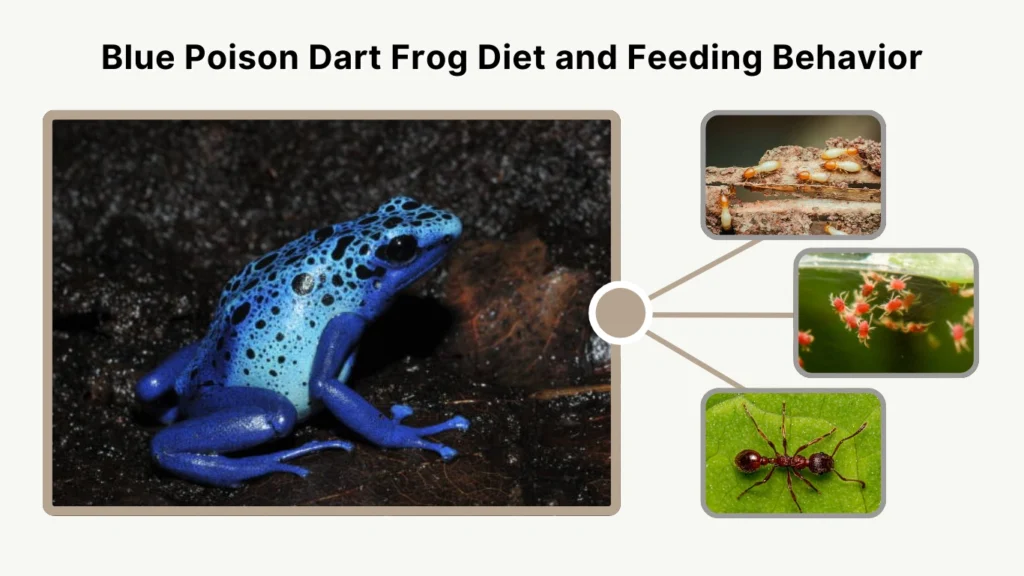
In the wild, blue poison dart frogs feed primarily on small insects and arthropods. Their diet includes ants, termites, mites, and tiny beetles. These frogs are active hunters, using their keen eyesight to detect movement and quickly capturing prey with their sticky tongues.
Feeding usually occurs during the daytime, as blue poison dart frogs are diurnal. Their small size requires frequent feeding to maintain energy levels, and their diet plays a crucial role in their overall health and survival.
How Diet Affects Poison Levels
One of the most fascinating aspects of the blue poison dart frog is the link between its diet and its toxicity. The toxins found in its skin are not produced by the frog itself but are derived from chemicals present in the insects it consumes. Ants and mites, in particular, are believed to be key sources of these toxic compounds.
Because of this, frogs raised in captivity and fed a controlled diet lack the potent toxins found in their wild counterparts.
Poison and Defense Mechanisms
The blue poison dart frog relies on chemical defense rather than physical strength or speed to survive in the wild. Its skin contains powerful toxins that can cause severe reactions in predators, including paralysis or even death in small animals. These toxins are stored in specialized skin glands and are released when the frog is threatened or handled.
The frog’s bright blue coloration works hand in hand with its toxicity. This visual warning tells potential predators that the frog is dangerous to eat, reducing the likelihood of attack. Over time, many predators have learned to associate bright colors with toxicity, allowing the blue poison dart frog to avoid confrontation altogether.
Are Blue Poison Dart Frogs Dangerous to Humans?
Although the toxins of the blue poison dart frog are potent, they pose little risk to humans under normal circumstances. The frog does not bite or inject poison, and its toxins must enter the bloodstream to cause serious harm. Simply touching a wild frog could cause skin irritation, but severe poisoning is extremely unlikely.
In captivity, blue poison dart frogs are considered harmless because their controlled diet does not provide the chemicals needed to produce toxins. This has contributed to their popularity among experienced amphibian keepers, though handling is still discouraged to protect the frog’s delicate skin.
Behavior and Daily Lifestyle
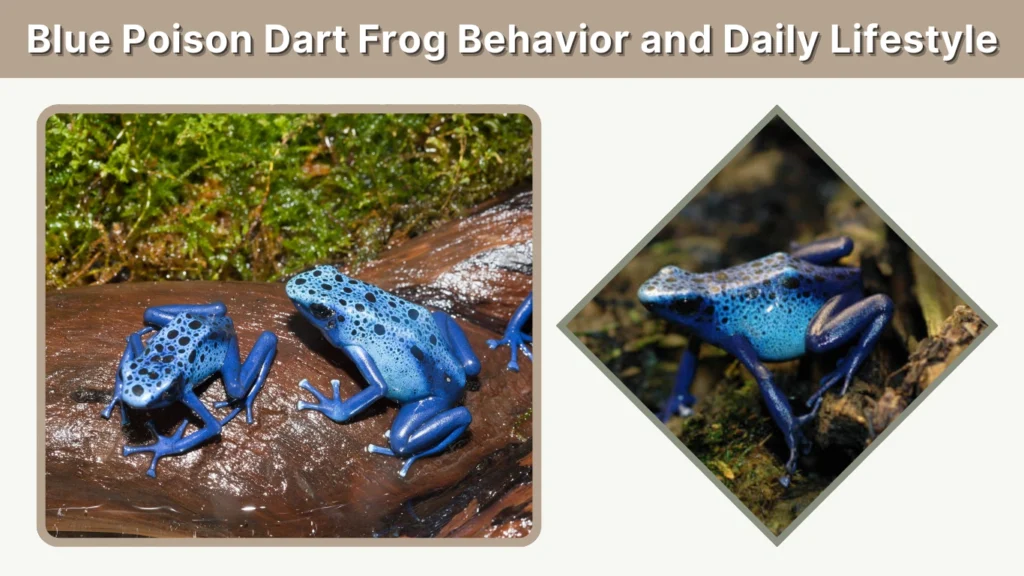
Blue poison dart frogs are active during the day, which is unusual among amphibians. Their diurnal lifestyle allows them to forage for food and interact with other frogs in their territory. Males are particularly territorial and may defend small areas on the forest floor through vocal calls and displays.
Despite their bold appearance, these frogs are generally shy and will retreat quickly if disturbed. They rely on familiarity with their environment and quick movements to navigate dense vegetation and escape potential threats.
Communication and Vocalization
Male blue poison dart frogs use soft but persistent calls to attract mates and establish territory. These calls are often heard during the breeding season and play a crucial role in reproduction. Vocal communication helps reduce physical conflict by allowing frogs to assert dominance without direct confrontation.
Reproduction and Life Cycle
Reproduction in blue poison dart frogs involves complex and fascinating behaviors. During courtship, males guide females to suitable egg-laying sites, often on moist leaves or within sheltered areas on the forest floor. Females lay small clutches of eggs, which are then fertilized by the male.
Parental care is a defining feature of this species. One or both parents may guard the eggs to keep them moist and safe from predators and fungal infections.
Tadpole Development
Once the eggs hatch, the parents transport the tadpoles to small water-filled spaces such as tree holes or plant cups. Each tadpole develops in its own isolated pool, reducing competition for food. Over several weeks, the tadpoles undergo metamorphosis, gradually developing limbs and absorbing their tails until they emerge as fully formed juvenile frogs.
Lifespan and Natural Predators
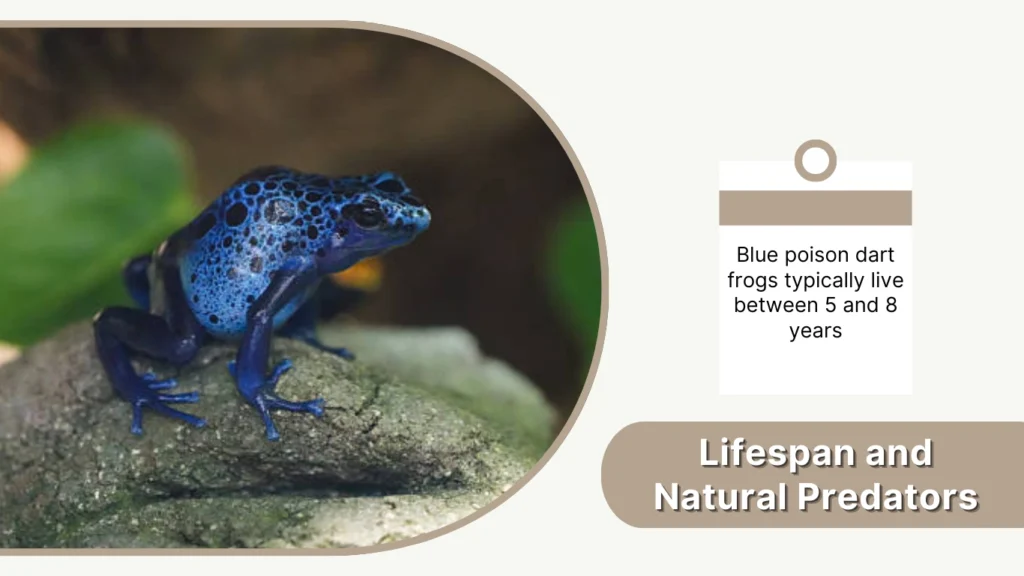
In the wild, blue poison dart frogs typically live between 5 and 8 years, though some individuals may live longer under favorable conditions. In captivity, where threats such as predators and disease are minimized, they can live up to 10 years or more with proper care.
Predators and Survival Strategies
Natural predators include snakes, birds, and certain mammals that have developed resistance to toxins. However, the frog’s bright coloration and toxic skin significantly reduce predation. This combination of visual warning and chemical defense has proven to be an effective survival strategy over millions of years.
Blue Poison Dart Frogs in Captivity
Blue poison dart frogs are sometimes kept in captivity by experienced amphibian enthusiasts. Their care requires careful attention to environmental conditions, including high humidity, warm temperatures, and a well-planted enclosure that mimics their natural habitat.
Basic Care Overview
A proper enclosure should include live plants, hiding spots, and a constant source of moisture. Feeding typically consists of small insects such as fruit flies and pinhead crickets. While captive frogs are not toxic, handling should be kept to a minimum to prevent stress and skin damage.
Conservation Status and Environmental Threats
The blue poison dart frog is not currently considered critically endangered, but its population faces increasing threats. Habitat destruction caused by deforestation is the most significant risk, reducing the available rainforest areas needed for survival. Illegal collection for the pet trade also contributes to population decline in certain regions.
Why Conservation Matters
Protecting the blue poison dart frog helps preserve the delicate balance of rainforest ecosystems. As insect predators, these frogs play an important role in controlling insect populations. Conservation efforts aimed at protecting rainforests benefit not only this species but countless others that share the same habitat.
Interesting Facts About the Blue Poison Dart Frog
Indigenous tribes have historically used the toxins of poison dart frogs for hunting, though the blue poison dart frog itself was not always the primary species used. Despite its dangerous reputation, this frog is gentle by nature and rarely aggressive. Its color patterns are unique to each individual, much like fingerprints.
Conclusion
The blue poison dart frog is a remarkable example of nature’s creativity, combining beauty, toxicity, and complex behavior in a tiny amphibian. From its vibrant coloration and specialized diet to its unique reproductive habits, this species highlights the importance of biodiversity in tropical rainforests. Understanding and protecting the blue poison dart frog ensures that future generations can continue to learn from and admire one of the world’s most fascinating amphibians.