
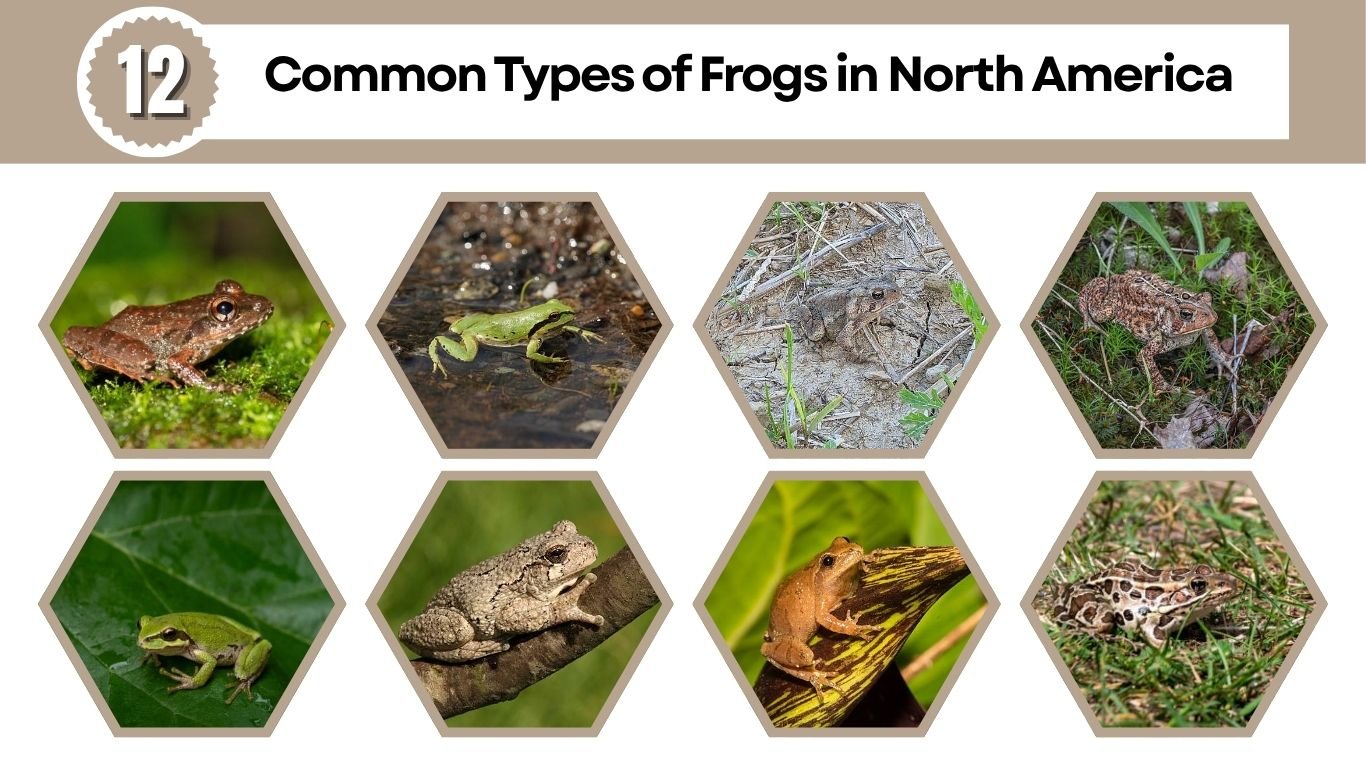
North America is home to a wide variety of frog species that live in different environments, from forests and wetlands to grasslands and urban areas. These frogs play an important role in controlling insect populations and maintaining ecological balance. In this guide, you will explore 12 common types of frogs found across North America and learn about their key features, habitats, and survival adaptations.
1. American Bullfrog
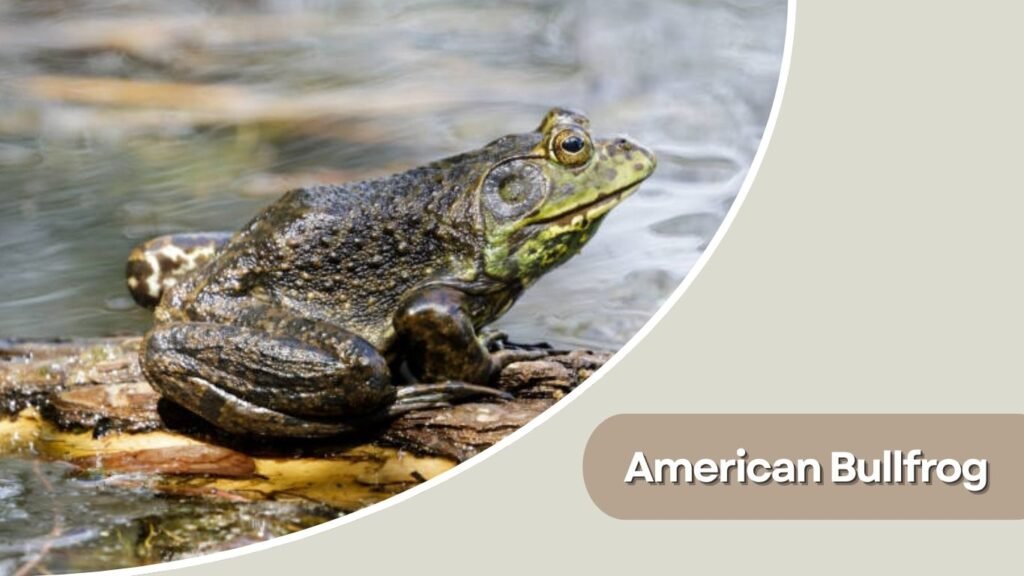
The American bullfrog is one of the most widespread and recognizable frogs in North America. It is known for its large size, powerful build, and deep, booming call. This species is highly adaptable and can be found across many regions of the continent.
Identification
- Largest frog in North America
- Green to olive-brown color
- Smooth skin with occasional dark spots
- Large eardrum (tympanum) behind the eye
- Males have a yellow throat
Diet
American bullfrogs are opportunistic predators with a very broad diet. They eat insects, fish, small birds, rodents, and even other frogs. Their strong jaws and ambush hunting style allow them to capture a wide range of prey in different environments.
Habitat
This frog is found throughout much of North America in freshwater habitats such as lakes, rivers, swamps, and wetlands. It prefers areas with still or slow-moving water and plenty of vegetation, but it can adapt to various conditions.
Life Cycle & Survival
American bullfrogs lay eggs in water, where tadpoles develop over one to two years before becoming adults. They survive by using camouflage, staying close to water, and quickly escaping into it when threatened. Their adaptability helps them thrive across North America.
2. Green Frog
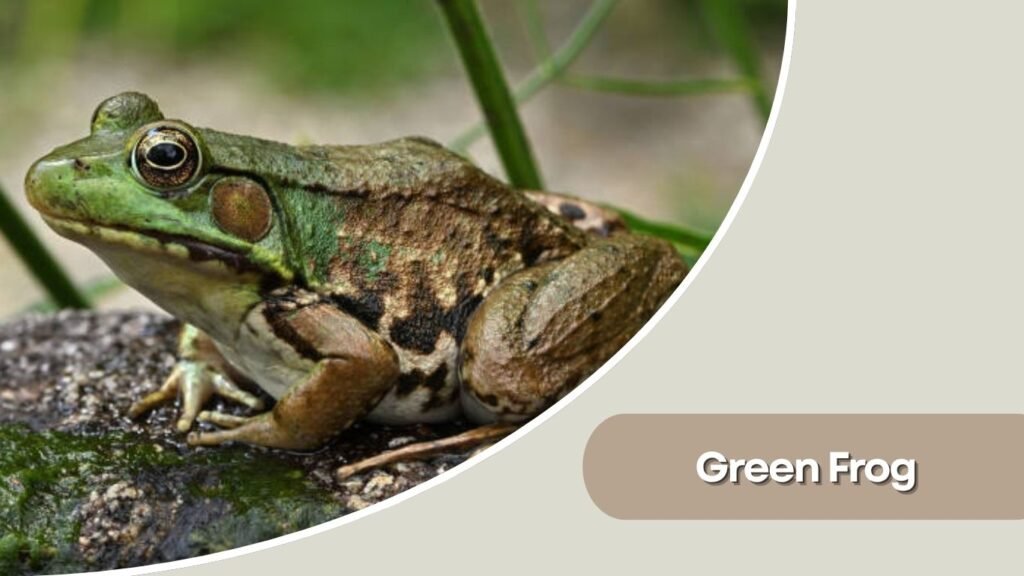
The green frog is a common species found across much of North America. It is well adapted to a variety of freshwater environments and is often recognized by its distinctive call that sounds like a loose banjo string.
Identification
- Medium-sized frog
- Green, brown, or bronze color
- Prominent ridge running from the eye down the back
- Smooth skin
- Males often have a yellow throat
Diet
Green frogs mainly eat insects such as flies, beetles, and mosquitoes. They may also consume small fish, tadpoles, and worms. Their feeding habits help maintain ecological balance by controlling insect populations.
Habitat
Green frogs live in ponds, lakes, marshes, and slow-moving streams across North America. They prefer areas with abundant vegetation and are usually found near the edges of water where they can easily hide and hunt.
Life Cycle & Survival
Green frogs lay eggs in freshwater, where tadpoles develop over several months to a year. They survive by staying near water, using camouflage, and quickly escaping predators by jumping into water or hiding in plants.
3. Northern Leopard Frog
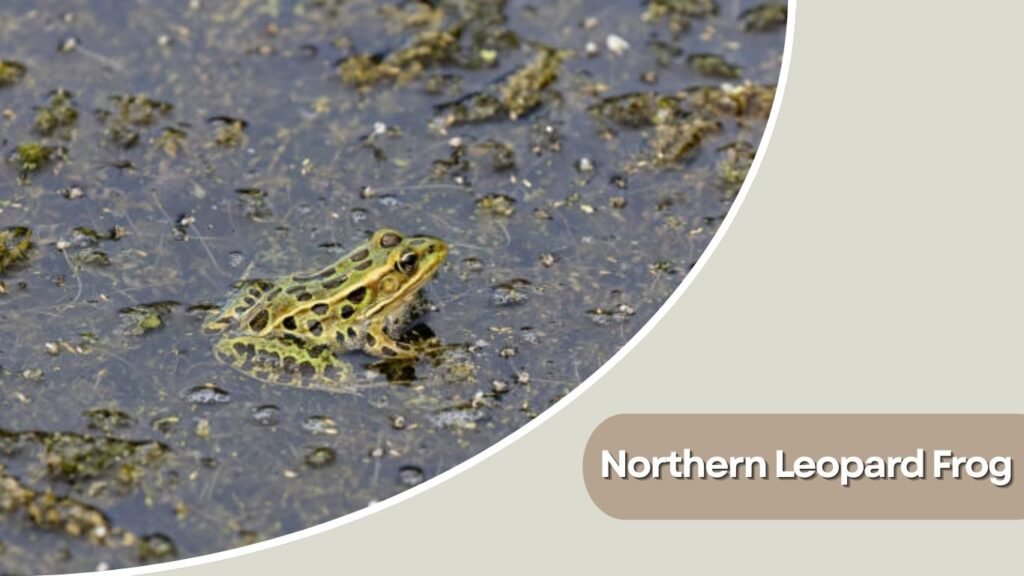
The northern leopard frog is a widely distributed species in North America, known for its spotted pattern and graceful movements. It is commonly found in open areas near freshwater habitats.
Identification
- Medium-sized, slender body
- Green or brown color with dark round spots
- Light underside
- Long hind legs for jumping
- Smooth, moist skin
Diet
Northern leopard frogs feed on insects like ants, flies, and beetles. They also eat worms and small invertebrates. Their quick reflexes and strong legs help them catch prey both on land and near water.
Habitat
This species is found in grasslands, wetlands, and areas near lakes and streams across North America. They prefer clean water and open spaces with vegetation, allowing them to move easily between land and water.
Life Cycle & Survival
Northern leopard frogs lay eggs in water, where tadpoles grow and transform within a few months. They survive by using their spotted camouflage, strong jumping ability, and quick escape into water when threatened.
4. Pickerel Frog
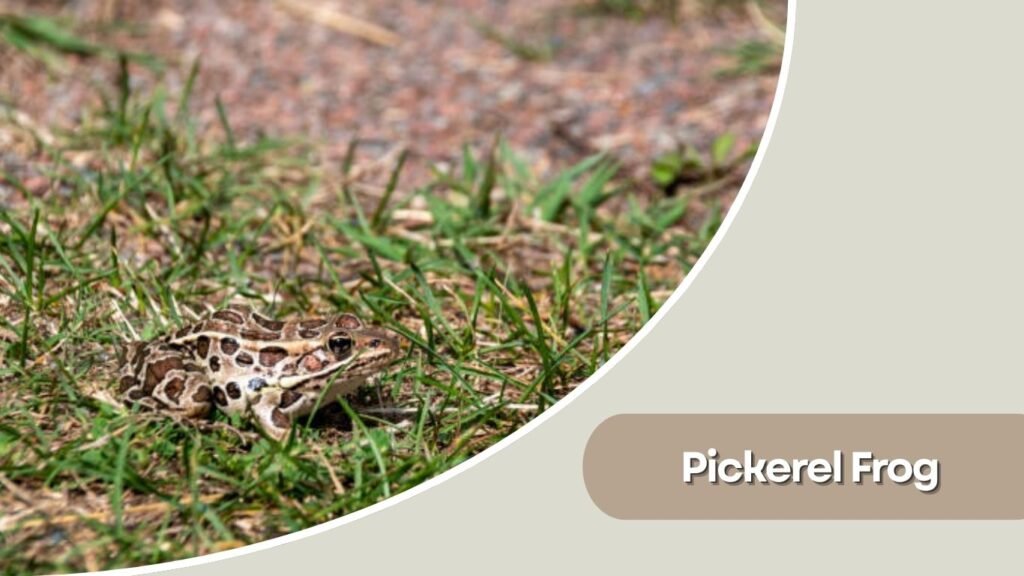
The pickerel frog is a native North American species known for its neat rows of dark spots and preference for cool, clean environments. It is commonly found in the eastern regions of the continent.
Identification
- Medium-sized frog
- Light brown or tan body
- Two rows of dark square spots on the back
- Smooth skin
- Strong hind legs
Diet
Pickerel frogs mainly feed on insects such as beetles, ants, and flies. They may also eat spiders and small invertebrates. Their diet helps control insect populations in their natural habitats.
Habitat
This frog is found in eastern North America in habitats like streams, ponds, wetlands, and wooded areas. It prefers cool, clear water and is often seen near shorelines or damp environments.
Life Cycle & Survival
Pickerel frogs lay eggs in water, where tadpoles develop into adults. They survive by staying close to moist areas, using camouflage, and secreting a mild toxin from their skin to deter predators.
5. Wood Frog
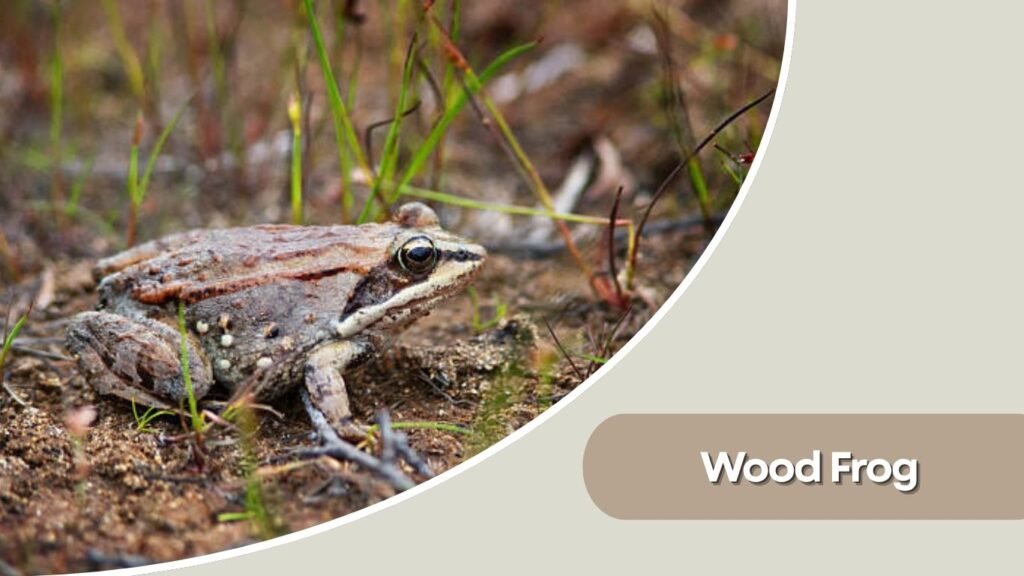
The wood frog is a unique North American species known for its ability to survive freezing temperatures. It is widely distributed, especially in northern regions, and plays an important role in forest ecosystems.
Identification
- Medium-sized frog
- Brown, tan, or reddish color
- Dark mask-like marking across the eyes
- Smooth skin
- Slender body
Diet
Wood frogs eat insects such as beetles, flies, and ants, along with worms and other small invertebrates. Their diet depends on seasonal availability and helps maintain ecological balance.
Habitat
Wood frogs are found across North America in forests, wetlands, and areas near temporary ponds. They prefer moist environments and are often seen on the forest floor or near breeding sites.
Life Cycle & Survival
Wood frogs lay eggs in shallow water during early spring. Tadpoles grow quickly before water sources dry up. They survive harsh winters by freezing and thawing, along with using camouflage to avoid predators.
6. Spring Peeper
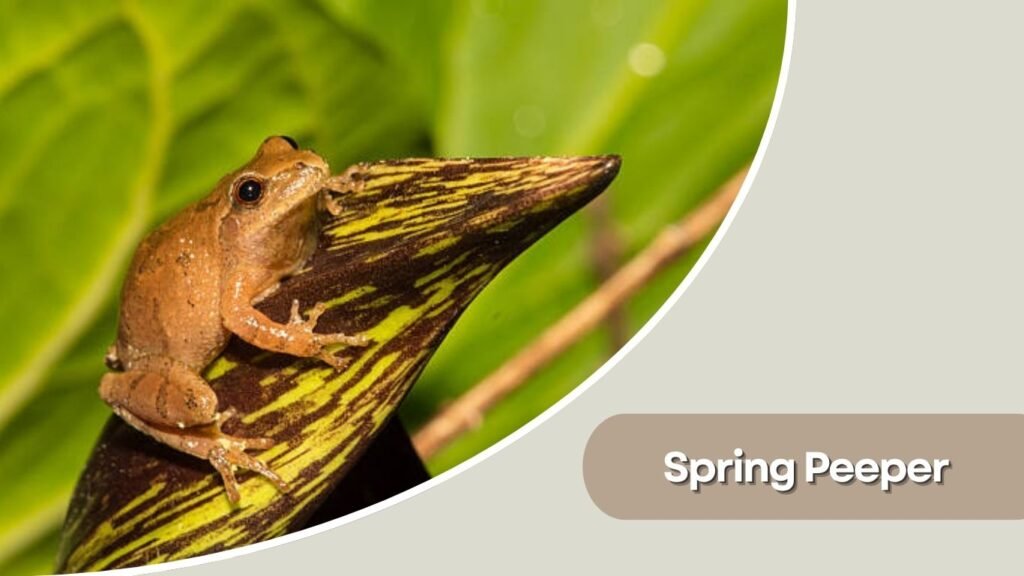
The spring peeper is a small and well-known frog in North America, famous for its high-pitched peeping call that signals the arrival of spring. Despite its tiny size, it is widely heard across many regions.
Identification
- Very small frog
- Light brown or tan color
- Dark X-shaped marking on the back
- Smooth skin
- Large toe pads for climbing
Diet
Spring peepers mainly eat small insects such as ants, beetles, and flies. They also consume tiny invertebrates found in moist environments. Their small size limits their prey, but they play an important role in controlling insect populations.
Habitat
This species is found across eastern North America in forests, wetlands, and near temporary water bodies. They prefer moist, wooded areas and are often found in vegetation close to breeding sites.
Life Cycle & Survival
Spring peepers lay eggs in shallow water, where tadpoles develop into frogs within a few months. They survive by hiding in vegetation, using camouflage, and staying active during warmer, wetter conditions.
7. Gray Treefrog
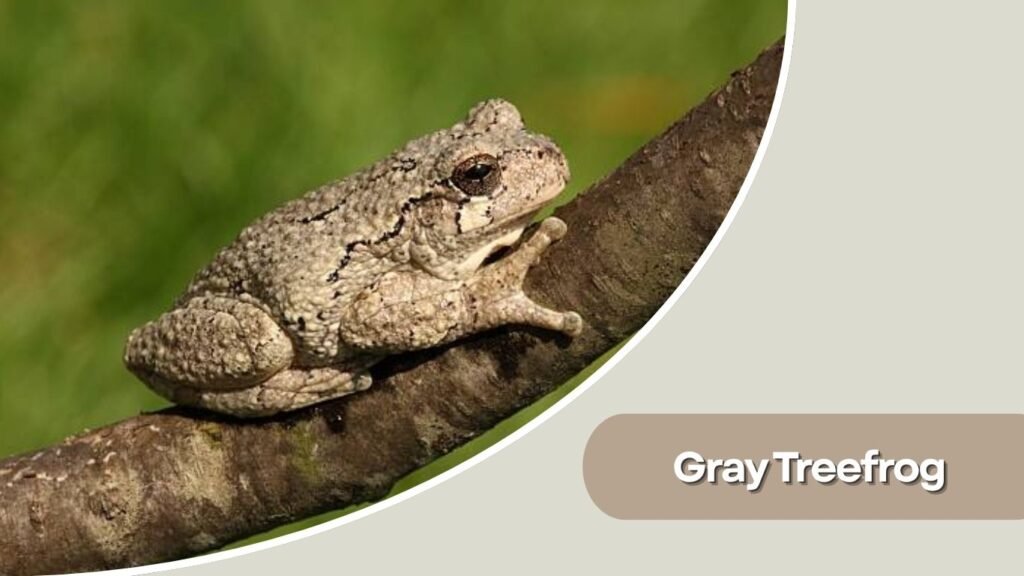
The gray treefrog is a common North American species known for its excellent camouflage and climbing ability. It can change its color to blend with its surroundings, making it difficult to spot.
Identification
- Small to medium-sized frog
- Gray, green, or brown color (can change color)
- Rough, slightly bumpy skin
- Large toe pads for climbing
- Light underside with some markings
Diet
Gray treefrogs feed on insects such as moths, flies, and beetles. They also eat spiders and other small invertebrates. Their nighttime hunting habits make them effective insect predators.
Habitat
Gray treefrogs are found in forests, woodlands, and suburban areas across North America. They live in trees and shrubs but stay near water sources during breeding season.
Life Cycle & Survival
They lay eggs in ponds or temporary water bodies. Tadpoles develop quickly before becoming adults. Their survival depends on camouflage, climbing ability, and staying hidden during the day to avoid predators.
8. Pacific Treefrog
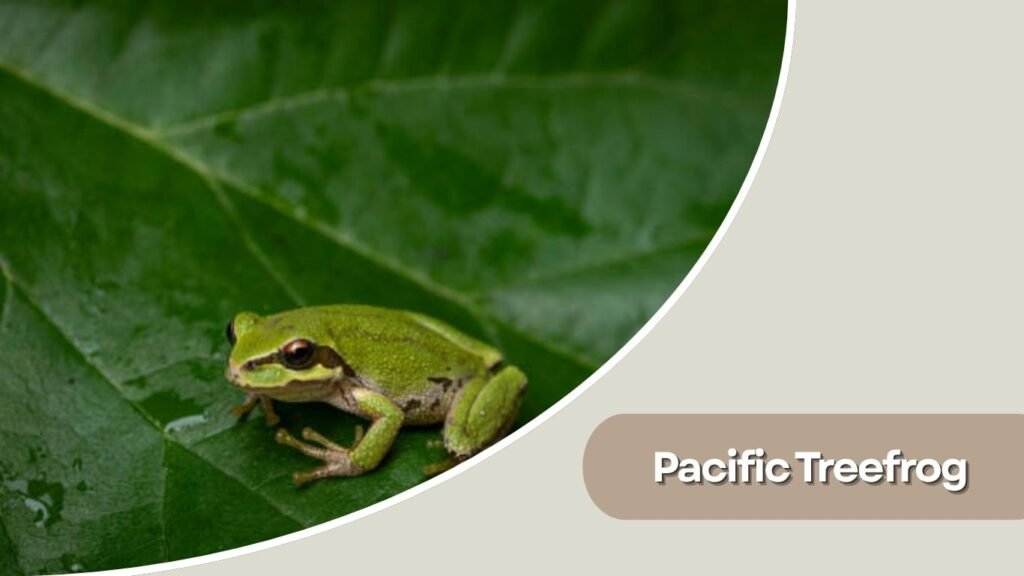
The Pacific treefrog is a widely distributed species in western North America. It is known for its adaptability and distinctive “ribbit” call often heard in movies and nature sounds.
Identification
- Small-sized frog
- Green or brown color
- Dark stripe running from the nose through the eye
- Smooth skin
- Sticky toe pads for climbing
Diet
Pacific treefrogs eat insects such as flies, beetles, and mosquitoes. They also consume small spiders and other invertebrates. Their diet helps reduce insect populations in their habitats.
Habitat
This frog is found in forests, grasslands, wetlands, and even urban areas across western North America. It prefers areas near water but can travel away from it during non-breeding seasons.
Life Cycle & Survival
Pacific treefrogs lay eggs in shallow water. Tadpoles develop and transform into frogs within a few months. They survive by using camouflage, adapting to different environments, and staying active in moist conditions.
9. American Toad
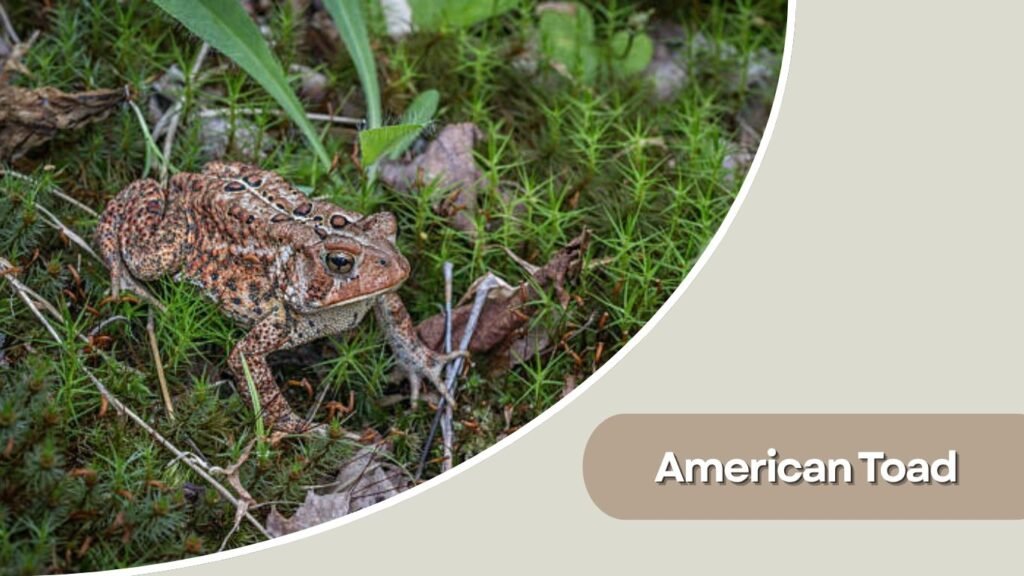
The American toad is a common amphibian found across eastern and central North America. It is easily recognized by its rough, warty skin and is often seen in gardens, forests, and near water.
Identification
- Medium-sized body
- Brown, gray, or olive color
- Dry, warty skin
- Large parotoid glands behind the eyes
- Short legs compared to frogs
Diet
American toads feed mainly on insects such as beetles, ants, and worms. They also eat slugs and other small invertebrates. Their diet makes them beneficial for controlling garden pests.
Habitat
This species lives in forests, fields, gardens, and areas near water across North America. It prefers moist environments but can also survive in drier places by staying hidden during the day.
Life Cycle & Survival
American toads lay eggs in long strings in water. Tadpoles develop and transform into toads within weeks. They survive by burrowing, using camouflage, and secreting toxins from their skin to deter predators.
10. Fowler’s Toad
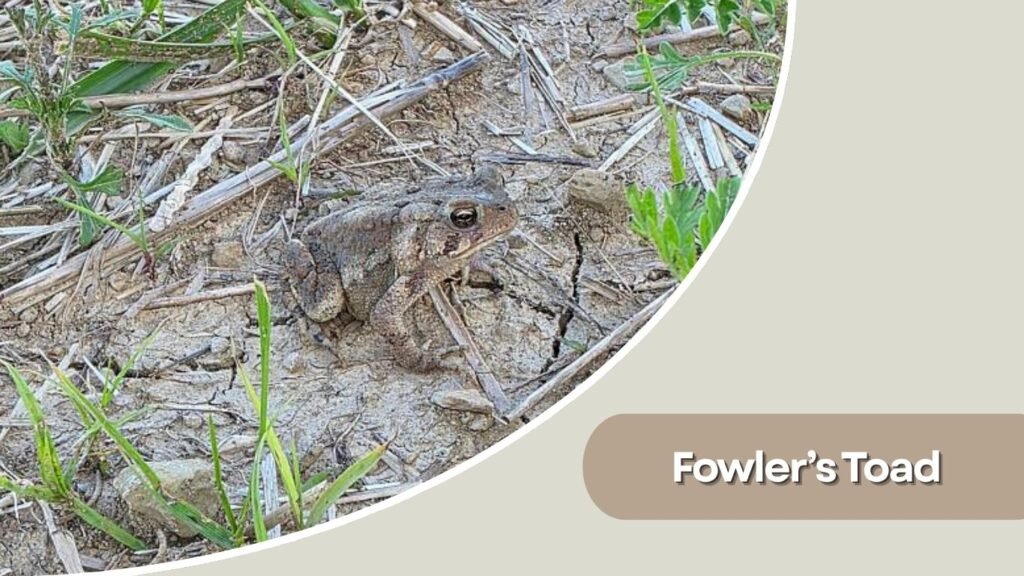
Fowler’s toad is a common species found in eastern North America. It is often seen in sandy or loose soil areas and is closely related to the American toad, though it has some distinct features.
Identification
- Medium-sized body
- Gray or brown color
- Dry, warty skin
- Dark spots with multiple warts inside each spot
- Prominent glands behind the eyes
Diet
Fowler’s toads feed mainly on insects such as ants, beetles, and flies. They also eat small invertebrates like worms. Their feeding habits help control insect populations in their environment.
Habitat
This species is found in sandy areas, fields, forests, and near water bodies across eastern North America. It prefers loose soil where it can easily burrow and hide during the day.
Life Cycle & Survival
Fowler’s toads lay eggs in water, where tadpoles develop into young toads. They survive by burrowing into soil, using camouflage, and secreting toxins to protect themselves from predators.
11. Chorus Frog
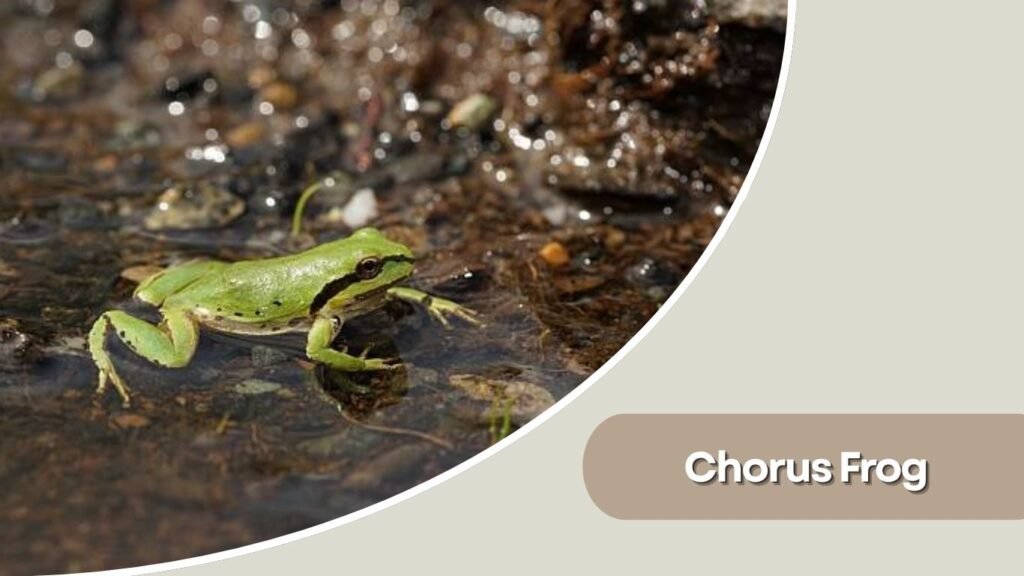
Chorus frogs are small frogs found widely across North America. They are named for their loud, chorus-like calls that are often heard during the breeding season in spring.
Identification
- Small-sized frog
- Brown, gray, or green color
- Dark stripes running along the body
- Smooth skin
- Slender body
Diet
Chorus frogs eat small insects such as ants, flies, and beetles. They also consume tiny invertebrates found in moist environments. Their diet helps keep insect populations under control.
Habitat
Chorus frogs live in grasslands, wetlands, forests, and near temporary water bodies across North America. They prefer moist areas and are often found in vegetation close to breeding sites.
Life Cycle & Survival
They lay eggs in shallow water, where tadpoles develop quickly. Chorus frogs survive by staying hidden in vegetation, using camouflage, and being active during suitable weather conditions.
12. Cricket Frog
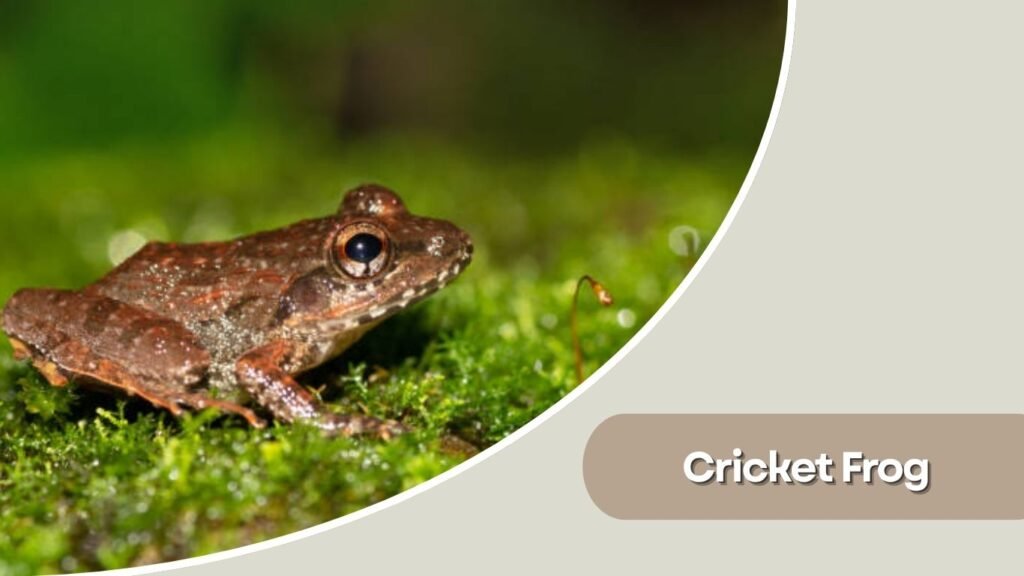
The cricket frog is a small, active frog found in parts of North America. It is known for its quick movements and sharp, clicking call that resembles the sound of crickets.
Identification
- Small-sized frog
- Brown, gray, or green color
- Dark triangular marking between the eyes
- Rough skin texture
- Long legs for jumping
Diet
Cricket frogs feed on tiny insects such as mosquitoes, flies, and ants. They also eat small aquatic organisms. Their diet plays a role in controlling insect populations near water.
Habitat
This species is found near ponds, streams, and wetlands in North America. It prefers shallow water edges with mud or sand and areas with sunlight.
Life Cycle & Survival
Cricket frogs lay eggs in water, where tadpoles grow and develop into adults. They survive by using their speed, quick jumps, and camouflage to escape predators and adapt to their surroundings.
FAQs
What are the most common frogs in North America?
Some of the most common frogs in North America include the American bullfrog, green frog, northern leopard frog, and spring peeper. These species are widely distributed and can adapt to different environments such as wetlands, forests, and even suburban areas.
Where do frogs live in North America?
Frogs in North America live in a variety of habitats including ponds, lakes, forests, wetlands, grasslands, and streams. Most species stay near water because they need moisture to survive and breed, though some can move onto land for parts of the year.
What do North American frogs eat?
Most frogs in North America eat insects like flies, beetles, and mosquitoes. Larger species may also eat small fish, tadpoles, or even other frogs. Their diet helps control pests and supports the balance of local ecosystems.
Are frogs in North America dangerous to humans?
Most frogs in North America are harmless to humans. Some, like toads, can secrete mild toxins from their skin, but these are mainly for defense against predators and are not dangerous unless handled improperly or ingested.
Why are frogs important in North America?
Frogs are important because they help control insect populations and serve as food for many animals. They are also indicators of environmental health, as changes in frog populations can signal problems in ecosystems such as pollution or habitat loss.