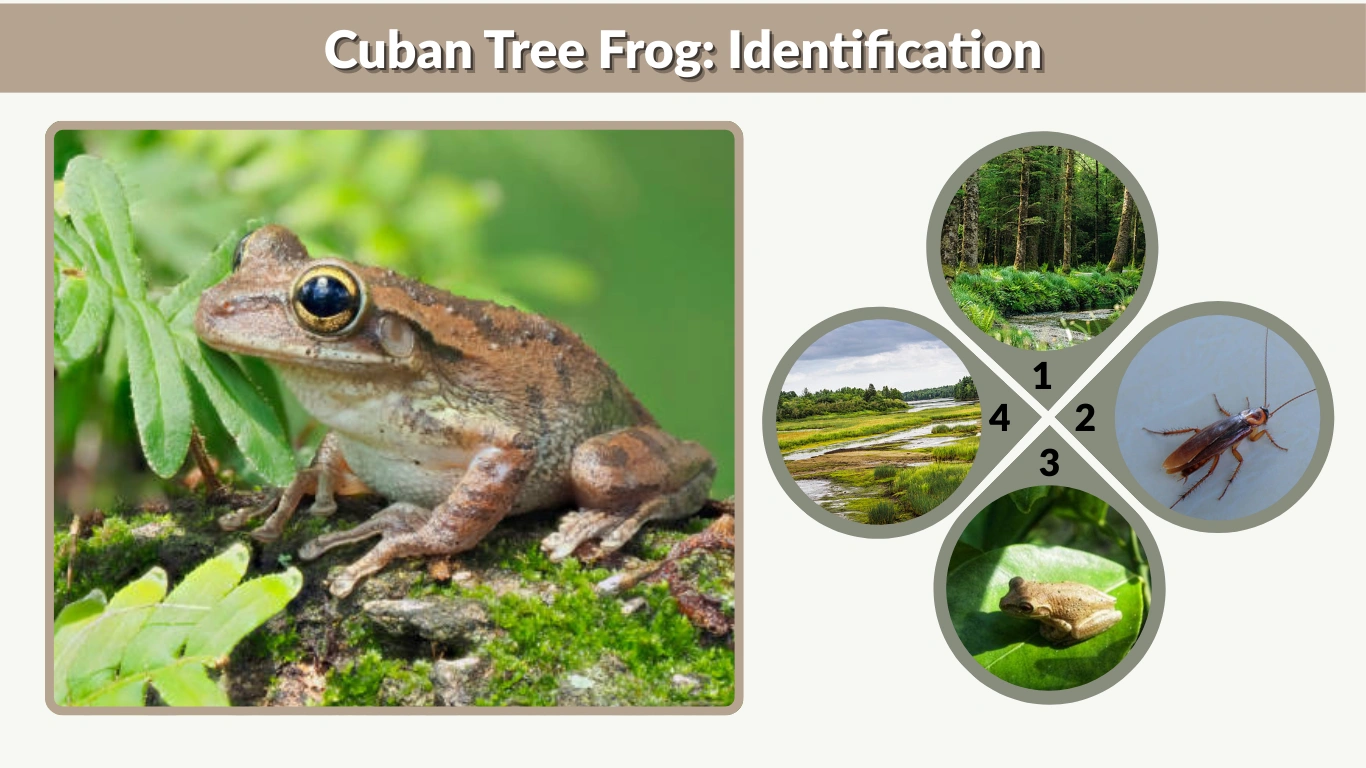
The Cuban tree frog is one of the most recognizable frog species in the southeastern United States, especially in Florida, where it has become widely established. Known for its large size and adaptability, this frog often draws attention from homeowners, gardeners, and wildlife enthusiasts alike. While it may appear harmless at first glance, the Cuban tree frog is considered an invasive species that poses a serious threat to native wildlife. Understanding how to identify this frog, where it lives, and how it behaves is essential for protecting local ecosystems. This article explores the Cuban tree frog’s characteristics, habitat, diet, and behavior, helping readers recognize its impact and understand why proper management is important.
What Is a Cuban Tree Frog?
The Cuban tree frog (Osteopilus septentrionalis) is the largest tree frog species found in North America. It belongs to the family Hylidae, which includes many well-known tree frogs. Native to Cuba, the Bahamas, and the Cayman Islands, this species was accidentally introduced to the United States in the early 20th century, most likely through cargo shipments.
What makes the Cuban tree frog particularly successful is its ability to adapt to a wide range of environments. Unlike many native frogs that require specific habitats, Cuban tree frogs thrive in both natural and urban settings. Because they reproduce quickly and prey on native species, they are classified as an invasive species in areas where they have been introduced.
How to Identify a Cuban Tree Frog
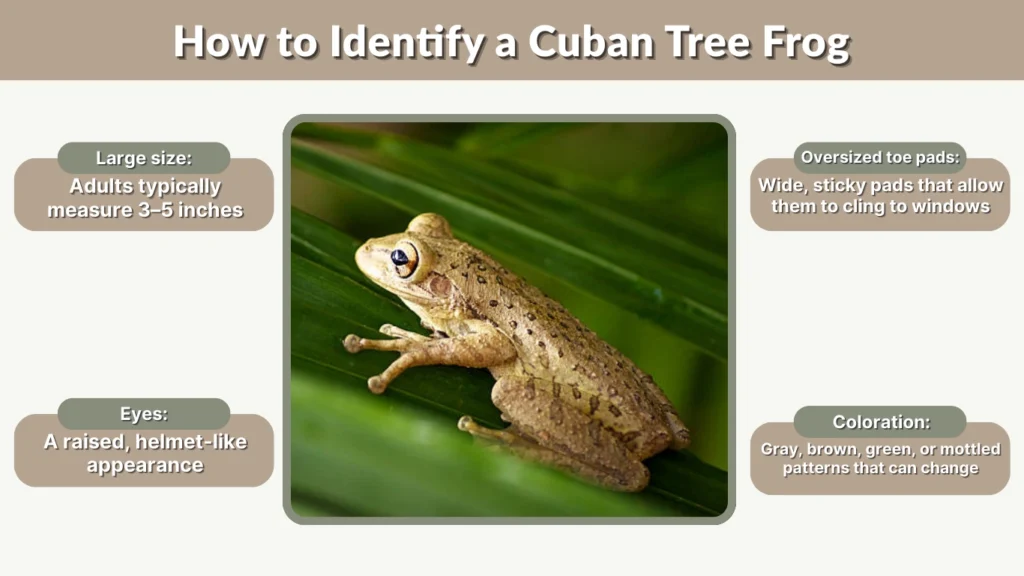
Identifying a Cuban tree frog is important because it is often confused with native tree frog species. While color alone is unreliable, several physical traits make this frog easier to recognize. Cuban tree frogs are noticeably larger and more robust than most native frogs and are commonly found around homes and buildings.
Key identification features include:
- Large size: Adults typically measure 3–5 inches, making them the largest tree frogs in the area
- Oversized toe pads: Wide, sticky pads that allow them to cling to windows, walls, and glass
- Warty or bumpy skin: Rough texture compared to smoother native tree frogs
- Bony ridge over the eyes: A raised, helmet-like appearance
- Variable coloration: Gray, brown, green, or mottled patterns that can change with conditions
- Urban presence: Frequently found in patios, light fixtures, utility boxes, and garages
Correct identification helps prevent harm to native species and supports responsible management efforts.
Cuban Tree Frog Habitat and Distribution
Native Range
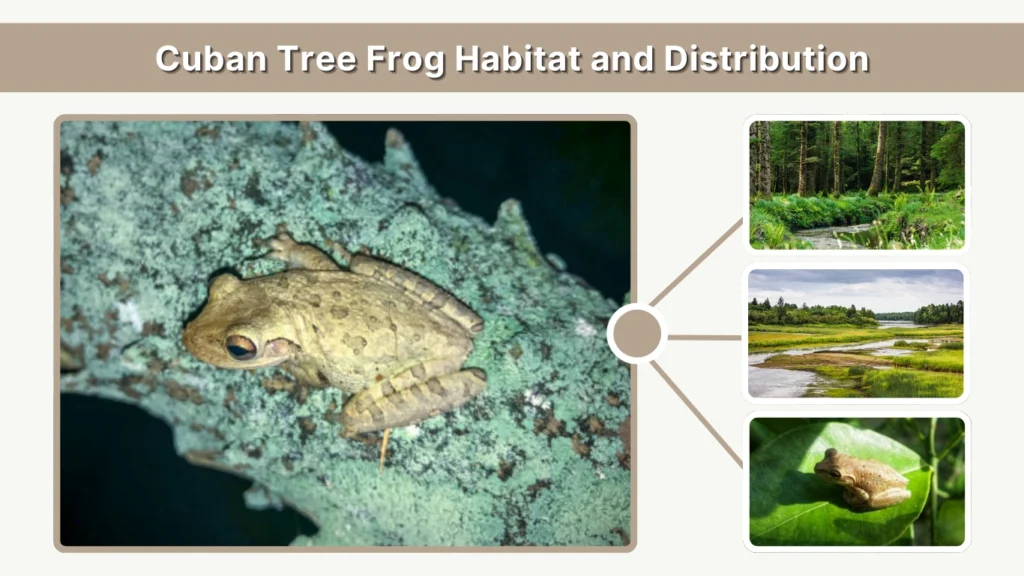
In their native environment, Cuban tree frogs are found throughout Cuba, the Bahamas, and the Cayman Islands. They naturally inhabit forests, wetlands, and areas near freshwater sources, where they can find shelter and food.
Introduced and Invasive Range
Outside their native range, Cuban tree frogs are now firmly established in Florida and have been reported in parts of Georgia, Alabama, and other nearby states. Florida’s warm climate closely matches their native conditions, allowing populations to grow rapidly. They often spread through human activity, hiding in vehicles, potted plants, and shipping materials.
Preferred Living Environments
Cuban tree frogs are highly adaptable and are just as comfortable living near humans as they are in the wild. They are commonly found around homes, gardens, patios, and garages. These frogs frequently hide in utility boxes, gutters, mailboxes, and outdoor light fixtures, where insects gather at night. Their ability to exploit human-made structures gives them a major advantage over native species.
Diet and Feeding Behavior of Cuban Tree Frogs
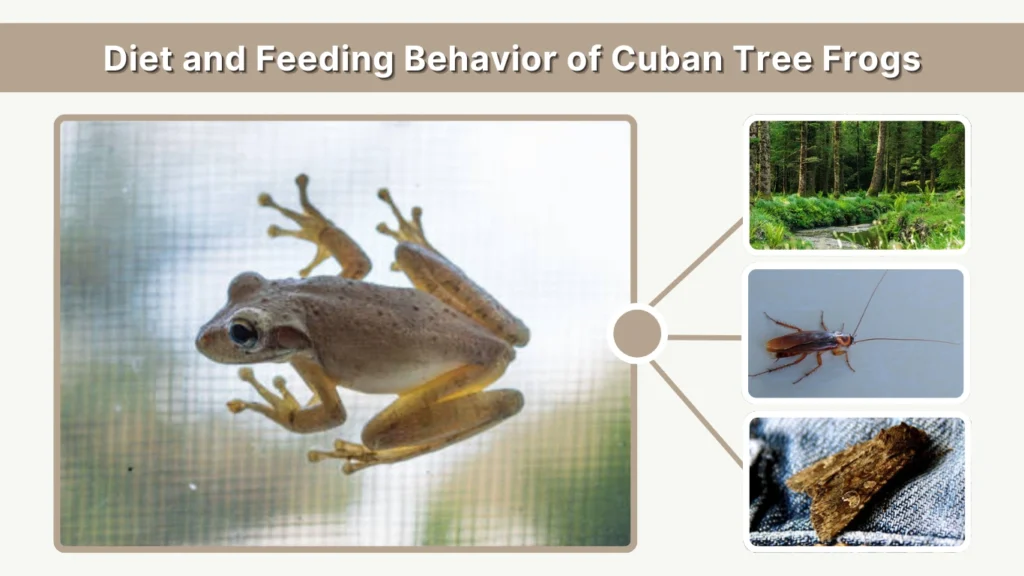
What Do Cuban Tree Frogs Eat?
Cuban tree frogs are aggressive and opportunistic predators. Their diet includes a wide range of insects such as roaches, moths, beetles, and crickets. However, they do not stop there. These frogs are known to eat other frogs, including smaller Cuban tree frogs and native tree frog species.
They also prey on small reptiles like lizards and geckos, making them a serious threat to local wildlife. This broad diet contributes significantly to their negative impact on native ecosystems.
Hunting and Feeding Patterns
Cuban tree frogs are primarily nocturnal, becoming active after sunset when insects are most abundant. They often hunt near porch lights and streetlights, using their size and strength to overpower prey. Their feeding habits reduce populations of native frogs and reptiles, disrupting the natural balance of the ecosystem.
Behavior and Lifestyle
Cuban tree frogs are primarily nocturnal, meaning they are most active at night. During the day, they seek shelter in cool, dark, and moist places to avoid heat and dehydration. Common hiding spots include tree cavities, potted plants, sheds, and even household structures such as electrical boxes and pipes. Their ability to climb smooth surfaces allows them to access areas that many other frogs cannot.
These frogs are highly adaptable and tolerant of human activity. Unlike more sensitive native species, Cuban tree frogs thrive in disturbed environments. They are also known for their aggressive feeding behavior and will readily compete with, or prey upon, other amphibians. Seasonal changes influence their activity levels, with increased movement and feeding during warmer, wetter months.
Cuban Tree Frog Call and Communication
One of the most noticeable behaviors of the Cuban tree frog is its loud call, particularly during the breeding season. Male Cuban tree frogs produce a raspy, low-pitched call that is often compared to the sound of a snoring or creaking door. This call is used to attract females and establish territory among other males.
Calling typically occurs at night, especially after heavy rainfall when breeding conditions are ideal. Because their call is louder and deeper than that of most native tree frogs, it can sometimes help with identification. In residential areas, frequent calling can become a nuisance, drawing attention to the frog’s presence.
Lifespan and Reproduction
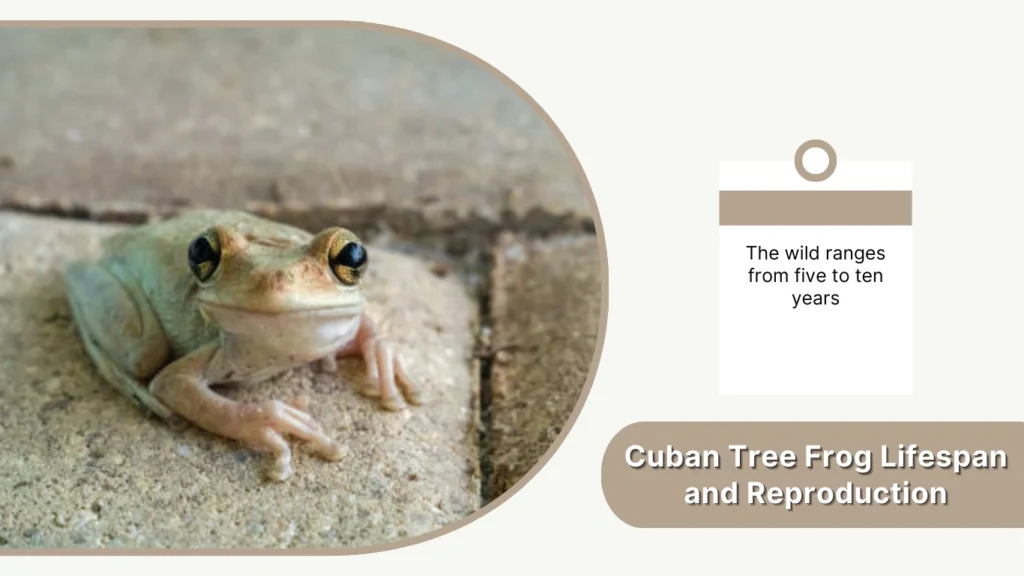
Lifespan in the Wild
The average lifespan of a Cuban tree frog in the wild ranges from five to ten years, depending on environmental conditions and predation risks. Their relatively long lifespan, combined with high reproductive output, contributes to their success as an invasive species. In urban environments where predators are limited, individuals may survive even longer.
Breeding and Egg Development
Cuban tree frogs breed during warm, rainy periods, which often occur in late spring and summer. Females lay large clusters of eggs in still or slow-moving water, such as ponds, ditches, and temporary pools. A single female can lay thousands of eggs at a time.
The eggs hatch into tadpoles within a few days. These tadpoles grow quickly and can tolerate poor water quality better than many native species. Their rapid development allows them to outcompete native tadpoles for food and space, further increasing their impact on local ecosystems.
Are Cuban Tree Frogs Dangerous?
Toxic Skin Secretions
Cuban tree frogs produce a milky skin secretion that serves as a defense against predators. This substance is not deadly to humans but can cause irritation. The toxin is particularly harmful to native predators that are not adapted to it, giving Cuban tree frogs another survival advantage.
Risks to Humans and Pets
While Cuban tree frogs are not aggressive toward people, direct handling can cause skin or eye irritation if the secretion comes into contact with sensitive areas. Pets, especially dogs and cats, may experience excessive drooling, vomiting, or discomfort if they bite or mouth a frog. For this reason, it is best to avoid direct contact and wash hands thoroughly if contact occurs.
Cuban Tree Frog vs Native Tree Frogs
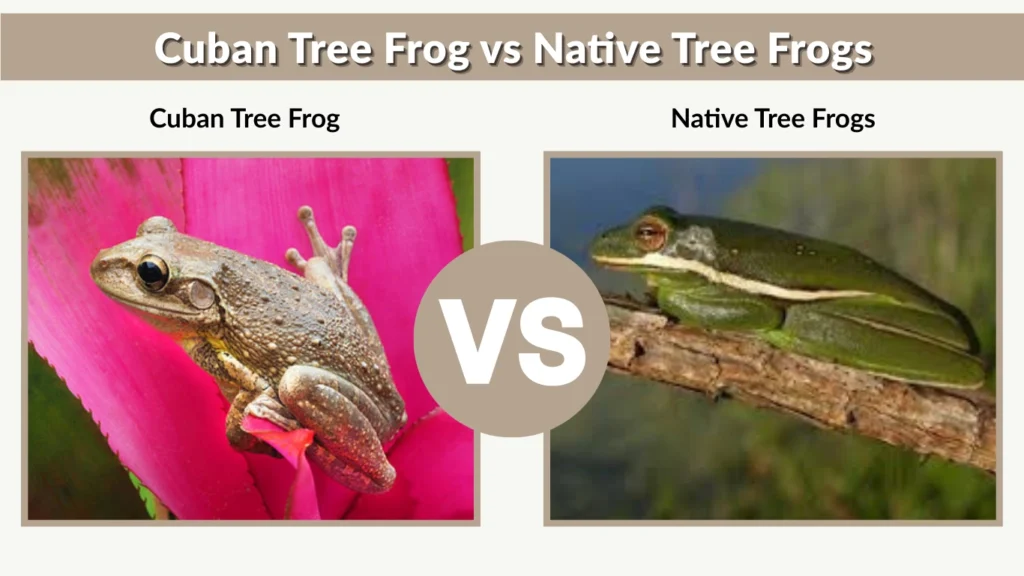
Physical and Behavioral Differences
Cuban tree frogs are generally much larger and bulkier than native tree frogs. Their skin tends to be rougher, and their toe pads are noticeably oversized. In contrast, native species such as the green tree frog have smoother skin, smaller toe pads, and more consistent coloration.
Behaviorally, Cuban tree frogs are more aggressive and less cautious. They are more likely to be found in large numbers around human structures, while native frogs usually prefer more natural habitats.
Ecological Impact
The presence of Cuban tree frogs has led to declines in native frog populations in many areas. They compete for food, consume native species, and disrupt breeding cycles. Over time, this imbalance can reduce biodiversity and alter local food webs.
Environmental Impact of Cuban Tree Frogs
Cuban tree frogs pose a serious threat to local ecosystems. By preying on native frogs, lizards, and insects, they reduce species diversity and place pressure on already vulnerable populations. Their presence can also affect birds and snakes that rely on native amphibians as a food source.
Because they often inhabit urban areas, Cuban tree frogs can interfere with infrastructure by entering electrical equipment and causing short circuits. Wildlife agencies closely monitor their spread and encourage public awareness to help limit further expansion.
Control and Management of Cuban Tree Frogs
Why Control Is Important
Without management, Cuban tree frog populations can grow rapidly and cause long-term ecological damage. Their ability to reproduce in large numbers and adapt to many environments makes natural population control difficult.
Humane Removal and Prevention
Effective management begins with proper identification. Homeowners can reduce frog activity by limiting outdoor lighting, sealing entry points, and removing standing water. In areas where removal is permitted, wildlife authorities recommend humane and legal methods that minimize suffering and avoid harm to native species.
Conclusion
The Cuban tree frog is a highly adaptable amphibian that has become a major invasive species in parts of the United States. Its large size, aggressive feeding habits, and ability to thrive near humans allow it to outcompete native wildlife. By learning how to identify Cuban tree frogs and understanding their behavior and environmental impact, individuals can help protect local ecosystems. Awareness, proper management, and responsible action are key to reducing the long-term effects of this invasive species.
FAQs
How big is a Cuban tree frog?
Cuban tree frogs are the largest tree frogs in North America. Adults usually grow between 3 and 5 inches in length, with some individuals becoming even larger.
What color are Cuban tree frogs?
Their color can vary widely and may include gray, brown, green, or mottled patterns. Because their color changes with environment and mood, size and physical features are more reliable for identification.
How can you tell a Cuban tree frog from a native tree frog?
Cuban tree frogs are larger, have oversized toe pads, rougher skin, and a bony ridge above the eyes. Native tree frogs are generally smaller with smoother skin and smaller toe pads.
Are Cuban tree frogs dangerous to touch?
They are not dangerous, but their skin secretes a substance that can cause eye or skin irritation. It is best to avoid handling them and wash your hands if contact occurs.
Where are Cuban tree frogs most commonly found?
They are often found around homes and buildings, especially near porch lights, windows, garages, and utility boxes, where insects gather at night.