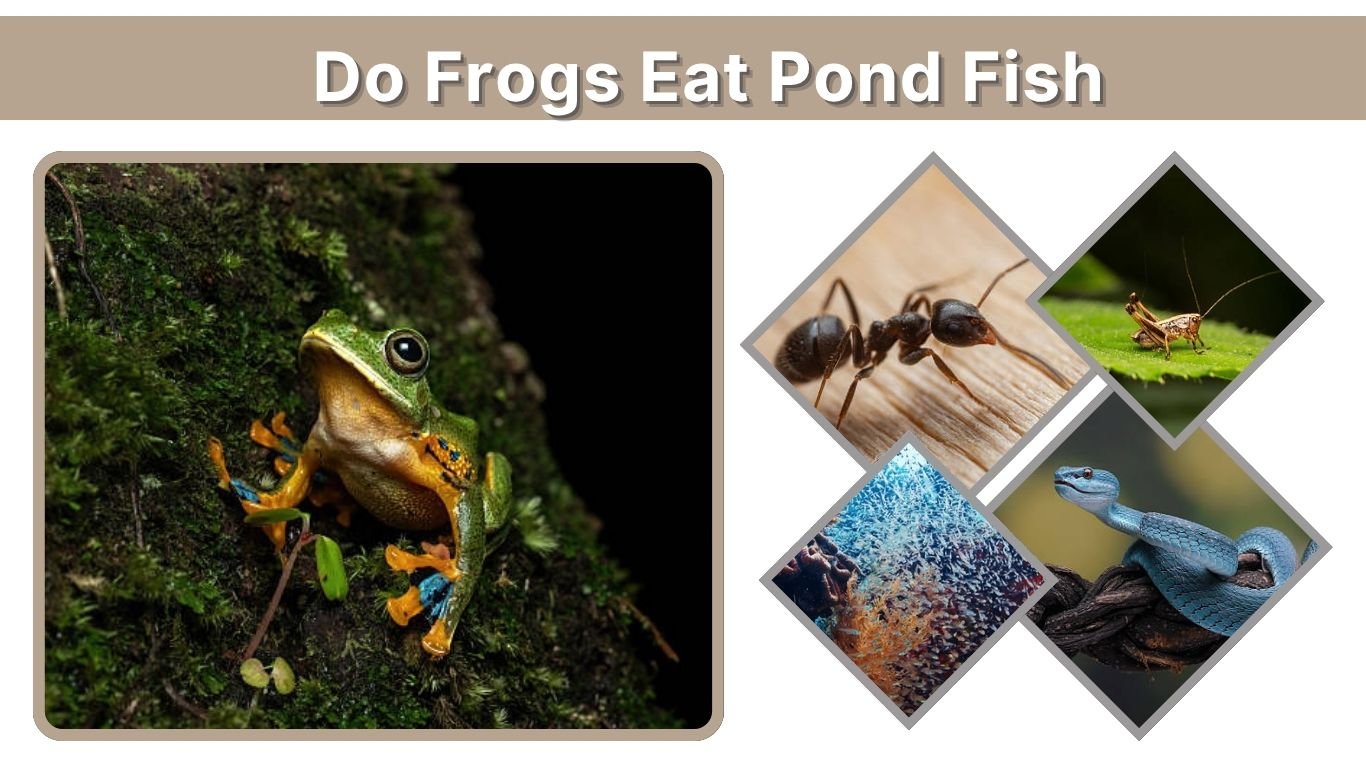
Frogs are a common sight in garden ponds, often raising concerns among pond owners about the safety of their fish. Many people wonder whether frogs eat fish, harm them, or can live peacefully together. The truth is, frogs and fish usually coexist without major issues, but certain conditions can create risks. Understanding frog behavior, diet, and pond balance helps you protect your fish while maintaining a healthy ecosystem.
Do Frogs Eat Pond Fish?
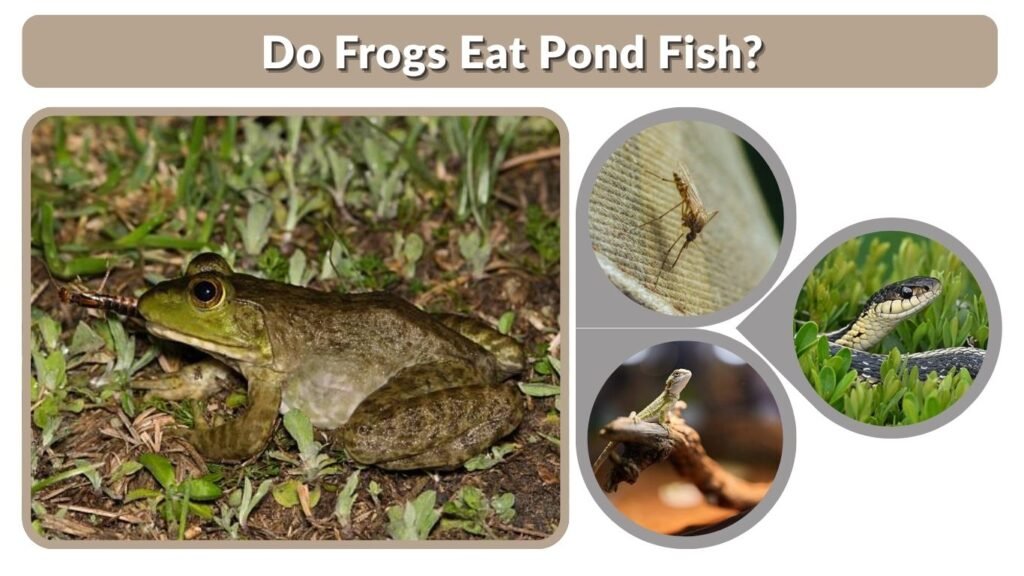
Frogs are primarily insect-eaters, but their diet can vary depending on species and size.
Do Frogs Actually Eat Fish?
Most frogs prefer insects, worms, and small invertebrates. However, larger species—especially bullfrogs—can eat small fish if given the opportunity. This behavior is not common in smaller garden frogs.
Do Frogs Eat Baby Fish?
Yes, baby fish (fry) are more vulnerable. Frogs may eat fish eggs or newly hatched fish because they are small and easy to catch. This is one of the main concerns for pond owners breeding fish.
Will Frogs Harm Pond Fish?
In most cases, frogs are not a major threat to pond fish, but some risks do exist.
Are Frogs Dangerous to Fish?
Frogs generally do not attack healthy, adult fish. Larger fish like koi or goldfish are usually safe. Problems may occur if the pond has small or weak fish.
Do Frogs Kill Fish in Ponds?
Direct attacks are rare. However, frogs may disturb the pond environment or compete for food. In some cases, large frogs can prey on small fish, especially in shallow water.
Can Frogs and Fish Live Together in a Pond?
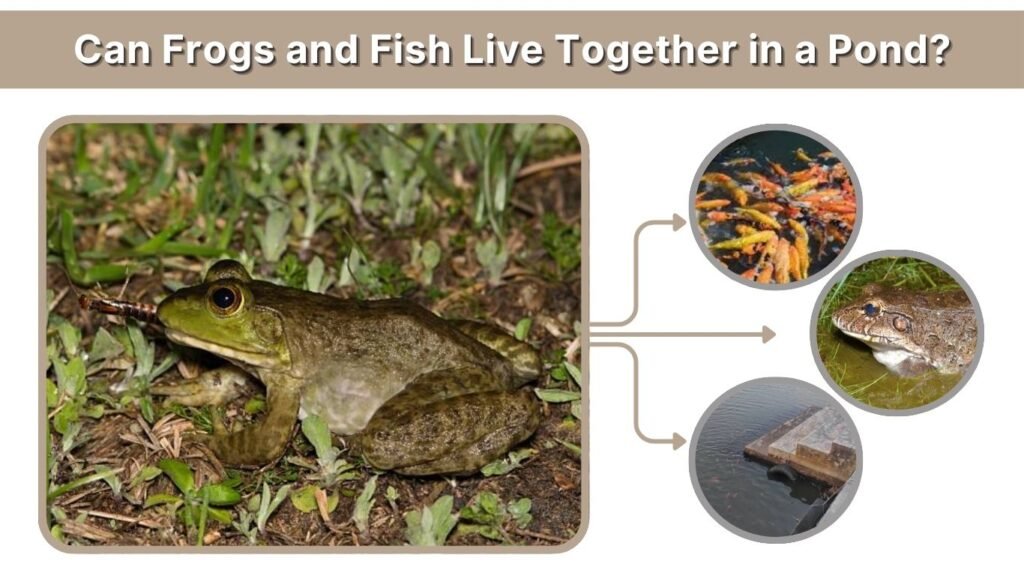
Frogs and fish often share the same pond naturally without serious issues.
Is It Safe to Keep Them Together?
Yes, they can live together in a balanced pond ecosystem. Many natural ponds contain both frogs and fish without conflict. The key is maintaining proper space and environmental conditions.
When Problems Occur
- Overcrowded ponds
- Presence of large predatory frogs
- Lack of hiding spaces for fish
When these factors are controlled, coexistence is usually peaceful.
Frogs in Fish Pond: Good or Bad?
Frogs are not always a problem—they can actually be beneficial.
Benefits of Frogs
Frogs help control insect populations, including mosquitoes and pests. This makes them a natural and eco-friendly addition to your pond.
Possible Problems
While helpful, frogs can cause issues if their population grows too large. They may eat fish eggs, create noise, or compete for resources in smaller ponds.
Frog Spawn (Eggs) in Fish Pond
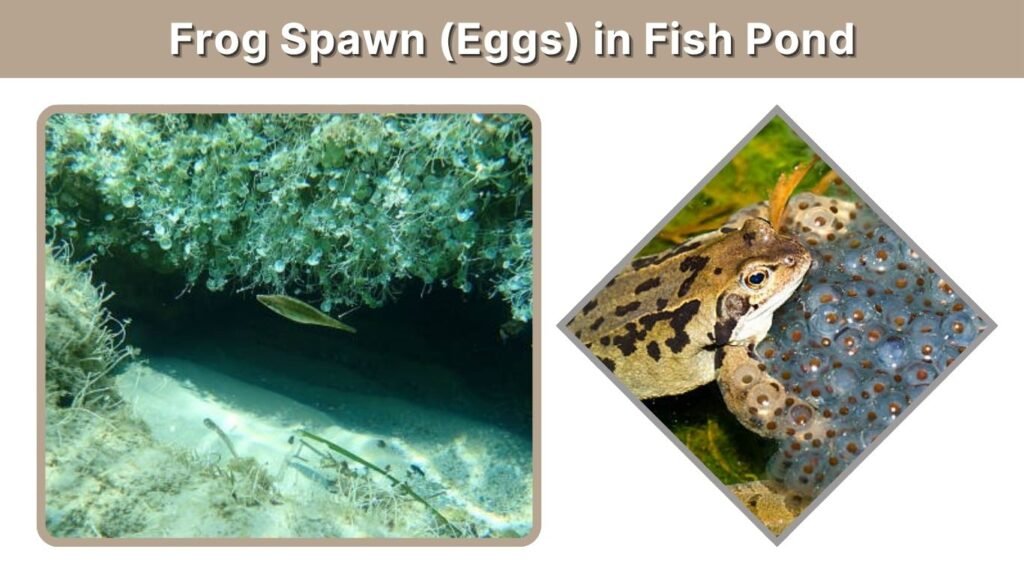
Frogs often lay eggs in ponds, which hatch into tadpoles.
What Happens When Frogs Lay Eggs?
Frog eggs develop into tadpoles that live in the water before becoming adult frogs. This is a natural part of the pond ecosystem.
Impact on Fish
Tadpoles usually do not harm fish directly, but large numbers can affect water quality and oxygen levels. In most cases, the impact is minimal unless the pond is overcrowded.
Types of Frogs That May Eat Fish
Not all frogs behave the same way—some are more likely to eat fish than others.
Common Fish-Eating Frogs
Large species like bullfrogs are known to eat small fish, insects, and even other amphibians. These frogs are opportunistic predators and can pose a risk in small ponds.
Harmless Frogs
Smaller frogs, such as tree frogs or garden frogs, mainly eat insects and are unlikely to harm fish. These species are generally safe and beneficial for your pond ecosystem.
Pond Fish That Eat Frogs
The relationship between frogs and fish can sometimes work both ways.
Do Fish Eat Frogs?
Some larger fish may eat tadpoles or very small frogs if they get the chance. However, adult frogs are usually too large and quick to be caught by most pond fish.
Examples
- Large koi may eat tadpoles
- Bass (in natural ponds) may eat small frogs
In most garden ponds, fish are not a major threat to adult frogs.
How to Control Frogs in a Fish Pond
If frogs become too numerous, you may need to manage their population safely.
Natural Control Methods
Reducing hiding spots around the pond can discourage frogs from settling. Keep grass trimmed and remove debris where frogs may hide during the day.
Environmental Changes
Frogs prefer shallow, calm water for breeding. Limiting shallow areas and improving water circulation can make your pond less attractive to them.
How to Keep Frogs Out of a Fish Pond
Prevention is the best way to avoid problems with frogs.
Prevention Tips
- Install pond netting to block access
- Use low fencing around the pond
- Reduce still, shallow water areas
Long-Term Solutions
Maintaining a balanced ecosystem is key. Avoid overfeeding fish, as leftover food can attract insects, which in turn attract frogs.
How to Remove Frogs from a Fish Pond
If frogs are already present, removal should be done carefully and responsibly.
Safe Removal Methods
Frogs can be gently captured and relocated to a nearby natural habitat, where legal. Removing frog eggs early can also prevent overpopulation.
What to Avoid
Avoid using chemicals or harmful methods, as they can damage your pond ecosystem and may be illegal in many areas.
Are Frogs Good for Fish Ponds?
Frogs are generally beneficial and should not always be seen as a problem.
Benefits
They help control insect populations, especially mosquitoes. Frogs also contribute to biodiversity and create a more natural pond environment.
When They Become a Problem
Frogs can become an issue if their numbers grow too large or if predatory species are present. Monitoring their population helps maintain balance.
Best Fish for Ponds with Frogs
Choosing the right fish can reduce risks and improve compatibility.
Suitable Fish
Larger, hardy fish are less likely to be affected by frogs.
- Koi
- Goldfish
- Other robust pond species
Fish to Avoid
Very small or delicate fish, especially newly hatched fry, are more vulnerable. Providing hiding spaces can help protect them.
Common Problems
Pond owners may face a few common issues when frogs are present.
- Frogs eating fish food
- Noise from croaking at night
- Dead frogs affecting water quality
- Repeated egg-laying cycles
These problems are usually manageable with proper pond maintenance.
Interesting Facts
Frogs are fascinating creatures with unique behaviors.
- Most frogs prefer insects over fish
- Tadpoles are usually herbivores
- Frogs are important indicators of environmental health
FAQs
Do frogs eat fish in ponds?
Most frogs do not regularly eat fish. However, larger species like bullfrogs may eat small fish, especially fry or weak individuals.
Can frogs and fish live together in a pond?
Yes, frogs and fish can live together peacefully in most ponds. A balanced environment with enough space and food helps prevent conflicts.
How do I get rid of frogs in my fish pond?
You can reduce frog presence by removing hiding spots, limiting shallow water areas, and using barriers like netting. Always use humane and legal methods.
Are frogs bad for fish ponds?
Frogs are usually beneficial because they eat insects. They only become a problem when their population grows too large or when predatory species are present.
Will frogs eat my pond fish?
Most frogs will not eat adult fish, but they may eat fish eggs or baby fish if given the opportunity.