
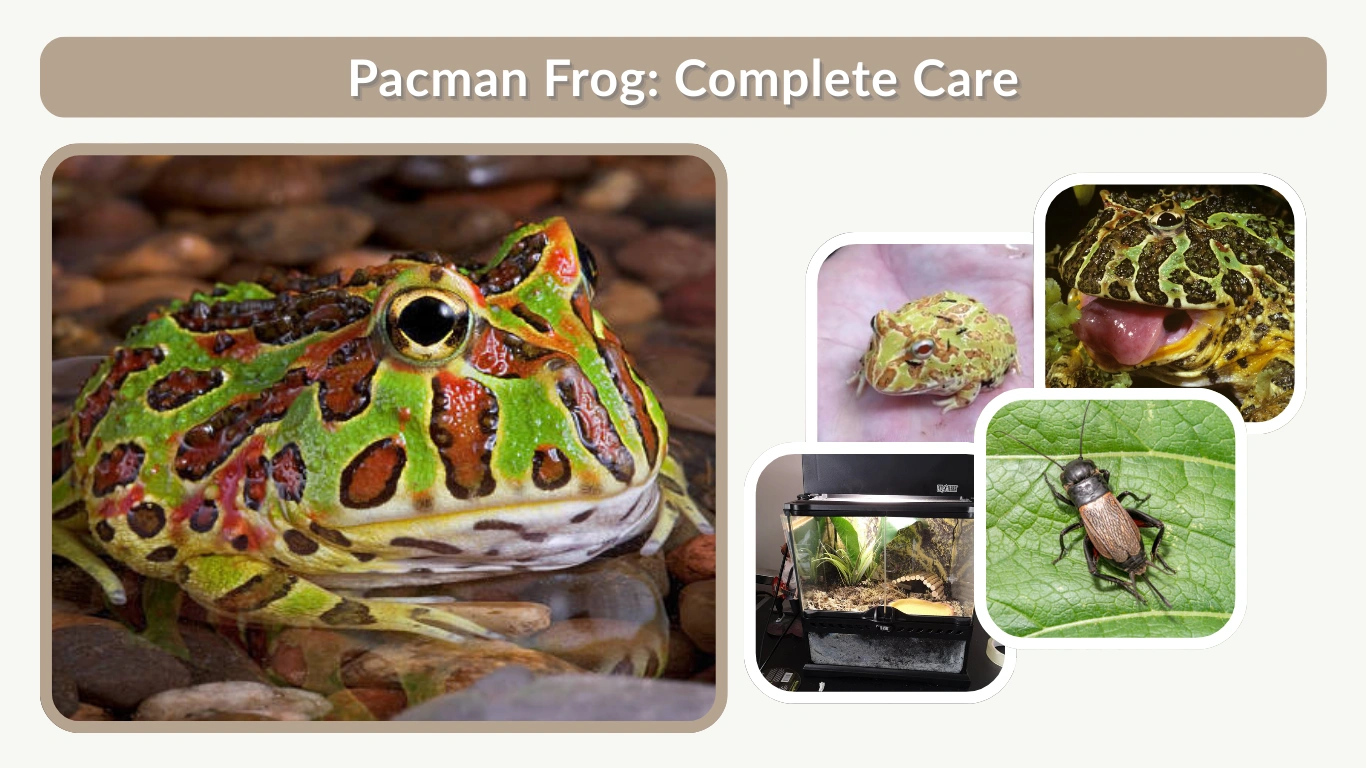
The Pacman frog is one of the most unique and eye-catching pet frogs in the exotic pet world. Known for its round body, wide mouth, and ambush-style feeding behavior, this frog is popular among beginners and experienced keepers alike. Despite their somewhat intimidating appearance, Pacman frogs are relatively low-maintenance when their basic needs are met. In this guide, you’ll learn everything you need to know about Pacman frogs, including their species, size, lifespan, and habitat requirements, so you can decide if this fascinating amphibian is the right pet for you.
What Is a Pacman Frog?
Pacman frogs belong to the genus Ceratophrys and are native to South America, particularly countries like Argentina, Brazil, and Paraguay. They get their nickname “Pacman” from their resemblance to the classic video game character, thanks to their large, round body and oversized mouth.
These frogs are sit-and-wait predators, meaning they spend most of their time buried in substrate with only their eyes and mouth visible. When prey comes close, they strike quickly. Their stout body, short limbs, and strong jaws make them effective hunters despite their limited movement.
Pacman frogs are primarily terrestrial and are best known for their bold feeding responses and relatively simple care requirements, which is why they are commonly kept as pets.
Pacman Frog Key Identification
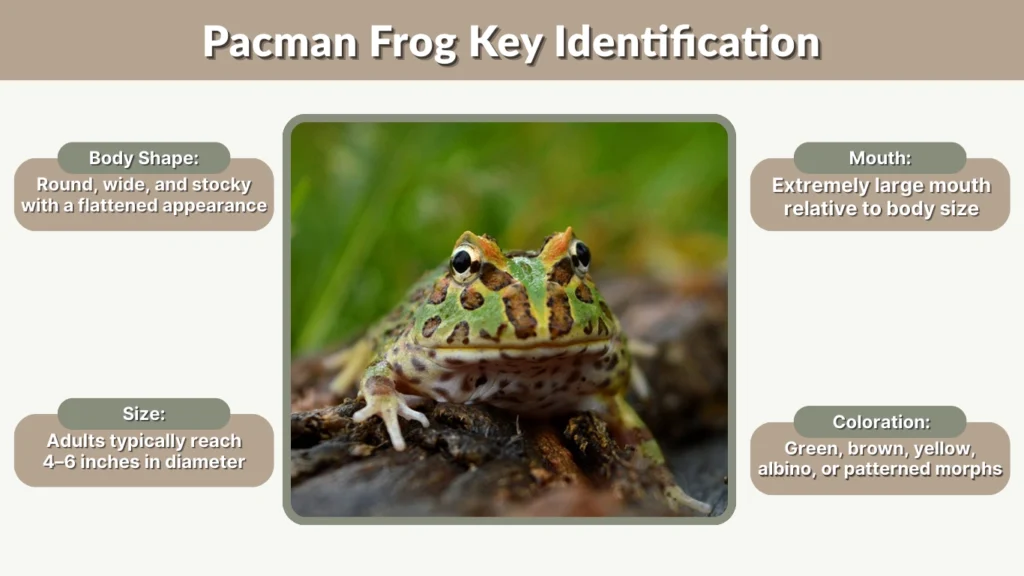
Pacman frogs are easily recognizable due to their unique body shape, bold coloration, and ambush-style posture. These frogs have a compact, rounded appearance and are known for their disproportionately large mouths, which allow them to consume prey nearly their own size. Their physical traits make them stand out from most other pet frogs and help with quick identification.
Key Identification Features
- Body Shape: Round, wide, and stocky with a flattened appearance
- Mouth: Extremely large mouth relative to body size
- Size: Adults typically reach 4–6 inches in diameter
- Skin Texture: Smooth to slightly bumpy skin
- Coloration: Green, brown, yellow, albino, or patterned morphs
- Eyes: Prominent, forward-facing eyes positioned on top of the head
- Legs: Short, thick hind legs adapted for lunging rather than jumping
- Behavior: Often remains partially buried with only eyes and mouth visible
Quick Identification Tip
If you see a frog that looks like a living “mouth with legs” sitting motionless in substrate, it’s very likely a Pacman frog.
Pacman Frog Species and Color Variations
Common Pacman Frog Species
There are several species of Pacman frogs available in the pet trade, but the most common include:
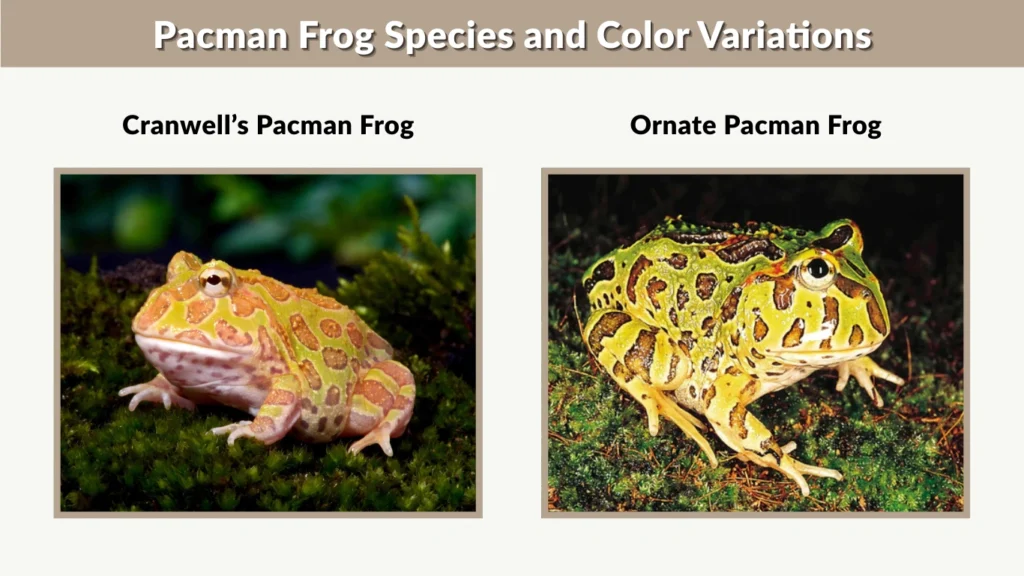
- Cranwell’s Pacman Frog (Ceratophrys cranwelli)
This is the most popular species for beginners due to its hardy nature and adaptability to captive environments. - Ornate Pacman Frog (Ceratophrys ornata)
Known for its striking green, yellow, and red patterns, this species is visually stunning but can be slightly more sensitive than Cranwell’s.
Both species have similar care requirements, making the choice mostly a matter of appearance and availability.
Pacman Frog Colors and Morphs
Pacman frogs are available in a wide range of colors and morphs due to selective breeding. Common morphs include albino, green, brown, and patterned varieties. Some frogs display vibrant colors, while others have natural camouflage tones that blend well with forest floors. Color does not usually affect care, but rare morphs tend to be more expensive.
Pacman Frog Size and Growth
Pacman frogs are known for their impressive size compared to other pet frogs. On average, adult Pacman frogs grow between 4 to 6 inches in diameter. Females are generally larger than males and tend to grow faster.
Juvenile Pacman frogs experience rapid growth during their first year, especially when fed properly. Diet, temperature, and overall care play a major role in how quickly and how large they grow. With consistent feeding and proper environmental conditions, a Pacman frog can reach near-adult size within 10 to 12 months.
Pacman Frog Lifespan
In captivity, Pacman frogs typically live 6 to 10 years, although some individuals have been reported to live even longer with excellent care. Their lifespan in the wild is usually shorter due to predators, environmental changes, and limited food availability.
Providing a clean enclosure, proper humidity, and a nutritious diet significantly improves longevity. Stress, poor nutrition, and improper tank conditions are the most common factors that shorten a Pacman frog’s lifespan.
Pacman Frog Habitat and Tank Setup
Tank Size and Enclosure Requirements
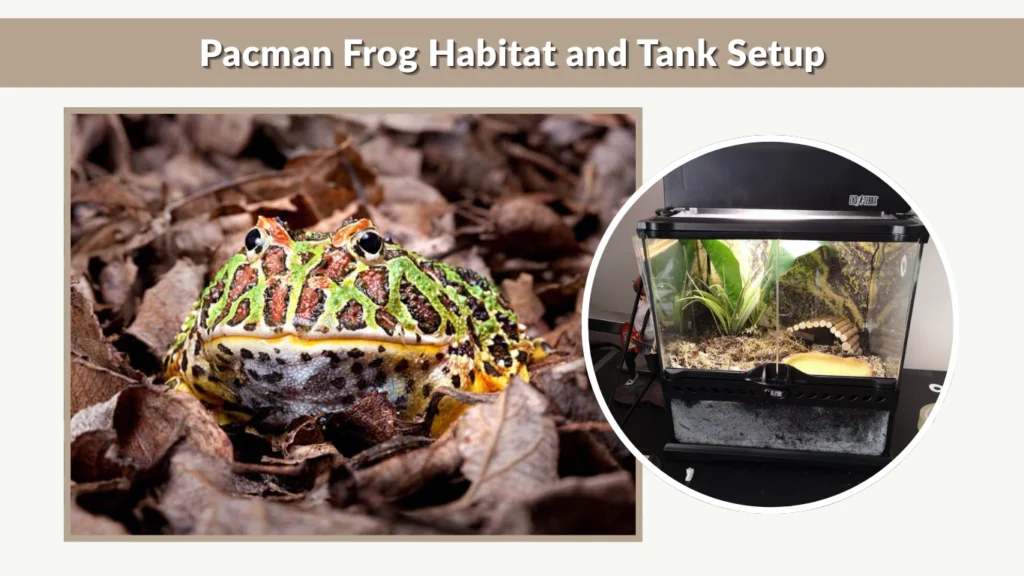
Pacman frogs do not require large enclosures, but they do need enough space to burrow and feel secure. A 10-gallon tank is suitable for a single adult frog, though a 20-gallon enclosure offers more stability in temperature and humidity.
Pacman frogs should always be housed alone. They are aggressive feeders and may attempt to eat other frogs, even those of similar size.
Substrate and Tank Décor
A soft, moisture-retaining substrate is essential because Pacman frogs spend most of their time buried. Coconut fiber, organic soil, or sphagnum moss are popular choices. The substrate should be deep enough to allow full burrowing.
Adding leaf litter, cork bark, or artificial plants helps create hiding spots and reduces stress. Decorations should be stable and free of sharp edges to prevent injury.
Temperature and Humidity Needs
Maintaining proper temperature and humidity is essential for a Pacman frog’s health. These frogs thrive in warm, humid environments that mimic their natural habitat. The ideal daytime temperature range is 75–85°F (24–29°C), with a slight drop at night. Heat can be provided using an under-tank heater placed on the side of the enclosure rather than the bottom to prevent burns.
Humidity levels should remain between 60–80% at all times. This can be achieved through daily misting and the use of moisture-retaining substrate. A shallow water dish with dechlorinated water should always be available to help maintain humidity and allow the frog to soak. Using a digital thermometer and hygrometer is strongly recommended to monitor conditions accurately.
Lighting Requirements
Pacman frogs do not require intense lighting, as they are mostly nocturnal and spend much of their time buried. However, providing a low-level UVB light can be beneficial for calcium metabolism and overall health. If UVB lighting is used, it should be low strength and run on a 12-hour day and night cycle. Avoid placing lights too close to the enclosure to prevent overheating.
Pacman Frog Diet and Feeding
What Do Pacman Frogs Eat?
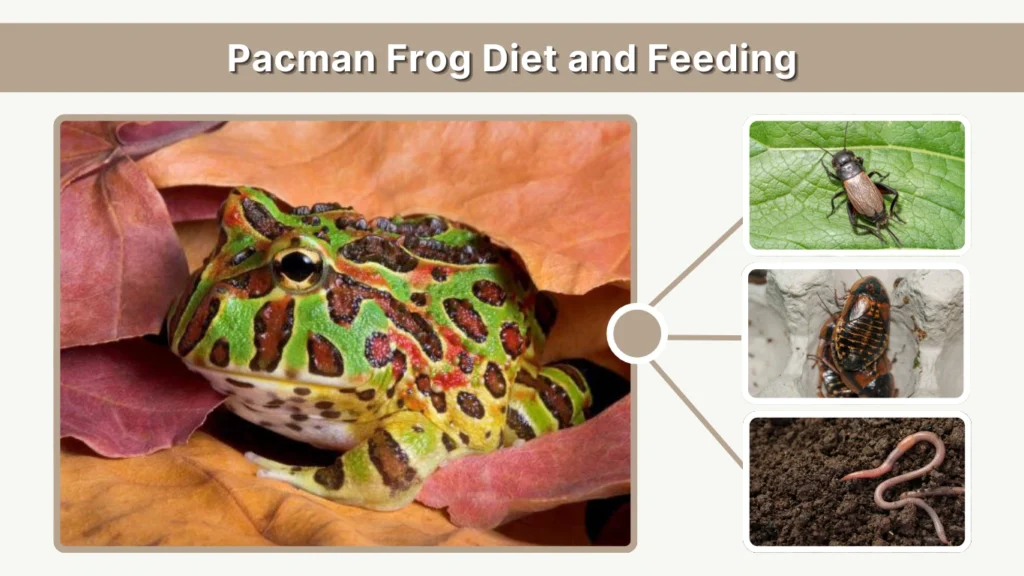
Pacman frogs are carnivorous ambush predators with a strong feeding response. Their diet should consist of appropriately sized live prey. Common food items include crickets, dubia roaches, earthworms, and nightcrawlers. Adult frogs may also eat occasional pinky mice, though these should be offered sparingly due to their high fat content.
Prey should never be wider than the frog’s mouth to avoid choking or impaction. Offering a varied diet helps ensure proper nutrition and reduces the risk of deficiencies.
Feeding Schedule
Juvenile Pacman frogs should be fed every other day due to their rapid growth. Adults typically eat once or twice per week. Overfeeding is a common mistake and can lead to obesity, which negatively affects mobility and lifespan.
Supplements and Nutrition
Calcium supplementation is essential, especially for growing frogs. Insects should be dusted with calcium powder two to three times per week. A multivitamin supplement can be added once or twice a month. If UVB lighting is not used, calcium with vitamin D3 is recommended.
Pacman Frog Behavior and Temperament
Pacman frogs are not active or social pets. They prefer to remain buried for most of the day and become more alert during feeding times. Despite their calm appearance, they can be defensive and may lunge if they feel threatened.
These frogs are known for their strong bite and should not be handled frequently. Their behavior is best appreciated through observation rather than interaction.
Handling and Safety
Handling a Pacman frog should be kept to a minimum. Their skin is sensitive and can absorb oils, soaps, and chemicals from human hands. If handling is necessary, hands should be clean and damp or gloves should be used.
Pacman frogs can bite if startled, and while their bite is not venomous, it can be painful. For this reason, they are not recommended for young children. Gentle, minimal handling reduces stress and lowers the risk of injury to both the frog and the keeper.
Common Health Problems in Pacman Frogs
Frequent Health Issues
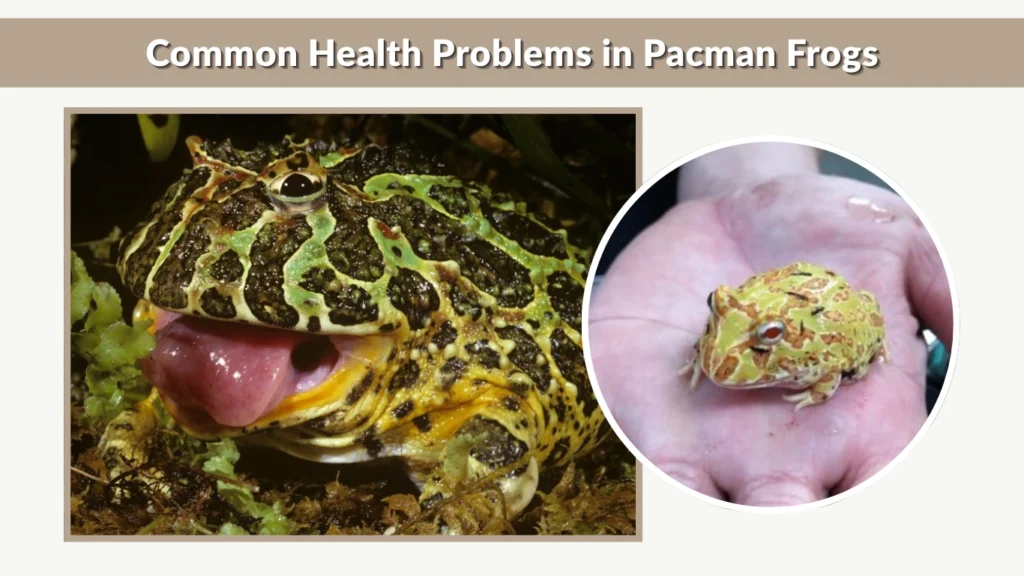
Some common health problems in Pacman frogs include metabolic bone disease, impaction from ingesting substrate, and bacterial or fungal skin infections. Most of these issues are caused by improper care, poor diet, or incorrect environmental conditions.
Signs of a Healthy vs Sick Pacman Frog
A healthy Pacman frog is alert during feeding, has clear eyes, and shows regular burrowing behavior. Signs of illness include lethargy, refusal to eat, swelling, abnormal posture, or skin discoloration. If any of these symptoms appear, a veterinarian experienced with amphibians should be consulted.
Pacman Frog Care for Beginners
Pacman frogs are often considered good pets for beginners because they do not require daily interaction or large enclosures. However, they do require consistent environmental maintenance. Daily spot checks, regular misting, and proper feeding routines are key to success.
Common beginner mistakes include overfeeding, inadequate humidity, and excessive handling. Avoiding these issues greatly increases the frog’s chances of long-term health.
Pacman Frog Price and Ownership Costs
The price of a Pacman frog typically ranges from $30 to $100, depending on species and color morph. Initial setup costs, including the tank, substrate, heating, and accessories, can range from $100 to $200. Ongoing costs such as food and supplements are relatively low compared to other exotic pets.
FAQs About Pacman Frogs
How long do Pacman frogs live?
With proper care, Pacman frogs can live 6 to 10 years or longer in captivity.
How often should you feed a Pacman frog?
Juveniles should be fed every other day, while adults are usually fed once or twice a week.
Do Pacman frogs need UVB lighting?
UVB is not strictly required but can be beneficial when used correctly.
Can Pacman frogs live together?
No, Pacman frogs should always be housed alone due to their aggressive feeding behavior.
Conclusion
Pacman frogs are fascinating, low-maintenance amphibians that make excellent pets for responsible keepers. With proper habitat setup, a balanced diet, and minimal handling, these frogs can live long and healthy lives. Understanding their unique behavior and care requirements is the key to successful Pacman frog ownership.