
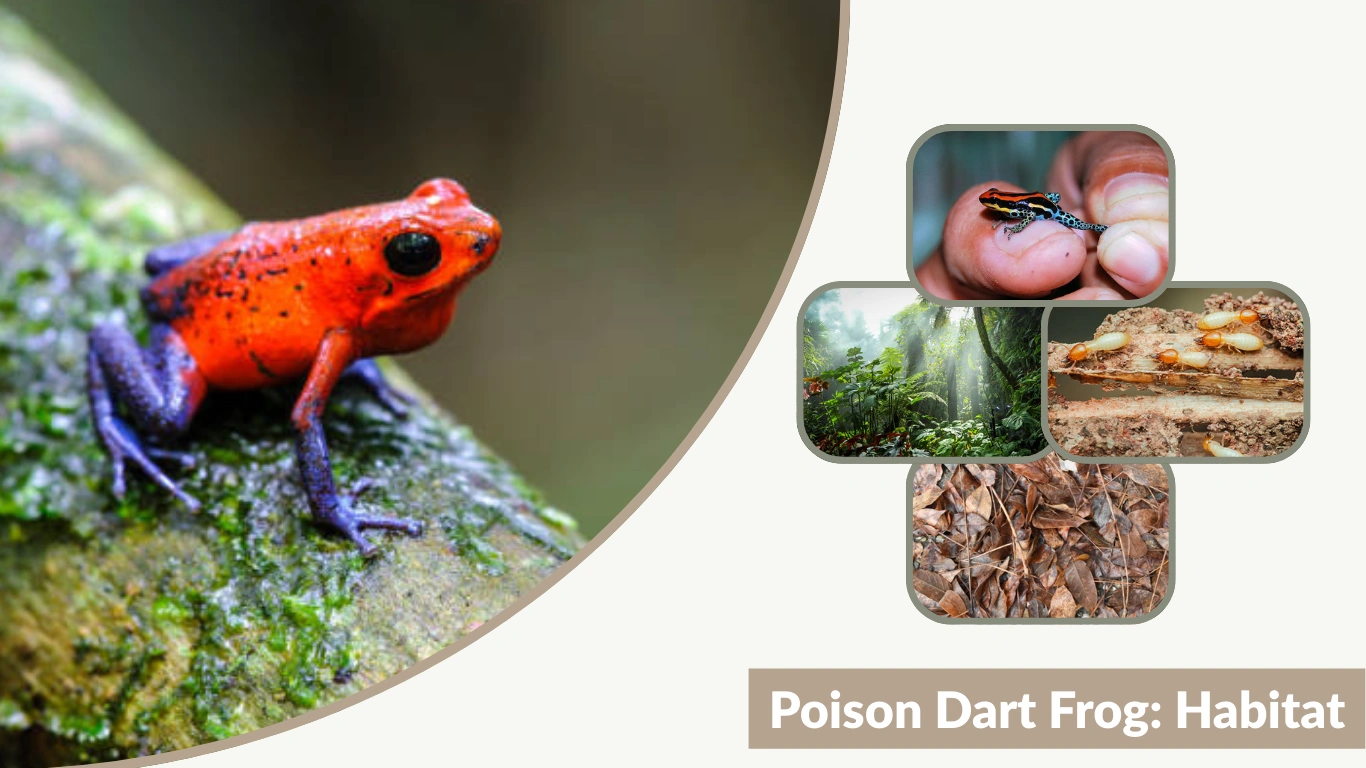
Poison dart frogs are among the most fascinating amphibians on Earth. Known for their striking colors and powerful toxins, these tiny frogs have captured the attention of scientists, nature lovers, and indigenous cultures for centuries. Despite their small size, poison dart frogs play an important role in rainforest ecosystems. Their vivid appearance is not just for show—it serves as a warning to predators that danger lies beneath their skin. Found mainly in the tropical rainforests of Central and South America, these frogs are a remarkable example of how evolution combines beauty with survival.
What Is a Poison Dart Frog?
A poison dart frog is a small, brightly colored amphibian belonging to the family Dendrobatidae. These frogs are famous for the toxic substances secreted through their skin, which can be lethal to predators. Most species measure only one to two inches in length, yet they are considered some of the most poisonous animals in the world.
Poison dart frogs are active during the day, unlike many other frog species. Their bold colors and daytime activity make them highly visible, but instead of hiding, they rely on toxicity as their main defense mechanism.
Origin of the Name
The name “poison dart frog” comes from indigenous tribes of South America, who historically used the frogs’ toxins to coat the tips of blow darts used for hunting. Not all species were used this way, but the association was strong enough to give the entire group its common name. This practice highlighted the extreme potency of their toxins long before modern science began studying them.
Natural Habitat of Poison Dart Frogs
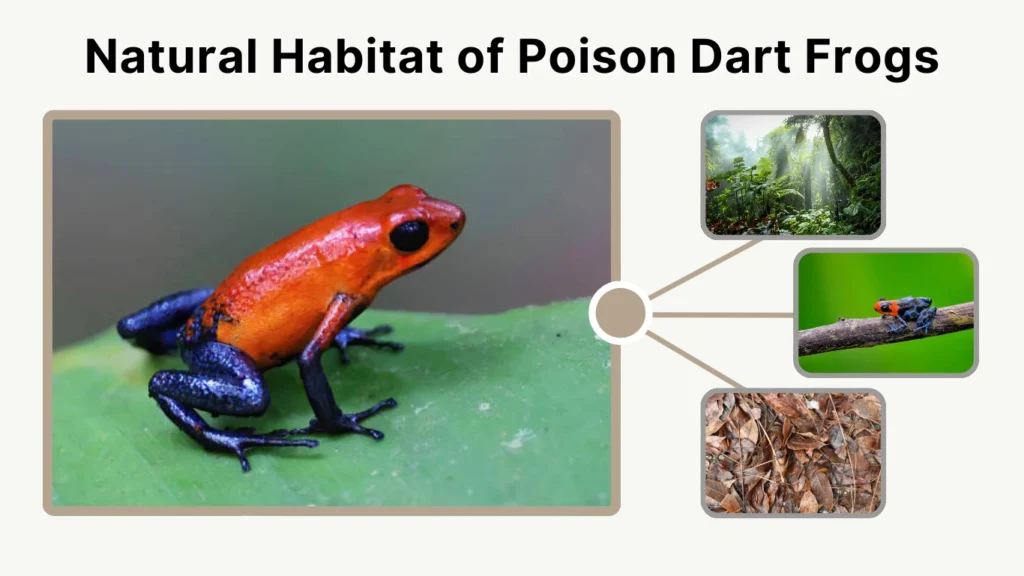
Poison dart frogs are native to tropical rainforests, where warm temperatures and high humidity create ideal living conditions. They thrive in environments filled with dense vegetation, leaf litter, and abundant insect life. These frogs are most often found near the forest floor, although some species climb plants and trees.
Geographic Distribution
Poison dart frogs are primarily found in Central and South America. Countries such as Colombia, Brazil, Ecuador, Peru, Costa Rica, and Panama are home to numerous species. Colombia alone hosts the greatest diversity of poison dart frogs, including the most toxic species known.
Importance of Rainforests to Their Survival
Rainforests provide more than shelter—they supply food, breeding sites, and the insects responsible for the frogs’ toxicity. Even slight changes in humidity or temperature can threaten their survival. This strong dependence on rainforest ecosystems makes poison dart frogs especially vulnerable to habitat destruction.
Bright Colors and Warning Signals
One of the most recognizable features of poison dart frogs is their bright coloration. Shades of blue, yellow, red, orange, and green are common, often arranged in bold patterns. These colors serve a critical biological function known as aposematism.
Why Poison Dart Frogs Are So Colorful
Aposematism is a warning system in nature. The bright colors signal predators that the frog is toxic and not safe to eat. Over time, predators learn to associate these vivid colors with danger and avoid them altogether. This strategy allows poison dart frogs to survive without relying on camouflage.
Color Variations Among Species
Different species display different color patterns, which can indicate varying levels of toxicity. In many cases, brighter colors suggest stronger poison, though this is not always true. Some non-toxic species even mimic poison dart frogs, benefiting from the same warning signals without producing toxins themselves.
How Poison Dart Frogs Get Their Poison
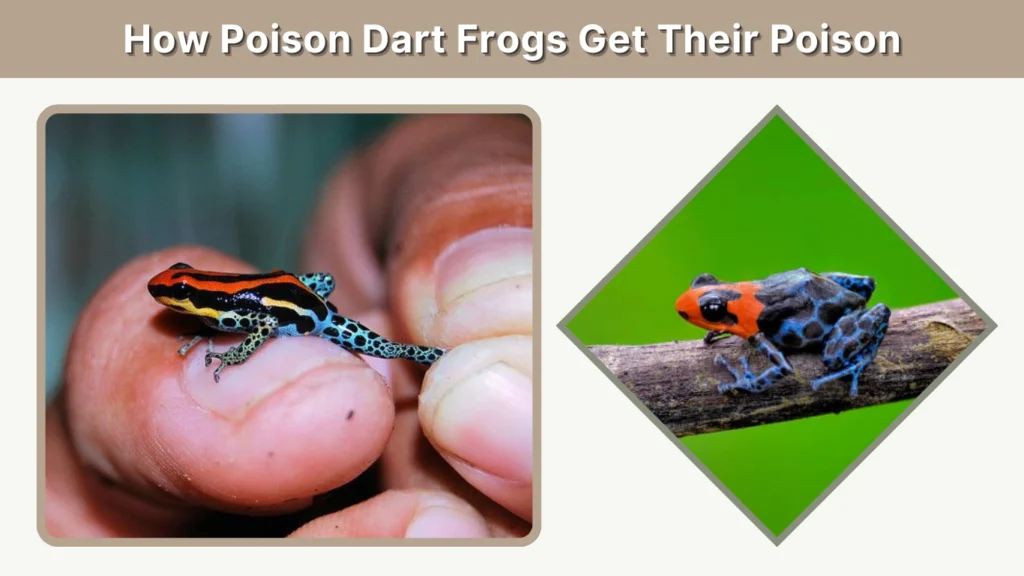
Interestingly, poison dart frogs do not produce poison on their own. Their toxicity comes from their diet in the wild. Certain insects they consume contain chemical compounds that are absorbed and stored in the frogs’ skin.
Role of Ants, Mites, and Insects
Ants, mites, termites, and other small arthropods provide the alkaloid compounds that make poison dart frogs toxic. These compounds are transformed into powerful defensive chemicals. When poison dart frogs are raised in captivity and fed a controlled diet, they lose their toxicity entirely, proving that their poison is diet-based rather than genetic.
How Toxic Are Poison Dart Frogs?
The toxicity of poison dart frogs varies widely by species. Some contain mild toxins that cause irritation, while others possess chemicals strong enough to paralyze or kill predators.
The Deadliest Poison Dart Frog
The golden poison dart frog (Phyllobates terribilis) is considered the most toxic of all. A single frog carries enough poison to kill multiple adult humans. Its toxin, batrachotoxin, affects the nervous system by preventing nerves from shutting off, leading to muscle failure and death.
Are Poison Dart Frogs Dangerous to Humans?
Despite their extreme toxicity, poison dart frogs rarely pose a direct threat to humans. In the wild, their poison is meant as a defensive mechanism rather than an offensive weapon. Humans are unlikely to be poisoned unless they handle the frogs directly or ingest the toxins. Indigenous tribes developed specialized techniques to extract the poison safely, but casual contact is not typically fatal. In captivity, poison dart frogs are completely non-toxic due to their controlled diet, making them harmless to humans when handled responsibly.
Diet and Feeding Behavior
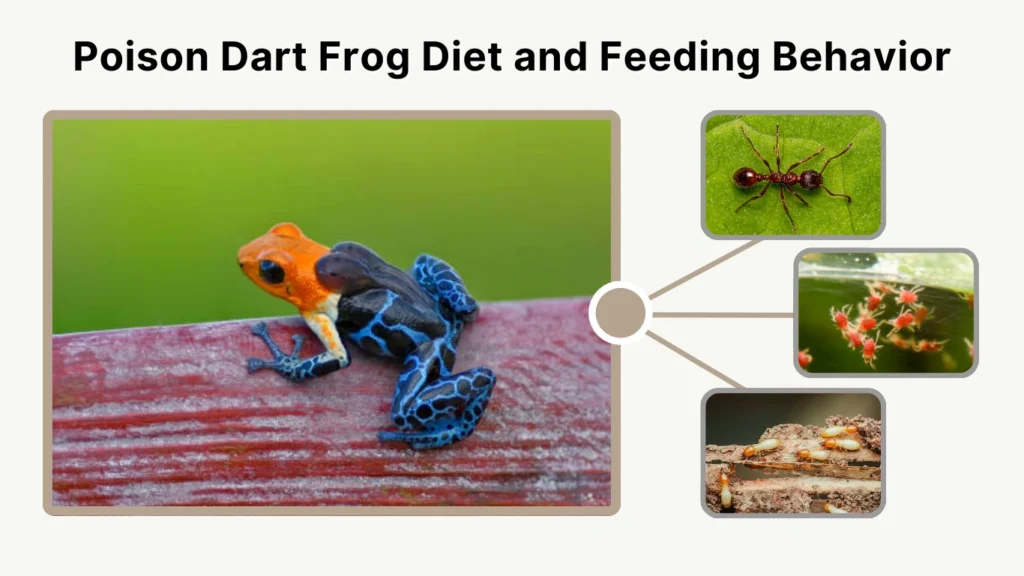
Poison dart frogs are insectivores, feeding on a variety of small invertebrates found in the rainforest. Their diet mainly consists of ants, mites, termites, beetles, and small flies. These frogs use their sticky tongues to capture prey with impressive speed and accuracy.
Connection Between Diet and Toxicity
The relationship between diet and toxicity is one of the most fascinating aspects of poison dart frogs. Specific insects contain alkaloid chemicals that the frogs store in their skin. Without access to these insects, poison dart frogs lose their toxic properties entirely, which explains why captive frogs are safe and non-poisonous.
Predators and Defense Strategies
Although poison dart frogs are highly toxic, they are not completely free from predators. Some animals have evolved resistance or avoidance strategies that allow them to coexist with these amphibians.
How Predators Avoid Poison Dart Frogs
Most predators learn to avoid poison dart frogs by recognizing their bright coloration. Birds, snakes, and mammals that attempt to eat them often experience severe illness or death, reinforcing this learned behavior. The frogs’ combination of toxicity and warning colors creates a powerful survival advantage.
Reproduction and Life Cycle
Poison dart frogs have complex and fascinating reproductive behaviors. Males often attract females through vocalizations and physical displays. Once mating occurs, females lay eggs on moist surfaces such as leaves or inside hollow plant structures.
Tadpole Development and Parental Care
After the eggs hatch, one of the parents—usually the male—carries the tadpoles on its back to water-filled plant cavities like bromeliads. Some species show remarkable parental care by feeding unfertilized eggs to the tadpoles, ensuring their survival in nutrient-poor environments.
Lifespan of Poison Dart Frogs
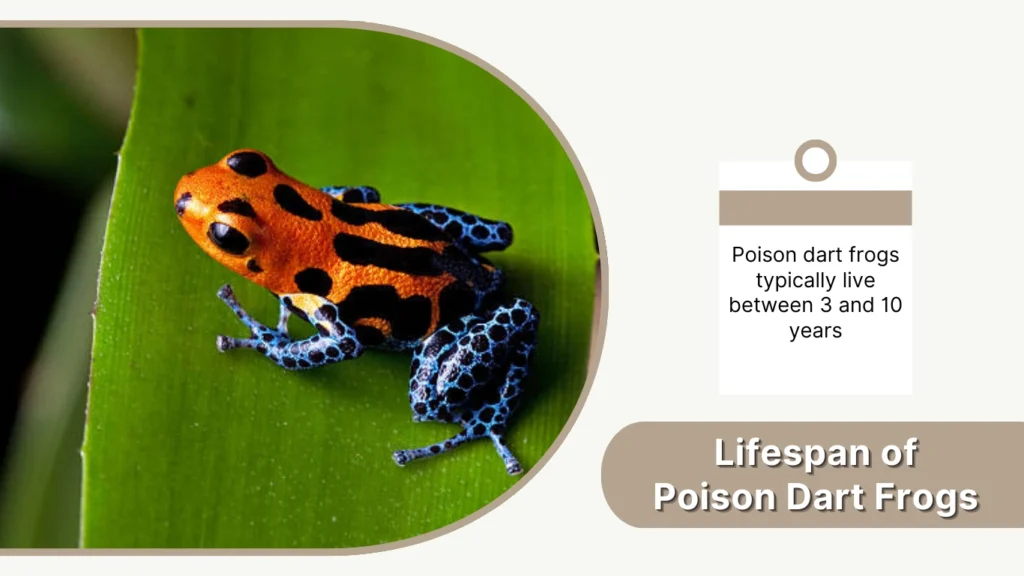
In the wild, poison dart frogs typically live between 3 and 10 years, depending on the species and environmental conditions. Predation, disease, and habitat quality play significant roles in their longevity. In captivity, where threats are minimized, some poison dart frogs can live over 15 years with proper care.
Major Poison Dart Frog Species
There are over 170 known species of poison dart frogs, each with unique characteristics. These species vary in size, coloration, and toxicity levels.
Popular Species Examples
The golden poison dart frog is the most toxic, while the blue poison dart frog is one of the most visually striking. Other well-known species include the strawberry poison dart frog and the green-and-black poison dart frog, each displaying distinctive patterns and behaviors.
Conservation Status and Threats
Many poison dart frog species face serious threats due to habitat loss, climate change, and illegal wildlife trade. Deforestation destroys the rainforest environments they rely on, while changing climate conditions disrupt breeding cycles and food availability.
Conservation Efforts and Protection
Conservation programs focus on habitat preservation, captive breeding, and environmental education. Protected rainforest reserves and sustainable land-use practices are essential for ensuring the survival of poison dart frogs in the wild.
Can Poison Dart Frogs Be Kept as Pets?
Poison dart frogs are sometimes kept as exotic pets, but this practice requires careful consideration. In captivity, they are non-toxic and can thrive when provided with proper humidity, temperature, and diet. However, legal restrictions vary by region, and ethical concerns remain regarding wildlife collection. Responsible breeding programs are preferred over capturing wild individuals.
Conclusion
Poison dart frogs are a powerful reminder of nature’s ability to balance beauty and danger. Their bright colors, complex behaviors, and remarkable toxicity make them one of the most intriguing amphibians in the world. As rainforest habitats continue to face growing threats, protecting poison dart frogs also means preserving the ecosystems they depend on. Understanding these tiny yet extraordinary creatures is a vital step toward ensuring their survival for future generations.