
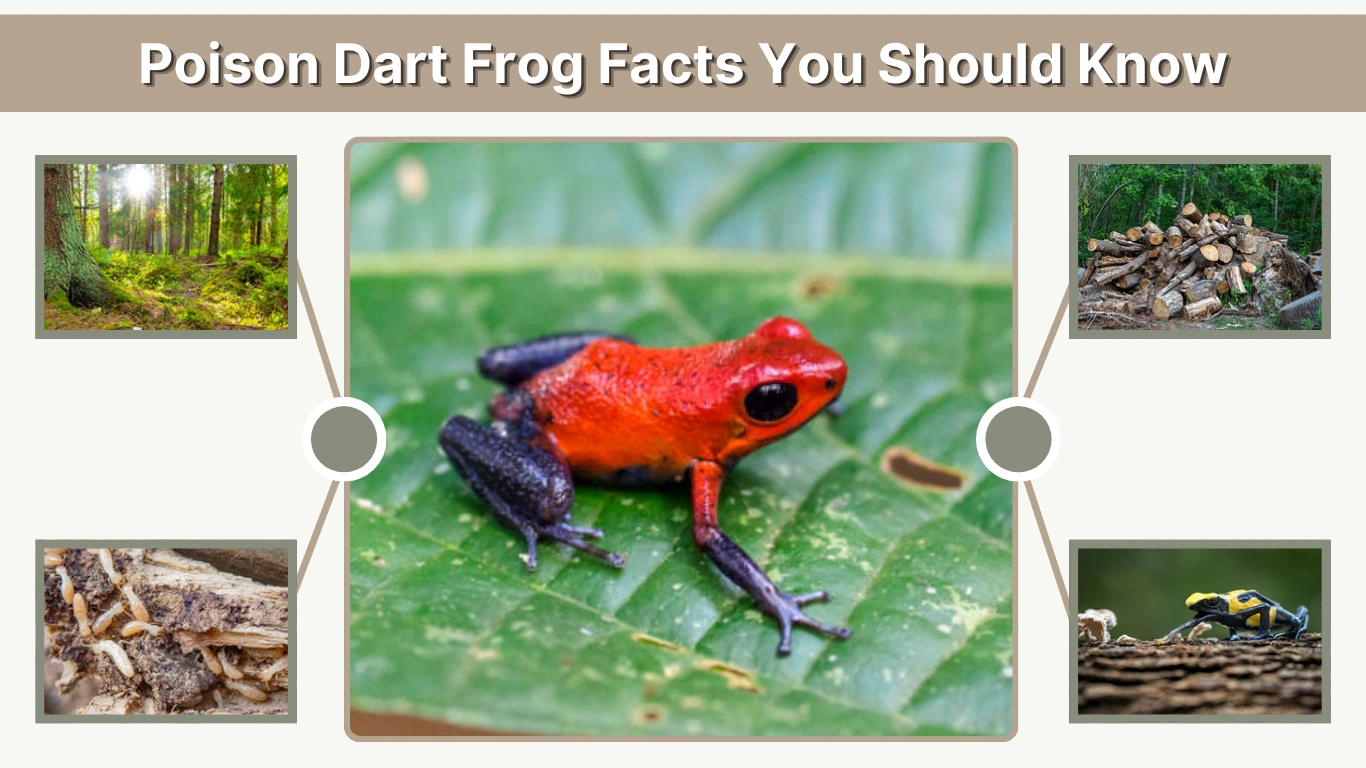
Poison dart frogs are some of the most eye-catching animals found in the wild. Their bright colors, tiny size, and powerful toxins make them stand out among amphibians. Native to the tropical rainforests of Central and South America, these frogs are often used as examples of how nature combines beauty with danger. Despite their small size, poison dart frogs have developed some of the strongest chemical defenses in the animal kingdom. Learning about poison dart frog facts helps us understand how they survive, why they are so colorful, and what makes them unique compared to other frogs.
What Is a Poison Dart Frog?
A poison dart frog is a small amphibian belonging to the family Dendrobatidae. There are over 170 known species, each with its own patterns, colors, and levels of toxicity. Most species measure less than two inches in length, yet they are among the most studied frogs due to their unusual defense mechanisms.
Poison dart frogs are best known for the toxic substances found in their skin. These toxins protect them from predators and allow them to move openly during the day without hiding. Unlike many frogs that rely on camouflage, poison dart frogs rely on visibility and warning signals.
Why Are They Called Poison Dart Frogs?
The name “poison dart frog” comes from indigenous tribes who used the frogs’ toxins to coat the tips of blow darts for hunting. By rubbing darts against a frog’s skin, hunters created powerful weapons capable of paralyzing or killing prey. Not all species were used this way, but the name became widely associated with the group.
Where Do Poison Dart Frogs Live?
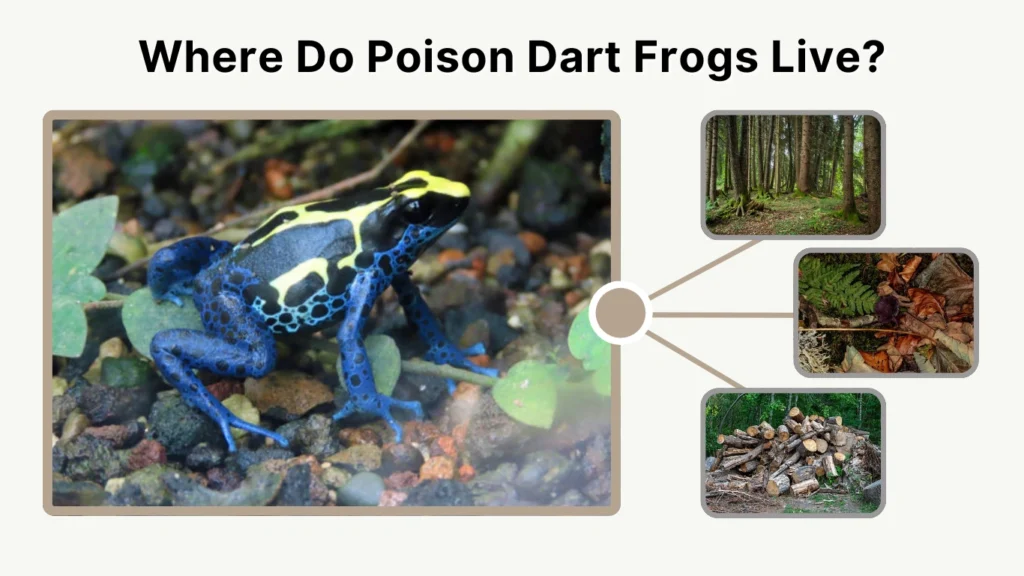
Poison dart frogs live in warm, humid rainforest environments where moisture levels remain high throughout the year. These conditions are essential for their survival, as frogs absorb water through their skin rather than drinking it directly.
They are commonly found on the forest floor, among leaf litter, fallen logs, and low vegetation. Some species also live in trees, especially near small pools of water where tadpoles can develop.
Countries and Regions They Are Found In
Poison dart frogs are native to Central and South America. They can be found in countries such as Colombia, Brazil, Peru, Ecuador, Panama, and Costa Rica. Each region supports different species adapted to local climates and ecosystems.
Physical Characteristics of Poison Dart Frogs
One of the most striking poison dart frog facts is their appearance. Despite their small size, these frogs display some of the brightest colors in the animal world. Most species are between 0.5 and 2 inches long and have smooth, glossy skin.
Their bodies are compact with long legs that allow them to move quickly through dense vegetation. Unlike many frogs, poison dart frogs are active during the day, which makes their bright coloring especially noticeable.
Bright Colors and Warning Signals
The vivid colors of poison dart frogs serve as a warning to predators. This adaptation, known as aposematism, signals that the frog is toxic and should not be eaten. Bright blues, yellows, reds, greens, and even combinations of multiple colors are common among different species.
Predators that attempt to eat a poison dart frog often learn quickly to avoid them in the future, increasing the frog’s chances of survival.
How Poisonous Are Poison Dart Frogs?
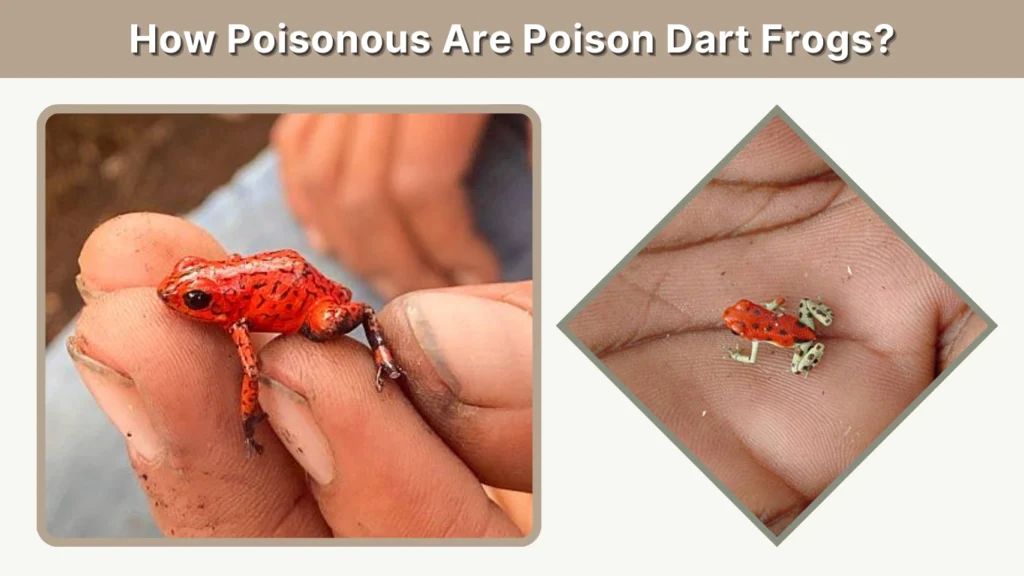
Poison dart frogs vary widely in how toxic they are. Some species produce mild toxins that cause irritation, while others are extremely dangerous. The golden poison dart frog (Phyllobates terribilis) is considered one of the most poisonous animals on Earth.
A single frog can carry enough toxin to kill multiple adult humans. However, these toxins are used strictly for defense and are not actively injected like venom.
Why Poison Dart Frogs Are Poisonous
Poison dart frogs do not produce poison naturally. Instead, their toxicity comes from their diet in the wild. They consume insects such as ants and mites that contain chemical compounds called alkaloids. These compounds are stored in the frog’s skin, making them poisonous to predators.
Are All Poison Dart Frogs Dangerous?
Not all poison dart frogs are equally dangerous. Some species have very low toxicity and pose little threat to humans. In captivity, poison dart frogs are generally non-poisonous because they no longer eat the insects that provide the necessary toxins.
What Do Poison Dart Frogs Eat?
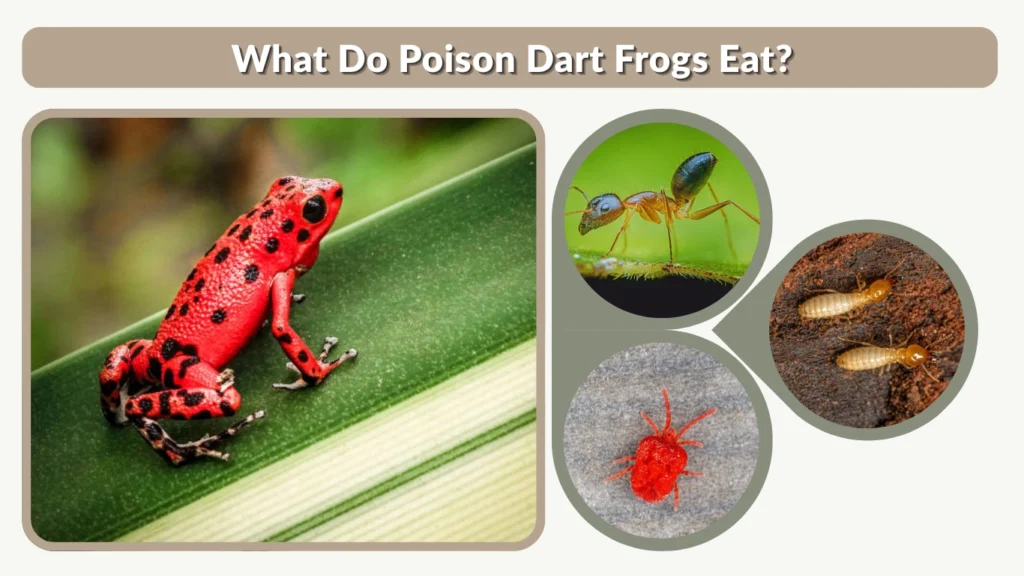
Poison dart frogs are insectivores, meaning they eat small insects and other tiny invertebrates. In the wild, their diet includes ants, termites, mites, and small beetles. They hunt during the day, using their sharp eyesight to detect moving prey.
Diet in the Wild vs Captivity
In captivity, poison dart frogs are commonly fed fruit flies, pinhead crickets, and springtails. These foods keep them healthy but do not provide the toxins found in their natural diet.
Behavior and Daily Life
Poison dart frogs are diurnal animals, meaning they are active during the day. This behavior is unusual for frogs, as many amphibians are nocturnal. Their toxicity and bright colors allow them to move openly without relying on darkness or camouflage for protection.
They are also known to be territorial, especially males. Males often defend small areas of land where they call to attract females. These calls are soft but distinct and help establish dominance over rival males while signaling readiness to mate.
Communication and Mating Calls
Poison dart frogs communicate primarily through vocalizations. Male frogs produce repeated calls to attract females and warn other males to stay away. Each species has a unique call, allowing frogs to identify members of their own species within dense rainforest environments.
Reproduction and Life Cycle
Reproduction is one of the most fascinating poison dart frog facts. Unlike many amphibians, poison dart frogs show a high level of parental care. Females lay small clusters of eggs on leaves or moist surfaces rather than directly in water.
Once the eggs hatch, one of the parents—usually the male—carries the tadpoles on their back to a water source. These water sources are often tiny pools found in leaves, tree holes, or bromeliads.
Parental Care in Poison Dart Frogs
Some species go even further in caring for their young. Female frogs may return regularly to feed tadpoles with unfertilized eggs, providing them with essential nutrients. This level of care greatly increases survival rates in harsh rainforest environments.
Lifespan of Poison Dart Frogs
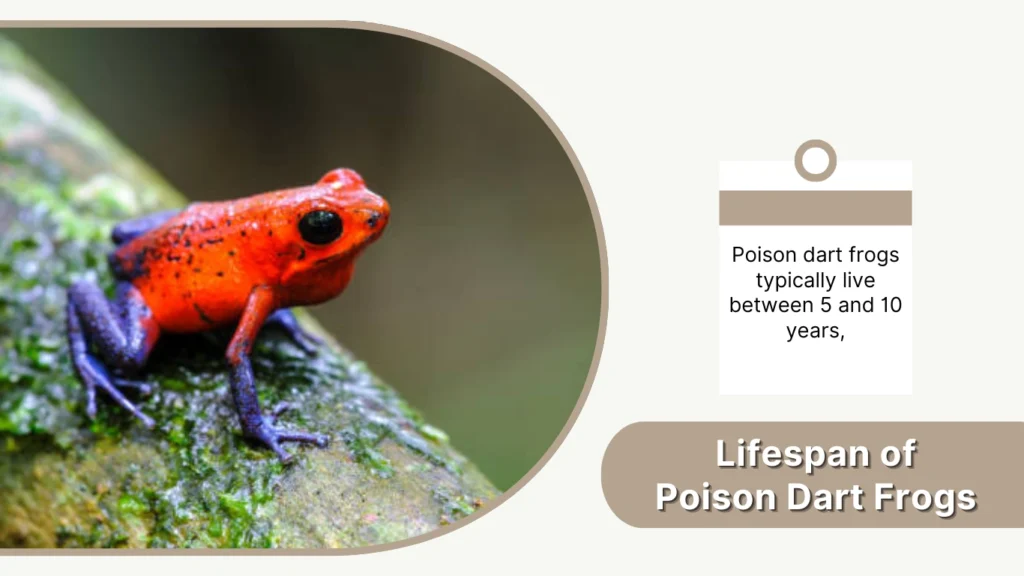
In the wild, poison dart frogs typically live between 5 and 10 years, depending on the species and environmental conditions. Threats such as predators, habitat loss, and disease can shorten their lifespan.
In captivity, however, poison dart frogs often live much longer—sometimes up to 15 years or more. Proper care, a controlled diet, and the absence of predators contribute to their increased longevity.
Natural Predators and Defense Mechanisms
Despite their toxicity, poison dart frogs still face predators in the wild. Some snakes and birds have developed resistance to their toxins. However, their bright colors and poisonous skin remain highly effective defense mechanisms.
The toxins cause predators to feel sick or experience paralysis, discouraging future attacks. Over time, predators learn to associate the frog’s vivid appearance with danger, increasing the frog’s survival chances.
Conservation Status and Threats
Many poison dart frog species are threatened due to habitat destruction. Deforestation, agriculture, and climate change are major factors reducing rainforest ecosystems. Because these frogs rely on specific environmental conditions, even small changes can have serious consequences.
The illegal pet trade has also impacted some populations. Although captive breeding programs exist, wild-caught frogs are still sometimes taken from their natural habitats.
Conservation Efforts and Protection
Conservation efforts focus on protecting rainforest habitats and supporting ethical captive breeding programs. Education and awareness play a crucial role in reducing demand for wild-caught frogs and preserving biodiversity.
Interesting Poison Dart Frog Facts
Poison dart frogs come in a wide range of colors and patterns, and no two species look exactly alike. Despite their toxicity, captive poison dart frogs are safe to handle because they lack poisonous diets. Some species are less than an inch long, yet they possess toxins powerful enough to deter large predators.
Another interesting fact is that not all poison dart frogs are highly poisonous—some species rely more on their bright colors as a warning rather than actual toxicity.
FAQs
Can poison dart frogs kill humans?
Only a few species, such as the golden poison dart frog, are extremely toxic. In the wild, their poison can be deadly if it enters the bloodstream. However, human deaths are extremely rare, and captive poison dart frogs are harmless because they lack toxic diets.
Why are poison dart frogs so colorful?
Poison dart frogs are brightly colored to warn predators that they are toxic. This defense strategy, called aposematism, helps predators quickly recognize danger. Over time, predators learn to avoid frogs with bold colors, increasing the frogs’ chances of survival.
Are poison dart frogs poisonous in captivity?
No, poison dart frogs kept in captivity are usually not poisonous. Their toxicity comes from eating specific insects in the wild that contain alkaloids. Without these insects, captive frogs do not develop or store poisonous chemicals in their skin.
What is the most poisonous poison dart frog?
The golden poison dart frog (Phyllobates terribilis) is considered the most poisonous frog in the world. It carries enough toxin to kill several adult humans. Despite its danger, it uses poison only for defense, not for hunting.
How long do poison dart frogs live?
In the wild, poison dart frogs typically live between 5 and 10 years, depending on species and environmental conditions. In captivity, where they are protected from predators and disease, they can live 10 to 15 years or even longer.
Conclusion
Poison dart frogs are remarkable amphibians that combine beauty, danger, and complex behavior. From their vibrant colors and powerful toxins to their unique parenting habits, these frogs offer valuable insights into evolution and survival. Understanding poison dart frog facts not only deepens appreciation for these animals but also highlights the importance of protecting their fragile rainforest habitats.