
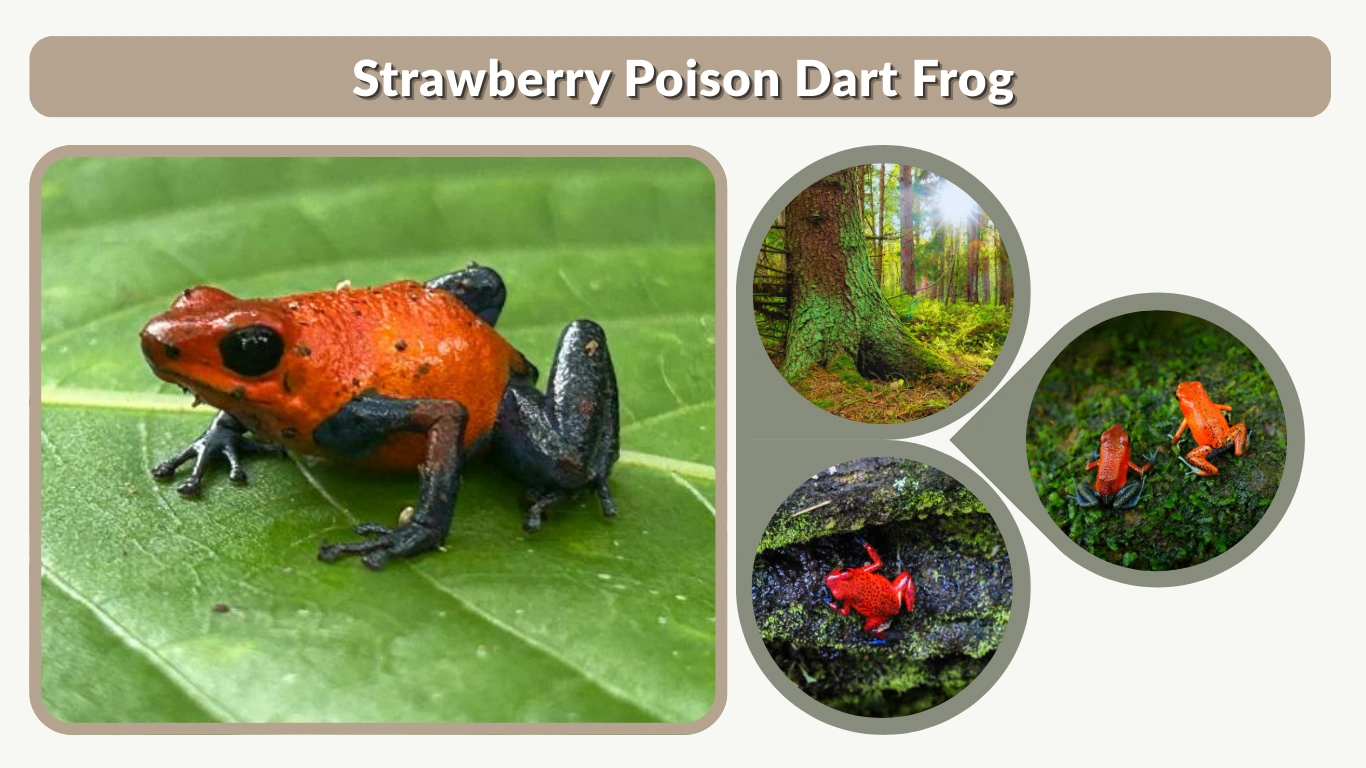
The strawberry poison dart frog is one of the most recognizable amphibians found in the rainforests of Central America. Famous for its bright red coloration and tiny size, this frog is often admired for its beauty while also respected for its toxic skin. Despite its small appearance, the strawberry poison dart frog plays an important role in its ecosystem, helping regulate insect populations and serving as an indicator of rainforest health.
This species is well known not only for its toxicity but also for its remarkable variety of color patterns. From bright red to orange, yellow, and even blue, the strawberry poison dart frog demonstrates how evolution uses color as both a warning and a survival strategy.
What Is a Strawberry Poison Dart Frog?
The strawberry poison dart frog is a small, brightly colored amphibian belonging to the group commonly referred to as poison dart frogs. These frogs earned their name from Indigenous communities that used their toxic secretions to poison the tips of blow darts for hunting. While the strawberry poison dart frog is not the most poisonous of the group, it is still highly toxic in the wild.
This species is especially notable for its bold coloration, which acts as a warning to predators. Instead of hiding, the frog relies on its bright colors to signal danger, making it an excellent example of aposematic, or warning, coloration in nature.
Scientific Name and Classification
The scientific name of the strawberry poison dart frog is Oophaga pumilio. It belongs to the family Dendrobatidae, which includes many species of colorful and toxic frogs found throughout Central and South America. The genus Oophaga is unique because members display advanced parental care, particularly in how they raise their tadpoles.
The name pumilio means “dwarf,” reflecting the frog’s small size. Despite being tiny, this species has been the focus of extensive scientific research due to its toxicity, behavior, and extraordinary color variation.
Physical Appearance and Size
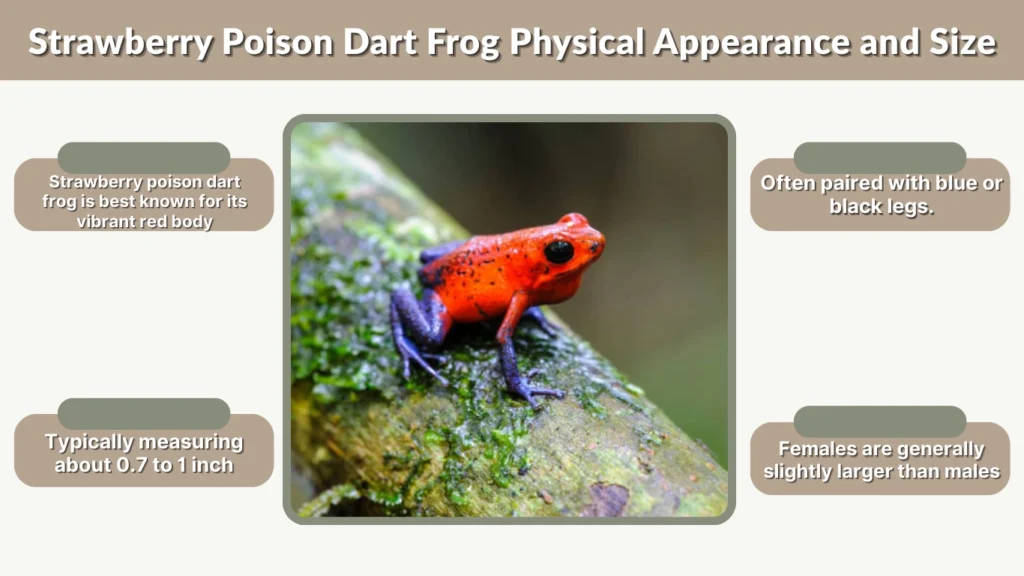
The strawberry poison dart frog is best known for its vibrant red body, often paired with blue or black legs. However, not all individuals look the same. Depending on their geographic location, these frogs can appear in a wide range of colors, including orange, yellow, green, and even turquoise.
This striking coloration serves a defensive purpose. Predators quickly learn to associate the frog’s bright colors with toxicity, reducing the chance of attack. The frog’s smooth, slightly glossy skin enhances the visibility of these warning colors in the dim rainforest environment.
Color Variations Across Regions
One of the most fascinating aspects of the strawberry poison dart frog is its extreme color diversity. Different populations exhibit distinct color patterns, sometimes varying dramatically over short distances. Scientists believe this variation is influenced by genetics, environmental conditions, and predator pressure.
How Big Do Strawberry Poison Dart Frogs Get?
Strawberry poison dart frogs are very small, typically measuring about 0.7 to 1 inch (18 to 25 millimeters) in length. Females are generally slightly larger than males, especially during the breeding season. Despite their small size, their vivid coloration makes them highly noticeable in their natural habitat.
Natural Habitat and Geographic Distribution
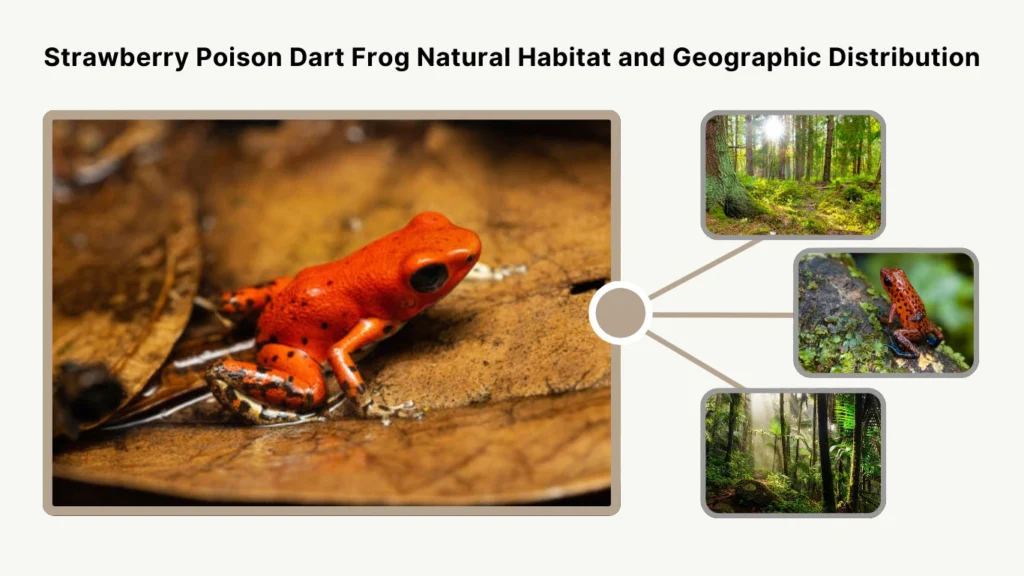
The strawberry poison dart frog is native to Central America, with populations found in countries such as Costa Rica, Nicaragua, and Panama. It thrives in tropical rainforests, particularly in lowland and coastal regions where humidity remains high year-round.
These frogs are most commonly found near the forest floor, where leaf litter and dense vegetation provide shelter and moisture. Unlike many amphibians, they spend much of their lives on land and rely on small water sources only during reproduction.
Rainforest Environment
The rainforest environment provides the ideal conditions for the strawberry poison dart frog. Warm temperatures, frequent rainfall, and dense plant cover help maintain the moisture levels their sensitive skin requires. They often inhabit areas near fallen logs, plant bases, and low-growing vegetation, where insects are abundant and hiding spots are plentiful.
Diet and Feeding Behavior
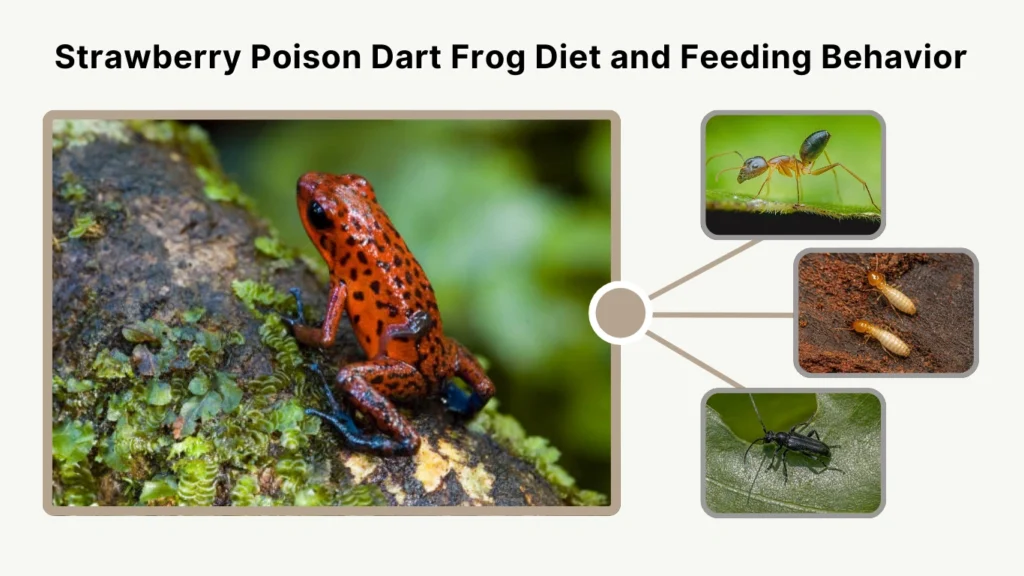
In the wild, strawberry poison dart frogs feed on a variety of small insects and arthropods. Their diet primarily consists of ants, mites, termites, and tiny beetles. These frogs are active during the day and rely on their sharp eyesight to locate moving prey.
They use their long, sticky tongues to quickly capture insects, often consuming many small meals throughout the day. Their feeding behavior is closely tied to their environment, as insect availability directly affects their health and survival.
How Diet Influences Toxicity
The toxins present in the skin of strawberry poison dart frogs are not produced by the frogs themselves. Instead, these chemicals come from compounds found in the insects they eat, particularly ants and mites. As a result, wild frogs are highly toxic, while captive frogs raised on controlled diets lack these toxins.
Poison and Defense Mechanisms
The strawberry poison dart frog relies on chemical defenses to protect itself from predators. Its skin contains toxic alkaloids that can cause serious reactions in animals that attempt to eat it. These toxins are secreted through the skin and act as a powerful deterrent rather than a weapon for attack. The frog’s bright coloration works alongside its toxicity, reinforcing the warning signal to potential predators.
Over time, predators in the rainforest learn to associate the frog’s vivid colors with danger. This learned avoidance significantly increases the frog’s chances of survival and reduces the need for physical confrontation.
Are Strawberry Poison Dart Frogs Dangerous to Humans?
Although the strawberry poison dart frog is toxic in the wild, it poses very little threat to humans. The frog does not bite or inject poison, and its toxins must enter the bloodstream to be dangerous. Casual contact may cause mild skin irritation, but serious poisoning is extremely rare.
In captivity, these frogs are considered harmless because their diet does not include the insects responsible for toxin production. Even so, handling is discouraged to protect the frog’s delicate skin and to avoid unnecessary stress.
Behavior and Daily Lifestyle
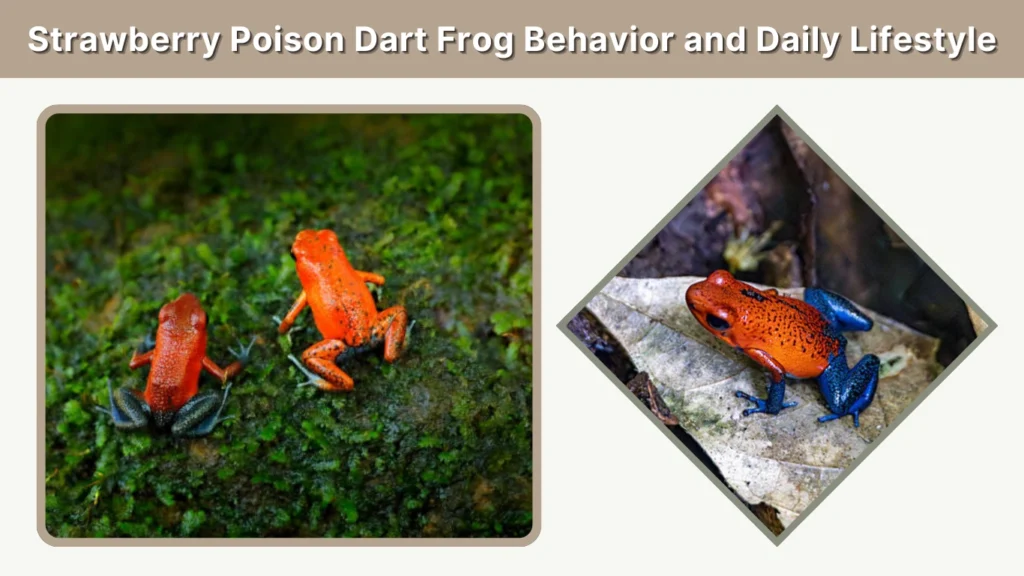
Strawberry poison dart frogs are diurnal, meaning they are active during the day. This behavior allows them to forage for food and interact socially while relying on their warning coloration for protection. Males are territorial and will defend small areas on the forest floor, often using vocal calls rather than physical aggression.
Despite their bold appearance, these frogs are generally shy and prefer to flee rather than confront threats. Their agility and familiarity with their surroundings help them move quickly through dense vegetation.
Communication and Vocalization
Male strawberry poison dart frogs produce soft, repetitive calls to attract females and establish territory. These vocalizations play a key role in mating and social interaction. Each call helps communicate the male’s presence and readiness to breed, reducing competition and confusion during the breeding season.
Reproduction and Life Cycle
Reproduction in strawberry poison dart frogs involves complex courtship behaviors. Males lead females to suitable egg-laying sites, usually on moist leaves or within protected areas on the forest floor. After fertilization, the female lays a small clutch of eggs, which are carefully guarded to prevent dehydration and fungal growth.
Unique Parental Care
One of the most remarkable features of this species is its parental care. Once the eggs hatch, the female transports each tadpole individually on her back to small water-filled spaces such as bromeliad leaf axils. These tiny pools provide a safe environment for development.
The female returns regularly to feed the tadpoles unfertilized eggs, ensuring they receive adequate nutrition. This level of care is rare among amphibians and highlights the species’ advanced reproductive strategy.
Development From Tadpole to Adult
Tadpoles undergo metamorphosis over several weeks, gradually developing limbs and absorbing their tails. Once fully transformed, juvenile frogs leave the water and begin life on the forest floor. As they mature, they develop their characteristic coloration and defensive toxins.
Lifespan and Natural Predators
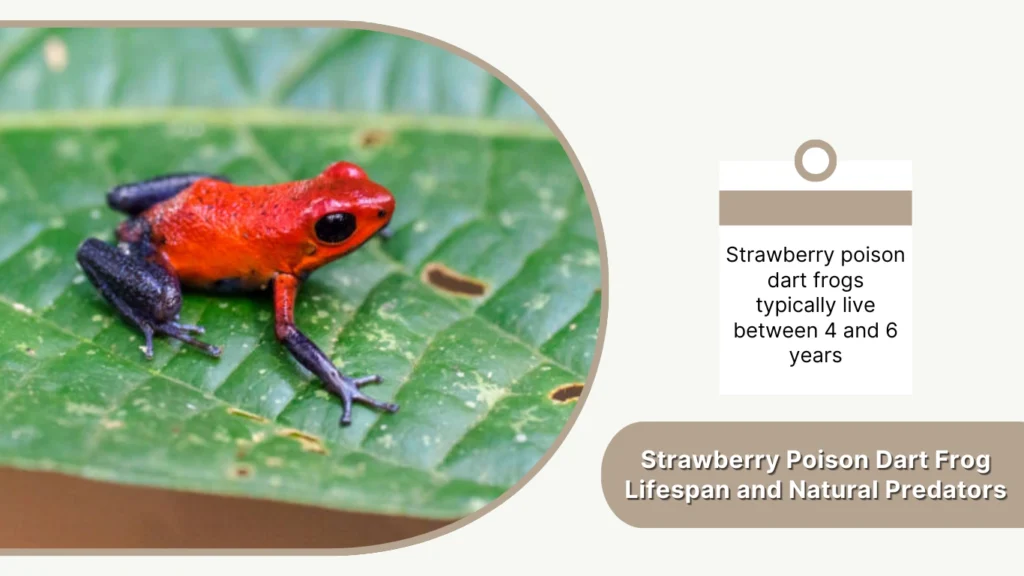
In the wild, strawberry poison dart frogs typically live between 4 and 6 years, though some individuals may survive longer under favorable conditions. In captivity, where threats such as predators and environmental stressors are reduced, they can live up to 10 years with proper care.
Predators and Survival Strategies
Natural predators include snakes, birds, and insects that have developed some resistance to toxins. However, the frog’s bright coloration and toxic skin significantly reduce predation. This combination of visual warning and chemical defense remains one of the most effective survival strategies in the rainforest.
Strawberry Poison Dart Frogs in Captivity
Strawberry poison dart frogs are popular among experienced amphibian enthusiasts due to their striking appearance and interesting behavior. However, keeping them in captivity requires a strong understanding of their environmental needs and ethical considerations.
Basic Care Requirements
A proper enclosure must maintain high humidity, warm temperatures, and abundant plant cover. Live plants, hiding spots, and regular misting help replicate natural conditions. Their captive diet typically consists of small insects such as fruit flies and springtails. While they are non-toxic in captivity, handling should be avoided to ensure their well-being.
Conservation Status and Environmental Threats
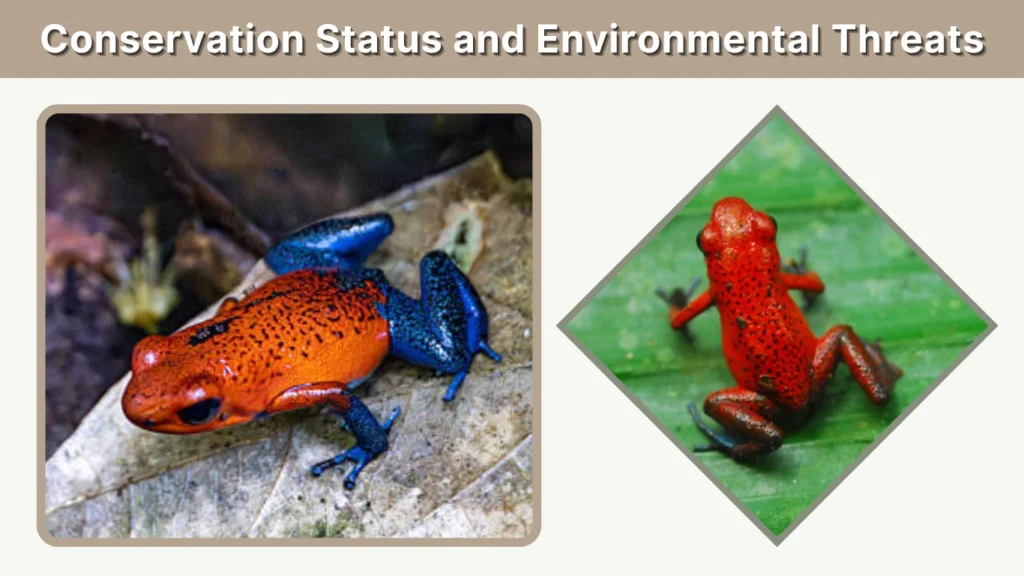
The strawberry poison dart frog is currently classified as a species of least concern, but its populations face increasing pressure from habitat loss and illegal collection. Deforestation for agriculture and development has reduced the availability of suitable rainforest habitats.
Why Conservation Is Important
Protecting the strawberry poison dart frog helps preserve the balance of rainforest ecosystems. These frogs play a role in controlling insect populations and serve as indicators of environmental health. Conservation efforts aimed at protecting rainforest habitats benefit countless species beyond this colorful amphibian.
Interesting Facts About the Strawberry Poison Dart Frog
Strawberry poison dart frogs are known for having one of the widest color variations of any amphibian species. Each population may display unique patterns and hues. Despite their toxicity, they are gentle creatures that rarely show aggression. Their advanced parental care makes them a standout species among frogs.
Conclusion
The strawberry poison dart frog is a remarkable example of nature’s ability to combine beauty, danger, and complexity in a tiny package. From its vivid coloration and toxic defenses to its unique reproductive behavior, this species plays an important role in rainforest ecosystems. Understanding and protecting the strawberry poison dart frog ensures that future generations can continue to appreciate one of the most fascinating amphibians on Earth.