
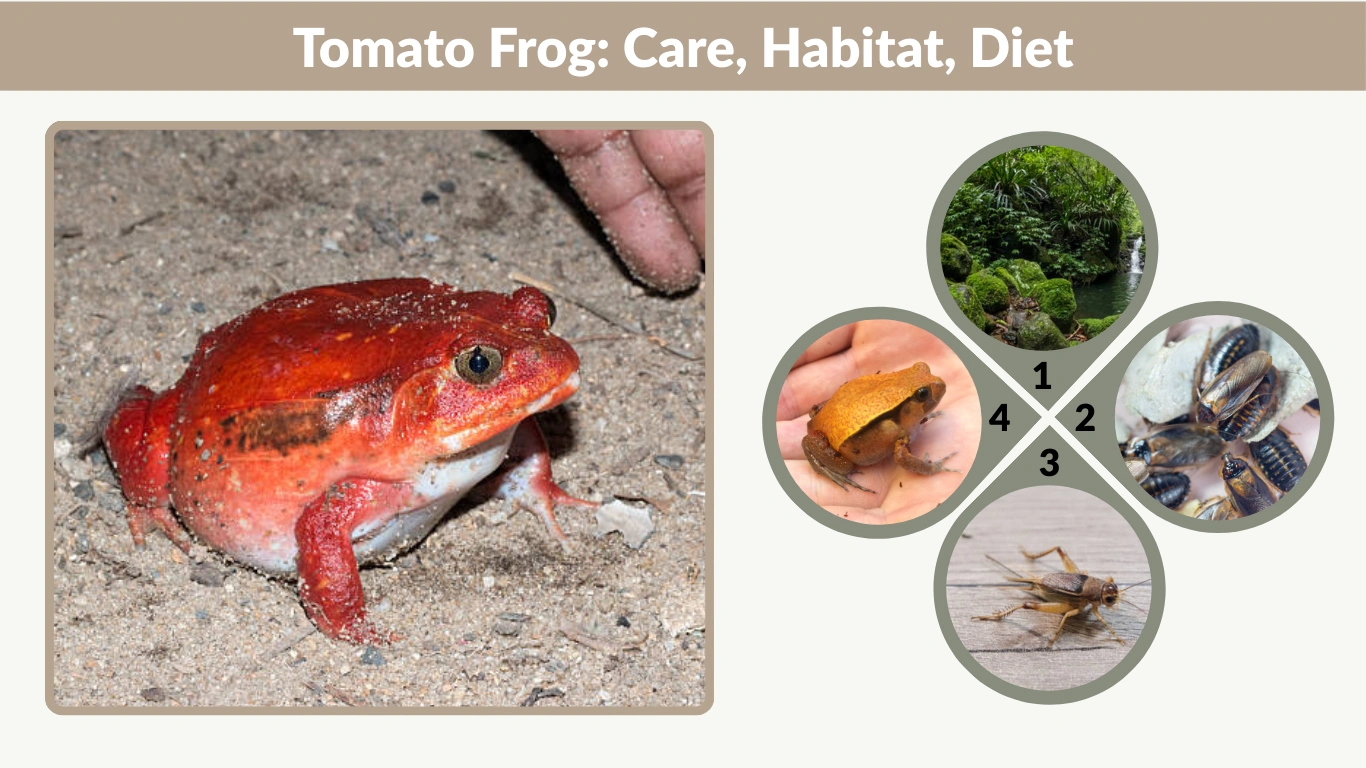
The tomato frog is a brightly colored amphibian native to Madagascar, known for its vivid red-orange body and round, plump appearance. Popular among beginner amphibian keepers, this species is relatively hardy and easy to care for when its humidity and temperature needs are met. Understanding proper tomato frog care, habitat setup, diet, and lifespan expectations is essential for keeping this unique frog healthy. In this guide, we’ll explore everything you need to know to provide the right environment for your pet.
What Is a Tomato Frog?
Tomato frogs belong to the Dyscophus genus and are terrestrial frogs that spend most of their time on the forest floor. They are best known for their bold coloration, which serves as a warning to predators.
Scientific Background
The most commonly kept species are Dyscophus antongilii (the true tomato frog) and Dyscophus guineti (sometimes called the false tomato frog). Both species are native to Madagascar and inhabit tropical environments with high humidity.
These frogs belong to the family Microhylidae, a group known for small to medium-sized frogs with narrow mouths and burrowing tendencies.
Physical Appearance
Tomato frogs have a round, almost balloon-like body shape with short limbs. Females are typically larger and more brightly colored than males, reaching about 4 inches in length, while males usually grow to around 2–3 inches.
Their smooth skin ranges from bright red to orange, especially in females. This vibrant color acts as a warning signal to potential predators. The underside is usually lighter in color, often yellow or pale orange.
Unique Tomato Frog Facts
One of the most interesting tomato frog facts is their defensive behavior. When threatened, they inflate their bodies to appear larger and more difficult to swallow. They also secrete a sticky, white substance from their skin that can irritate a predator’s mouth and eyes.
Tomato frogs are primarily nocturnal, becoming more active in the evening. During the day, they often burrow into moist substrate or hide under leaves and logs to conserve moisture and avoid predators.
Tomato Frog Habitat
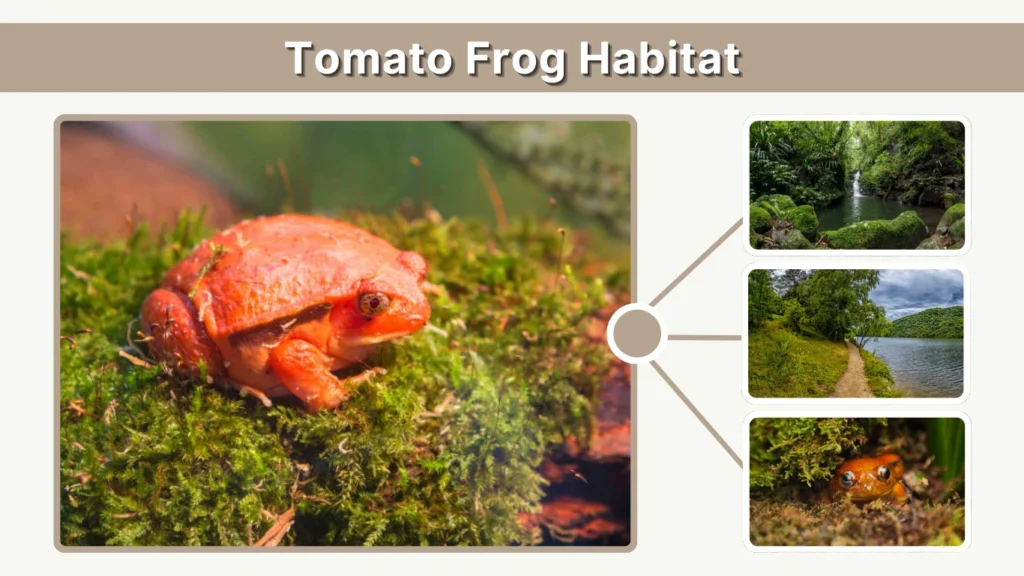
Providing the correct tomato frog habitat is one of the most important aspects of proper care. These frogs rely on warm, humid conditions to stay healthy.
Natural Habitat in the Wild
In Madagascar, tomato frogs live in rainforests, coastal forests, and other humid regions. They are typically found on the forest floor among leaf litter, fallen branches, and soft soil. During the rainy season, they may gather around shallow pools of water for breeding.
The tropical climate provides consistently warm temperatures and high humidity levels year-round. These environmental conditions are crucial for their survival.
Climate and Environmental Conditions
Tomato frogs thrive in warm temperatures between 70–80°F. Slight drops in temperature at night are natural and acceptable. Humidity should remain between 70–80%, mimicking their native tropical environment.
Consistent moisture is vital, as amphibians absorb water through their skin. Low humidity can quickly lead to dehydration and stress.
Creating the Ideal Habitat in Captivity
In captivity, a 10–20 gallon terrarium is sufficient for one adult tomato frog. Because they are terrestrial, floor space is more important than height.
Use a moisture-retaining substrate such as coconut fiber, organic topsoil (without fertilizers), or a soil-moss mix. The substrate should be at least 2–3 inches deep to allow burrowing.
Include hiding spots like cork bark, small logs, or dense plants. A shallow water dish with clean, dechlorinated water should always be available. The water should be shallow enough to prevent accidental drowning.
Proper ventilation is important to prevent mold growth while still maintaining high humidity. Light misting once or twice daily usually helps maintain appropriate moisture levels.
Tomato Frog Care Guide
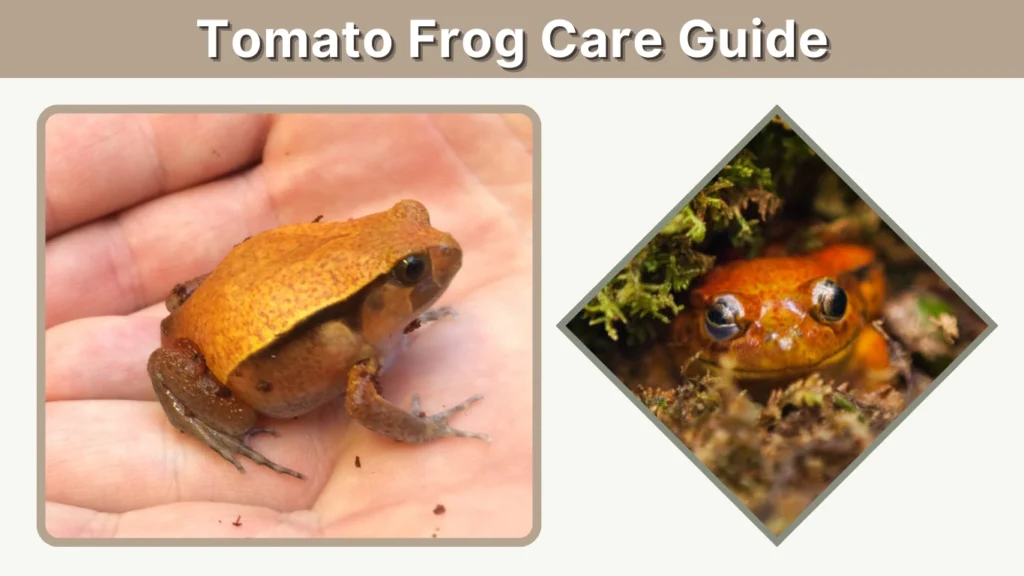
Proper tomato frog care focuses on stable environmental conditions and minimal handling.
Enclosure Setup
A secure terrarium with a tight-fitting lid prevents escapes and helps retain humidity. While elaborate decorations are not necessary, a naturalistic setup can reduce stress and encourage natural behaviors.
Because tomato frogs burrow frequently, avoid heavy decorations that could collapse if the frog digs underneath them.
Temperature and Humidity Requirements
Maintain daytime temperatures between 70–80°F. In cooler homes, a low-wattage heat mat placed on the side of the tank (not underneath) can help maintain warmth. Avoid overheating, as high temperatures can stress the frog.
Humidity should remain consistently high. Regular misting and moisture-retaining substrate help maintain proper levels. A hygrometer can help monitor humidity accurately.
Lighting Needs
Tomato frogs do not require strong UVB lighting like many reptiles. Ambient room lighting that provides a natural day and night cycle is usually sufficient. Some keepers choose to provide low-level UVB lighting, but it is not strictly necessary for healthy adults.
Handling and Temperament
Tomato frogs are not ideal for frequent handling. Their skin is sensitive, and they can become stressed easily. Additionally, the sticky secretion they produce when threatened may irritate human skin.
If handling is necessary, always wash your hands thoroughly before and after contact, and avoid lotions or chemicals that could harm the frog’s delicate skin.
Tomato Frog Diet
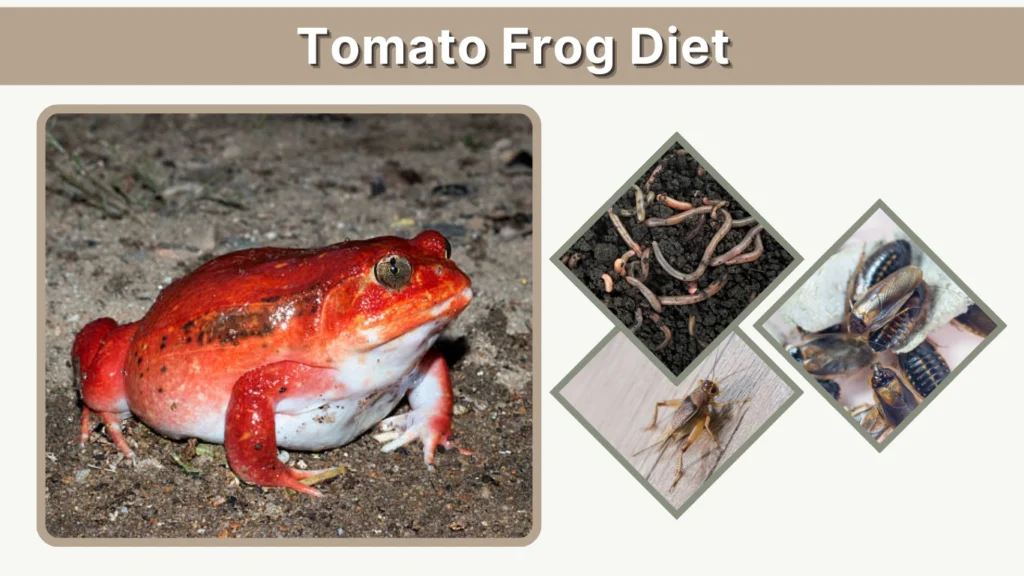
The tomato frog diet consists entirely of live prey. These frogs are carnivorous insectivores that rely on movement to trigger their feeding response. In the wild, they are ambush predators, waiting patiently for insects and small invertebrates to pass by before striking quickly.
What Do Tomato Frogs Eat?
In their natural habitat, tomato frogs consume a variety of insects, worms, and other small invertebrates. Their wide mouths allow them to swallow prey whole. Because they are opportunistic feeders, they will eat almost any appropriately sized moving prey item.
In captivity, offering a varied diet is important to ensure balanced nutrition and prevent deficiencies.
Best Food Options
Healthy food choices for tomato frogs include:
- Crickets
- Dubia roaches
- Earthworms
- Black soldier fly larvae
- Mealworms (occasionally)
- Waxworms (treat only due to high fat content)
Prey should be no larger than the width of the frog’s mouth. Feeding oversized insects can cause digestive issues.
Supplements and Nutrition
To prevent metabolic bone disease and other deficiencies, feeder insects should be dusted with calcium powder several times per week. A reptile/amphibian multivitamin supplement can be added once weekly.
Gut-loading insects—feeding them nutritious foods before offering them to your frog—also improves overall nutritional value.
Feeding Schedule
Juvenile tomato frogs should be fed daily to support proper growth. Adults typically require feeding two to three times per week.
Overfeeding is a common issue. Because tomato frogs have naturally round bodies, it can be difficult to judge healthy weight. However, excessive bloating or difficulty moving may indicate obesity. Offering appropriate portion sizes helps maintain long-term health.
Tomato Frog Lifespan
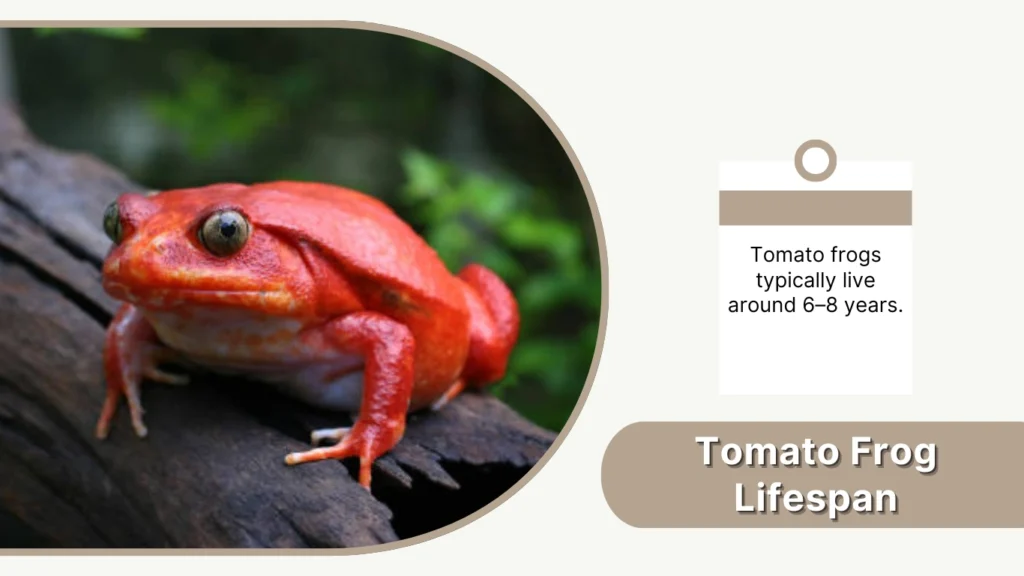
Understanding tomato frog lifespan expectations helps owners prepare for long-term care responsibilities.
Lifespan in the Wild
In their natural environment, tomato frogs typically live around 6–8 years. Predation, habitat changes, and environmental stressors can reduce their lifespan in the wild.
Lifespan in Captivity
With proper tomato frog care, these amphibians often live 8–10 years or more in captivity. Stable humidity, correct temperatures, proper nutrition, and minimal stress significantly contribute to longevity.
Key factors that affect lifespan include:
- Consistent enclosure maintenance
- Balanced, supplemented diet
- Proper humidity levels
- Clean water and substrate
- Low handling stress
Providing a stable and well-maintained environment can dramatically improve overall health and life expectancy.
Behavior and Personality
Tomato frogs are generally calm, sedentary amphibians that prefer to remain hidden for much of the day.
Activity Patterns
They are primarily nocturnal, becoming more active during the evening hours. During the day, they often burrow into substrate or hide beneath décor. This behavior helps them retain moisture and avoid stress.
Unlike arboreal frogs, tomato frogs rarely climb and spend most of their time on the ground.
Defensive Behavior
When threatened, tomato frogs inflate their bodies to appear larger and harder to swallow. Their bright red-orange coloration serves as warning coloration, signaling potential toxicity.
They can also release a sticky white secretion that may irritate predators. While not dangerous to humans, it can cause mild skin irritation, which is another reason to limit handling.
Social Behavior
Tomato frogs are best housed alone. They do not require companionship and may compete for food if kept together. Mixed-species enclosures are not recommended, as environmental needs and feeding behaviors can differ significantly.
Common Health Issues
Although relatively hardy, tomato frogs can develop health problems if their environment is not properly maintained.
Obesity
Overfeeding fatty insects like waxworms can lead to obesity. A balanced feeding schedule and varied diet help prevent weight-related problems.
Skin Infections
Poor sanitation or excessively wet conditions can encourage bacterial or fungal infections. Signs may include unusual skin discoloration, lesions, or lethargy.
Dehydration
Low humidity levels can cause dehydration, leading to wrinkled skin, lethargy, and reduced appetite. Maintaining consistent humidity is crucial.
Routine enclosure cleaning, proper humidity monitoring, and regular observation can help detect and prevent most health issues early.
FAQs
How big do tomato frogs get?
Female tomato frogs typically grow up to 4 inches long, while males remain smaller at around 2–3 inches. Females are also usually more brightly colored.
Are tomato frogs poisonous?
Tomato frogs are not dangerously poisonous to humans, but they do secrete a sticky substance that can cause mild skin irritation. Washing hands after contact is recommended.
Do tomato frogs need UVB lighting?
Strong UVB lighting is not required. Ambient lighting that provides a natural day/night cycle is generally sufficient, though low-level UVB can be optional.
How long do tomato frogs live?
With proper care, tomato frogs commonly live 8–10 years in captivity. In the wild, their lifespan is usually slightly shorter.
What do tomato frogs eat?
They eat live insects such as crickets, roaches, and earthworms. A varied, calcium-supplemented diet supports long-term health.
Conclusion
The tomato frog is a striking and relatively low-maintenance amphibian that thrives in warm, humid environments. By providing the proper habitat, balanced diet, and minimal handling, owners can expect their frog to live a healthy life for many years. Understanding tomato frog care, diet, habitat needs, and lifespan requirements ensures responsible ownership and helps these colorful amphibians flourish in captivity.