
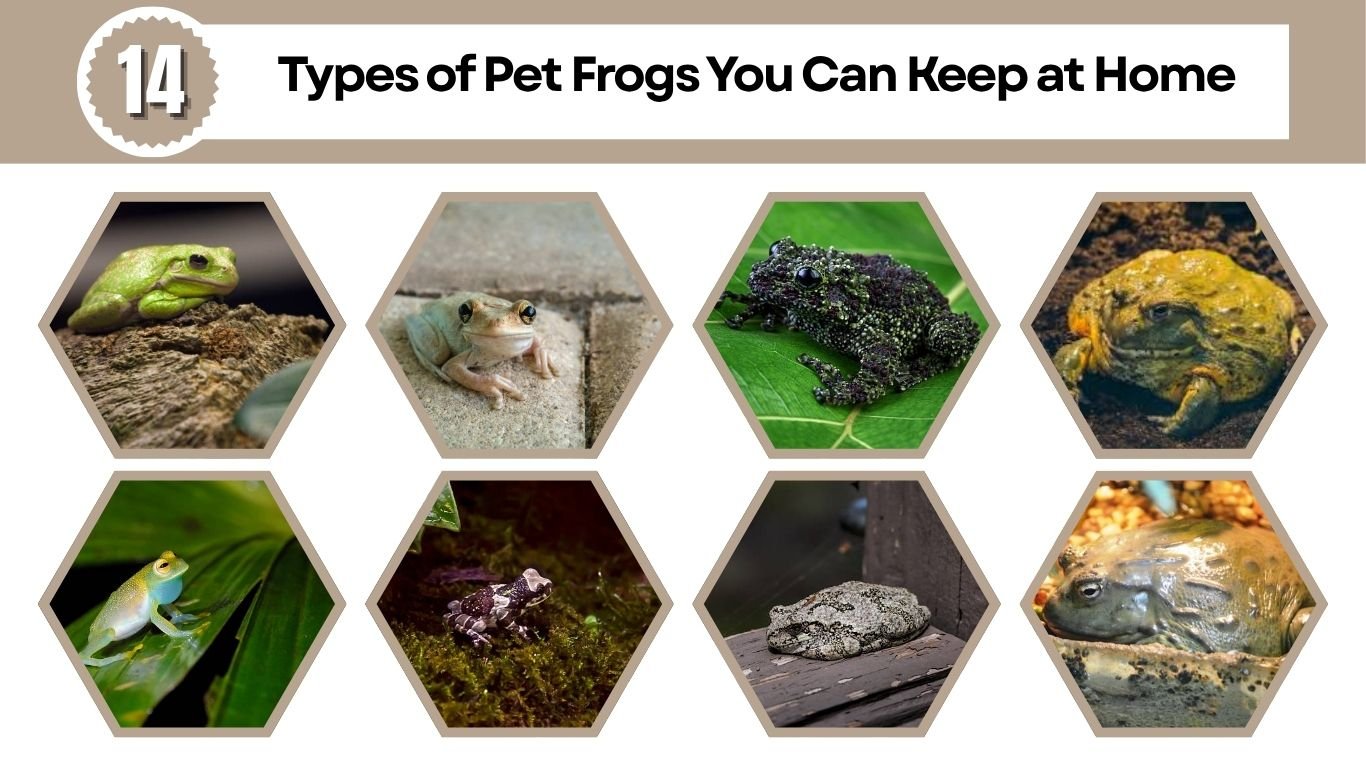
Pet frogs are fascinating, low-maintenance animals that come in a wide variety of shapes, colors, and behaviors. From fully aquatic species to tree-dwelling climbers, each frog has unique care needs and personality traits.
This list introduces 14 popular pet frog types, helping you explore different options whether you are a beginner or an experienced keeper.
1. African Dwarf Frog
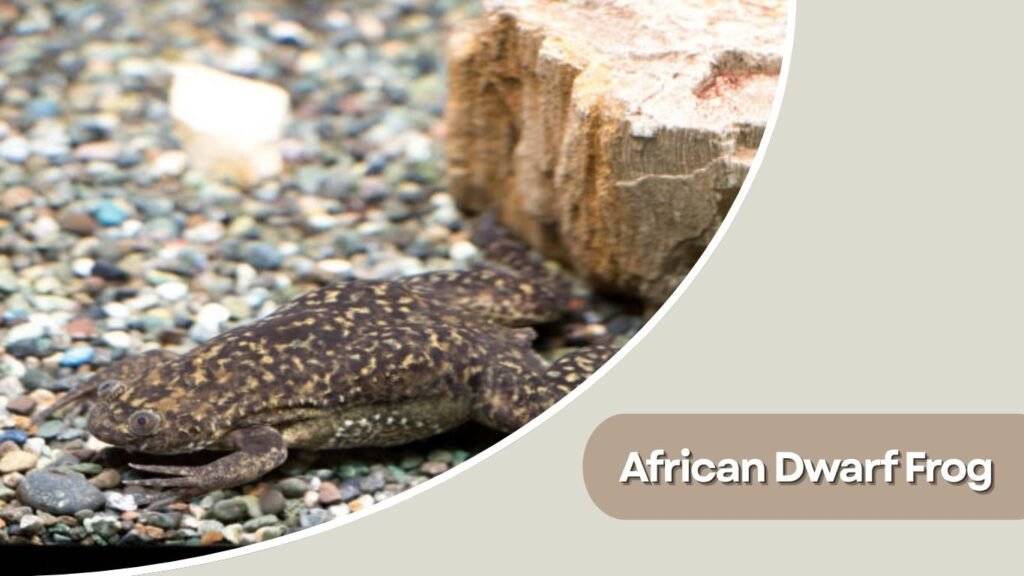
A small, fully aquatic frog that is popular among beginners due to its peaceful nature and relatively simple care requirements. It thrives in freshwater aquariums and is often kept in small groups.
Identification
- Small size, usually 1.5 to 2.5 inches long
- Olive green to brown body with darker speckles
- Smooth, slightly flattened body shape
- Fully webbed feet on both front and hind legs
- Eyes positioned on the sides of the head
Habitat and Tank Setup
African Dwarf Frogs need a fully aquatic environment with clean, dechlorinated water. A tank of at least 5 gallons is suitable for a small group. Provide gentle filtration, low water flow, and hiding spots like plants or decorations to reduce stress.
Feeding and Diet
These frogs are carnivorous and prefer protein-rich foods. Feed them sinking pellets, frozen bloodworms, brine shrimp, or daphnia. Since they have poor eyesight, food should be placed near them to ensure they can find it easily.
Care and Behavior
They are peaceful and social, doing best when kept with their own kind or calm tank mates. Avoid aggressive fish. Maintain stable water temperature (around 72–78°F) and perform regular water changes to keep them healthy and active.
2. White’s Tree Frog
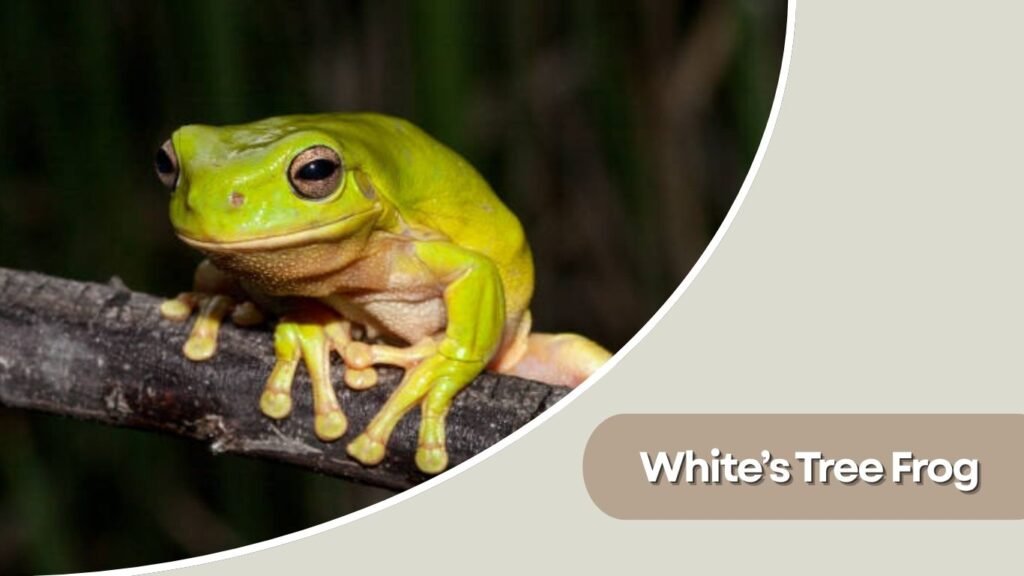
A hardy and friendly frog species known for its calm temperament and adaptability. It is one of the best pet frogs for beginners and is often recognized by its chubby appearance and expressive face.
Identification
- Medium to large size, about 3 to 5 inches long
- Smooth, waxy skin with green to bluish-green color
- White or cream-colored underside
- Large toe pads for climbing
- Rounded body with a slightly “smiling” face
Habitat and Tank Setup
White’s Tree Frogs need a vertical terrarium with plenty of climbing space. Maintain moderate humidity and temperatures between 75–85°F. Include branches, plants, and hiding spots. A secure lid is essential, as they are excellent climbers.
Feeding and Diet
They are insectivores and enjoy a varied diet of crickets, mealworms, waxworms, and occasional roaches. Food should be appropriately sized and dusted with calcium supplements to support bone health and overall growth.
Care and Behavior
These frogs are docile and tolerate handling better than many other species, though frequent handling is not recommended. They are nocturnal, becoming more active at night. Regular cleaning and proper humidity levels are key to preventing skin issues.
3. Pacman Frog
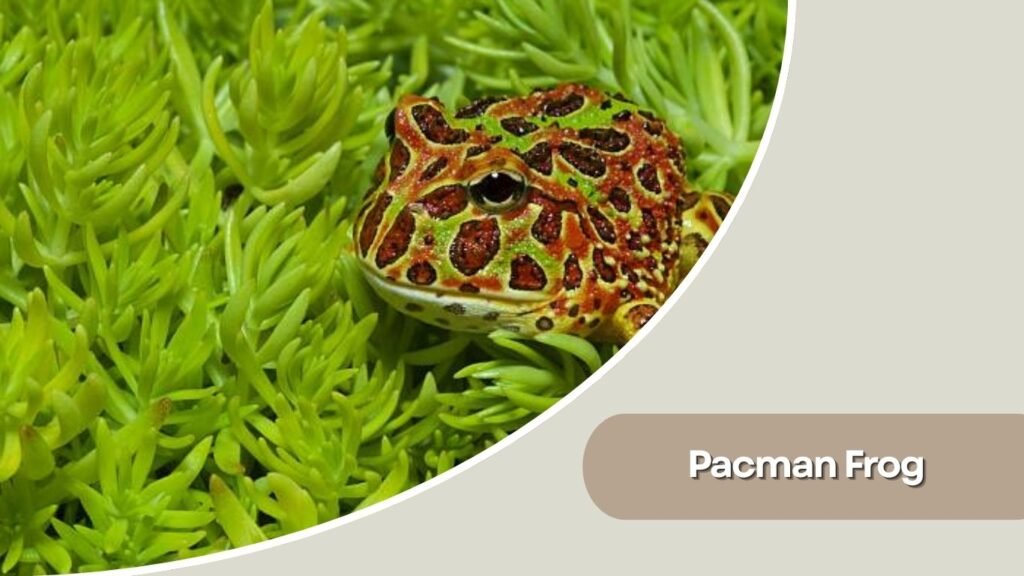
A popular pet frog known for its large mouth and round body. It is mostly sedentary but has a strong appetite, making it an interesting and easy-to-care-for pet for beginners.
Identification
- Round, bulky body with a very large mouth
- Size ranges from 4 to 7 inches
- Bright colors like green, brown, yellow, or albino varieties
- Short limbs with minimal webbing
- Eyes positioned on top of the head
Habitat and Tank Setup
Pacman Frogs require a terrestrial tank with moist substrate like coconut fiber. A 10-gallon enclosure is enough for one frog. Keep humidity high and temperature between 75–85°F. Provide hiding spots and shallow water for soaking.
Feeding and Diet
They are aggressive eaters and consume insects, worms, and occasionally small vertebrates like pinky mice. Feed appropriately sized prey and avoid overfeeding, as they can become obese quickly.
Care and Behavior
These frogs are solitary and should be housed alone. They are ambush predators and prefer staying still for long periods. Handling should be minimal due to their sensitive skin and tendency to bite when threatened.
4. Red-Eyed Tree Frog
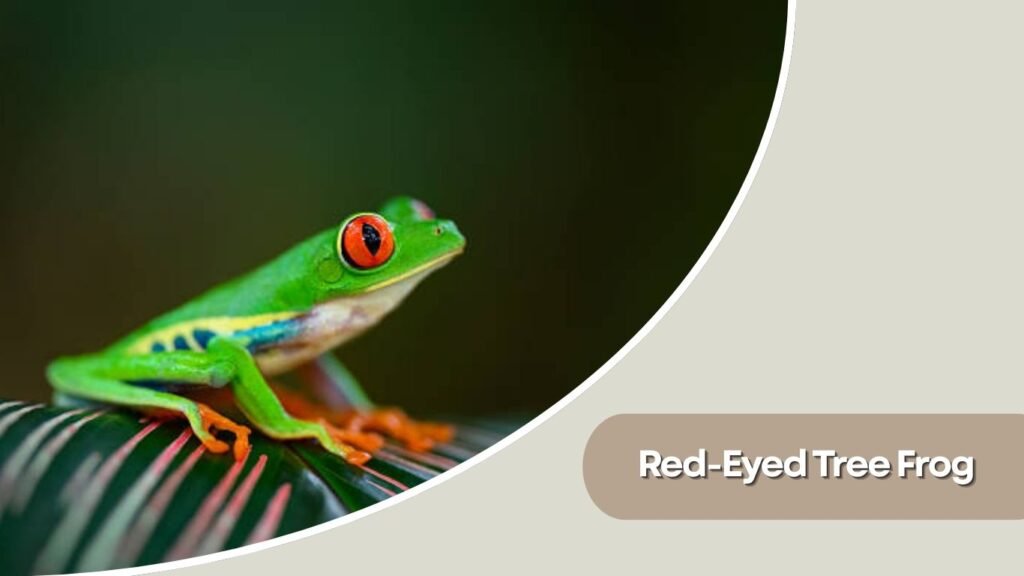
A visually striking frog famous for its bright colors and large red eyes. It is a popular choice for experienced keepers due to its specific care needs and stunning appearance.
Identification
- Bright green body with blue and yellow striped sides
- Large, vivid red eyes
- Orange or red feet with sticky toe pads
- Slender body, typically 2 to 3 inches long
- Smooth skin with a slightly glossy look
Habitat and Tank Setup
Red-Eyed Tree Frogs need a tall, well-ventilated terrarium with high humidity (60–80%). Maintain temperatures between 75–85°F. Include plenty of plants, branches, and foliage for climbing and hiding, along with a shallow water source.
Feeding and Diet
They mainly eat live insects such as crickets, flies, and small roaches. Food should be gut-loaded and dusted with calcium supplements. Feeding is usually done at night since they are nocturnal hunters.
Care and Behavior
These frogs are shy and best suited for observation rather than handling. They are nocturnal and spend most of the day resting on leaves. Maintaining proper humidity and cleanliness is essential for their health and vibrant coloration.
5. Tomato Frog
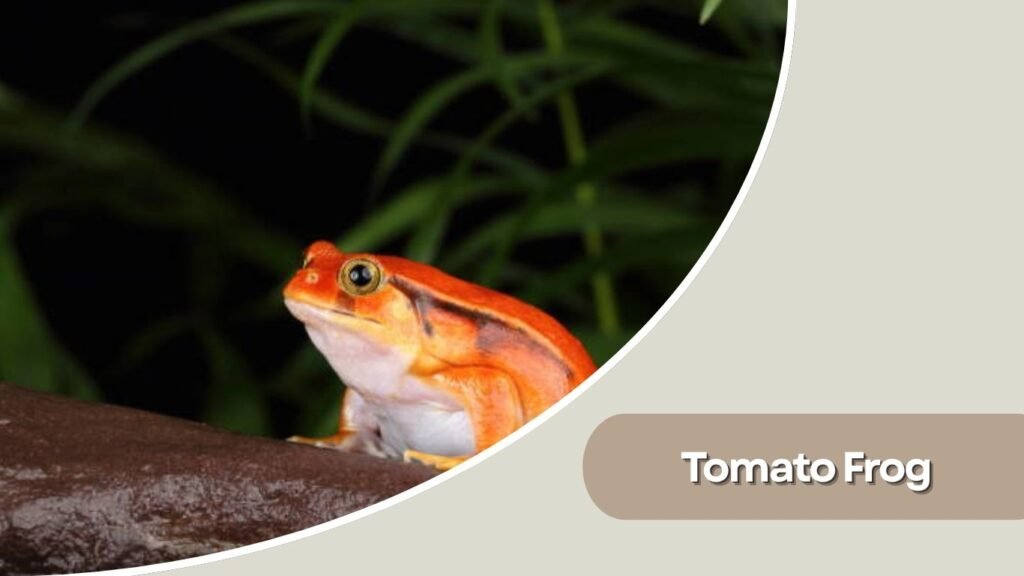
A bright and colorful frog known for its bold red-orange appearance. It is relatively easy to care for and is a good choice for beginners who want a low-maintenance pet.
Identification
- Round, plump body shape
- Bright red, orange, or reddish-brown coloration
- Size ranges from 2.5 to 4 inches
- Smooth skin with a slightly sticky texture
- Females are larger and more vibrant than males
Habitat and Tank Setup
Tomato Frogs require a terrestrial enclosure with a moist substrate like coconut fiber or soil. A 10-gallon tank works well for one frog. Keep humidity levels high and temperature between 70–80°F, with hiding spots and shallow water available.
Feeding and Diet
They are insectivores and eat crickets, worms, and other small insects. Feed them 2–3 times a week with properly sized prey. Dust food with calcium supplements to ensure proper nutrition.
Care and Behavior
These frogs are mostly inactive and prefer to burrow in the substrate. They are not ideal for handling, as they can secrete a sticky substance when stressed. With proper care, they are hardy and can live for several years.
6. Fire-Bellied Toad
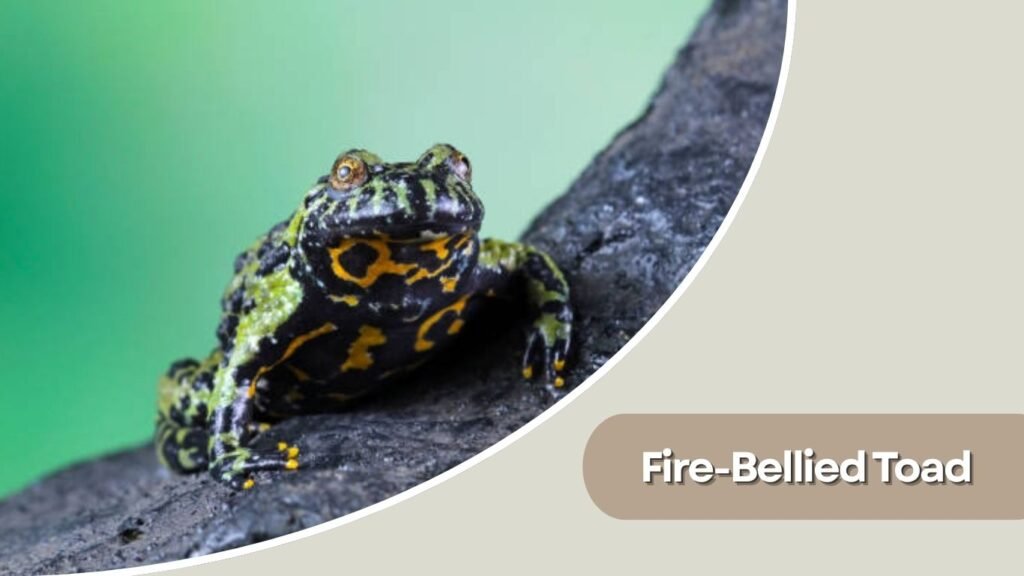
A small, semi-aquatic amphibian known for its bright belly colors and active behavior. It is a popular pet due to its hardiness and interesting display habits.
Identification
- Bright green and black patterned back
- Vibrant orange or red belly with dark spots
- Small size, around 1.5 to 2.5 inches
- Slightly bumpy skin texture
- Compact body with short limbs
Habitat and Tank Setup
Fire-Bellied Toads need a semi-aquatic enclosure with both land and water areas. Maintain moderate humidity and temperatures between 70–78°F. Use clean, shallow water and provide rocks or platforms for resting.
Feeding and Diet
They eat small live insects such as crickets, flies, and worms. Feed them regularly with appropriately sized prey. Dust food with calcium and vitamin supplements to keep them healthy.
Care and Behavior
These toads are active during the day and enjoy exploring their environment. They can be kept in groups but should not be handled often, as their skin secretes mild toxins. Proper tank cleanliness and water quality are essential for their well-being.
7. Budgett’s Frog
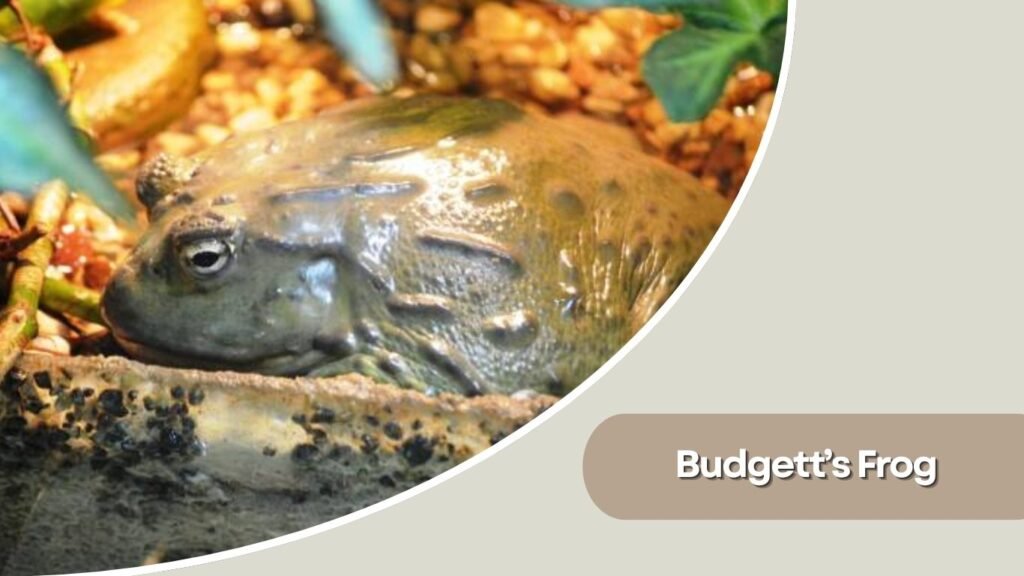
A unique and quirky frog known for its flat body and wide mouth. It is relatively hardy but best suited for keepers who understand its specific care and feeding habits.
Identification
- Flat, wide body with a large head
- Mouth extends almost the width of the body
- Greenish or gray color with dark patterns
- Small eyes positioned on top of the head
- Grows up to 4 to 5 inches in length
Habitat and Tank Setup
Budgett’s Frogs need a semi-aquatic tank with shallow water and some land area. Maintain temperatures between 75–82°F. Use clean, dechlorinated water and provide hiding spots. A gentle filtration system helps maintain water quality.
Feeding and Diet
They are carnivorous and have a strong appetite. Feed them insects, worms, small fish, and occasional pinky mice. Food should be given carefully, as they can be aggressive feeders and may bite.
Care and Behavior
These frogs are known for their defensive behavior and may make sounds or lunge when threatened. They are best kept alone and should not be handled often. Regular cleaning and stable conditions are important for their health.
8. Budgett’s Frog
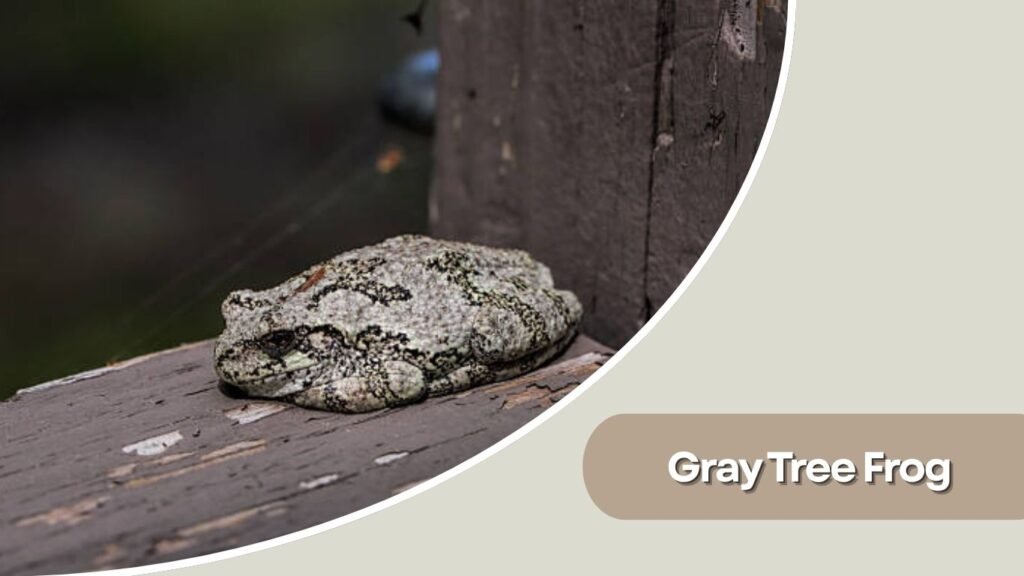
A small, adaptable tree frog known for its ability to change color and its distinctive call. It is a good choice for intermediate keepers who enjoy observing natural behaviors.
Identification
- Color ranges from gray to green depending on surroundings
- Rough, slightly bumpy skin texture
- Size typically 1.5 to 2 inches
- Bright yellow or orange markings on inner thighs
- Large toe pads for climbing
Habitat and Tank Setup
Gray Tree Frogs need a vertical terrarium with good ventilation and moderate humidity. Keep temperatures between 70–80°F. Provide branches, plants, and hiding spots to mimic a natural environment and support climbing behavior.
Feeding and Diet
They feed on small live insects like crickets, moths, and flies. Offer food every few days and dust it with calcium supplements. Feeding usually happens at night when they are most active.
Care and Behavior
These frogs are nocturnal and quite active after dark. They are best kept as display pets and not handled frequently. Maintaining proper humidity and a clean enclosure helps keep them healthy and stress-free.
9. Amazon Milk Frog
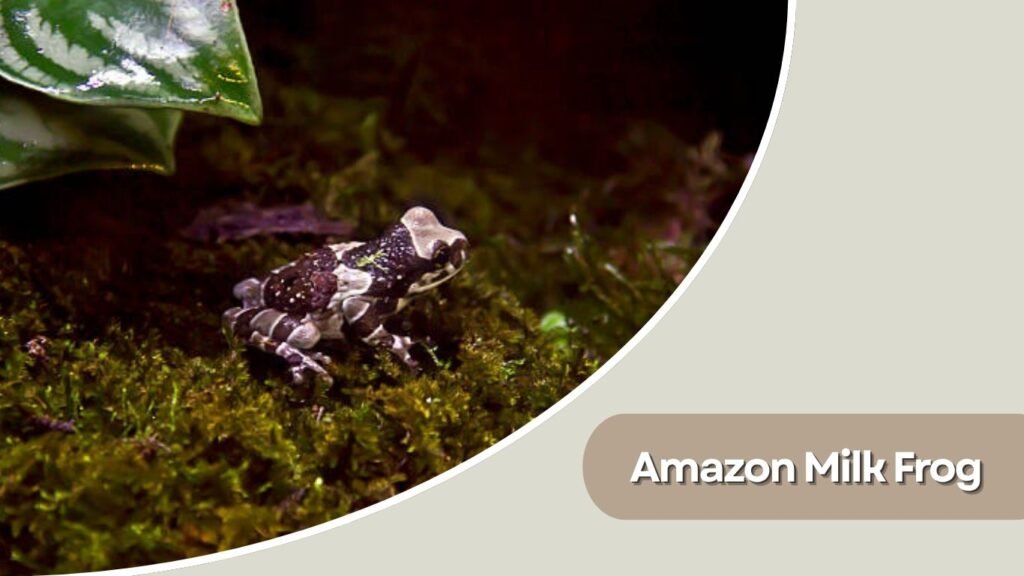
A large and attractive tree frog known for its smooth skin and striking banded pattern. It is popular among hobbyists for its unique appearance and relatively calm nature.
Identification
- Light gray or bluish body with dark brown or black bands
- Smooth, slightly sticky skin
- Size ranges from 2.5 to 4 inches
- Large toe pads for climbing
- Big, expressive eyes with a gentle look
Habitat and Tank Setup
Amazon Milk Frogs require a tall terrarium with high humidity (60–80%) and temperatures between 75–85°F. Include plenty of branches, plants, and hiding areas. Regular misting is important to maintain proper moisture levels.
Feeding and Diet
They eat a variety of insects such as crickets, roaches, and worms. Feed them several times a week with properly sized prey. Dust food with calcium and vitamins to support healthy growth.
Care and Behavior
These frogs are mostly nocturnal and spend their days resting. They are generally calm but should not be handled often due to sensitive skin. Keeping humidity stable and the enclosure clean is essential for their long-term health.
10. Glass Frog
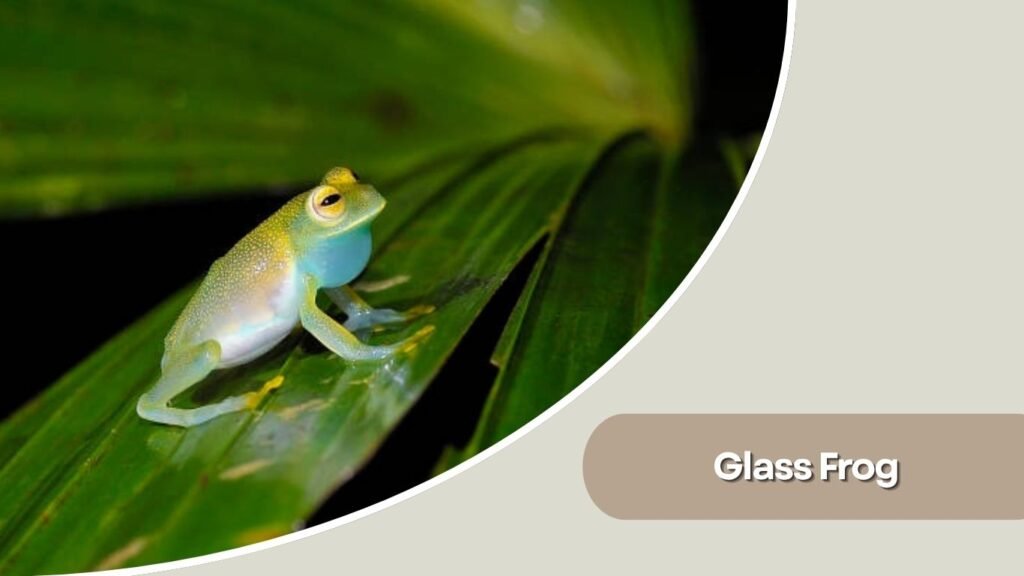
A fascinating frog known for its translucent skin, which can make internal organs visible. It is a delicate species best suited for experienced keepers.
Identification
- Translucent or semi-transparent green body
- Visible internal organs through the underside
- Small size, usually 1 to 3 inches
- Smooth skin with a soft texture
- Large forward-facing eyes
Habitat and Tank Setup
Glass Frogs need a well-planted, high-humidity terrarium that mimics a rainforest environment. Maintain humidity above 70% and temperatures between 70–80°F. Provide leaves, branches, and a clean water source for climbing and resting.
Feeding and Diet
They feed on very small live insects such as fruit flies, pinhead crickets, and tiny moths. Feed them regularly with properly sized prey, and ensure food is easy to catch due to their delicate nature.
Care and Behavior
These frogs are sensitive and require stable conditions. They are nocturnal and prefer minimal disturbance. Handling should be avoided, and maintaining clean, humid surroundings is crucial for their survival and well-being.
11. Pixie Frog
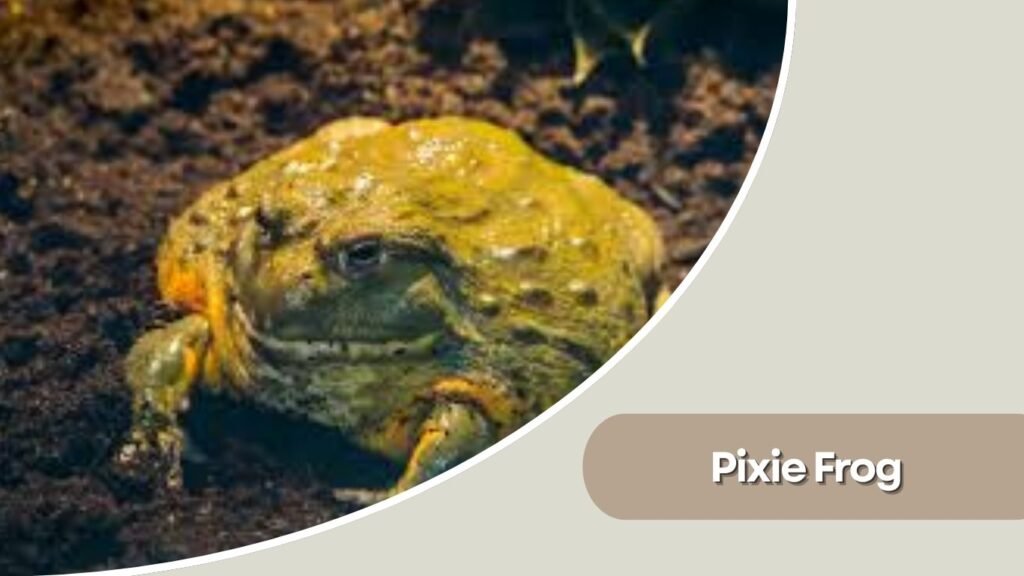
A large and powerful frog known for its size and bold personality. It is popular among experienced keepers but requires careful handling due to its aggressive feeding behavior.
Identification
- Very large size, up to 8–10 inches (males larger than females)
- Olive green to brown coloration
- Thick, heavy body with a wide head
- Strong legs and large mouth
- Rough, slightly textured skin
Habitat and Tank Setup
Pixie Frogs need a spacious terrestrial enclosure with moist substrate for burrowing. Keep temperatures between 75–85°F and maintain moderate humidity. Provide a shallow water dish and hiding areas for comfort.
Feeding and Diet
They are voracious eaters and consume insects, worms, small rodents, and even other small animals. Feed them carefully with appropriate portions to avoid obesity. Always use feeding tools to prevent accidental bites.
Care and Behavior
These frogs are solitary and highly territorial. They can be aggressive and may bite if threatened. Handling should be minimal. Regular cleaning, proper humidity, and a stable environment are essential for keeping them healthy.
12. Vietnamese Mossy Frog
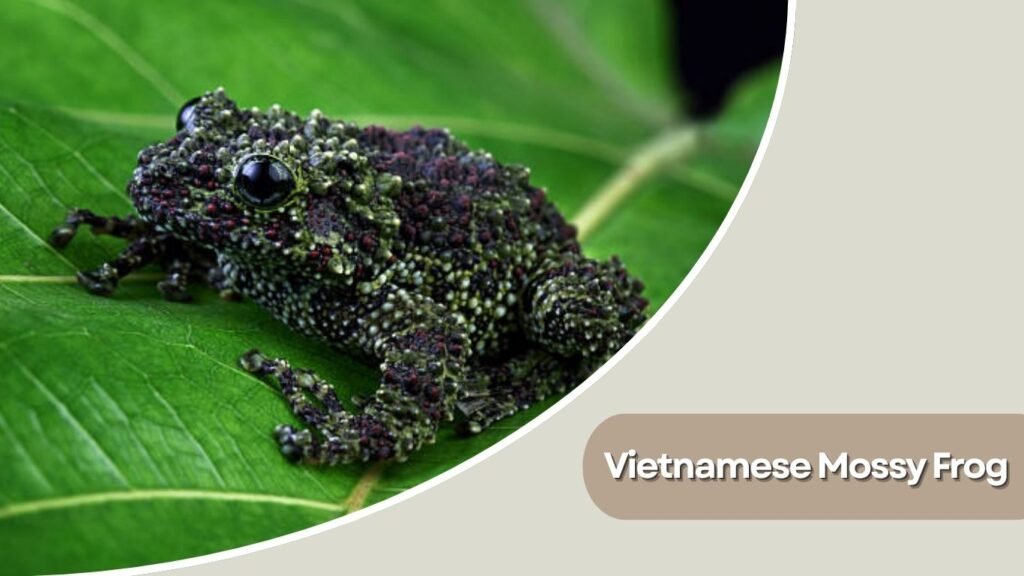
A unique and camouflaged frog that resembles moss-covered rocks. It is popular for its unusual appearance and is best suited for experienced keepers.
Identification
- Green and black mottled pattern resembling moss
- Bumpy, rough skin texture
- Medium size, about 2.5 to 3.5 inches
- Stout body with short limbs
- Eyes blend well with body coloration
Habitat and Tank Setup
Vietnamese Mossy Frogs need a semi-aquatic terrarium with high humidity and cooler temperatures around 70–78°F. Include water areas, rocks, plants, and hiding spots to mimic a natural stream environment.
Feeding and Diet
They feed on live insects such as crickets, worms, and small roaches. Offer food regularly and ensure it is properly sized. Dust prey with calcium and vitamin supplements for balanced nutrition.
Care and Behavior
These frogs are shy and rely on camouflage for protection. They are mostly nocturnal and prefer minimal disturbance. Handling should be avoided, and maintaining clean water and proper humidity is crucial for their health.
13. Cuban Tree Frog
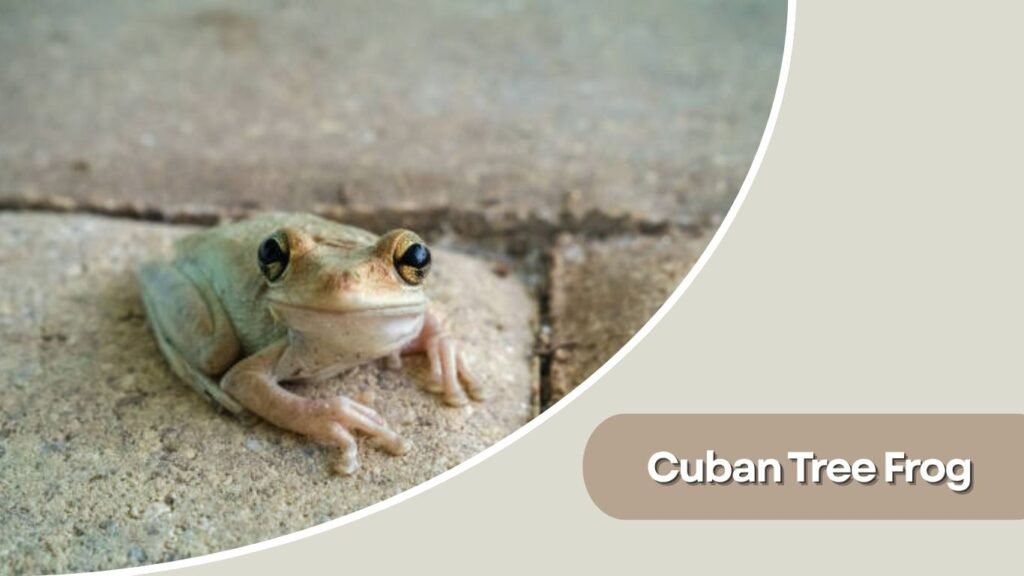
A large and hardy tree frog known for its adaptability and strong climbing ability. It is easy to care for but not always recommended for beginners due to its invasive nature and behavior.
Identification
- Large size, typically 3 to 5.5 inches
- Warty skin with colors ranging from gray to green or brown
- Ability to change color slightly
- Large toe pads for strong grip
- Prominent eyes with a somewhat rough appearance
Habitat and Tank Setup
Cuban Tree Frogs require a tall terrarium with good ventilation and moderate to high humidity. Keep temperatures between 75–85°F. Include branches, plants, and hiding spots for climbing and resting.
Feeding and Diet
They are opportunistic feeders and eat insects, small frogs, and even small reptiles. Feed them crickets, roaches, and worms. Ensure proper portion control to avoid overfeeding.
Care and Behavior
These frogs are active climbers and mostly nocturnal. They can be aggressive and should be housed alone. Their skin secretions can be irritating, so handling should be minimal. Regular cleaning and proper humidity are essential for good health.
14. Barking Tree Frog
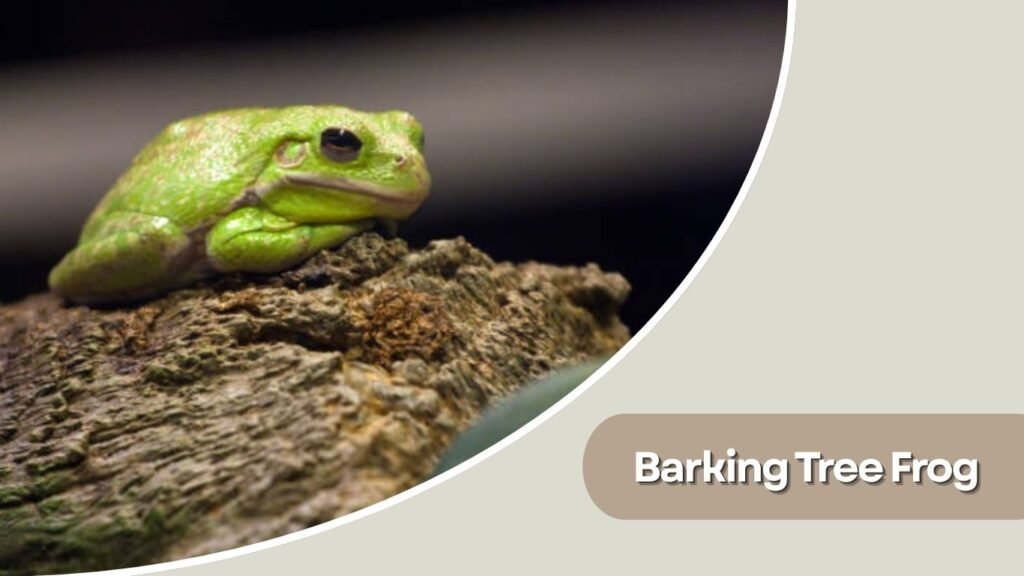
A medium-sized tree frog known for its distinctive call that sounds like a dog barking. It is relatively hardy and suitable for keepers with some experience.
Identification
- Bright green body with scattered dark spots
- Cream or yellow underside
- Size ranges from 2 to 3 inches
- Smooth skin with a slightly glossy look
- Large toe pads for climbing
Habitat and Tank Setup
Barking Tree Frogs need a vertical terrarium with moderate humidity and good airflow. Maintain temperatures between 70–80°F. Provide branches, plants, and hiding spots to support natural climbing and resting behavior.
Feeding and Diet
They feed on small live insects such as crickets, flies, and moths. Offer food several times a week and ensure it is dusted with calcium and vitamins for proper nutrition.
Care and Behavior
These frogs are nocturnal and active at night. They are generally calm but prefer minimal handling. Keeping a clean enclosure and maintaining stable humidity and temperature are key to their health and well-being.
FAQs
What is the best frog for beginners?
African Dwarf Frogs and White’s Tree Frogs are excellent for beginners. They are hardy, easy to care for, and adapt well to simple setups. Their calm nature and straightforward feeding needs make them ideal for first-time frog owners.
Do pet frogs need a lot of maintenance?
Most pet frogs are relatively low-maintenance compared to other pets. However, they still require regular feeding, clean water, proper humidity, and periodic tank cleaning. Consistent care is important to keep them healthy and stress-free.
Can frogs be handled regularly?
Frogs generally should not be handled often. Their skin is sensitive and can absorb harmful substances from human hands. Occasional handling is okay for some species, but most frogs are best kept as display pets.
What do pet frogs eat?
Most pet frogs are insectivores and eat live insects such as crickets, worms, flies, and roaches. Some larger species may eat small vertebrates. Food should be appropriately sized and often dusted with calcium and vitamin supplements.
How long do pet frogs live?
The lifespan of pet frogs varies by species. Some smaller frogs live around 5–10 years, while larger species like White’s Tree Frogs or Pixie Frogs can live 15 years or more with proper care.