
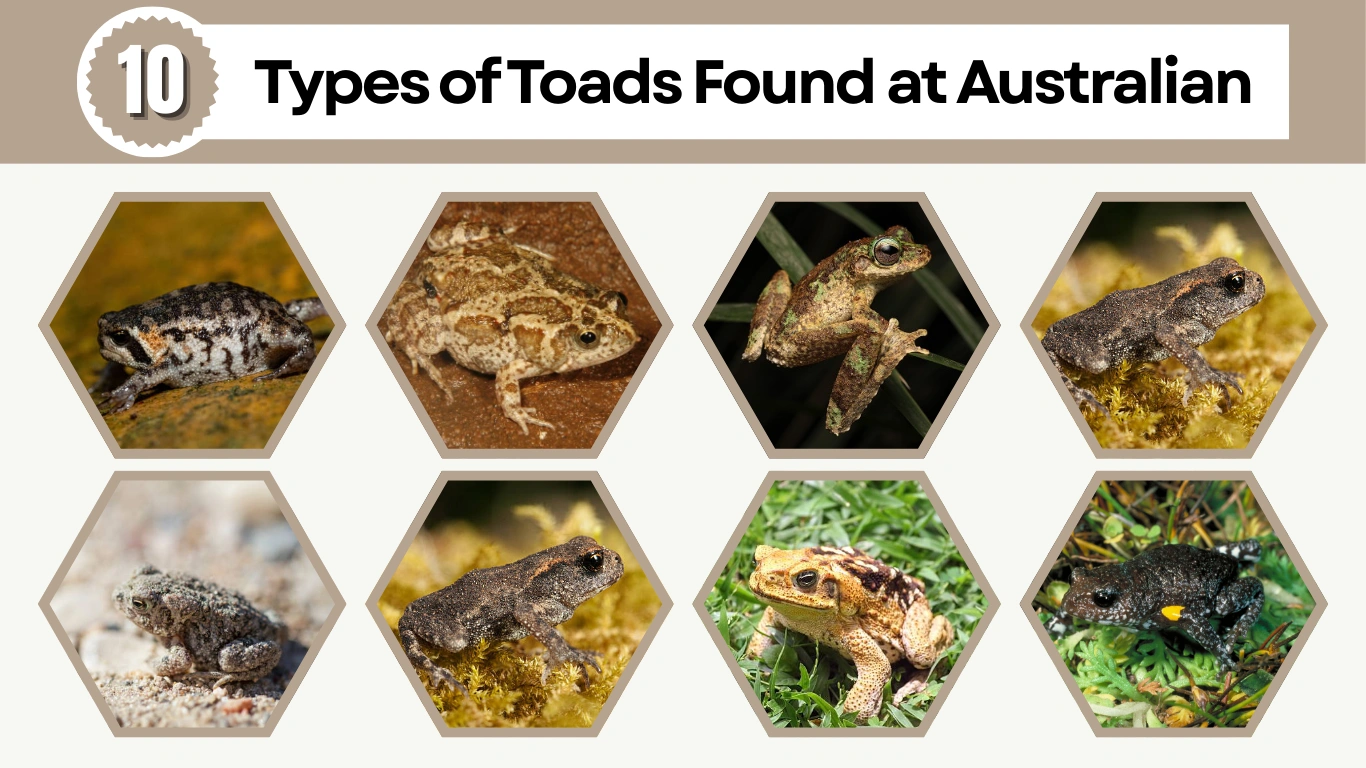
Australia is home to a unique group of small frogs commonly known as toadlets, along with the well-known but invasive cane toad. These amphibians vary widely in size, color, and habitat, ranging from tropical rainforests and wetlands to dry grasslands and desert regions. Despite their modest appearance, Australian toadlets play an important ecological role by controlling insect populations and contributing to healthy ecosystems.
1. Cane Toad
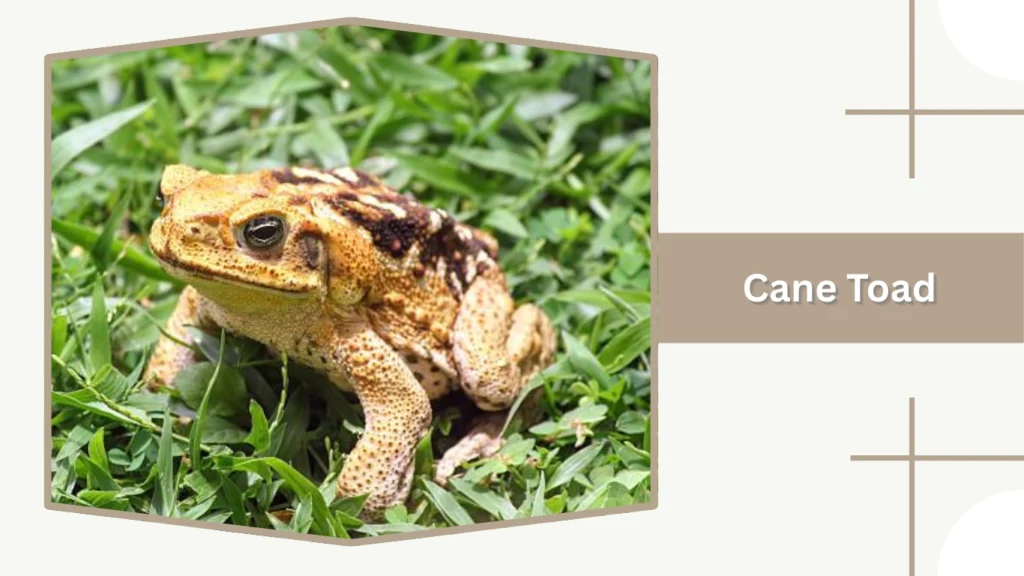
The cane toad is the most well-known toad in Australia and is considered one of the country’s most invasive species. Originally introduced to control agricultural pests, it spread rapidly across northern and eastern Australia, causing major ecological impacts on native wildlife.
Identification
- Large, heavy-bodied toad with dry, warty skin
- Color ranges from grey-brown to olive
- Prominent poison glands (parotoid glands) behind the eyes
- Adults commonly grow 10–15 cm long, sometimes larger
Habitat
Cane toads are highly adaptable and live in a wide range of environments, including wetlands, forests, grasslands, farmland, and urban areas. They are especially common near water sources such as ponds, drains, and creeks.
Diet
They are opportunistic feeders and eat insects, spiders, small reptiles, frogs, and even pet food. Their broad diet helps them survive in many different habitats.
Behavior
Cane toads are mostly nocturnal and are often seen at night under lights where insects gather. They secrete a powerful toxin that deters most predators, making them particularly dangerous to native animals unfamiliar with this defense.
Conservation Status
Cane toads are not protected in Australia and are actively managed due to their negative impact on ecosystems. They are listed as an invasive species rather than a threatened one.
2. Western Toadlet
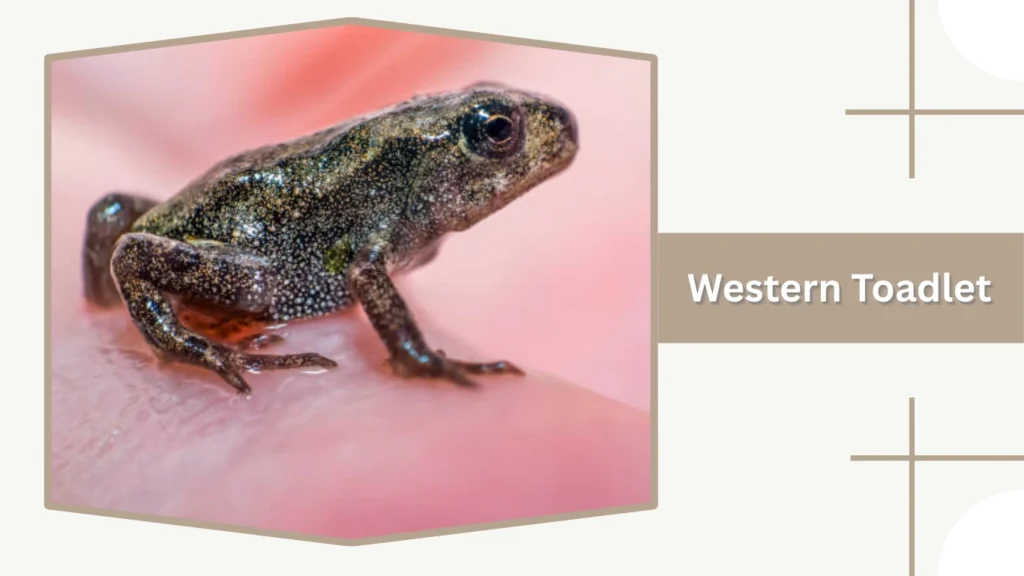
The western toadlet is a small, ground-dwelling frog native to southwestern Australia. Unlike the invasive cane toad, this species is harmless and plays an important role in local ecosystems. It is well adapted to seasonal climates and is often active after rainfall.
Identification
- Very small size, usually 2–3 cm long
- Dark brown to black body with a bright yellow stripe or patches
- Smooth to slightly textured skin
- Short legs adapted for walking rather than jumping
Habitat
Western toadlets are commonly found in woodlands, shrublands, and sandy soils of southwestern Australia. They prefer areas that experience seasonal flooding, such as temporary pools, soaks, and damp depressions formed after rain.
Diet
Their diet mainly consists of tiny invertebrates, including ants, termites, beetles, and other small insects. They forage close to the ground and rely on leaf litter and soil cover while hunting.
Behavior
This species is mostly active during the day or after rainfall. Males produce a soft, short call during the breeding season, often from shallow water or moist ground. Instead of swimming, they tend to walk slowly across the surface.
Conservation Status
The western toadlet is currently listed as Least Concern, though habitat loss and changing rainfall patterns can affect local populations. Conservation of seasonal wetlands is important for its long-term survival.
3. Northern Toadlet
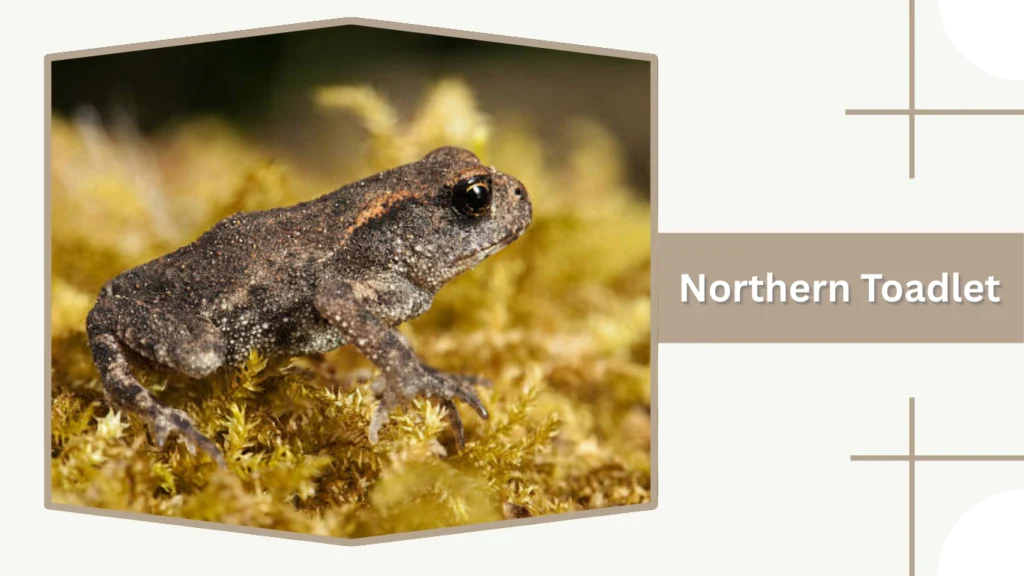
The northern toadlet is a small native frog species found in northern Australia. Despite its name, it is not a true toad but belongs to a group commonly called toadlets due to their compact bodies and short legs. It is well adapted to tropical climates and seasonal rainfall.
Identification
- Small body size, usually around 2–3 cm
- Brown, grey, or olive coloration with darker markings
- Slightly bumpy skin texture
- Short legs and rounded body shape
Habitat
Northern toadlets inhabit a variety of environments, including savannas, open woodlands, grasslands, and floodplains. They are commonly found near temporary water bodies such as puddles, roadside ditches, and seasonal pools formed during the wet season.
Diet
They feed mainly on small insects and other invertebrates, such as ants, termites, and beetles. Their small size limits them to tiny prey, which they hunt on the ground among leaf litter and low vegetation.
Behavior
This species becomes most active during the wet season. Males call after heavy rain, producing a short, repeated sound to attract females. Northern toadlets are primarily ground-dwelling and move by walking or short hops rather than long jumps.
Conservation Status
The northern toadlet is currently classified as Least Concern. It has a wide distribution and stable population, though local threats include habitat disturbance and changes to natural water flow patterns.
4. Desert Toadlet
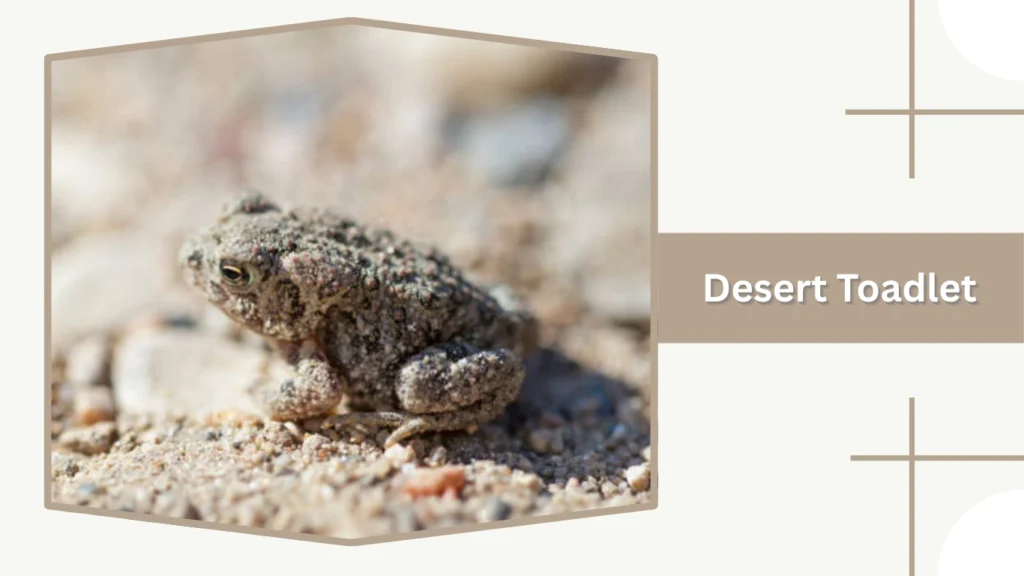
The desert toadlet is a tiny native frog adapted to Australia’s arid and semi-arid regions. It survives harsh conditions by remaining inactive for long periods and emerging quickly after rainfall. Despite living in dry landscapes, it relies on short-lived water bodies for breeding and development.
Identification
- Very small size, about 2–3 cm long
- Pale brown, grey, or sandy coloration for camouflage
- Dark stripe or markings along the body
- Short legs and compact body
Habitat
Desert toadlets are found in arid zones, grasslands, clay pans, and desert fringes across central and northern Australia. They favor areas that temporarily flood after rain, such as shallow depressions, puddles, and ephemeral pools.
Diet
Their diet consists mainly of small insects and invertebrates, including ants, termites, and tiny beetles. They forage on the ground, often near moist soil shortly after rainfall when prey is abundant.
Behavior
This species is highly dependent on rain. After heavy showers, desert toadlets emerge in large numbers to feed and breed. Males produce a short, clicking or buzzing call from shallow water. When conditions dry out, they burrow into the soil to avoid dehydration.
Conservation Status
The desert toadlet is listed as Least Concern due to its wide distribution. However, prolonged droughts and climate change may pose future risks by reducing breeding opportunities.
5. Bibron’s Toadlet
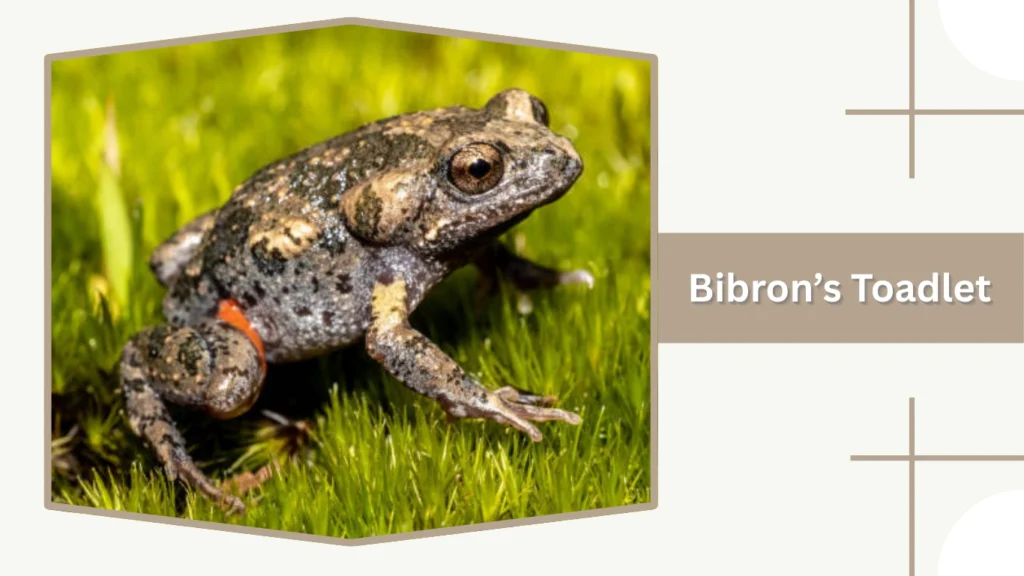
Bibron’s toadlet is a small native frog found mainly in southeastern Australia. Although commonly called a toadlet, it is a true frog species with a compact body and ground-dwelling habits. It is known for its distinctive call and ability to thrive in cooler climates.
Identification
- Small size, usually 2–3 cm long
- Dark brown or black body with lighter markings
- Rough, slightly warty skin
- Short legs and rounded body
Habitat
This species is typically found in forests, woodlands, heathlands, and grasslands. Bibron’s toadlet prefers moist environments and is often associated with swamps, bogs, and temporary pools that form after rainfall, especially in cooler regions.
Diet
Bibron’s toadlet feeds on small ground-dwelling invertebrates such as ants, termites, beetles, and spiders. It forages among leaf litter and low vegetation, relying on movement to detect prey.
Behavior
It is mostly active during the breeding season, which occurs after heavy rain. Males produce a sharp, repetitive call from shallow water or damp ground. Outside the breeding period, the species remains hidden under leaf litter, logs, or soil.
Conservation Status
Bibron’s toadlet is currently classified as Least Concern, but some local populations are affected by habitat loss, drainage of wetlands, and changes in land use. Protecting seasonal wetlands helps support this species.
6. Dendy’s Toadlet
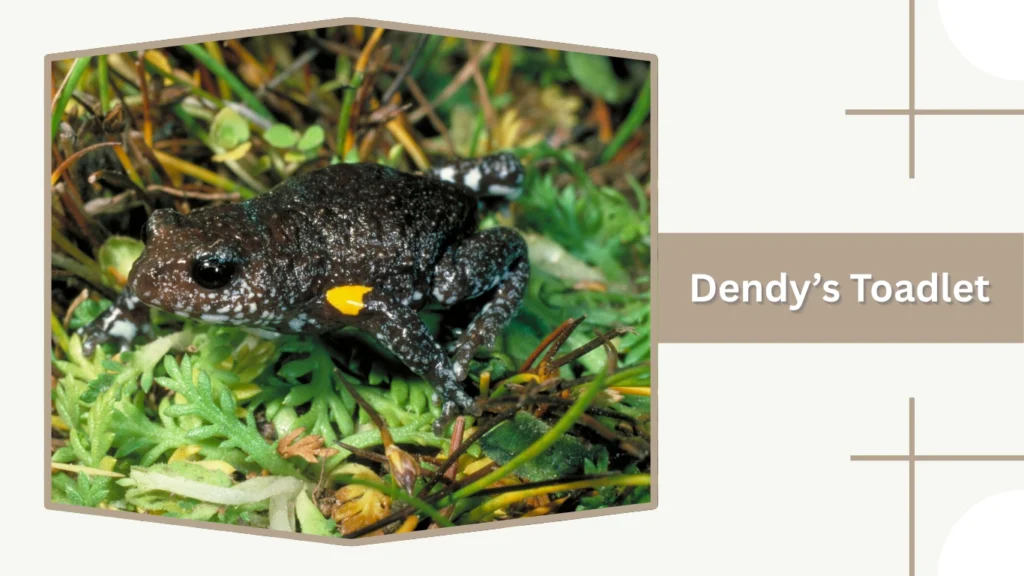
Dendy’s toadlet is a small native frog species found in southeastern Australia, particularly in cooler and wetter regions. It is a ground-dwelling species that relies heavily on seasonal rainfall for breeding. Though rarely seen, it is often heard during the breeding season due to its sharp call.
Identification
- Small size, around 2–3 cm in length
- Dark brown to black coloration
- Distinct pale stripe or markings on the back
- Slightly rough, warty skin
Habitat
Dendy’s toadlet inhabits forests, woodlands, and heathlands, especially in areas with clay soils that hold water. It is commonly associated with temporary wetlands, bogs, and shallow pools that form after rain. These habitats are essential for successful breeding.
Diet
The species feeds on small invertebrates such as ants, termites, beetles, and other tiny insects. It hunts on the ground among leaf litter, using quick movements to capture prey.
Behavior
Dendy’s toadlet is most active after rainfall. Males call from shallow water or damp ground, producing a short, sharp sound to attract females. Outside the breeding season, individuals remain hidden under soil, rocks, or leaf litter to avoid predators and dehydration.
Conservation Status
Dendy’s toadlet is listed as Least Concern, but localized threats include habitat degradation, wetland drainage, and altered water regimes. Conservation efforts focused on protecting temporary wetlands help maintain healthy populations.
7. Kuranda Toadlet
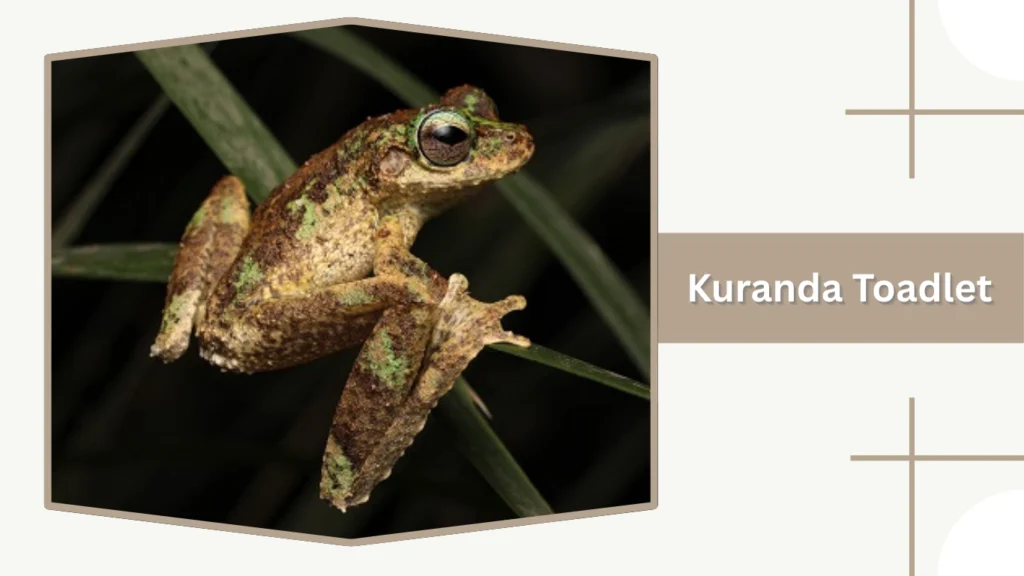
The Kuranda toadlet is a small native frog species found in northeastern Queensland, particularly in and around tropical rainforest regions. It is a secretive, ground-dwelling species that depends on moist environments and seasonal rainfall for survival and reproduction.
Identification
- Small size, about 2–3 cm long
- Dark brown to black body with subtle lighter markings
- Slightly rough or granular skin
- Short legs and compact body shape
Habitat
Kuranda toadlets inhabit tropical rainforests, rainforest edges, and nearby moist woodlands. They are usually found in leaf litter, along forest floors, and near temporary pools or shallow water bodies created by heavy rain.
Diet
Their diet consists mainly of small insects and other invertebrates such as ants, termites, beetles, and spiders. They forage among leaf litter and soil, taking advantage of the high insect diversity in rainforest ecosystems.
Behavior
This species is most active during wet periods. Males call after rainfall, producing a soft, repeated sound from concealed positions near water. Kuranda toadlets are generally nocturnal and rely on camouflage to avoid predators.
Conservation Status
The Kuranda toadlet is currently listed as Least Concern, but habitat disturbance, climate change, and reduced rainfall could affect local populations. Protecting rainforest habitats is essential for its long-term survival.
8. Kimberley Toadlet
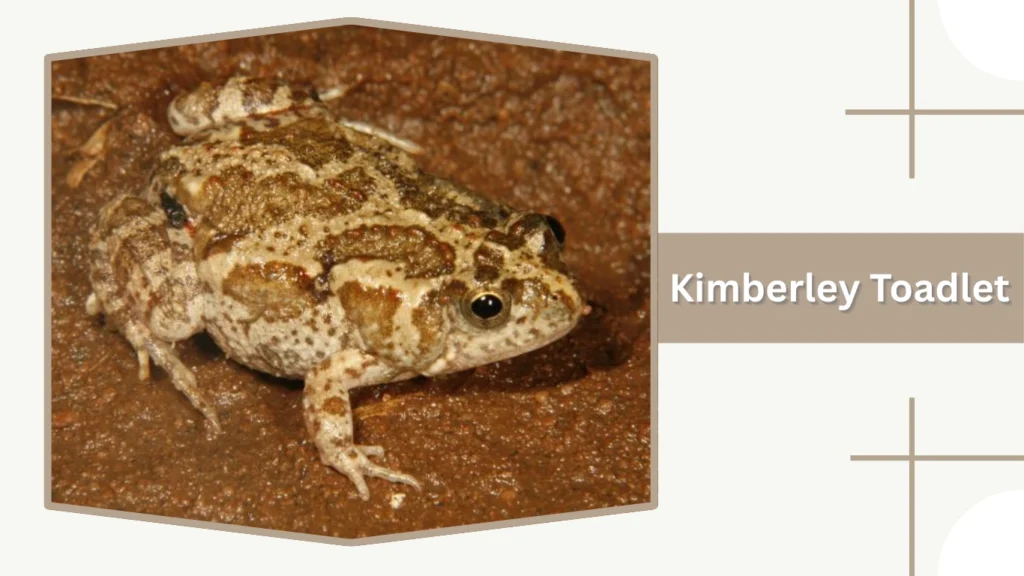
The Kimberley toadlet is a small native frog species found in the remote Kimberley region of Western Australia. It is well adapted to tropical conditions and seasonal rainfall, emerging mainly during the wet season when breeding opportunities are available.
Identification
- Small size, typically 2–3 cm long
- Brown to grey coloration with darker markings
- Slightly bumpy or textured skin
- Short legs and rounded body
Habitat
This species inhabits rocky outcrops, savannas, open woodlands, and grasslands. It is commonly found near temporary water sources such as rock pools, puddles, and seasonal creeks that form during heavy rains.
Diet
The Kimberley toadlet feeds on small insects and invertebrates, including ants, termites, beetles, and spiders. It hunts close to the ground, often among rocks and leaf litter where prey is abundant.
Behavior
Activity peaks during the wet season. Males call from shallow water or damp ground, producing a short, repeated call. Outside the breeding period, Kimberley toadlets shelter under rocks or in soil to avoid dry conditions.
Conservation Status
The Kimberley toadlet is classified as Least Concern due to its stable population and remote distribution. However, changes in rainfall patterns and habitat disturbance could pose future risks.
9. Sloane’s Toadlet
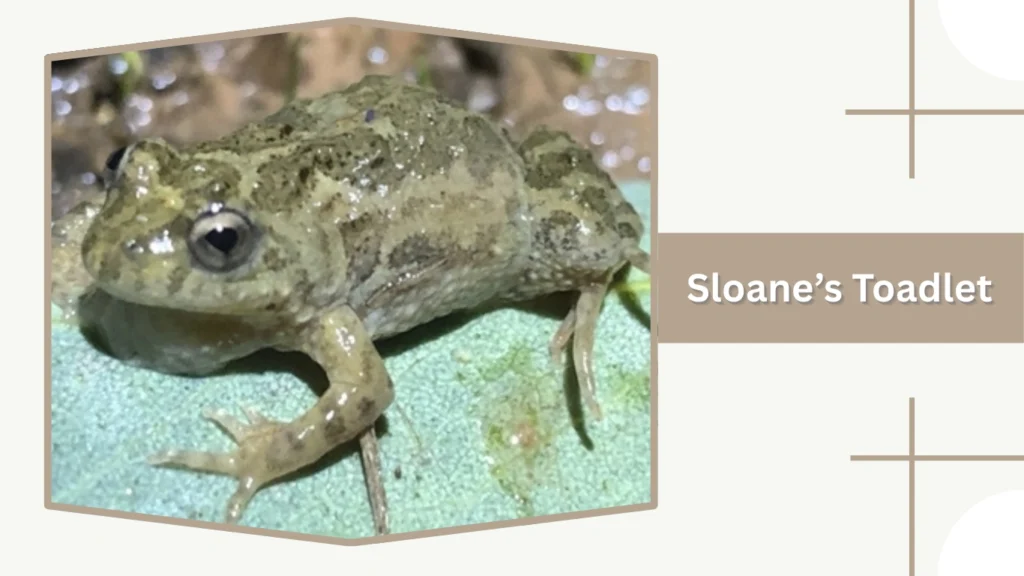
Sloane’s toadlet is a small, ground-dwelling frog native to parts of eastern Australia. It is a relatively lesser-known species that depends strongly on seasonal wetlands and rainfall for breeding. Despite its small size, it plays an important role in controlling insect populations.
Identification
- Small body size, about 2–3 cm long
- Grey-brown or dark brown coloration
- Subtle darker markings on the back
- Slightly rough skin texture
Habitat
This species is typically found in grasslands, open woodlands, and floodplain areas. Sloane’s toadlet favors temporary wetlands, shallow pools, and damp depressions that form after rain, especially in low-lying areas.
Diet
Sloane’s toadlet feeds mainly on small insects and other invertebrates such as ants, termites, and beetles. It forages close to the ground, often among grasses and leaf litter.
Behavior
It becomes active during wet conditions, particularly after heavy rainfall. Males call from shallow water or moist ground, producing a short, clicking call. When conditions become dry, individuals shelter in soil cracks or under debris.
Conservation Status
Sloane’s toadlet is listed as Least Concern, but local populations may be affected by habitat loss, wetland drainage, and agricultural expansion. Protecting seasonal wetlands is vital for this species.
10. Ornate Toadlet
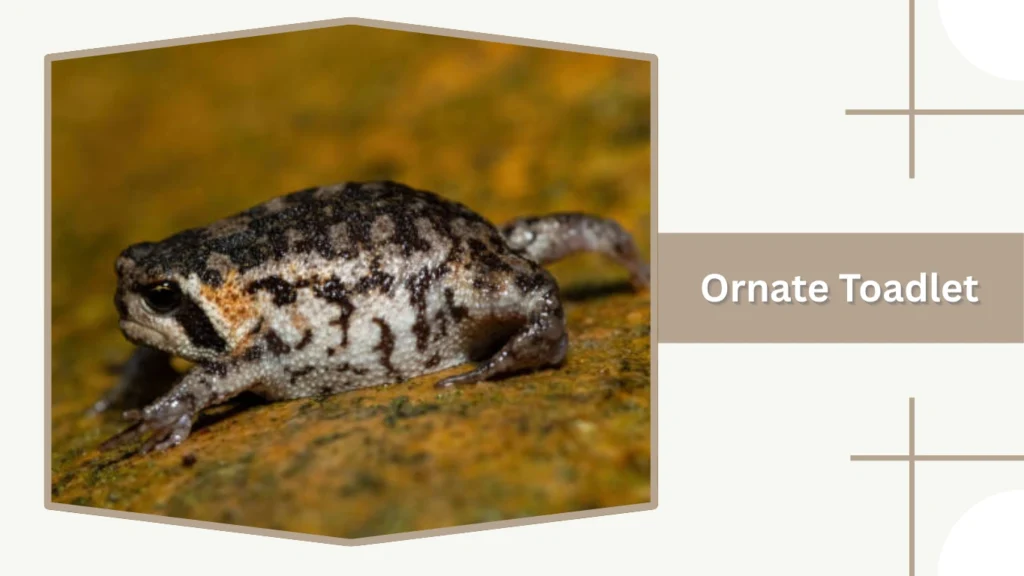
The ornate toadlet is a small and visually striking native frog found in parts of southeastern Australia. It is known for its distinctive markings and ground-dwelling lifestyle. Although often overlooked due to its size, it is an important part of local ecosystems.
Identification
- Small size, usually around 2–3 cm long
- Dark brown to black body with bright yellow or orange patterns
- Smooth to slightly bumpy skin
- Short legs and compact body
Habitat
Ornate toadlets are commonly found in woodlands, heathlands, grasslands, and forest edges. They prefer areas with temporary water bodies such as shallow pools, swamps, and damp depressions formed after rainfall.
Diet
Their diet mainly consists of small invertebrates including ants, termites, beetles, and spiders. They forage on the ground among leaf litter and low vegetation.
Behavior
This species is most active after rain, particularly during the breeding season. Males produce a soft, repeated call from shallow water or moist ground. Ornate toadlets rely on camouflage and their small size to avoid predators.
Conservation Status
The ornate toadlet is currently classified as Least Concern, but habitat loss and changes in rainfall patterns may impact some populations. Conservation of seasonal wetlands supports its survival.
FAQs
What is a toadlet?
A toadlet is a small frog species that resembles a toad in body shape and movement. In Australia, toadlets are not true toads but native frogs that have short legs, compact bodies, and ground-dwelling habits.
Are cane toads native to Australia?
No, cane toads are not native to Australia. They were introduced in the 1930s to control agricultural pests and later became an invasive species with serious impacts on native wildlife.
How can you tell a cane toad from a native toadlet?
Cane toads are much larger, have prominent poison glands behind their eyes, and thicker, warty skin. Native toadlets are small, lack large poison glands, and are usually harmless.
Where do Australian toadlets live?
Australian toadlets live in a variety of habitats, including forests, grasslands, woodlands, rainforests, and deserts. Most species depend on temporary water bodies formed after rainfall for breeding.
Are Australian toadlets endangered?
Most Australian toadlets are listed as Least Concern. However, some local populations face threats from habitat loss, wetland drainage, climate change, and invasive species.