
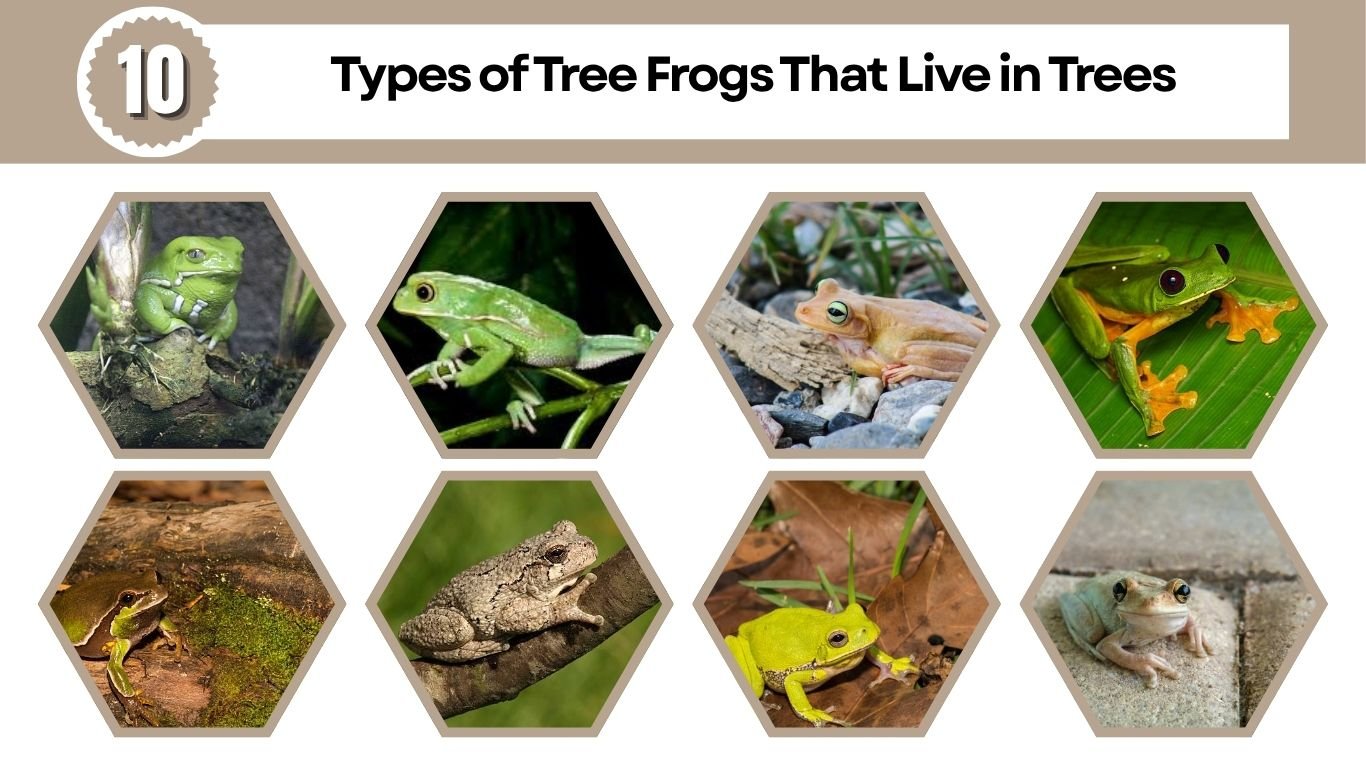
Tree frogs are fascinating amphibians known for their climbing abilities and life among branches and leaves. Found in forests, wetlands, and even urban areas, these frogs use their sticky toe pads to move easily on trees. They come in many colors, sizes, and behaviors, making them one of the most diverse frog groups in the world.
In this article, you will explore 10 different types of tree frogs, each with unique features, habitats, and lifestyles.
1. Red-eyed Tree Frog
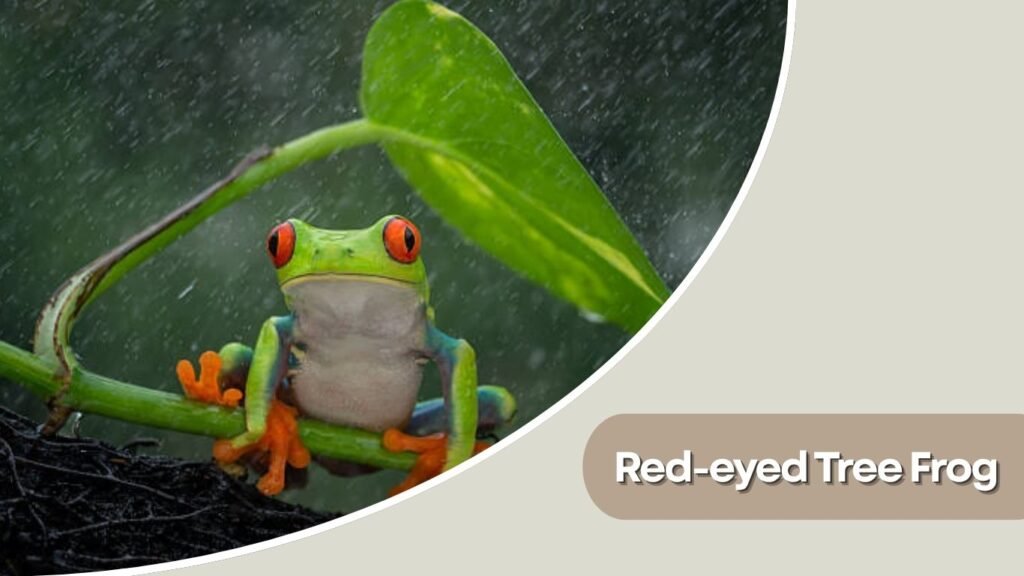
A brightly colored tropical frog known for its vivid red eyes and striking green body. It is one of the most recognizable tree frogs and lives mainly in rainforest canopies, where it spends most of its life climbing and resting on leaves.
Identification
- Bright green body with smooth skin
- Large, vivid red eyes
- Blue and yellow striped sides
- Orange or red feet with sticky pads
- Medium size, usually 2–3 inches long
Habitat
The red-eyed tree frog lives in tropical rainforests of Central America. It prefers warm, humid environments and is commonly found on leaves near ponds, streams, or other water sources where it can easily breed and stay hydrated.
Behavior
This frog is mostly nocturnal, becoming active at night to hunt for insects. During the day, it rests on leaves with its eyes closed to blend in. When threatened, it suddenly opens its bright red eyes to startle predators.
Diet
The red-eyed tree frog mainly eats small insects such as crickets, moths, and flies. It uses its long, sticky tongue to quickly catch prey, making it an efficient nighttime hunter in the forest canopy.
2. White’s Tree Frog
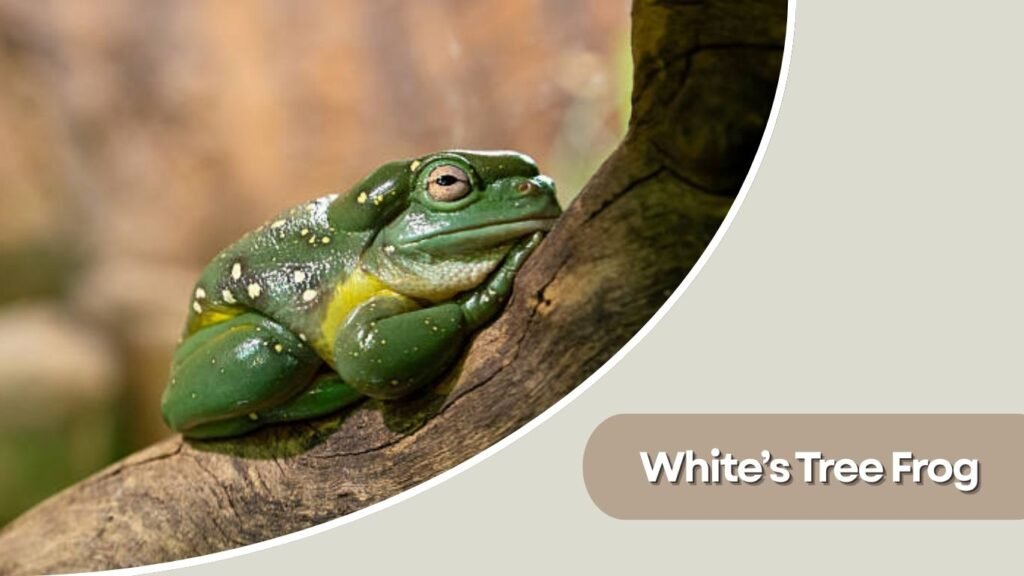
White’s tree frog is a calm and hardy species known for its soft, rubbery skin and friendly appearance. Native to Australia and nearby regions, it is popular both in the wild and as a pet due to its adaptability and relatively gentle nature.
Identification
- Plump body with smooth, slightly waxy skin
- Color ranges from light green to bluish-green
- Large golden or brownish eyes
- Sticky toe pads for climbing
- Can grow up to 4–5 inches long
Habitat
White’s tree frog lives in warm, tropical to subtropical environments such as forests, woodlands, and even urban areas. It is often found near water sources but can tolerate drier conditions better than many other tree frogs. This species commonly shelters in tree hollows, buildings, and other cool, moist hiding spots during the day.
Behavior
This frog is nocturnal and becomes active at night, climbing and searching for food. It is known for its slow, relaxed movements compared to other frogs. White’s tree frog can also store water in its body and secrete a waxy coating on its skin to prevent moisture loss, helping it survive in less humid conditions.
Diet
White’s tree frog is an opportunistic feeder, meaning it eats a wide variety of prey. Its diet mainly includes insects like crickets, cockroaches, and moths, but it may also eat smaller frogs or even tiny rodents if available. It uses its sticky tongue to catch prey quickly and efficiently.
3. Gray Tree Frog
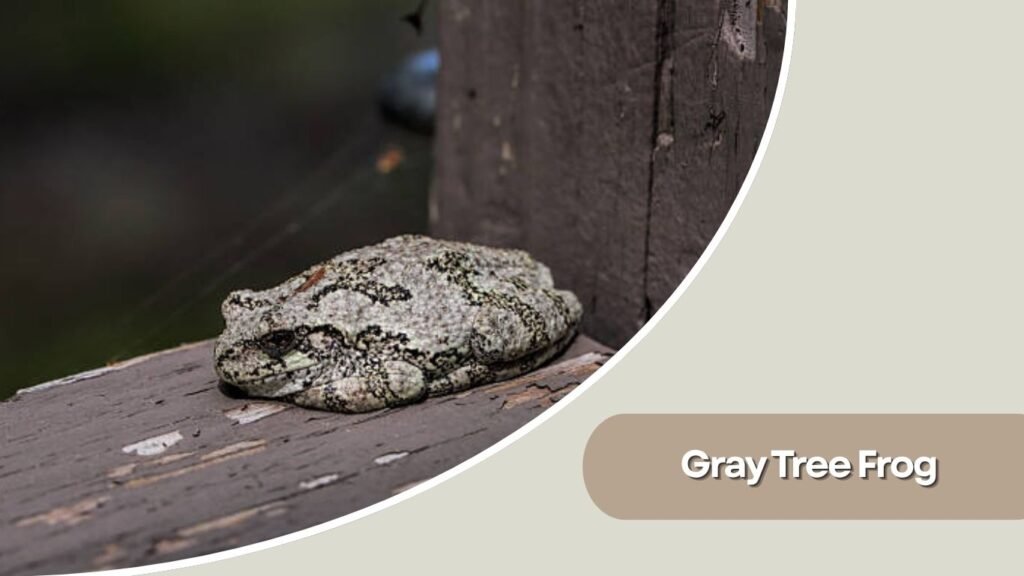
The gray tree frog is a small, adaptable species known for its ability to change color for camouflage. It is commonly found in North America and is well adapted to living both in forests and near human habitats.
Identification
- Color varies from gray to green depending on surroundings
- Rough, bumpy skin texture
- Bright yellow or orange patches on inner thighs
- Large toe pads for strong climbing grip
- Small size, usually 1.5–2 inches long
Habitat
Gray tree frogs live in forests, woodlands, and swamps, often near ponds or wetlands. They spend most of their time in trees but may come down during breeding season. This species can also be found in suburban areas, hiding in gardens, tree bark, or house siding.
Behavior
These frogs are nocturnal and excellent climbers. They are known for their loud, musical calls during mating season, especially after rain. Their ability to change color helps them blend into tree bark and leaves, making them difficult for predators to spot.
Diet
Gray tree frogs mainly eat small insects such as ants, flies, and beetles. They hunt at night using their quick reflexes and sticky tongue. Their diet helps control insect populations in their environment.
4. Green Tree Frog
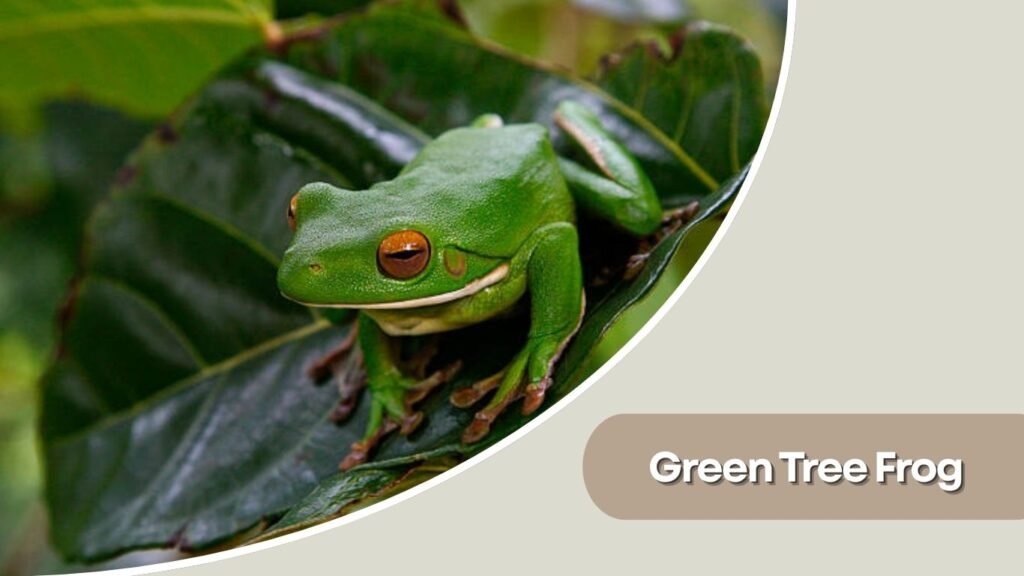
The green tree frog is a bright and lively species commonly found in the southeastern United States. It is known for its smooth green skin and distinctive call, often heard near water at night.
Identification
- Bright green body with smooth skin
- White or yellow stripe along the side
- Slender body shape
- Large, sticky toe pads
- Typically 2–2.5 inches long
Habitat
Green tree frogs prefer wetlands such as ponds, marshes, and lakes. They are often seen clinging to vegetation like reeds and grasses near water. This species thrives in warm, humid climates and is commonly found in areas with plenty of plant cover.
Behavior
These frogs are nocturnal and become active after sunset. They are strong climbers and spend much of their time on plants above water. Males produce loud, repetitive calls during breeding season to attract females, especially in warm weather.
Diet
Green tree frogs feed on a variety of insects, including mosquitoes, flies, and crickets. They hunt at night, using their sticky tongue to catch prey quickly. Their feeding habits make them beneficial for controlling pest insects.
5. Cuban Tree Frog
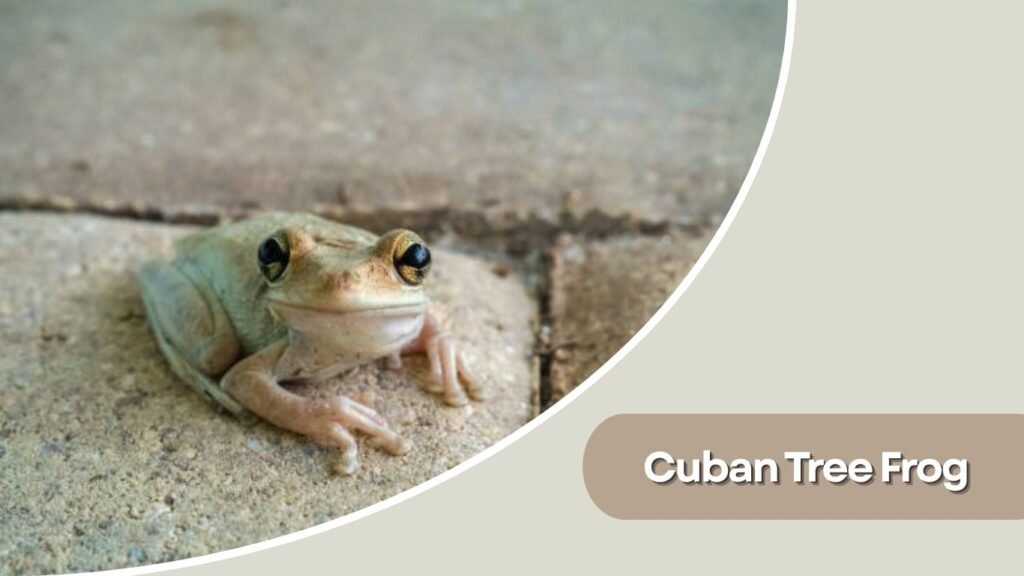
The Cuban tree frog is a large and highly adaptable species known for its strong climbing ability and wide distribution. It is native to the Caribbean but has spread to other regions, where it is often considered invasive.
Identification
- Large body with rough, warty skin
- Color varies from gray to green or brown
- Bulging eyes with a golden tint
- Very large toe pads
- Can grow up to 5 inches long
Habitat
Cuban tree frogs live in a variety of environments, including forests, wetlands, and urban areas. They are often found around houses, gardens, and even inside buildings. This species prefers warm, humid climates and stays close to water sources for breeding.
Behavior
These frogs are nocturnal and very active at night. They are known for their aggressive nature and ability to outcompete native frog species. Cuban tree frogs are excellent climbers and can scale walls, windows, and trees with ease.
Diet
Cuban tree frogs are opportunistic predators. They eat insects, spiders, smaller frogs, and even small lizards. Their wide diet is one reason they can thrive in many different environments.
6. Barking Tree Frog
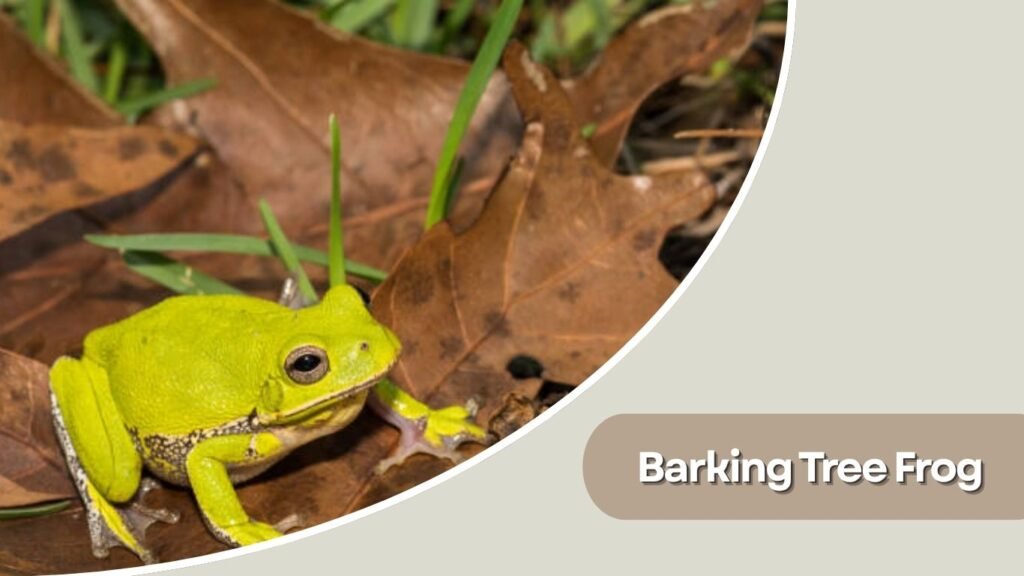
The barking tree frog gets its name from its unique call, which sounds similar to a dog’s bark. It is one of the largest tree frogs in North America and is known for its calm and slow movements.
Identification
- Bright green body with smooth skin
- Dark spots scattered across the back
- Yellow or cream-colored underside
- Large toe pads for climbing
- Grows up to 2–2.5 inches long
Habitat
Barking tree frogs live in forests, swamps, and wetlands in the southeastern United States. They prefer areas with plenty of trees and water nearby. During dry periods, they may hide in moist tree holes or underground shelters.
Behavior
This species is mostly nocturnal and becomes active at night. Males produce a loud, barking call during the breeding season, especially after rainfall. They are slower and less jumpy compared to many other frogs.
Diet
Barking tree frogs feed mainly on insects such as beetles, flies, and crickets. They hunt at night using their sticky tongue to catch prey quickly. Their diet helps maintain balance in insect populations.
7. Pine Barrens Tree Frog
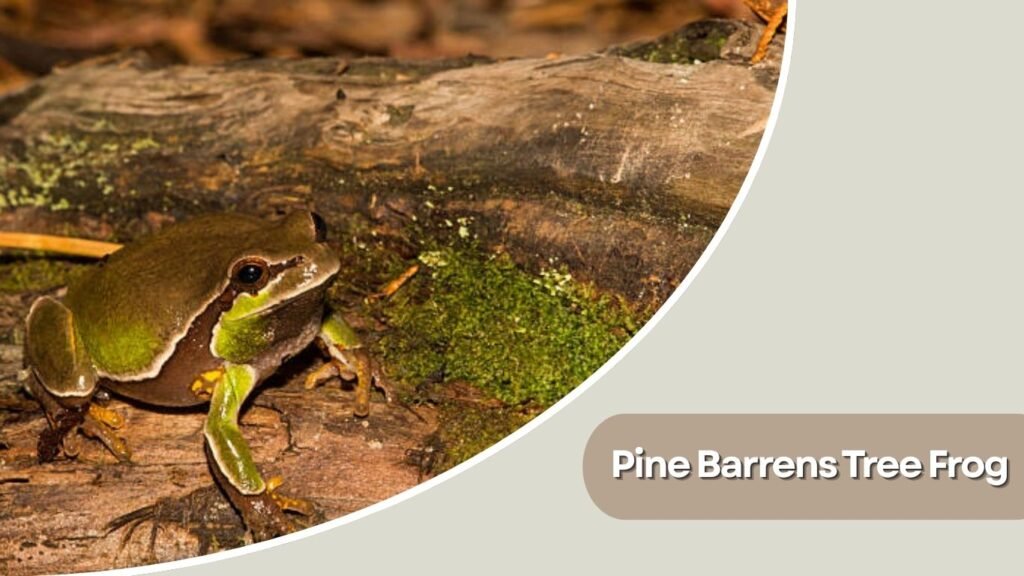
The Pine Barrens tree frog is a rare and colorful species found in limited areas of the United States. It is known for its bright markings and preference for specific wetland habitats.
Identification
- Bright green body with smooth skin
- Bold purple stripe along each side
- White outline around the stripes
- Slender body with long legs
- Small size, about 1–1.5 inches long
Habitat
This frog lives in acidic wetlands, especially in pine forests and bogs. It prefers clean, shallow water areas surrounded by dense vegetation. Because of its specialized habitat needs, it is only found in a few regions and is considered a rare species.
Behavior
The Pine Barrens tree frog is mostly nocturnal and active during warm, humid nights. Males produce a high-pitched call during breeding season. It spends much of its time hidden among grasses and plants near water.
Diet
Its diet mainly consists of small insects like ants, flies, and beetles. It hunts at night, using quick movements and a sticky tongue to catch prey efficiently.
8. Gliding Tree Frog
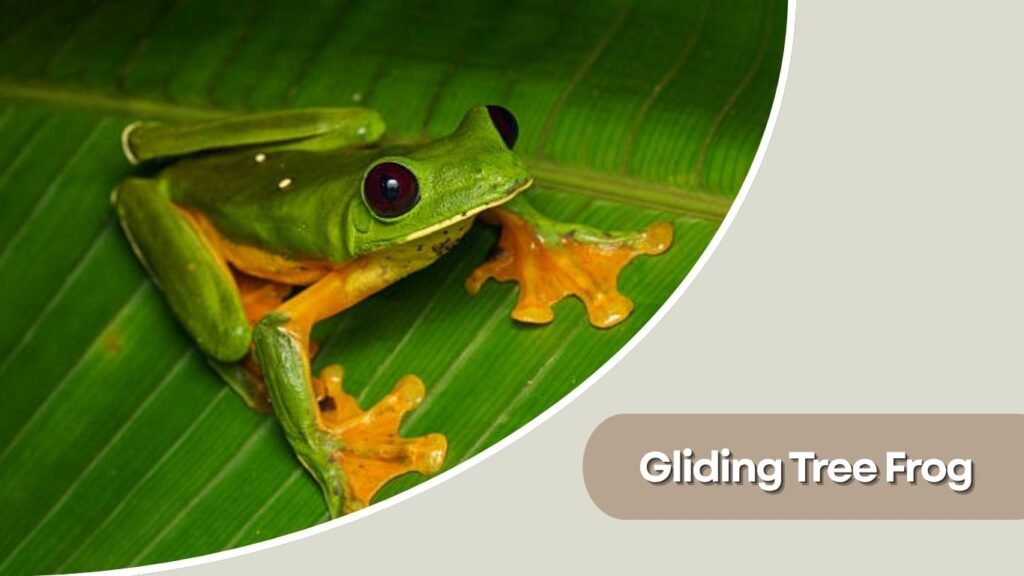
The gliding tree frog is famous for its ability to glide between trees using its webbed feet. This unique feature helps it escape predators and move efficiently through the forest canopy.
Identification
- Bright green body with smooth skin
- Large, fully webbed feet for gliding
- Big, round eyes
- Slender body structure
- Medium size, about 3–4 inches long
Habitat
Gliding tree frogs live in tropical rainforests of Southeast Asia. They spend most of their lives high in the trees, rarely coming down except to breed. They prefer dense forests with high humidity and nearby water sources.
Behavior
These frogs are nocturnal and excellent climbers. When jumping from high branches, they spread their webbed feet to glide through the air. This ability allows them to travel longer distances and avoid ground predators.
Diet
Gliding tree frogs feed mainly on insects such as moths, crickets, and flies. They hunt at night, using their strong jumping ability and sticky tongue to catch prey in mid-air or on leaves.
9. Monkey Tree Frog
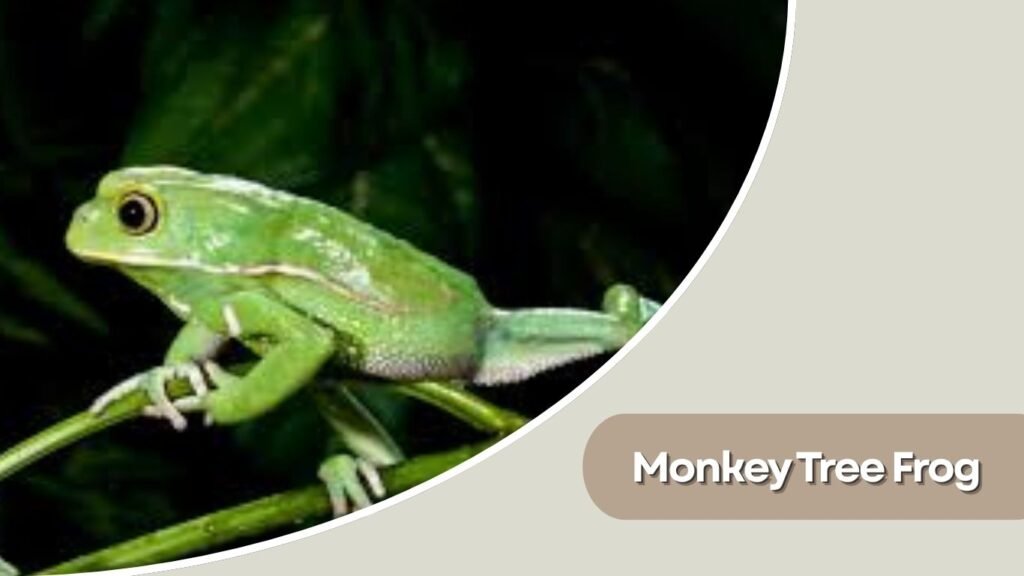
The monkey tree frog is a unique species known for its slow, deliberate movements and waxy skin. It gets its name from its climbing style, which resembles that of a monkey rather than typical jumping frogs.
Identification
- Smooth, waxy green skin
- Large, round eyes with a silvery color
- Strong limbs for climbing instead of jumping
- Sticky toe pads
- Medium size, around 3–4 inches long
Habitat
Monkey tree frogs are found in tropical rainforests of Central and South America. They live high in the trees and prefer areas with dense vegetation and high humidity. They usually stay close to water sources for breeding.
Behavior
Unlike most frogs, this species moves slowly and carefully rather than hopping. It is nocturnal and becomes active at night. The frog secretes a waxy substance and spreads it over its body to prevent water loss in dry conditions.
Diet
Monkey tree frogs feed mainly on insects such as crickets, flies, and beetles. They hunt at night using their sticky tongue and strong grip to capture prey from leaves and branches.
10. Waxy Monkey Tree Frog
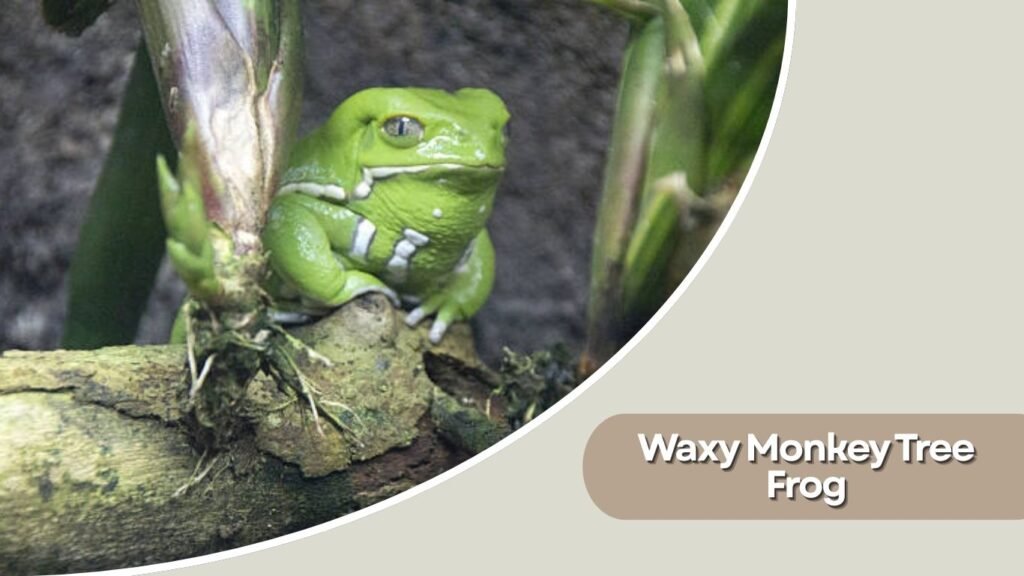
The waxy monkey tree frog is closely related to the monkey tree frog and is known for its drought-resistant adaptations. It is famous for its ability to survive in relatively dry environments compared to other tree frogs.
Identification
- Pale green to bluish-green body
- Thick, waxy skin texture
- Large eyes with a calm expression
- Strong limbs and climbing pads
- Grows up to 4 inches long
Habitat
This species lives in dry forests and scrublands of South America. It prefers areas with seasonal rainfall and can tolerate drier climates better than most tree frogs. It often rests on branches during the day.
Behavior
Waxy monkey tree frogs are nocturnal and slow-moving. They produce a waxy secretion and spread it across their skin to reduce water loss. This behavior allows them to stay active even in less humid conditions.
Diet
Their diet includes insects such as ants, beetles, and flies. They hunt at night and rely on stealth and patience rather than quick movements to catch their prey.
FAQs
What makes a frog a tree frog?
Tree frogs are adapted for life in trees. They have special toe pads that help them grip surfaces like leaves and branches. These frogs are excellent climbers and spend most of their time above the ground.
Where do tree frogs usually live?
Tree frogs are found in many parts of the world, especially in tropical and subtropical regions. They commonly live in rainforests, wetlands, and areas with plenty of trees and moisture.
Are tree frogs dangerous to humans?
Most tree frogs are harmless to humans. While some species may produce mild toxins as a defense mechanism, they are not dangerous unless handled improperly. It is always best to observe them without touching.
What do tree frogs eat?
Tree frogs mainly eat insects such as flies, crickets, and moths. Some larger species may also eat small animals like other frogs or tiny lizards. They use their sticky tongues to catch prey quickly.
Can tree frogs be kept as pets?
Yes, some tree frogs, like White’s tree frog, are popular pets. They are generally easy to care for but need proper humidity, temperature, and a suitable enclosure to stay healthy.