
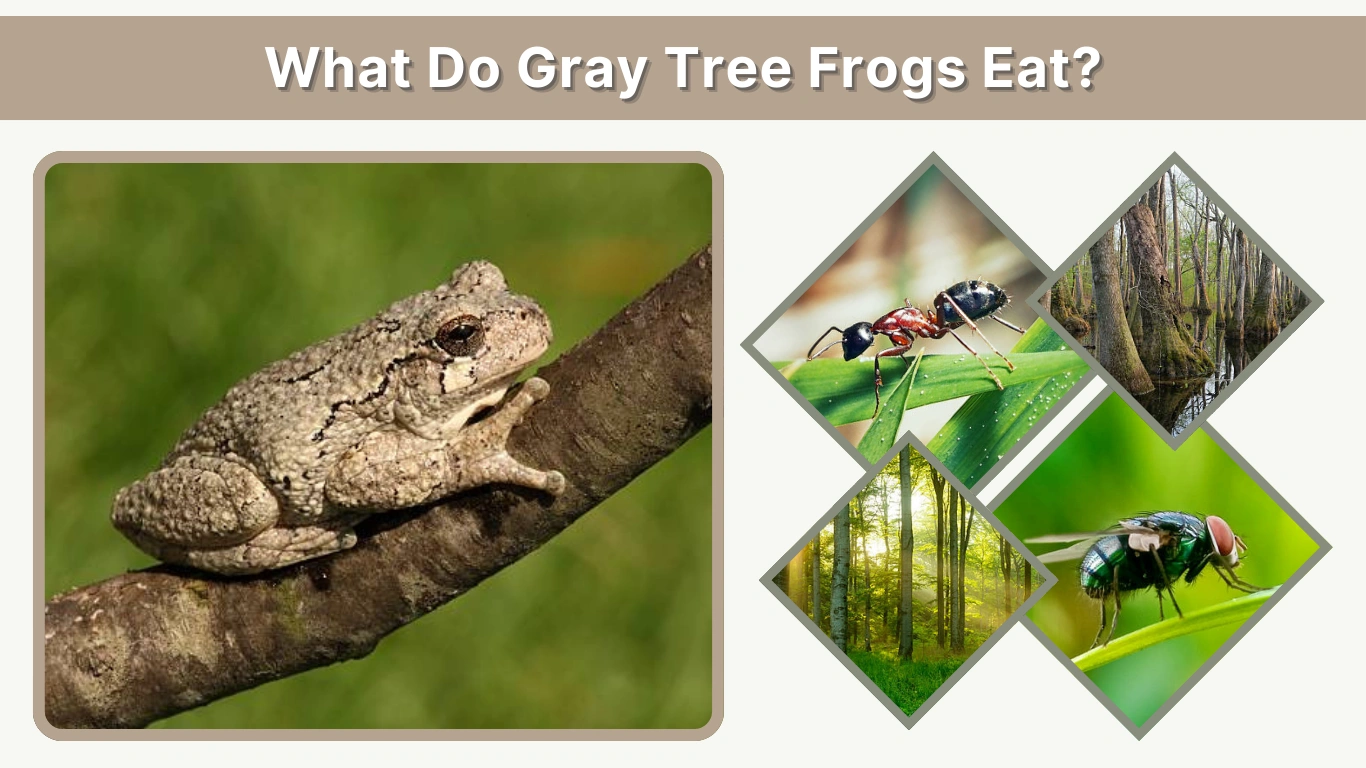
The gray tree frog is a small but fascinating amphibian commonly found across North America. Known for its excellent camouflage, sticky toe pads, and distinctive nighttime calls, this frog often sparks curiosity among nature lovers, pet owners, and backyard observers. People frequently ask what gray tree frogs eat, where they live, how long they survive, and whether they are poisonous to humans or pets. This article explores the gray tree frog’s diet, lifespan, habitat, and toxicity, helping you better understand both the gray tree frog (Hyla versicolor) and its close relative, Cope’s gray tree frog (Hyla chrysoscelis).
What Do Gray Tree Frogs Eat?
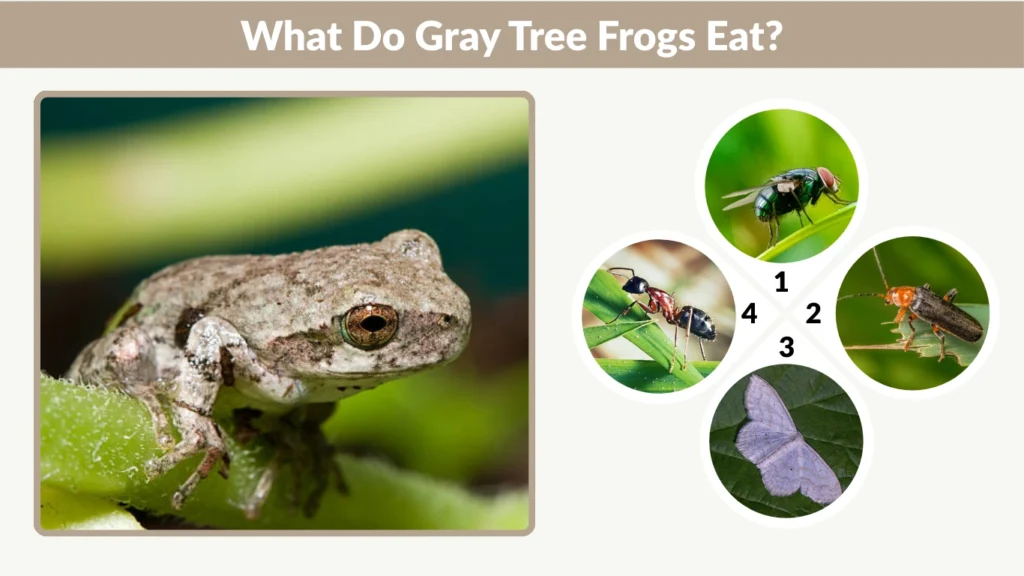
Gray tree frogs are insectivores, meaning their diet consists almost entirely of insects and other small invertebrates. They are opportunistic hunters and rely on movement to detect prey. Using their sticky tongues and quick reflexes, they capture food mainly at night when insects are most active.
These frogs play an important role in controlling insect populations, making them beneficial to local ecosystems. Their feeding habits also vary slightly depending on season, habitat, and availability of prey.
What Does a Gray Tree Frog Eat in the Wild?
In the wild, gray tree frogs eat a wide variety of small insects and arthropods. Common prey includes crickets, moths, flies, beetles, ants, spiders, and caterpillars. During warmer months, food is abundant, allowing frogs to feed frequently. In cooler periods, especially before hibernation, feeding slows significantly.
Gray tree frogs typically hunt from elevated positions such as tree branches, leaves, or shrubs. From these perches, they ambush passing insects rather than actively chasing them.
What Do Gray Tree Frogs Eat in Captivity?
When kept in captivity, gray tree frogs are usually fed live feeder insects such as crickets, small roaches, fruit flies, and mealworms. Food size must be appropriate, as prey that is too large can cause digestive problems.
Captive frogs generally eat every two to three days. To maintain proper health, feeder insects should be dusted with calcium and vitamin supplements. Clean water and proper humidity are also essential for digestion and overall wellbeing.
How Long Do Gray Tree Frogs Live?
Gray tree frogs have a relatively moderate lifespan compared to other amphibians. In the wild, they typically live between 5 and 9 years, though many do not reach this age due to predators and environmental hazards. In captivity, where threats are reduced, gray tree frogs may live 10 years or more with proper care.
Factors That Affect Gray Tree Frog Lifespan
Several factors influence how long a gray tree frog lives. Predators such as birds, snakes, and mammals pose constant risks in the wild. Habitat destruction, pollution, and climate changes also reduce survival rates. Seasonal conditions matter as well, since harsh winters or droughts can impact food availability and breeding success. Frogs kept in stable, controlled environments usually live longer due to consistent food and protection.
Where Do Gray Tree Frogs Live?
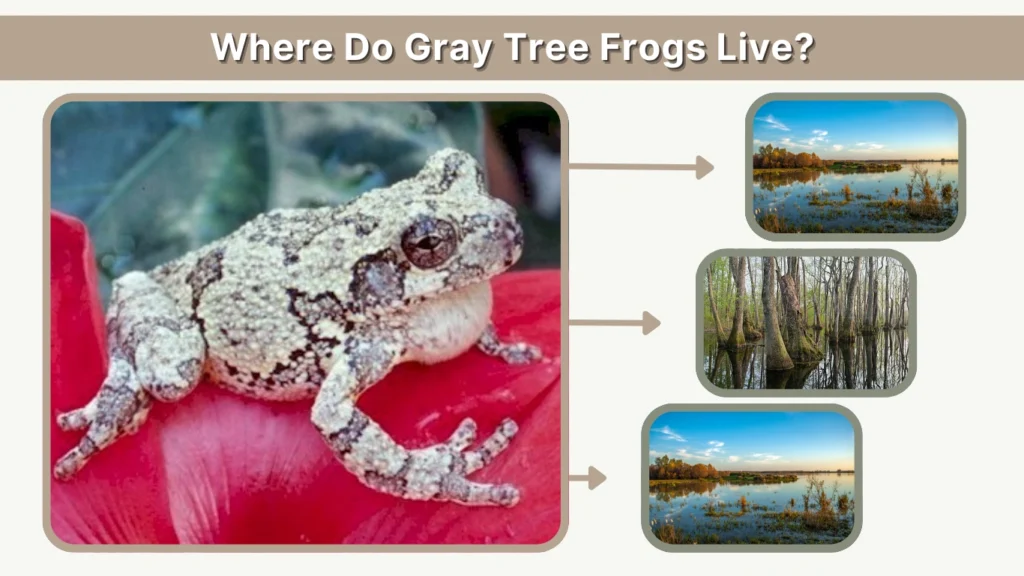
Gray tree frogs are native to eastern and central North America, ranging from southeastern Canada through much of the eastern United States. They are highly adaptable and can survive in a variety of environments, as long as trees and water sources are nearby.
Natural Habitat of Gray Tree Frogs
These frogs prefer woodlands, forests, wetlands, swamps, and areas near ponds or lakes. They are often found clinging to tree trunks, hiding among leaves, or resting on shrubs. Gray tree frogs are also commonly seen in suburban neighborhoods with trees, gardens, and outdoor lighting that attracts insects.
How Gray Tree Frogs Adapt to Their Environment
One of the most impressive traits of the gray tree frog is its ability to change color. Depending on temperature, humidity, and surroundings, they can shift between gray, green, or brown, helping them blend into their environment. Their toe pads allow them to climb vertical surfaces with ease, making them excellent tree dwellers and effective ambush hunters.
Is a Gray Tree Frog Poisonous?
Many people wonder whether a gray tree frog is poisonous, especially when they encounter one in their backyard or home. Gray tree frogs are not poisonous in the way that dart frogs are, but they do produce mild skin secretions that can be irritating to predators.
These secretions act as a natural defense mechanism. While they are not dangerous to humans, they can cause unpleasant reactions if touched and then transferred to the eyes or mouth. For this reason, handling gray tree frogs should be avoided whenever possible.
Is the Gray Tree Frog Poisonous to Humans?
Gray tree frogs are not poisonous to humans. Their skin may release a mildly irritating substance, but it does not pose a serious health risk. Some people may experience minor skin irritation, redness, or itching after handling one, especially if they have sensitive skin.
To stay safe, it is best to wash your hands thoroughly after any contact. Avoid touching your face, eyes, or mouth while handling a frog. Children should be supervised to prevent accidental ingestion or prolonged handling.
Are Gray Tree Frogs Poisonous to Dogs?
While gray tree frogs are generally harmless, they can be mildly toxic to dogs if mouthed or bitten. Dogs are more sensitive to amphibian skin secretions than humans. If a dog picks up a gray tree frog, symptoms may include excessive drooling, pawing at the mouth, mild vomiting, or temporary discomfort.
These reactions are usually not life-threatening. Rinsing the dog’s mouth with clean water and contacting a veterinarian if symptoms persist is recommended. Preventing dogs from playing with frogs is the safest approach.
Are Cope’s Gray Tree Frogs Poisonous?
Cope’s gray tree frog is often confused with the gray tree frog because they look nearly identical. Both species produce similar skin secretions and have comparable toxicity levels. Neither species is considered dangerous, but both can cause mild irritation if handled improperly or mouthed by pets.
Are Gray Tree Frogs Good Pets?

Gray tree frogs are sometimes kept as pets, but they are best suited for experienced amphibian keepers or those who enjoy observing rather than handling animals. They are quiet during most of the year and require relatively simple setups compared to some exotic frogs.
Pros of Keeping a Gray Tree Frog
Gray tree frogs are small, visually interesting, and relatively low-maintenance. They do not require large enclosures and can thrive in vertical terrariums with proper humidity and climbing space. Their nighttime activity and natural behaviors make them fascinating to observe.
Cons of Keeping a Gray Tree Frog
These frogs do not enjoy being handled and can become stressed with frequent interaction. They require specific humidity, temperature, and lighting conditions to stay healthy. Additionally, sourcing captive-bred frogs can be difficult in some areas.
Legal and Ethical Considerations
In many regions, capturing gray tree frogs from the wild is illegal or discouraged. Wild populations should be left undisturbed whenever possible. If keeping one as a pet, it is best to obtain a captive-bred frog from a reputable breeder and follow all local wildlife regulations.
What Does a Gray Tree Frog Sound Like?
The gray tree frog’s call is one of its most recognizable features. Males produce a musical trill or rapid chirping sound that is often heard during warm evenings in spring and early summer. The call can resemble a short, vibrating buzz.
Why Do Gray Tree Frogs Make These Sounds?
Gray tree frogs call primarily to attract mates. Each species has a slightly different call, which helps females identify the correct mate. Calling may also help establish territory among males during breeding season.
When Are Gray Tree Frogs Most Vocal?
Gray tree frogs are most vocal at night, especially during the breeding season from late spring to early summer. Rainy or humid nights often trigger increased calling activity near ponds and wetlands.
Conclusion
Gray tree frogs are harmless, adaptable amphibians that play an important role in controlling insect populations. They eat a wide range of insects, live in forests and suburban areas, and can survive for many years under the right conditions. While not poisonous, their mild skin secretions can irritate humans and pets. With their unique calls and impressive camouflage, gray tree frogs remain one of the most fascinating species to observe in the wild.
FAQs
What do gray tree frogs eat?
Gray tree frogs eat insects and other small invertebrates. Their diet mainly includes crickets, moths, flies, beetles, spiders, and caterpillars. In captivity, they are commonly fed live feeder insects such as crickets and fruit flies.
How long do gray tree frogs live?
In the wild, gray tree frogs usually live between 5 and 9 years. When kept in captivity with proper care, they can live 10 years or longer due to reduced predators and stable living conditions.
Is a gray tree frog poisonous?
Gray tree frogs are not poisonous, but they produce mild skin secretions that can cause irritation. These secretions help protect them from predators but are not dangerous to humans.
Are gray tree frogs poisonous to dogs?
Gray tree frogs are not deadly to dogs, but their skin secretions can cause mouth irritation, drooling, or mild vomiting if a dog bites or mouths one. Rinsing the dog’s mouth and contacting a veterinarian if symptoms continue is recommended.
Are Cope’s gray tree frogs poisonous?
Cope’s gray tree frogs have similar skin secretions to gray tree frogs. They are not poisonous, but they may cause mild irritation if handled or mouthed by pets.