
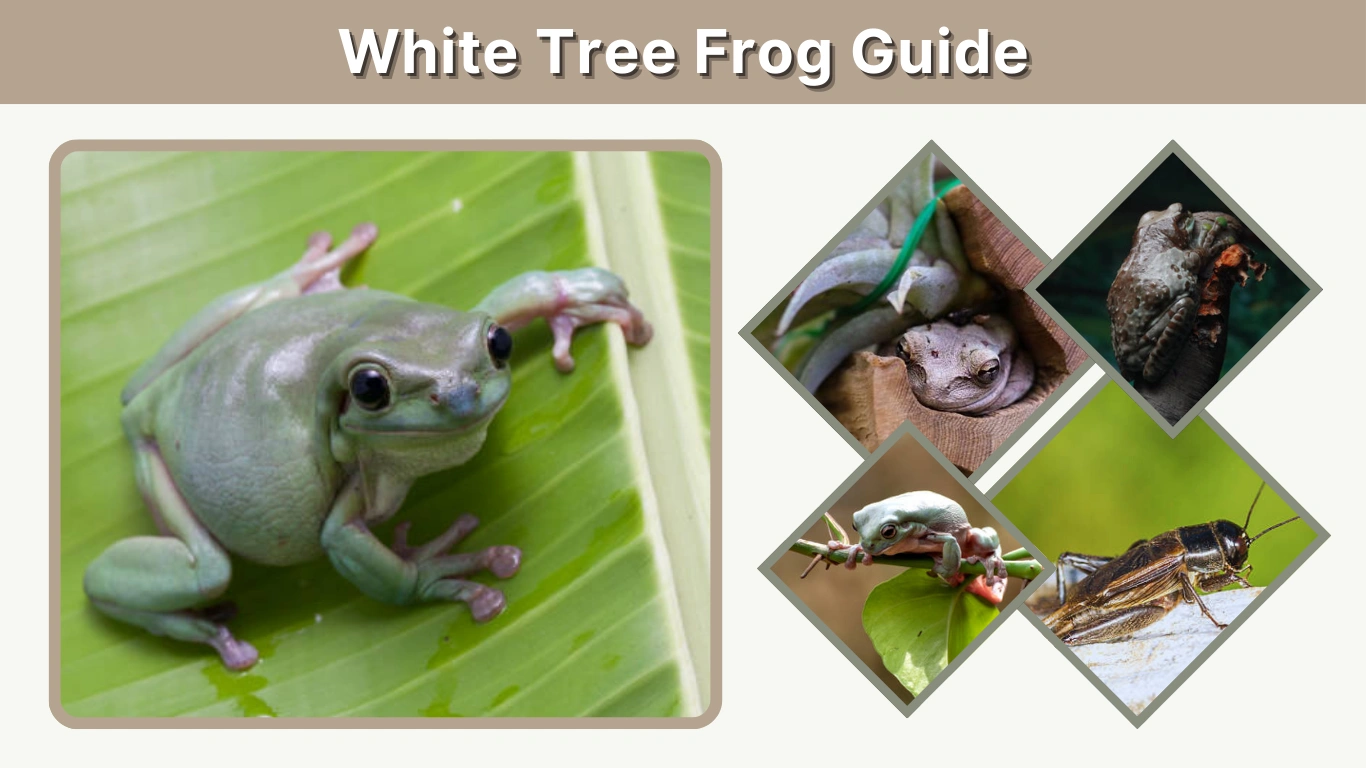
The white tree frog (Litoria caerulea), also known as the Australian green tree frog, is one of the most popular amphibians kept as a pet thanks to its calm temperament, expressive behavior, and ability to thrive in human environments. Found naturally in Australia, New Guinea, and parts of Indonesia, this hardy frog is known for its waxy skin, bright coloration, and charming personality. This guide covers everything—from size and habitat to diet, lifecycle, and identification.
Identification
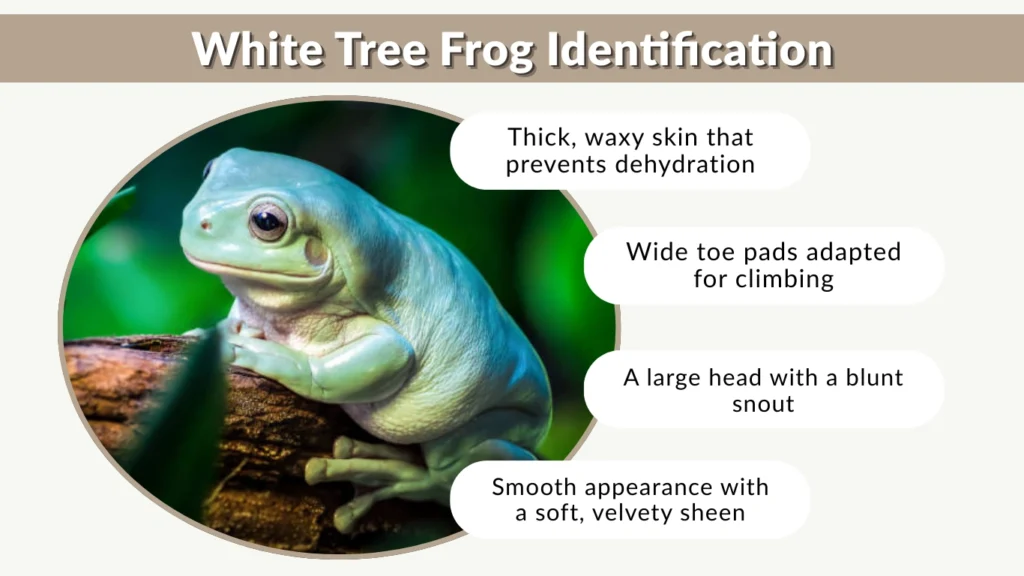
White tree frogs are easily recognized by their smooth, waxy skin and calm demeanor. Their coloration ranges from bright green to blue-green, and even brown depending on temperature and mood. Key identification features include:
- Thick, waxy skin that prevents dehydration
- Wide toe pads adapted for climbing
- A large head with a blunt snout
- Smooth appearance with a soft, velvety sheen
- Females usually larger and more robust than males
- Males have a vocal sac and may show darker nuptial pads during breeding
These features make them easy to distinguish from other tree frog species.
Quick Facts
| Feature | Details |
| Scientific Name | Litoria caerulea |
| Size | 2.5–4.5 inches |
| Lifespan | 12–20 years (captive), 7–10 years (wild) |
| Range | Australia, New Guinea, Indonesia |
| Habitat | Tropical forests, human dwellings, gardens |
| Diet | Insects, small invertebrates, occasional small vertebrates |
| Temperament | Calm, tolerant of handling |
| Conservation Status | Least Concern |
Size
White tree frogs are considered medium-to-large tree frogs.
Adult Size
Most individuals reach 2.5 to 4.5 inches in body length, with females usually on the larger side. Juveniles grow rapidly during the first year, typically doubling in size as they transition from froglet to adult. Captive frogs may grow slightly larger due to consistent food and stable environmental conditions.
Weight
Adult frogs typically weigh 1–3 ounces, though this varies depending on diet and hydration. Because they can become overweight easily in captivity, monitoring their weight and body shape is essential for long-term health.
Habitat
Natural Habitat
White tree frogs inhabit tropical and subtropical regions, thriving in warm, humid environments. They are native to:
- Northern and eastern Australia
- Southern New Guinea
- Parts of Indonesia
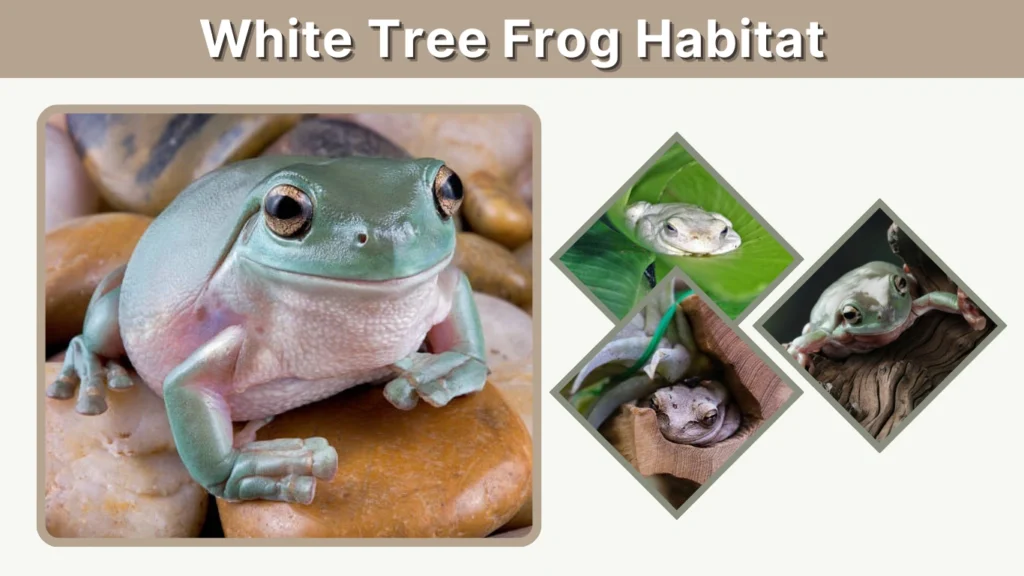
Their preferred habitats include rainforests, wooded areas, gardens, and surprisingly often, human dwellings such as bathrooms and gutters. Their waxy skin allows them to survive in drier areas than many amphibians, giving them a wide ecological range.
Microhabitats
In the wild, they commonly hide inside:
- Tree hollows
- Rain-filled leaves
- Loose bark
- Damp crevices
- Human structures
Their arboreal lifestyle means they are frequently found off the ground, climbing trees and smooth surfaces using their adhesive toe pads.
Captive Habitat (For Pet Owners)
White tree frogs adapt exceptionally well to captivity. A proper enclosure should mimic their natural environment as closely as possible.
Tank Size
- 20 gallons minimum for one frog
- 30–40 gallons for multiple frogs
- Vertical space is more important than floor space due to their climbing habits
Temperature & Humidity
- Temperature: 75–85°F in the day, 65–75°F at night
- Humidity: 50–70%, with occasional misting
- A heat source and proper ventilation are essential to prevent respiratory problems.
Substrate & Furnishings
- Coconut fiber, sphagnum moss, or reptile-safe soil
- Branches, cork bark, and thick foliage for climbing
- A shallow water dish large enough for soaking
- Secure lid to prevent escapes
A well-designed terrarium encourages natural climbing behavior and reduces stress.
Diet
Wild Diet
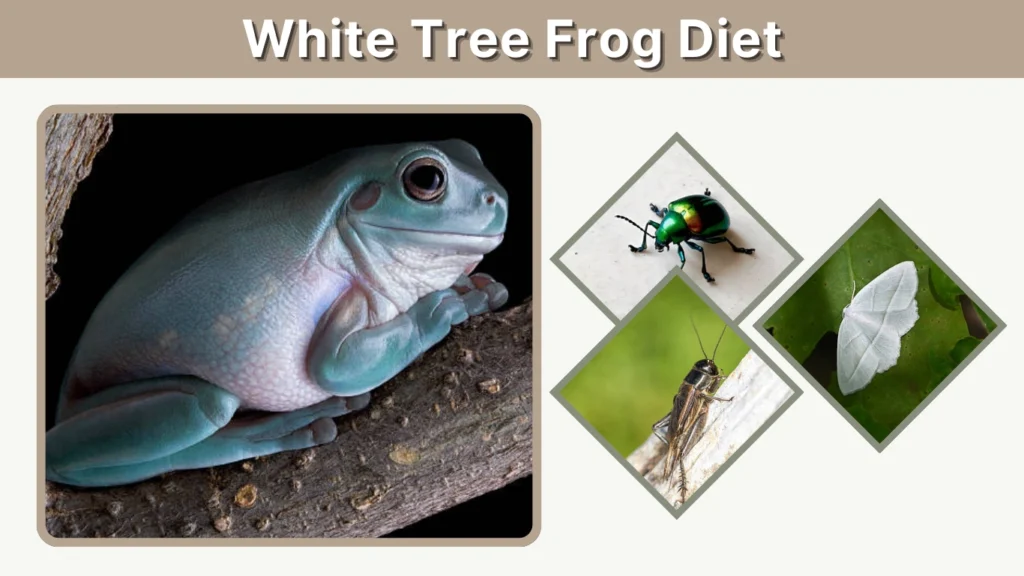
In nature, white tree frogs are opportunistic hunters, feeding on:
- Crickets
- Beetles
- Moths
- Worms
- Spiders
- Small invertebrates
- Occasionally small lizards or other frogs
Their flexible diet helps them thrive in varied environments.
Captive Diet
Pet frogs primarily eat:
- Crickets
- Dubia roaches
- Silkworms
- Hornworms
- Mealworms (sparingly)
- Nightcrawlers
Dusting food with calcium and multivitamin supplements 2–3 times per week helps prevent deficiencies. Juveniles require more frequent feedings than adults.
Lifecycle (Beginning)
White tree frogs undergo a classic amphibian lifecycle:
Breeding
Males produce a deep, resonant call, especially during the rainy season. After rainfall, females lay clusters of 200–300 eggs in still water.
Tadpole Stage
Tadpoles develop rapidly, feeding on algae and plant matter. Within 4–6 weeks, they begin transforming into froglets.
Juvenile Stage
After metamorphosis, newly formed froglets measure less than an inch long. Their coloration is often light green or brown, gradually becoming brighter as they mature. Juveniles grow rapidly during the first several months, requiring frequent feeding and stable humidity levels. They are more active and skittish than adults but settle down with age.
Adult Stage
Adult white tree frogs reach full size at around 12–18 months. In captivity, these frogs may live 12–20 years, significantly longer than their wild counterparts due to steady nutrition and low predation risk. Adult behavior becomes more predictable—calm during handling but lively during nighttime hours.
Behavior
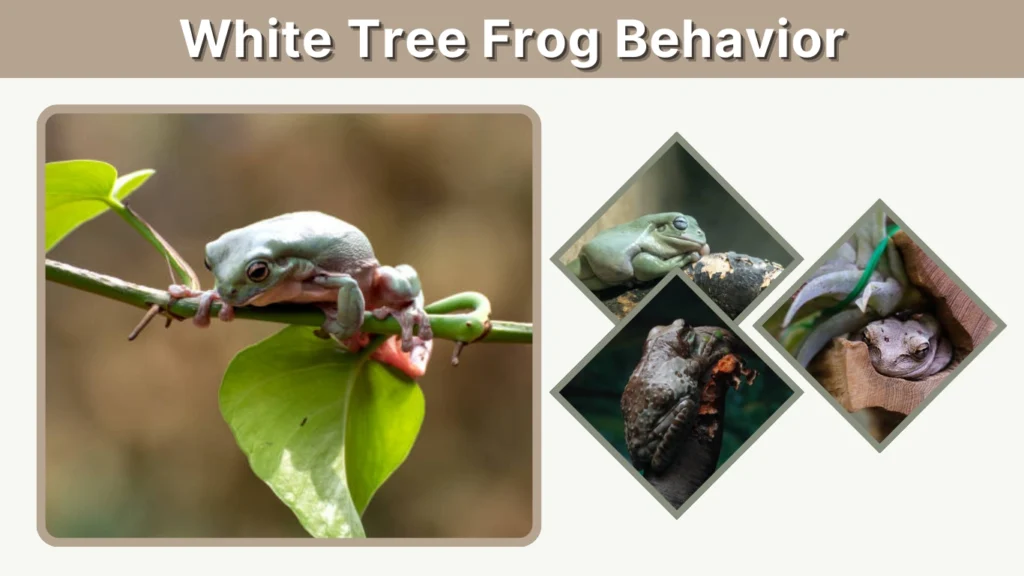
White tree frogs are known for their gentle, almost comical personalities. They exhibit behaviors that make them distinct among amphibians:
Nocturnal Activity
Most activity occurs after dusk. They explore, hunt, climb, and vocalize at night, while spending the day resting in shaded, humid spots.
Vocalizations
Males give a loud, resonant croak that can echo across long distances. They may call during mating season, after rainfall, or when excited. Females rarely vocalize.
Handling & Temperament
These frogs tolerate handling better than most amphibians due to their thicker skin. However, handling should still be gentle and limited to avoid stress and skin contamination.
Defense Mechanisms
Though not aggressive, they will puff up their bodies when threatened to appear larger. Their sticky toe pads allow rapid vertical escapes if startled.
Range & Distribution
White tree frogs are native to:
- Australia (Queensland, Northern Territory, New South Wales)
- New Guinea
- Parts of Indonesia
Their ability to thrive around humans has allowed them to colonize gardens, sheds, houses, and even water tanks. They are commonly found in warm, humid environments where insects are abundant. Though adaptable, they still depend on access to water for breeding.
Health & Common Problems
Even though white tree frogs are hardy, certain conditions can cause health issues if not monitored closely.
Obesity
One of the most common issues in captivity. Overfeeding and lack of climbing structures contribute to excess weight.
Bacterial & Fungal Infections
Dirty enclosures or standing water may lead to skin infections. Signs include redness, cloudiness, or patches on the skin.
Chytrid Fungus
A serious threat in wild populations. While hardy, they are not immune. Symptoms include lethargy, abnormal shedding, and difficulty climbing.
Parasites
Internal or external parasites can be introduced through wild insects or contaminated water. Routine vet checks help prevent severe infestations.
Stress Symptoms
Look for:
- Loss of appetite
- Dull coloration
- Excessive hiding
- Rapid breathing
Maintaining ideal temperature and humidity reduces most stress-related issues.
Care Tips for Pet Owners
Ensuring your frog thrives long-term requires consistent care:
- Provide a large vertical tank with branches and foliage
- Use safe substrates that hold moisture without molding
- Maintain 75–85°F daytime temps and moderate humidity
- Offer a varied insect diet with proper supplementing
- Avoid frequent handling to prevent stress
- Clean water dishes and remove waste daily
- Perform a full tank cleaning monthly
- Offer enrichment like branches, broad leaves, and hides
Small changes in environment or care can greatly influence their behavior and health.
White Tree Frog vs. Similar Species
| Feature | White Tree Frog | Red-Eyed Tree Frog | American Green Tree Frog |
| Color | Green/blue-green | Bright green w/ red eyes | Bright green |
| Size | 2.5–4.5 in | 2–3 in | 1.5–2.5 in |
| Temperament | Calm, tolerant | Nervous, active | Skittish |
| Range | Australia/NG | Central America | USA Southeast |
| Skin Texture | Smooth, waxy | Smooth | Smooth |
This comparison highlights the white tree frog’s calm nature and larger size.
Common Myths & Facts
Myth: White tree frogs stay green at all times.
Fact: Their color changes with temperature, humidity, and mood.
Myth: They don’t need UVB lighting.
Fact: While not required, low-level UVB helps with calcium metabolism.
Myth: They cannot recognize their owners.
Fact: While not bonded pets, they can associate keepers with feeding routines.
Conservation Status
White tree frogs are classified as Least Concern by the IUCN. However, they still face threats including:
- Habitat loss from deforestation
- Spread of chytrid fungus
- Pollution of breeding waters
- Local population declines due to urbanization
Conservation programs focus on disease monitoring and habitat protection. Despite their resilience, ongoing ecological pressures require continued attention.
FAQs
Are white tree frogs good pets?
Yes. Their hardy nature, calm behavior, and tolerance for handling make them excellent beginner amphibians. They adapt well to captivity when provided with proper humidity, temperature, and diet.
How long do they live?
Captive individuals live 12–20 years, significantly longer than wild frogs due to consistent food sources, reduced stress, and veterinary care.
Do white tree frogs change color?
Yes. They shift from green to blue-green or brown due to temperature, stress, lighting, or humidity. Color change is normal unless accompanied by signs of illness.
Can they be housed together?
Yes, but only similarly sized frogs should cohabit to avoid bullying or accidental swallowing. A sufficiently large enclosure is required.
Are they poisonous or harmful?
They are not dangerous to humans and have no harmful toxins. However, their skin is sensitive, and oils or chemicals from human hands can cause irritation.