
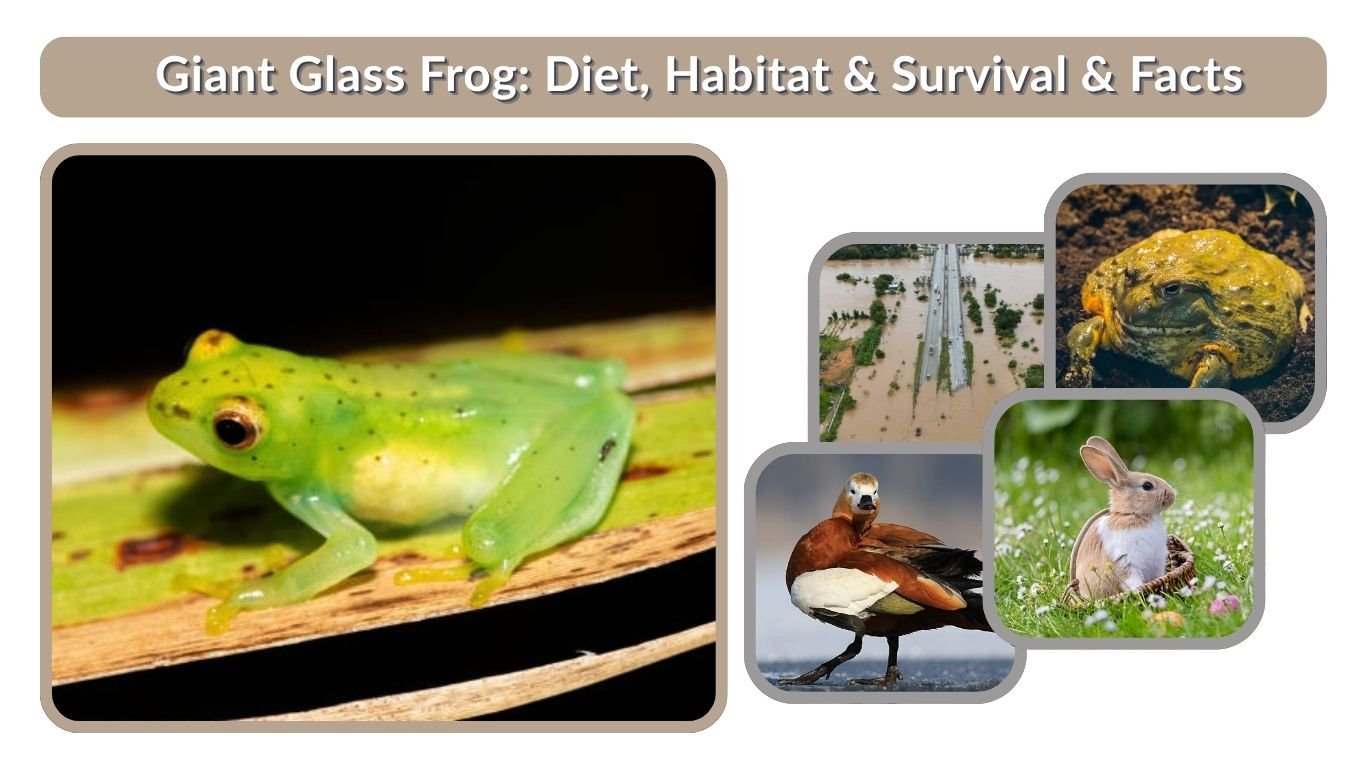
The giant glass frog is one of the most fascinating amphibians found in tropical rainforests. Known for its partially transparent body, this unique frog allows a glimpse of its internal organs, including its beating heart. While all glass frogs share this trait, the “giant” glass frog stands out due to its relatively larger size and distinct physical features.
These frogs are mostly found in Central and South America, where they thrive in humid environments near rivers and streams. Their unusual appearance, combined with their secretive lifestyle, makes them a subject of curiosity for scientists and nature enthusiasts alike.
What Is a Giant Glass Frog?
A giant glass frog refers to larger species within the glass frog family (Centrolenidae). While still small compared to many frogs, these species are bigger than typical glass frogs, which is why they are referred to as “giant.”
Their most defining feature is their translucent underside. In many individuals, the skin on the belly is so clear that internal organs such as the heart, liver, and digestive system can be seen. This characteristic is not only visually striking but also plays a role in camouflage.
Why Is It Called “Giant” Glass Frog?
The term “giant” does not mean these frogs are large in a general sense. Instead, it is used to distinguish them from smaller species within the same family. Giant glass frogs can grow up to a few inches in length, making them noticeably larger than their relatives.
Their size allows them to consume slightly larger prey and gives them a stronger presence in their ecosystem compared to smaller glass frog species.
Types of Giant Glass Frogs

There are several species commonly referred to as giant glass frogs, often named based on their geographic location.
- Amazon giant glass frog found in rainforest regions of South America
- Nicaraguan giant glass frog native to Central America
- Andes giant glass frog living in mountainous rainforest areas
- Pacific giant glass frog found near coastal rainforests
- Guajira giant glass frog adapted to specific regional climates
Each type has slight differences in size, coloration, and habitat, but all share the defining glass-like transparency.
Giant Glass Frog vs Regular Glass Frog

| Feature | Giant Glass Frog | Regular Glass Frog |
| Size | Larger | Smaller |
| Visibility of Organs | More noticeable | Less visible |
| Habitat | Dense rainforest areas | Wider tropical range |
| Rarity | Less common | More common |
While both types share similar traits, giant glass frogs tend to be less common and more specialized in their habitats. Their larger size can also make them slightly easier to spot in the wild.
Giant Glass Frog Habitat and Location
Giant glass frogs are found in tropical rainforests, where moisture and vegetation are abundant. Their survival depends heavily on these environmental conditions.
Where Do Giant Glass Frogs Live?
These frogs are primarily located in Central and South America, including countries like Costa Rica, Nicaragua, Colombia, Ecuador, and Brazil. They are especially common in areas close to freshwater sources.
Preferred Environment
Giant glass frogs prefer humid environments with dense vegetation. They are usually found on leaves hanging above streams or rivers. This location provides easy access to water and a steady supply of insects for food.
The combination of moisture, shade, and plant cover creates the perfect habitat for these amphibians.
Giant Glass Frog Diet

Like other glass frogs, giant glass frogs are carnivores. Their diet mainly consists of small insects and invertebrates found in their environment.
- Flies and mosquitoes
- Ants and termites
- Small spiders
- Moths and beetles
- Other tiny invertebrates
These frogs are opportunistic feeders, meaning they eat whatever prey is available. Their diet plays a key role in controlling insect populations in their habitat.
They hunt primarily at night, using their quick reflexes and sticky tongues to catch prey efficiently.
Giant Glass Frog Behavior and Adaptations
The giant glass frog has several behaviors and physical adaptations that help it survive in the wild.
Camouflage and Transparency
One of the most remarkable features of the giant glass frog is its transparency. This allows it to blend into its surroundings, making it harder for predators to detect it.
From above, the frog’s green coloration matches the leaves it rests on. From below, its translucent body helps it blend with light passing through the leaves.
Nocturnal Lifestyle
Giant glass frogs are mostly active at night. This reduces the risk of being seen by predators and increases their chances of finding food.
During the day, they remain still on leaves, relying on camouflage for protection.
Unique Adaptations
These frogs have specialized toe pads that allow them to grip leaves and branches securely. This is especially important since they often live above water.
Their body structure is lightweight and adapted for climbing, helping them move easily through vegetation.
Giant Glass Frog Facts
Giant glass frogs have several interesting characteristics that make them unique among amphibians.
- Their transparent skin can reveal internal organs
- They live mainly on leaves above streams
- Males often guard eggs laid on leaves
- They are excellent climbers due to sticky toe pads
- They are highly sensitive to environmental changes
One of the most fascinating behaviors is parental care. In many species, males stay with the eggs to protect them from predators and dehydration.
What Eats Giant Glass Frogs?

Despite their camouflage, giant glass frogs are prey for several animals in the rainforest.
- Birds that hunt small amphibians
- Snakes that climb trees
- Larger frogs and reptiles
- Insects such as wasps
- Small mammals
Their transparency helps reduce visibility, but it does not make them completely safe. Remaining still and hidden is their primary defense strategy.
Are Giant Glass Frogs Endangered?
Some species of giant glass frogs are facing threats due to environmental changes. While not all are endangered, many are considered vulnerable.
Threats to Survival
The biggest threat to these frogs is habitat loss. Deforestation and human development reduce the availability of suitable rainforest environments.
Pollution, especially in water sources, can also harm these frogs. Since they rely on clean water for breeding, contamination can affect their reproduction.
Climate change is another concern, as it alters temperature and humidity levels, which are crucial for their survival.
Conservation Status
The conservation status varies by species. Some are listed as vulnerable or near threatened, while others have more stable populations.
Efforts to protect rainforests and maintain clean water sources are essential for ensuring the survival of giant glass frogs.
Giant Glass Frog Adaptations
Giant glass frogs have evolved several adaptations that help them thrive in their environment.
- Transparent skin for camouflage
- Sticky toe pads for climbing
- Nocturnal behavior to avoid predators
- Ability to remain motionless for long periods
- Sensitivity to environmental conditions
These adaptations allow them to survive in a challenging ecosystem where both predators and environmental changes pose constant threats.
FAQs
What is a giant glass frog?
A giant glass frog is a larger species of glass frog known for its translucent skin and rainforest habitat. It belongs to a group of amphibians found mainly in Central and South America.
Where do giant glass frogs live?
They live in tropical rainforests near streams and rivers. These environments provide the humidity and food sources they need to survive.
What do giant glass frogs eat?
They eat small insects such as flies, ants, and spiders. They use a sticky tongue to catch prey quickly.
Why are giant glass frogs called “giant”?
They are called “giant” because they are larger than most other glass frog species, although they are still small compared to many other frogs.
Are giant glass frogs endangered?
Some species are threatened due to habitat loss and environmental changes. Conservation efforts are important to protect them.
