
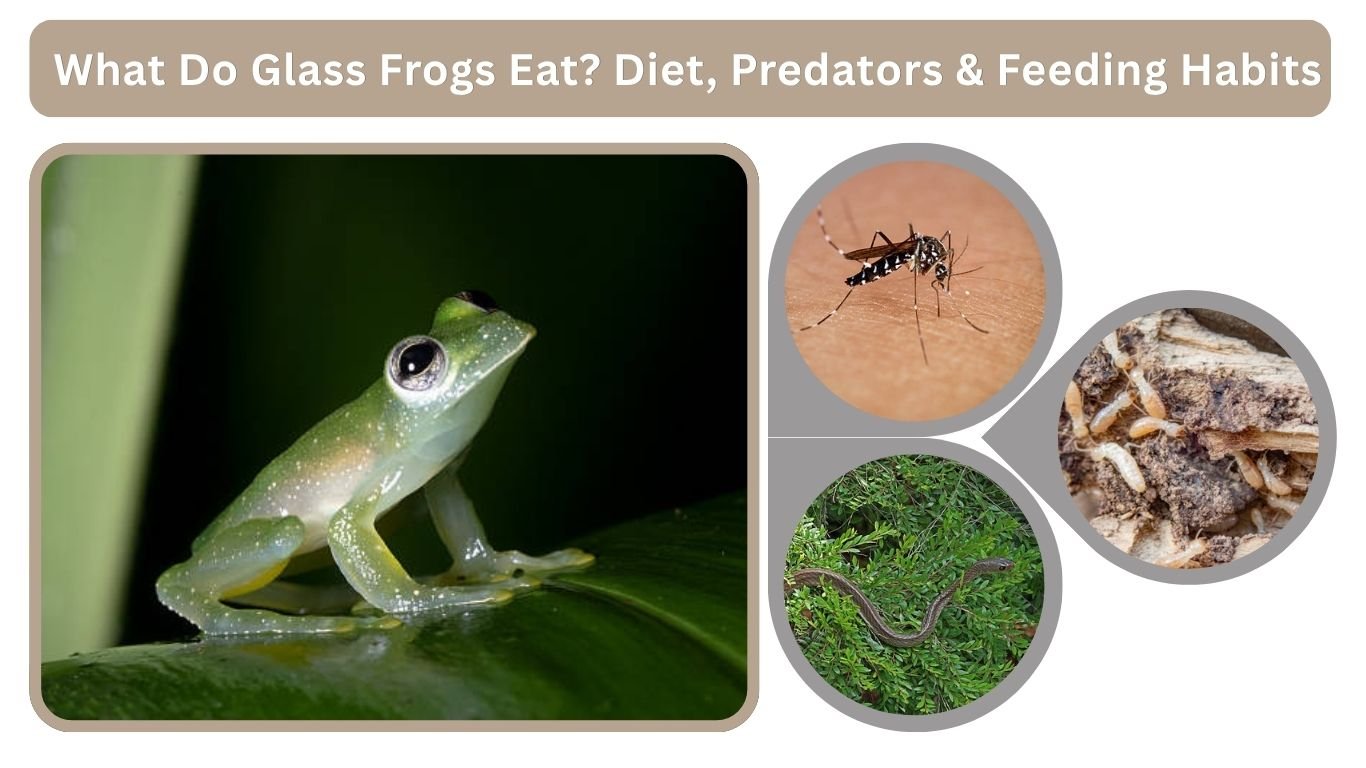
Glass frogs are among the most fascinating amphibians in the world, known for their translucent skin that often reveals their internal organs. Found mainly in Central and South American rainforests, these small frogs live in humid environments near streams and rivers. While their appearance attracts attention, many people are curious about their diet and feeding behavior.
So, what do glass frogs eat? Understanding their diet not only reveals how they survive but also highlights their important role in maintaining ecological balance in rainforest habitats.
What Do Glass Frogs Eat?

Glass frogs are carnivores, meaning they primarily eat other animals rather than plants. Their diet mainly consists of small insects and invertebrates that are easy to catch and swallow.
They rely on their environment to provide a steady supply of tiny prey, making them opportunistic feeders. Because they are relatively small frogs, they target equally small food sources that match their size and hunting ability.
Glass Frog Diet: What They Eat in the Wild

In their natural rainforest habitat, glass frogs feed on a variety of small creatures. Their diet is simple but effective for survival.
- Small insects like flies and mosquitoes
- Ants and termites
- Tiny spiders
- Moths and beetles
- Other small invertebrates
Glass frogs usually consume whatever prey is available in their immediate surroundings. This flexible diet helps them adapt to changes in food availability within their habitat.
Because they live near water and dense vegetation, they have access to a wide range of insects that thrive in humid environments.
Do Glass Frogs Eat Plants or Fruit?
A common question is whether glass frogs eat plants, fruit, or other non-animal food sources. The answer is no.
Glass frogs are strictly carnivorous. They do not eat plants, grass, or fruit. Their digestive systems are designed to process protein-rich food like insects and small invertebrates.
This distinguishes them from some other animals that have mixed diets. For glass frogs, survival depends entirely on their ability to hunt and consume live prey.
How Do Glass Frogs Eat?
Glass frogs have a simple but highly effective method for catching and eating food.
Hunting Method
Like most frogs, glass frogs use a sticky, extendable tongue to capture prey. When an insect comes within range, the frog quickly flicks its tongue out, grabbing the prey in a fraction of a second.
This ambush-style hunting requires minimal movement, which helps the frog remain hidden from both prey and predators.
When Do Glass Frogs Eat?
Glass frogs are mostly nocturnal, meaning they are active at night. This is when they hunt for food, taking advantage of the increased activity of insects after dark.
At night, they move along leaves and branches near water, waiting for insects to come close enough to strike.
Glass Frog Eating Habits
Glass frogs have specific feeding habits that help them survive in their natural environment.
- They hunt primarily at night
- They stay close to leaves above streams
- They rely on camouflage to remain unseen
- They eat small prey frequently rather than large meals
- Their feeding depends on humidity and temperature
Their transparent bodies and green coloring allow them to blend into leaves, making it easier to ambush prey. This combination of camouflage and patience makes them efficient hunters despite their small size.
What Eats Glass Frogs? (Predators)

While glass frogs are predators of insects, they are also prey for many other animals in the rainforest ecosystem.
- Birds that hunt small amphibians
- Snakes that climb trees and shrubs
- Larger frogs and amphibians
- Spiders and predatory insects like wasps
- Small mammals
Their transparency provides some protection, as it helps them blend into their surroundings. However, they still face constant threats from predators.
To survive, glass frogs rely on hiding, remaining still, and staying close to protective vegetation.
Glass Frog Diet vs Other Frogs

| Feature | Glass Frogs | Other Frogs |
| Diet Type | Insect-based | Insects + larger prey |
| Hunting Style | Ambush | Active or ambush |
| Size of Prey | Very small | Small to medium |
| Habitat Influence | Rainforest insects | Wide variety |
Compared to larger frog species, glass frogs tend to eat smaller prey. Their size limits what they can consume, so they focus on tiny insects rather than larger animals.
Other frogs, especially larger ones, may eat bigger prey such as worms, small fish, or even other frogs.
Do Glass Frogs Eat Specific Insects?
Glass frogs are not picky eaters, but certain types of prey are more common in their diet.
Do Glass Frogs Eat Flies?
Yes, flies are one of their main food sources. Flies are abundant in rainforest environments, making them an easy and reliable meal.
Do Glass Frogs Eat Spiders?
They do eat small spiders when available. However, they generally avoid larger or more dangerous species.
Do Glass Frogs Eat Worms or Ants?
Glass frogs may occasionally eat ants and tiny worms, but these are not their primary food sources. Their diet mainly consists of soft-bodied insects that are easier to catch and digest.
How Often Do Glass Frogs Eat?
Glass frogs do not eat large meals at once. Instead, they feed regularly on small prey.
Their feeding frequency depends on factors such as food availability, temperature, and humidity. In environments where insects are abundant, they may eat daily.
Because they are small animals, they require less food than larger predators, but they still need a consistent supply to maintain energy.
Why Diet Is Important for Glass Frogs
The diet of glass frogs plays a crucial role in both their survival and the health of their ecosystem.
Role in Controlling Insects
By feeding on insects like mosquitoes and flies, glass frogs help control insect populations. This can reduce the spread of pests and maintain ecological balance.
Importance in the Food Chain
Glass frogs are both predators and prey. They help transfer energy through the food chain by consuming insects and being eaten by larger animals.
This dual role makes them an essential part of rainforest ecosystems.
FAQs
What do glass frogs eat in the wild?
Glass frogs mainly eat small insects such as flies, ants, and spiders. They hunt at night and rely on their sticky tongues to catch prey quickly.
Do glass frogs eat plants?
No, glass frogs are carnivores. They do not eat plants, fruit, or grass. Their diet consists entirely of insects and small invertebrates.
What animals eat glass frogs?
Glass frogs are preyed upon by birds, snakes, spiders, and larger amphibians. Their transparent bodies help them hide, but they still face many natural predators.
How do glass frogs catch food?
They use a fast, sticky tongue to grab insects. They usually remain still and wait for prey to come close before striking.
How often do glass frogs eat?
Glass frogs eat small amounts regularly, usually at night. Their feeding frequency depends on food availability and environmental conditions.
