
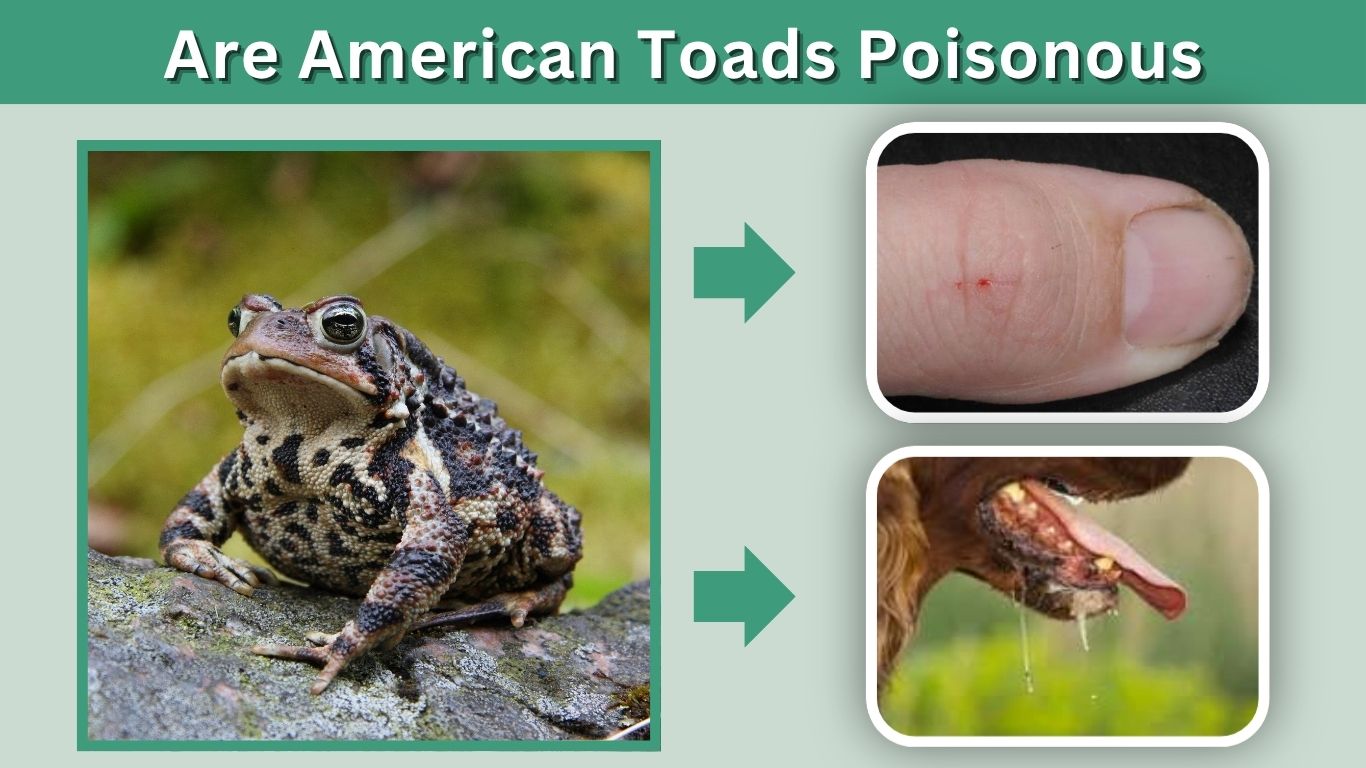
American toads are poisonous, but they are not aggressive or venomous. They protect themselves with a milky toxin from glands behind their eyes and across the skin. For humans, brief contact is usually low risk, but the toxin can irritate eyes, mouth, or broken skin. For dogs and cats, licking or biting a toad can cause poisoning symptoms and needs quick attention.
Are American Toads Poisonous or Venomous?
American toads are poisonous, not venomous. This difference matters because a venomous animal injects toxin through a bite, sting, or spine. A poisonous animal causes harm when its toxin is touched, swallowed, or absorbed through sensitive tissues. American toads do not chase, bite, or inject poison into people or pets.
Their toxin is a defensive secretion. When a predator grabs or bites the toad, the toad can release a bitter, irritating substance that makes it unpleasant or dangerous to eat. This helps the toad survive attacks from snakes, mammals, birds, and curious pets.
The poison is not used for hunting. American toads eat insects, worms, slugs, and other small invertebrates. Their toxin is mainly for protection. Because of this, simply seeing a toad in your yard is not a danger. Problems usually happen when someone handles the toad carelessly, touches their eyes afterward, or when a dog or cat mouths the toad.
American Toad Poison Glands
American toads have special poison glands called parotoid glands. These are the raised, oval glands located behind the eyes. Smaller glands are also spread through the skin. When the toad feels threatened, these glands can release a white or creamy toxin.
The toxin has a bitter taste and can irritate soft tissues. Predators often spit the toad out after tasting it. This defense works well because many animals learn to avoid toads after one bad experience.
Important facts about the poison glands:
- The largest glands are behind the eyes
- The toxin is defensive, not used for attack
- The secretion can irritate eyes, mouth, and nose
- Dogs and cats are at higher risk because they bite or lick toads
- The toxin may be released when the toad is squeezed or stressed
- Washing hands after handling reduces human irritation risk
The toxin is one reason wild animals often avoid eating adult American toads. However, some predators can still eat them, and some animals learn to target safer body parts.
Are American Toads Poisonous to Humans?
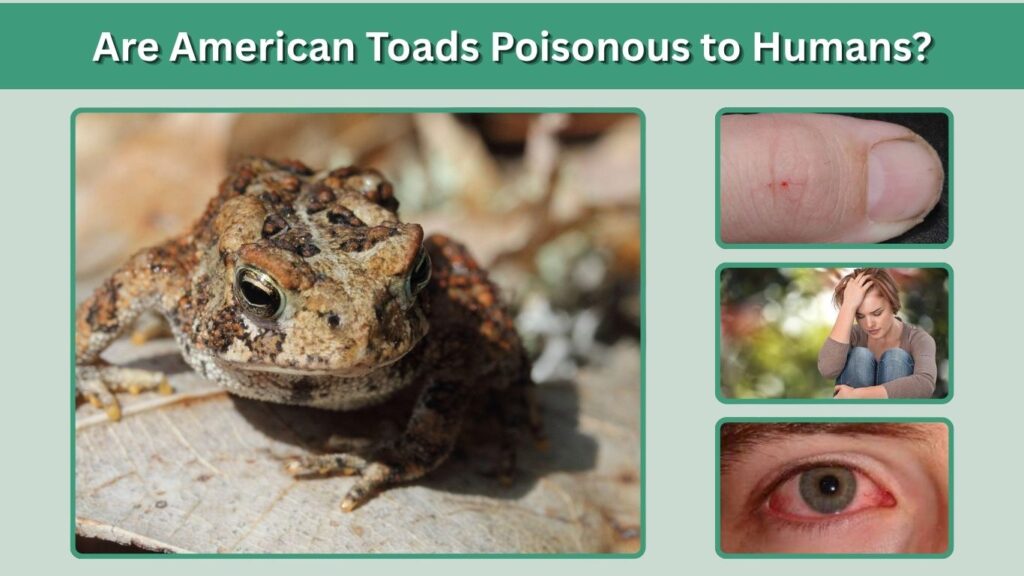
American toads are mildly poisonous to humans, but they are not usually dangerous from brief skin contact. Touching a toad with clean hands is unlikely to cause serious harm. The bigger risk comes from getting the toxin into the eyes, mouth, nose, or an open cut.
If you pick up a toad and then rub your eyes, you may feel burning, redness, watering, or irritation. If the toxin gets into the mouth, it may taste bitter and cause discomfort. Children are more likely to touch their face after handling animals, so they should be supervised around toads.
American toads do not give people warts. Their bumpy skin may look unusual, but the bumps are not contagious. Human warts are caused by viruses, not by touching amphibians.
It is still smart to handle toads as little as possible. Toads have sensitive skin that can absorb oils, soaps, sunscreen, lotion, sanitizer, and chemicals from human hands. If you must move one, use clean, damp hands or gently guide it into a container.
Are Eastern American Toads Poisonous?
Eastern American toads are poisonous in the same general way as other American toads. They have parotoid glands that produce a defensive toxin. This toxin helps protect them from predators and makes them unpleasant to eat.
For people, eastern American toads are usually not dangerous if handled briefly and safely. The main concern is irritation if toxin reaches the eyes or mouth. After touching one, wash your hands with soap and water.
For pets, eastern American toads can be more serious. A dog or cat that licks, bites, or chews one may develop symptoms such as drooling, foaming, pawing at the mouth, vomiting, or distress. Small pets may be more sensitive because of their size.
Eastern American toads are common in yards, gardens, forests, and damp places. They are beneficial animals because they eat insects and other small pests. They should not be killed just because they are poisonous. Instead, keep pets away from them and move the toad gently if it is in a risky spot.
Are American Toads Poisonous to Dogs?
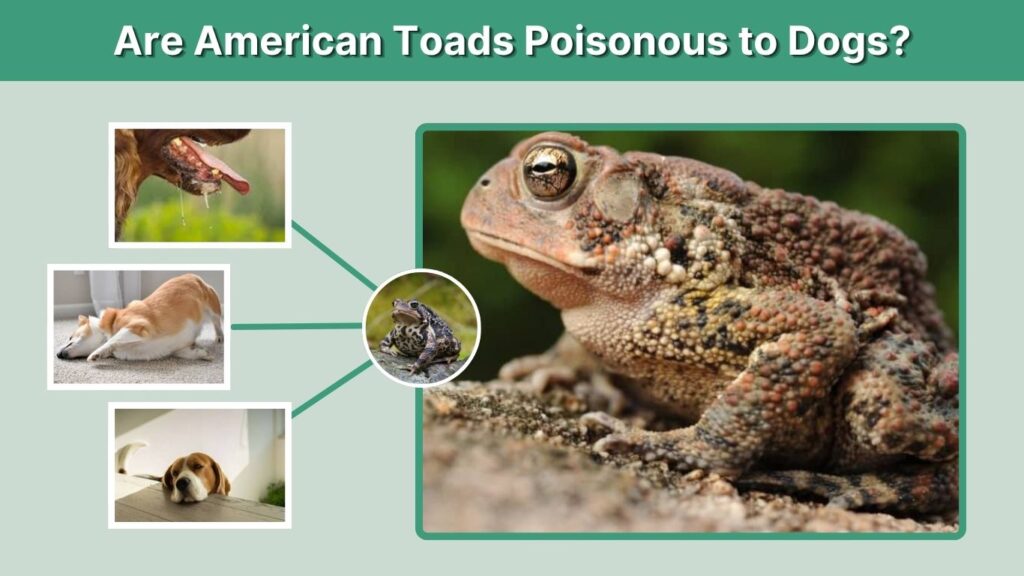
American toads can be poisonous to dogs, especially if a dog licks, bites, chews, or swallows one. Dogs are curious and often investigate small animals with their mouth. This makes them more likely than humans to be exposed to the toxin.
Most native American toad exposures cause mouth irritation and stomach upset, but reactions can vary. The risk depends on the size of the dog, how much toxin entered the mouth, the toad species, and how quickly the dog is helped.
Common signs in dogs include:
- Heavy drooling or foaming at the mouth
- Pawing at the face or mouth
- Rubbing the muzzle on the ground
- Vomiting or gagging
- Red or irritated gums
- Restlessness or whining
- Bad taste reaction
- Weakness in more serious cases
- Tremors or seizures in severe poisoning
If your dog mouths a toad, act quickly. Do not wait to see if symptoms become worse. Rinse or wipe the mouth carefully and contact a veterinarian, especially if the dog is small, symptoms continue, or you are not sure what type of toad it was.
What to Do If a Dog Licks an American Toad
A dog that licks an American toad needs quick cleaning of the mouth. The goal is to remove toxin before more is swallowed or absorbed. Do not panic, but do not ignore the situation either.
First, move the dog away from the toad. Then wipe the gums, tongue, and inside of the mouth with a damp cloth. Rinse carefully if needed, but keep the dog’s head angled downward so water does not run into the throat. You do not want the dog to swallow more toxin or inhale water.
Helpful steps:
- Remove the dog from the area
- Wipe the mouth with a wet cloth
- Rinse gently from the side of the mouth
- Keep the head downward while rinsing
- Do not force large amounts of water into the mouth
- Call a veterinarian for advice
- Watch for drooling, vomiting, tremors, weakness, or seizures
If symptoms are strong or do not improve quickly, treat it as urgent. Dogs that contact highly toxic toads, such as cane toads or Colorado River toads, may need emergency care.
Are American Toads Poisonous to Cats?
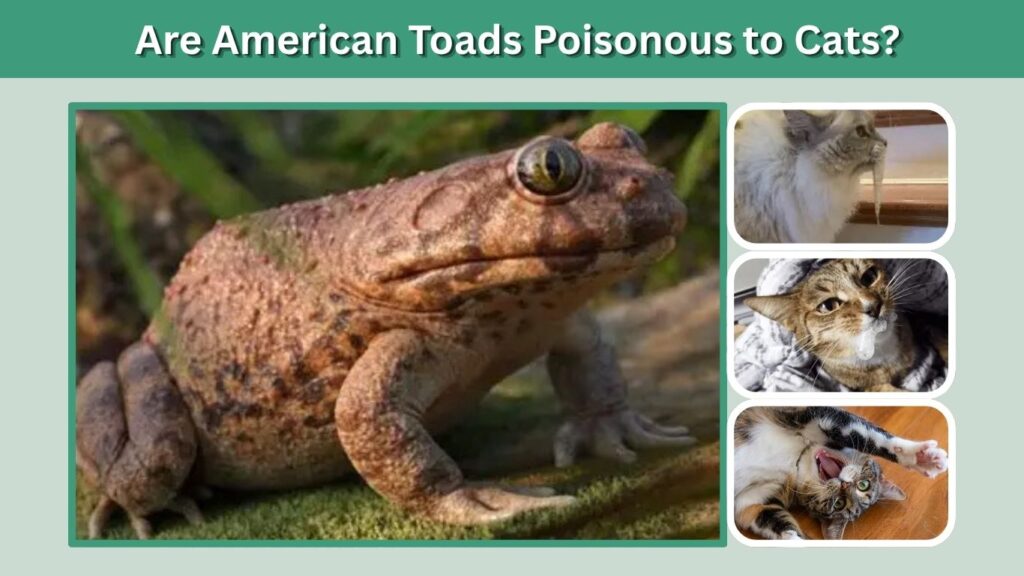
American toads can also be poisonous to cats, but cats may be less likely than dogs to chew them for long. Still, a cat that bites, bats, licks, or mouths a toad can be exposed to toxin. Kittens and small cats may be more vulnerable.
Possible symptoms in cats include drooling, foaming, pawing at the mouth, vomiting, hiding, shaking the head, or acting uncomfortable. Some cats may run away after tasting the toxin because it is bitter and irritating.
If a cat has mouthed a toad, wipe the mouth gently with a damp cloth and contact a veterinarian. Cats are smaller and can be sensitive to toxins, so it is better to be careful. Do not give home medicines unless a vet tells you to.
To reduce risk, keep cats indoors at night or supervise them outside, especially after rain. Toads are often active in damp evening weather, which is also when curious pets may find them.
How Poisonous Are American Toads?
American toads are poisonous enough to discourage predators, but they are usually less dangerous than highly toxic toads such as cane toads. Their toxin can irritate humans and can make pets sick if swallowed or absorbed through the mouth.
| Exposure Type | Risk Level | What May Happen |
| Brief skin contact | Low | Usually no serious issue if hands are washed |
| Toxin in eyes | Moderate | Burning, redness, watering, irritation |
| Toxin in mouth | Moderate | Bitter taste, nausea, mouth irritation |
| Dog licks or bites toad | Moderate to serious | Drooling, vomiting, distress, possible severe signs |
| Cat mouths toad | Moderate | Drooling, discomfort, vomiting, hiding |
| Swallowing a toad | Serious | Higher toxin exposure and possible emergency |
The word “poisonous” can sound frightening, but context matters. A toad sitting in a garden is not attacking anyone. The danger starts when the toxin enters the mouth, eyes, or other sensitive areas.
Are American Toad Tadpoles Poisonous?
American toad tadpoles may have some chemical defenses, but the biggest poisoning concern is usually adult toads with developed skin glands. Tadpoles are small, aquatic, and not normally handled or eaten by pets in the same way adult toads are.
Still, children and pets should not play with, swallow, or collect tadpoles from unknown water. Pond water can contain bacteria, parasites, pollutants, or other wildlife waste. It is better to watch tadpoles without disturbing them.
As tadpoles grow into toadlets, their defensive glands develop more. Tiny toadlets should also be left alone because they are fragile and can dry out quickly. Handling them can harm them, and the same handwashing rule applies after touching any amphibian.
Can You Pick Up an American Toad Safely?
You can pick up an American toad safely if it is necessary, but it is better to avoid handling unless you need to move it out of danger. Toads are delicate, and their skin can absorb harmful substances from your hands.
Safe handling tips include:
- Wet your hands with clean water first
- Do not use lotion, sanitizer, soap residue, or sunscreen before touching
- Scoop the toad gently instead of squeezing
- Keep it low to the ground so it cannot fall far
- Do not touch your eyes or mouth afterward
- Wash your hands after handling
- Move it only a short distance to a safe place
If a toad is on a road, patio, pool area, or garage floor, move it to a shaded, moist place nearby. Do not relocate it far away from its home range.
American Toad vs Cane Toad Poison Risk
American toads and cane toads are both poisonous, but cane toads are much more dangerous to pets. Cane toads are large invasive toads in some regions and can produce strong toxins that may cause life-threatening symptoms in dogs and cats.
American toads are native to much of eastern North America. Their toxin is usually milder, but pets can still become sick after mouth contact. Because different toad species can look similar to non-experts, any pet exposure should be taken seriously.
If you live in an area with cane toads, learn how to identify them. A large toad with strong poison glands can be a serious emergency for pets. When unsure, call a veterinarian or local wildlife expert rather than guessing.
How to Keep Dogs and Cats Away from Toads
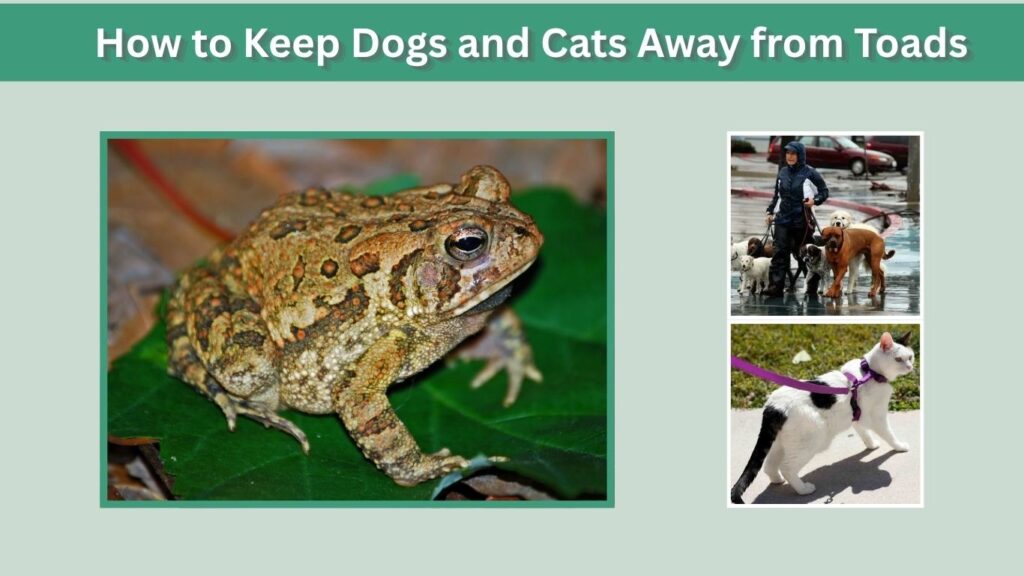
The best way to prevent toad poisoning is to reduce pet contact. Toads are most active during warm, damp weather, especially after rain and at night. Dogs often find them in yards, near porch lights, around gardens, or close to water.
Prevention tips include:
- Supervise dogs outside after rain
- Use a leash during nighttime potty breaks
- Keep outdoor lights from attracting too many insects near pet areas
- Remove standing water where pets play
- Check the yard before letting pets out
- Teach dogs a “leave it” command
- Keep cats indoors or supervised
- Do not let pets chew unknown wildlife
Do not use poisons or harsh chemicals to remove toads. These can harm pets, wildlife, soil, and water. Toads are beneficial animals, so safe separation is better than killing them.
FAQs
Are American toads poisonous to touch?
American toads can release a mild defensive toxin, but brief skin contact is usually not dangerous for humans. The toxin becomes more irritating if it reaches the eyes, mouth, nose, or broken skin. Wash your hands after handling and avoid touching your face.
Are American toads poisonous to dogs?
Yes, American toads can be poisonous to dogs if licked, bitten, chewed, or swallowed. Dogs may drool, foam, vomit, paw at the mouth, or act distressed. Wipe or rinse the mouth carefully and contact a veterinarian for guidance.
Are American toads poisonous to cats?
American toads can be poisonous to cats if the cat mouths or bites them. Symptoms may include drooling, foaming, vomiting, pawing at the mouth, or hiding. Because cats are small and sensitive, contact a veterinarian if exposure happens.
Do American toads secrete poison?
Yes, American toads secrete poison from parotoid glands behind the eyes and smaller glands in the skin. The secretion is a defensive toxin that helps protect the toad from predators. It is not used to attack humans or pets.
Can American toads kill dogs?
American toads are usually less dangerous than cane toads, but they can still make dogs sick. Severe reactions are possible, especially in small dogs or heavy exposure. If a dog bites, licks, or swallows a toad, clean the mouth and call a vet.
