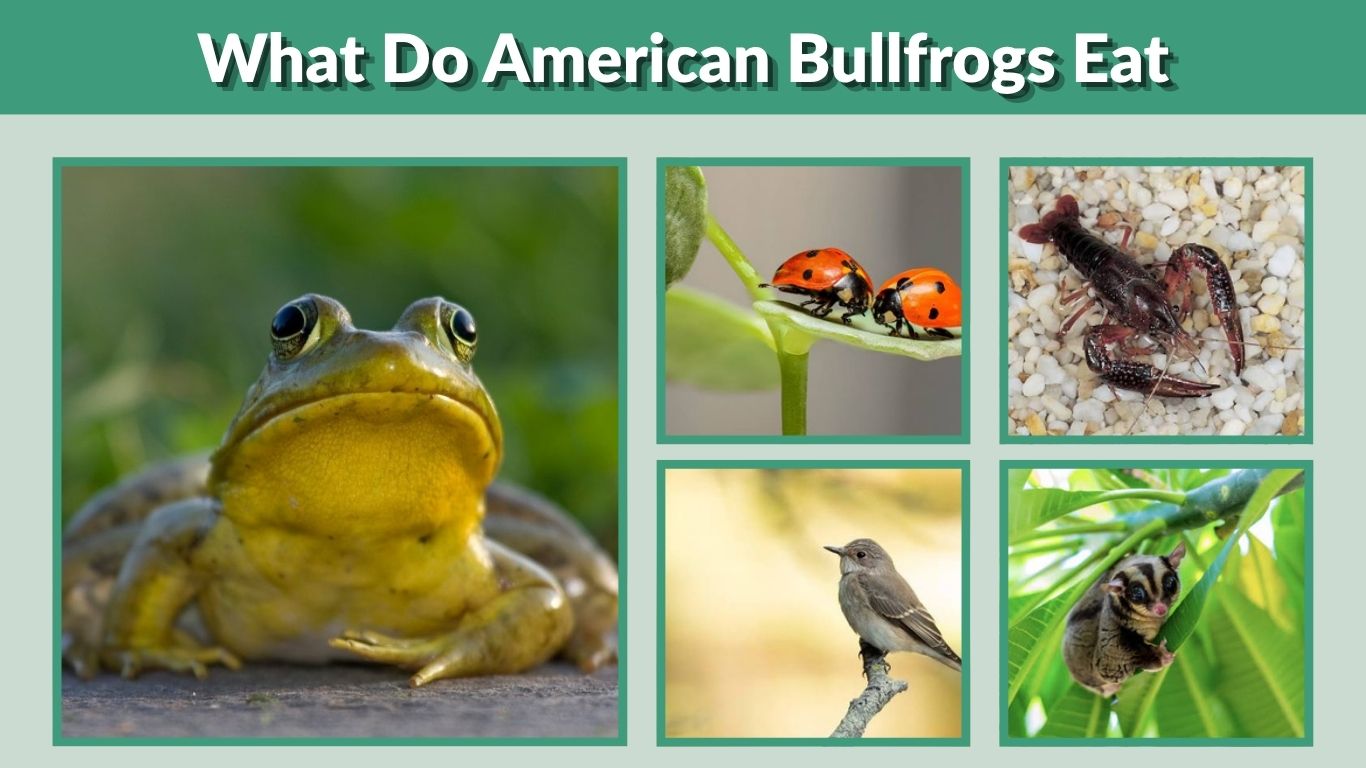
American bullfrogs are powerful ambush predators with a very wide diet. In the wild, they eat insects, crayfish, fish, frogs, tadpoles, snakes, small mammals, and even small birds when they can catch them. Baby bullfrogs eat smaller prey, while tadpoles mostly eat algae and plant material. Their diet changes as they grow from aquatic tadpoles into large adult frogs.
What Do American Bullfrogs Eat?
American bullfrogs eat almost any animal they can catch and swallow. They are carnivores as adults and usually hunt from the edge of ponds, lakes, marshes, and slow streams. The National Aquarium describes bullfrogs as ambush predators that eat worms, insects, crayfish, fish, other frogs, snakes, small turtles, small mammals, and birds.
| 10 Foods American Bullfrogs Eat | Wild Diet | Captive Diet Use |
| 1. Insects | Common staple prey | Good choice |
| 2. Crickets | Common land prey | Good feeder insect |
| 3. Earthworms | Common soft prey | Good choice |
| 4. Water beetles | Common aquatic prey | Wild food |
| 5. Crayfish | Common larger prey | Occasional only |
| 6. Small fish | Common pond prey | Use carefully |
| 7. Tadpoles | Eaten in ponds | Not recommended as pet food |
| 8. Other frogs | Common in wild | Avoid as feeder food |
| 9. Small snakes | Large bullfrogs may eat them | Not suitable |
| 10. Small birds or mammals | Rare but possible | Avoid or very limited |
1. Insects
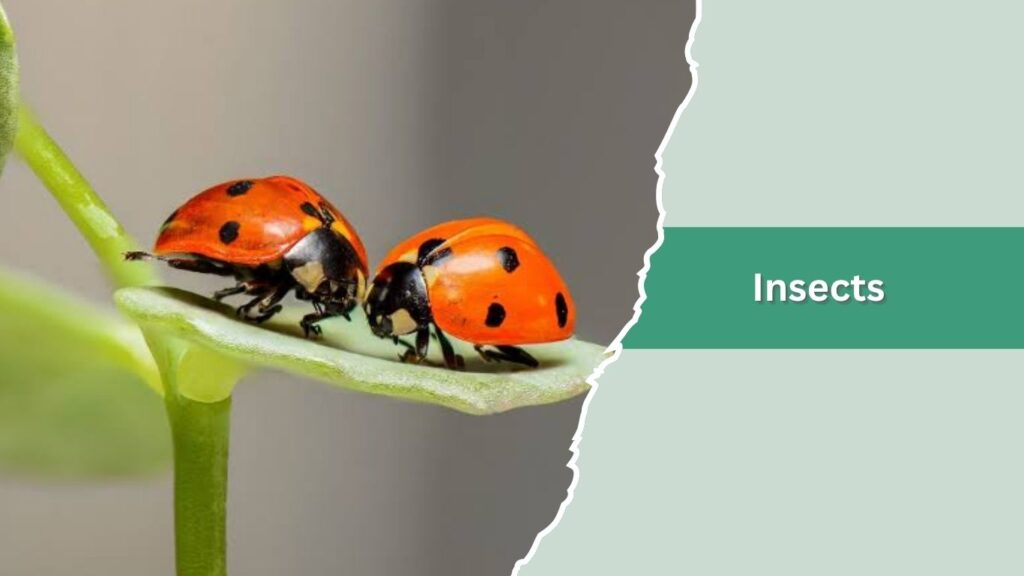
Insects are one of the most common foods for American bullfrogs. They may eat flies, beetles, grasshoppers, moths, dragonflies, and other insects that come near the water. The National Park Service lists water beetles and dragonfly nymphs among bullfrog foods.
For pet American bullfrogs, insects are usually safer than large vertebrate prey. Gut-loaded crickets, roaches, and other feeder insects can provide movement, nutrition, and hunting stimulation.
2. Earthworms
Earthworms are a good food for baby, juvenile, and adult American bullfrogs. They are soft, easy to swallow, and usually accepted quickly.
For captive bullfrogs, earthworms are often one of the better staple foods because they are less risky than feeder fish or rodents. They should be appropriately sized so the frog can swallow them without stress.
3. Crayfish
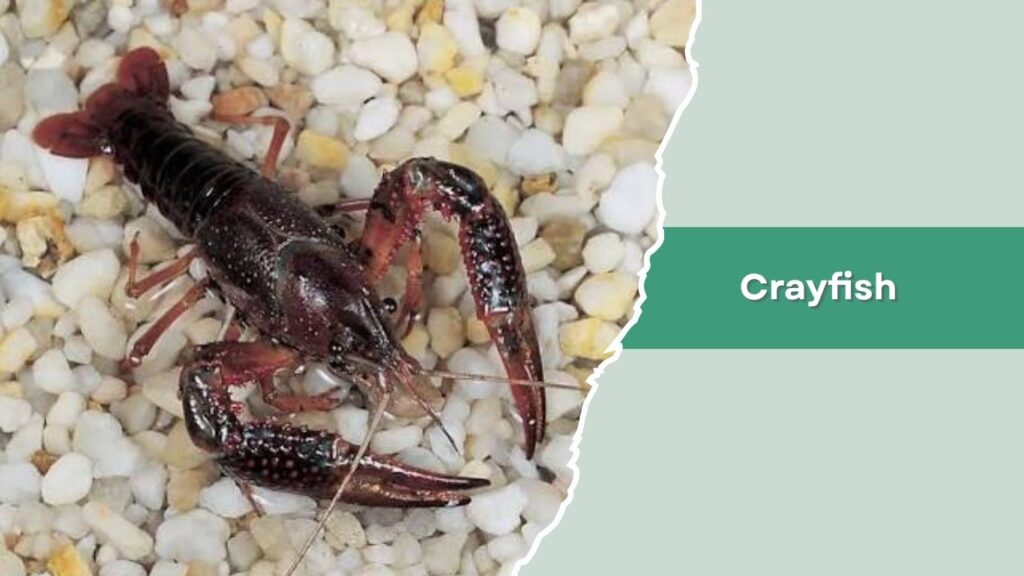
Crayfish are part of the wild American bullfrog diet. Large bullfrogs can overpower and swallow small crayfish, especially in ponds and wetlands where crayfish are common. The National Park Service includes crayfish in the bullfrog diet.
In captivity, crayfish should only be used carefully because claws can injure frogs. If offered, they should be small, safe, and not taken from polluted or pesticide-exposed water.
4. Small Fish
American bullfrogs eat small fish when they can catch them. They wait near the water and strike quickly when fish move close enough. Chesapeake Bay Program says bullfrogs consume fish along with insects, crayfish, small snakes, other frogs, small birds, and mammals.
Pet bullfrogs should not live on feeder fish alone. Some feeder fish can carry parasites or create nutritional problems if overused. A varied insect-and-worm diet is usually safer.
5. Other Frogs
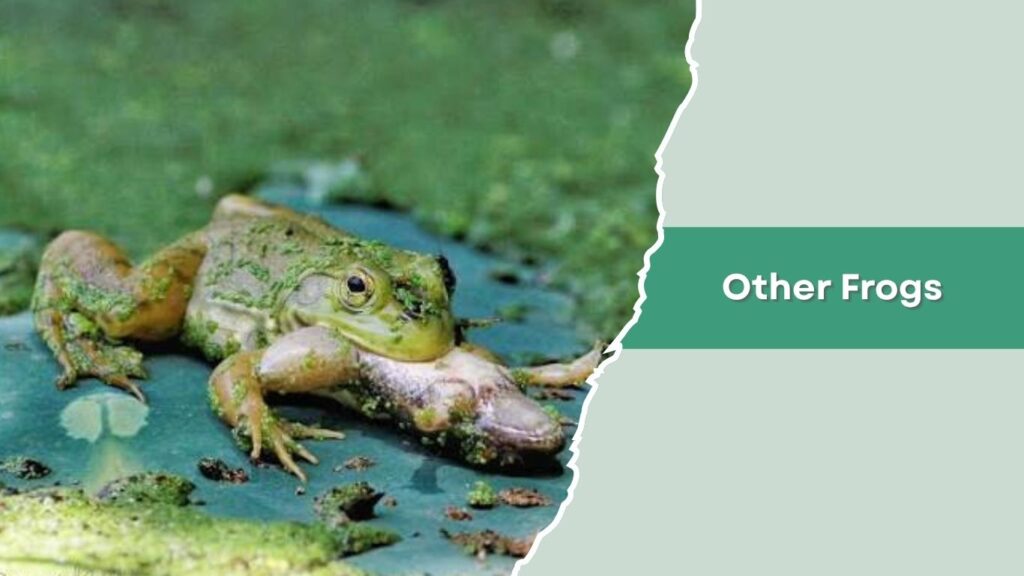
American bullfrogs are known for eating other frogs. This includes smaller frog species and sometimes smaller bullfrogs. This behavior is one reason they can harm native amphibians in places where they have been introduced.
California Department of Fish and Wildlife describes American bullfrogs as invasive in California and notes that they can outcompete native frogs and other aquatic species.
6. Tadpoles
Adult bullfrogs may eat tadpoles, including tadpoles of other frog species. Bullfrog tadpoles may also occasionally consume small animal material, but they are mainly plant and algae feeders.
In captivity, it is better not to feed pet bullfrogs wild tadpoles. Wild tadpoles may carry parasites, disease, or local wildlife protections.
7. Snails and Mollusks
Snails and other small mollusks may be eaten by bullfrogs in wetland habitats. BioKIDS lists mollusks among the animal foods eaten by American bullfrogs.
Snails are not usually a main captive food because wild snails may carry parasites. For pets, safer feeder insects and worms are easier to manage.
8. Small Snakes and Reptiles
Large American bullfrogs can eat small snakes and other reptiles if they fit in the mouth. National Geographic describes bullfrogs as nocturnal predators that eat insects, mice, fish, birds, and snakes.
This shows how opportunistic bullfrogs are. They do not chew food. They usually swallow prey whole, sometimes using their front feet to push food into the mouth.
9. Small Mammals
Large bullfrogs may eat small mammals such as mice when the opportunity appears. This is not everyday food for most wild bullfrogs, but it can happen.
For pet bullfrogs, mice should be avoided or used only rarely under expert guidance. A diet too heavy in rodents can lead to obesity and poor long-term health.
10. Small Birds
Small birds are unusual prey, but large bullfrogs can eat them if they catch them near the water. The National Aquarium and National Geographic both list birds among possible bullfrog prey.
This does not mean birds are a normal pet food. It simply shows that adult bullfrogs are powerful opportunistic predators.
What Do American Bullfrog Tadpoles Eat?
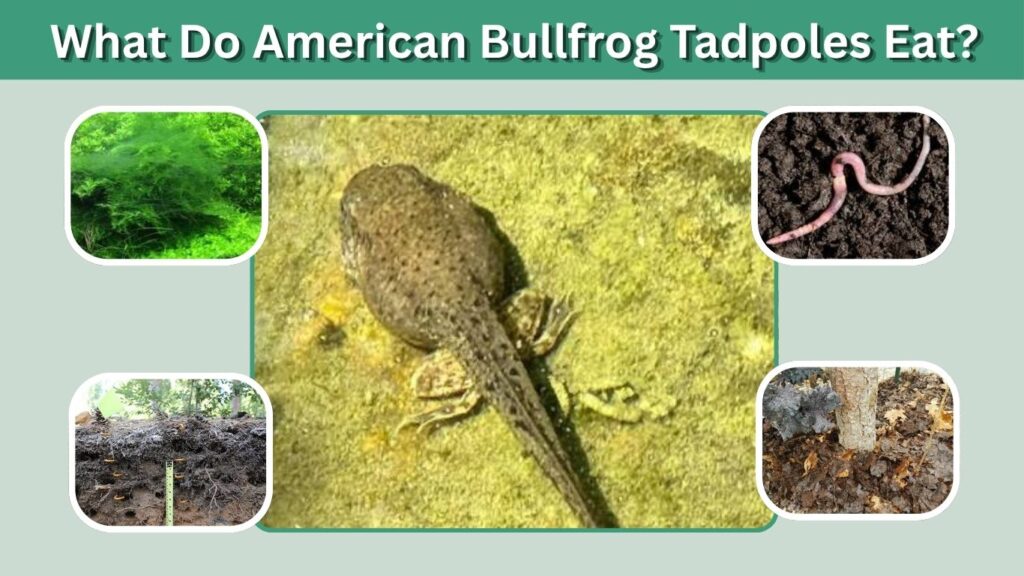
American bullfrog tadpoles eat very differently from adult bullfrogs. Tadpoles are mostly aquatic grazers, while adult bullfrogs are carnivorous hunters.
The Virginia Herpetological Society says bullfrog larvae mainly eat algae, aquatic plant material, and some invertebrates.
Tadpole Food List
American bullfrog tadpoles may eat:
- Algae
- Aquatic plant material
- Biofilm
- Decaying plant matter
- Tiny aquatic invertebrates
- Soft boiled lettuce in captivity
- Algae wafers in captivity
- Spirulina-based foods
- Commercial tadpole food
- Small amounts of aquatic insect material
Tadpoles should not be fed meat-heavy diets. Too much rich food can foul the water and harm them.
Captive Tadpole Feeding
If you are raising American bullfrog tadpoles, keep the diet mostly plant-based. Offer small amounts of food and remove leftovers before they rot.
Good captive options include algae wafers, boiled romaine lettuce, spirulina fish food, and safe commercial tadpole diets. Clean water is just as important as food because dirty water can quickly kill tadpoles.
What Do Baby American Bullfrogs Eat?
Baby American bullfrogs, also called froglets, eat tiny live prey after they finish metamorphosis. They no longer graze like tadpoles. Once they become froglets, they need small moving animals.
Baby bullfrogs may eat fruit flies, pinhead crickets, tiny worms, small roaches, mosquito larvae, and other tiny insects. The food should be smaller than the width of the frog’s head so it can swallow safely.
Baby Bullfrog Feeding Tips
Baby bullfrogs need small, frequent meals. They should not be offered large prey because oversized food can cause choking, injury, or stress.
Good foods for baby American bullfrogs include:
- Pinhead crickets
- Flightless fruit flies
- Tiny earthworm pieces
- Small roach nymphs
- Small waxworms occasionally
- Tiny aquatic insects
As the frog grows, prey size can slowly increase.
What Do American Bullfrogs Eat in Captivity?
Pet American bullfrogs should eat a varied diet of safe live prey. Captive adults are often fed earthworms, crickets, roaches, mealworms, occasional crayfish, and limited feeder fish. Exotic Pet Vet notes that captive adults are frequently fed earthworms, crickets, mealworms, goldfish, crayfish, and mice, but also warns that bullfrogs are prone to obesity.
Best Pet Foods
The best pet American bullfrog foods include:
- Earthworms
- Nightcrawlers
- Crickets
- Dubia roaches
- Silkworms
- Hornworms
- Mealworms in moderation
- Small feeder insects
- Occasional safe aquatic prey
Use captive-bred feeder insects when possible. Wild insects may carry pesticides, parasites, or toxins.
Feeding Schedule
Adult bullfrogs do not need food every day. Large adults can become overweight if they are fed too often. Exotic Pet Vet recommends feeding large adult bullfrogs 2–3 times weekly in moderation, while younger frogs can eat size-appropriate foods every other day.
A simple feeding plan:
| Bullfrog Stage | Feeding Frequency | Food Size |
| Tadpole | Small daily plant-based meals | Soft, tiny pieces |
| Froglet | Daily or near daily | Very small live prey |
| Juvenile | Every other day | Small insects/worms |
| Adult | 2–3 times weekly | Prey smaller than mouth width |
Foods American Bullfrogs Should Not Eat
American bullfrogs are not picky, but that does not mean every food is safe. In captivity, poor food choices can cause obesity, choking, parasites, or nutritional imbalance.
Avoid feeding:
- Processed meat
- Bread
- Cooked human food
- Wild-caught insects from sprayed areas
- Large mice as regular food
- Large crayfish with strong claws
- Goldfish as a staple
- Fireflies or toxic insects
- Oversized prey
- Wild frogs or tadpoles
Fireflies and some wild insects can be toxic. Wild amphibians can carry diseases and may also be protected by local laws.
How American Bullfrogs Hunt
American bullfrogs are sit-and-wait predators. They often stay still at the water’s edge and wait for prey to move close. When the prey is within range, the frog lunges forward and grabs it with a sticky tongue and wide mouth.
Chesapeake Bay Program explains that bullfrogs are ambush predators that sit at the water’s edge and lunge at passing prey.
Their large mouth is the main reason their diet is so broad. If an animal is small enough to swallow and slow enough to catch, a bullfrog may try to eat it.
North American Bullfrogs vs South American Burrowing Bullfrogs
The keyword “South American burrowing bullfrog” can confuse readers. The American bullfrog is a North American species, Lithobates catesbeianus. South American burrowing frogs are different animals and may have different care needs, habitat needs, and diets.
North American bullfrogs usually live near ponds, lakes, marshes, and slow streams. Washington Department of Fish & Wildlife describes the American bullfrog as North America’s largest frog and notes that it is native to the eastern United States but invasive in Washington.
So, when searching for food information, make sure the article is about the correct species. “American bullfrog” and “South American burrowing bullfrog” are not the same care topic.
Are American Bullfrogs Bad for Native Wildlife?
In their native range, American bullfrogs are part of the natural food web. Outside their native range, they can become a serious problem because they eat many native animals and compete with native frogs.
Washington Department of Fish & Wildlife says American bullfrogs are considered invasive and problematic in Washington.
For this reason, never release pet bullfrogs, tadpoles, or froglets into the wild. Even if they seem healthy, released animals can spread disease or harm local wildlife.
FAQs
What do American bullfrogs eat most?
American bullfrogs mostly eat live animal prey such as insects, worms, crayfish, fish, frogs, tadpoles, and other small animals. Adults are carnivores and usually ambush prey near water.
What do American bullfrog tadpoles eat?
American bullfrog tadpoles mainly eat algae, aquatic plant material, biofilm, and some tiny invertebrates. In captivity, they can eat algae wafers, boiled lettuce, spirulina foods, and commercial tadpole food.
What do baby American bullfrogs eat?
Baby American bullfrogs eat tiny live prey such as fruit flies, pinhead crickets, small worms, and tiny roach nymphs. Their food should be small enough to swallow safely.
What do pet American bullfrogs eat?
Pet American bullfrogs can eat earthworms, crickets, roaches, nightcrawlers, silkworms, hornworms, and occasional other safe feeder prey. Adults should not be overfed because they can become obese.
Do American bullfrogs eat other frogs?
Yes, American bullfrogs eat other frogs, including smaller frog species and sometimes smaller bullfrogs. This is one reason they can harm native amphibians in places where they are introduced.
