Green tree frogs are small, bright, and often seen clinging to leaves, windows, walls, and garden plants. The name “green tree frog” can refer to different species, especially the American green tree frog and the Australian green tree frog. Both are known for climbing ability, smooth green bodies, and nighttime activity. These 12 green tree frog facts explain their size, habitat, diet, behavior, calls, life cycle, and safety around people and pets.
Green Tree Frog Facts at a Glance
Green tree frogs are popular because they are colorful, easy to recognize, and often live close to water and vegetation. The American green treefrog is usually 1.25–2.5 inches long, while the Australian green tree frog can be much larger, reaching up to about 11–12 cm.
| Fact | Quick Answer |
| Common color | Bright green, yellow-green, or green-gray |
| Main habitat | Marshes, ponds, swamps, trees, shrubs |
| Diet | Small insects and other invertebrates |
| Activity | Mostly nocturnal |
| Special feature | Sticky toe pads for climbing |
| Pet handling | Best handled very little |
| American green treefrog size | 1.25–2.5 inches |
| Australian green tree frog size | Up to about 11–12 cm |
1. Green Tree Frogs Are Not Just One Species
The phrase “green tree frog” can mean different frogs depending on location. In the United States, it often means the American green treefrog, also known as Dryophytes cinereus or Hyla cinerea. In Australia, it usually refers to the Australian green tree frog or White’s tree frog, Litoria caerulea.
American vs Australian Green Tree Frog
The American green tree frog is smaller and slimmer. The Australian green tree frog is larger, rounder, and often kept as a pet. Both are tree frogs, but they live on different continents and have different care needs in captivity.
2. They Can Change Color Slightly
Green tree frogs are usually bright green, but they are not always the same shade. The American green treefrog can appear bright green, greenish gray, or yellow-green, and its color may vary with temperature and activity.
This color change helps them blend into leaves, stems, and wetland plants. Some individuals also have small golden or yellowish spots on their backs, making them even more attractive.
3. Green Tree Frogs Have Sticky Toe Pads
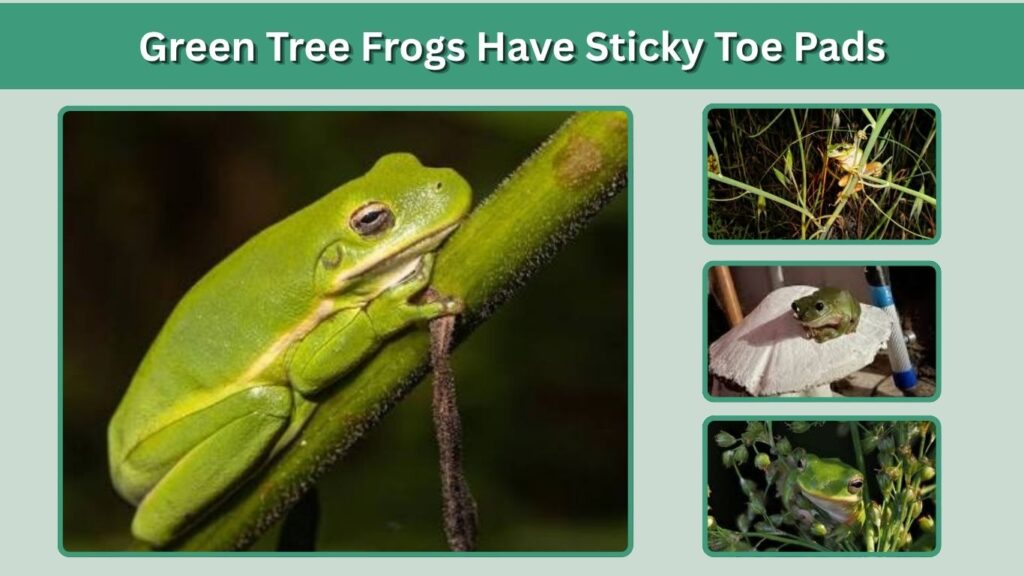
One of the best green tree frog facts is their climbing ability. These frogs have long toes with big, sticky toe pads that help them cling to plants, branches, windows, and even smooth surfaces.
Their toe pads help them:
- Climb leaves and reeds
- Rest on windows and walls
- Move through shrubs and trees
- Stay above water and predators
- Hunt insects attracted to lights
4. They Live Near Water and Vegetation
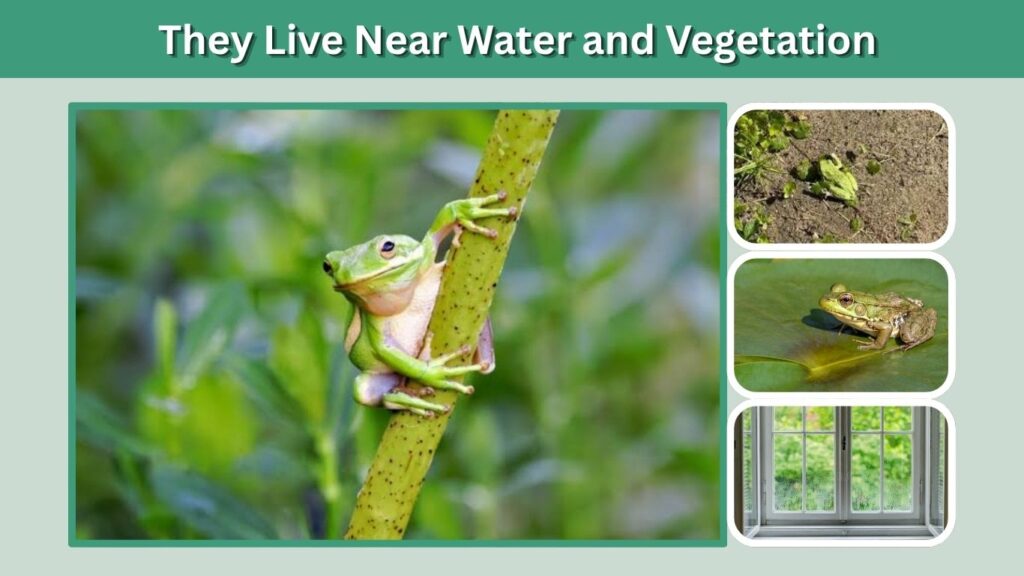
Green tree frogs are strongly connected to moist habitats. American green treefrogs live in marshes, wet prairies, cypress swamps, and along the edges of lakes, ponds, and streams. They like areas with plenty of ground cover and aquatic vegetation.
You may find them:
- On pond plants
- In reeds and grasses
- Near garden ponds
- On shrubs close to water
- Around porch lights at night
- On windows after rain
5. Green Tree Frogs Are Mostly Nocturnal
Green tree frogs are active mostly at night. During the day, they often rest on the undersides of leaves or in moist, shady places. At night, they search for insects and may appear near outdoor lights where bugs gather.
This nighttime lifestyle helps them avoid daytime heat and many predators. It also gives them better chances to catch flying insects such as moths, flies, and mosquitoes.
6. They Eat Small Insects
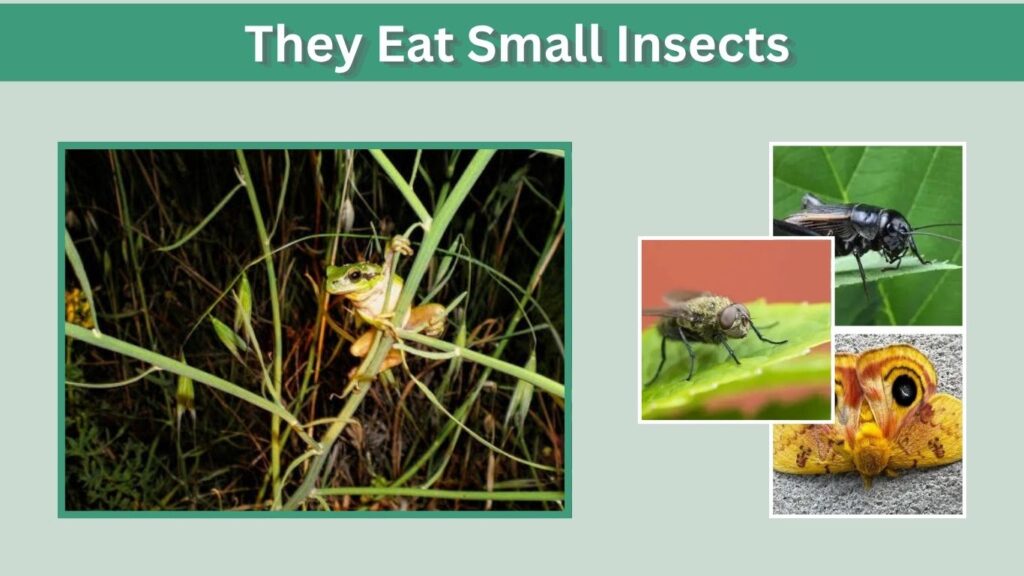
Green tree frogs are insect-eaters. American green treefrogs eat small insects and other invertebrates. The Chesapeake Bay Program notes that green treefrogs eat crickets, moths, flies, and other small invertebrates, and they may cling to windows or walls to catch insects attracted to light.
Common foods include:
- Mosquitoes
- Flies
- Moths
- Crickets
- Small beetles
- Small spiders
- Other tiny invertebrates
This makes them useful in natural pest control, especially in wetland and garden habitats.
7. They Help Control Insect Populations
Green tree frogs are not just pretty animals. They also play an important ecological role. Alabama Wildlife Federation explains that adult green tree frogs help control pests because they feed on mosquitoes, flies, and other small arthropods.
They are also part of the food chain. Adult green tree frogs may be eaten by snakes, birds, large fish, and larger frogs, while tadpoles can be eaten by fish and aquatic insects.
8. Male Green Tree Frogs Call Loudly
Male green tree frogs are famous for their calls. During breeding season, males gather near water and call to attract females. NatureWorks describes the call as sounding like a cowbell from a distance and more like “quank-quank” up close.
Green tree frogs are sometimes called “rain frogs” because many people notice them calling more loudly during damp or rainy weather.
9. They Lay Eggs in Water
Green tree frogs need water for reproduction. In American green treefrogs, breeding may occur from spring through early fall, depending on location. NatureWorks says females can lay up to 400 eggs in shallow water with aquatic plants, and tadpoles may hatch in about a week.
Green Tree Frog Life Cycle
The basic life cycle includes:
- Egg
- Tadpole
- Froglet
- Adult frog
Tadpoles live in water, while adults can live on land, plants, shrubs, and trees near moist areas.
10. They Use Camouflage to Avoid Predators
Green tree frogs rely heavily on camouflage. Their green body helps them blend into leaves and other plants. Alabama Wildlife Federation notes that they are especially hard to detect when they tuck their limbs under the body and close their eyes.
Predators may include:
- Snakes
- Birds
- Lizards
- Large fish
- Larger frogs
Their small size and green color help them stay hidden, especially during the day.
11. Green Tree Frogs Are Sensitive to Pollution
Like many amphibians, green tree frogs have thin, delicate skin. This makes them sensitive to chemicals, pollutants, and habitat changes. Alabama Wildlife Federation notes that the thin skin of green tree frogs and other amphibians makes them vulnerable to absorbing toxic materials from the environment.
This is why frogs can be useful environmental indicators. A decline in frog numbers may suggest problems such as pollution, pesticide use, habitat loss, or poor water quality.
12. Green Tree Frogs Can Live Close to People
Green tree frogs often live near human homes, especially where there is water, shade, and insects. American green treefrogs may cling to buildings and windows at night while hunting insects. Australian green tree frogs are also adaptable and may appear near homes, bathrooms, water tanks, verandas, and reservoirs while looking for moisture.
Are Green Tree Frogs Safe to Touch?
Green tree frogs are not usually dangerous to people, but they should not be handled often. Their skin is delicate, and chemicals from human hands can harm them. If you must move one, use wet, clean hands or a container, then wash your hands afterward.
Green Tree Frog Identification Tips
Green tree frogs are often easy to recognize, but species can vary by region. The American green treefrog is usually small, smooth, and bright green, often with a pale stripe along the side. The Australian green tree frog is larger, with a broad body, big toe pads, a white belly, and a golden iris.
| Feature | American Green Treefrog | Australian Green Tree Frog |
| Scientific name | Dryophytes cinereus / Hyla cinerea | Litoria caerulea |
| Size | 1.25–2.5 inches | Up to about 11–12 cm |
| Body shape | Small and slender | Larger and rounder |
| Range | Southeastern and central U.S. | Australia and New Guinea |
| Common habitat | Wetlands, ponds, shrubs, trees | Forests, suburban areas, moist shelters |
Green Tree Frog Pet Facts
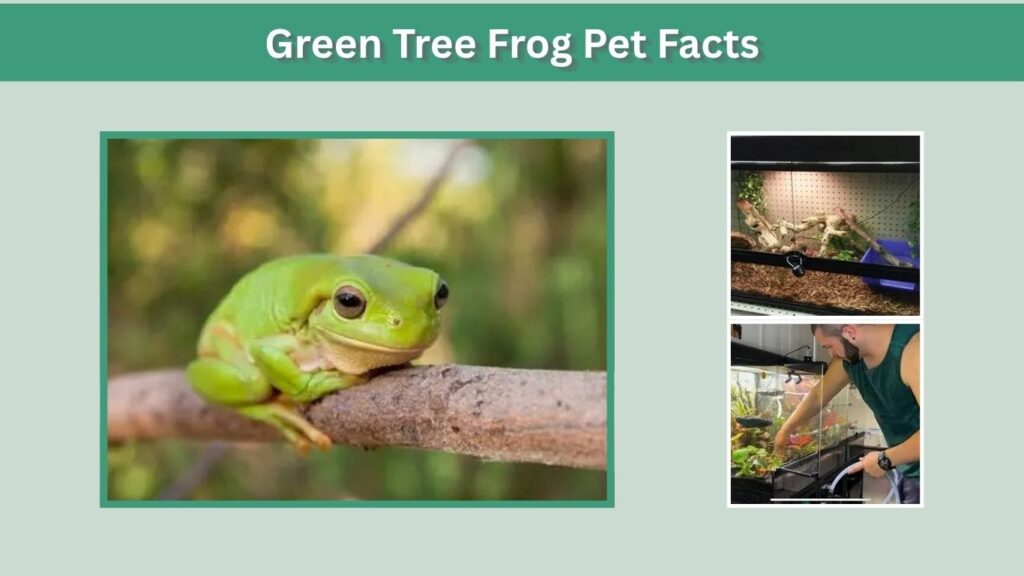
Green tree frogs can be kept as pets, but they are mostly display animals. They need a humid enclosure, clean water, climbing branches, safe plants, and live insects. They are not good pets for frequent handling because their skin can absorb oils, soap, lotion, sanitizer, and other chemicals.
Good pet care includes:
- Tall enclosure with climbing space
- Clean, dechlorinated water
- Live insect diet
- Proper humidity
- Safe temperature range
- Limited handling
- Regular cleaning
FAQs
Are green tree frogs good for gardens?
Yes, green tree frogs can be helpful in gardens because they eat small insects such as flies, mosquitoes, moths, and other invertebrates. A frog-friendly garden should have clean water, native plants, leaf litter, shade, and no pesticides.
How big do green tree frogs get?
American green treefrogs usually grow about 1.25–2.5 inches long. Australian green tree frogs are much larger and can reach around 11–12 cm. Size depends on the species, age, sex, diet, and habitat conditions.
What do green tree frogs eat?
Green tree frogs eat small insects and other invertebrates. Their diet may include mosquitoes, flies, moths, crickets, small beetles, and spiders. Pet green tree frogs usually eat live feeder insects such as crickets and small roaches.
Why do green tree frogs make noise at night?
Male green tree frogs call at night to attract females and communicate with other frogs. They often call more during warm, damp weather and around breeding sites near ponds, marshes, or wetlands.
Can you keep a green tree frog as a pet?
Yes, some green tree frogs are kept as pets, especially American green tree frogs and Australian green tree frogs. They need proper humidity, clean water, live insects, climbing space, and limited handling. Always buy captive-bred frogs from responsible sources.
