
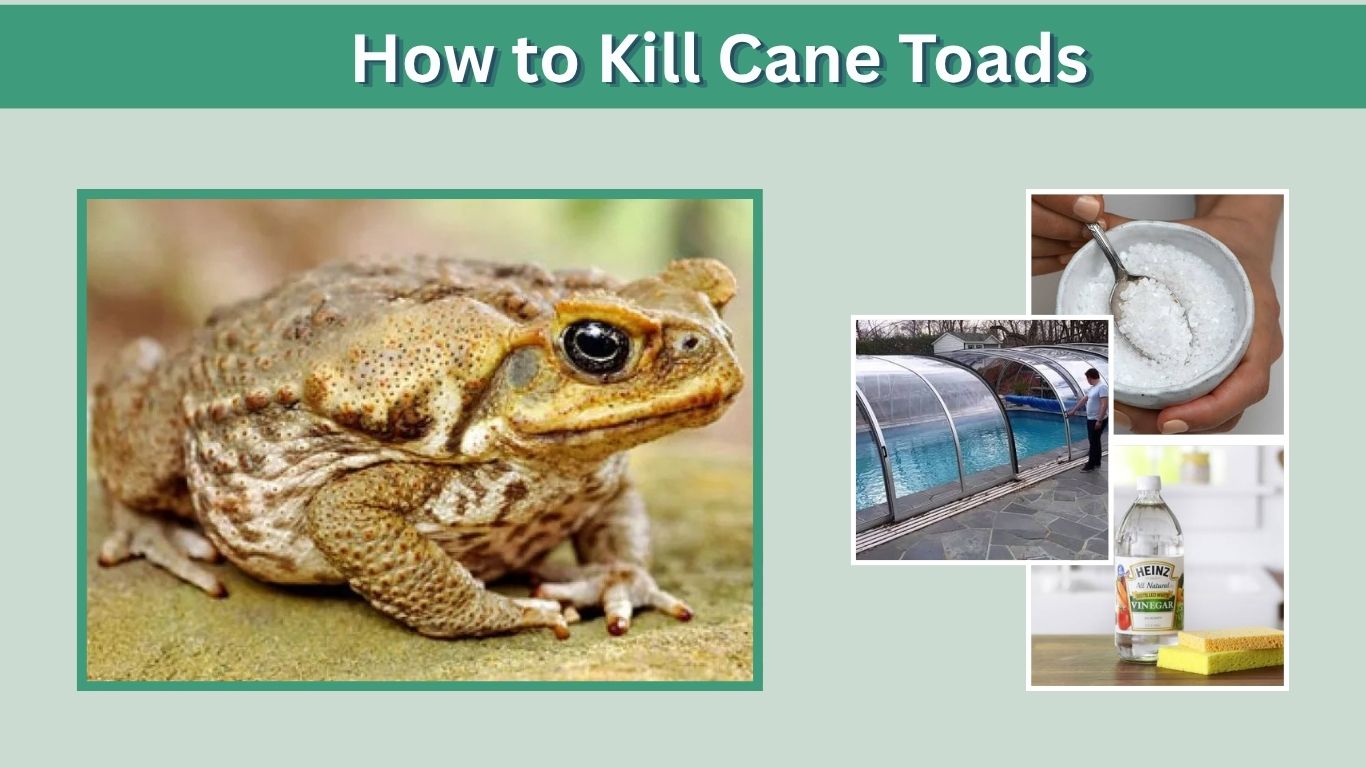
Cane toads can become a serious problem because they reproduce quickly and produce powerful toxins that can harm pets and native wildlife. If cane toads are invasive where you live, simply spraying them with household chemicals is not a good solution. Products such as bleach, salt, vinegar, ammonia, or insect spray can cause prolonged suffering and may also damage plants, soil, pets, and other animals. The safest approach is to use legal, humane cane toad control methods, reduce breeding areas, and protect pets from contact.
Why Do People Kill Cane Toads?
Cane toads (Rhinella marina) were introduced to many places outside their native range and have become invasive in areas such as Australia and parts of Florida.
They produce toxic secretions from large glands behind their eyes. These toxins help protect them from predators but can also poison animals that bite or swallow them.
Problems Caused by Cane Toads
Cane toads may:
- Poison dogs and cats
- Harm native predators
- Compete with native amphibians
- Eat insects and small animals
- Reproduce in large numbers
- Gather around homes and pet areas
- Lay thousands of eggs in water
Control can therefore be useful in places where the species is officially considered invasive.
How Do You Kill Cane Toads Humanely?
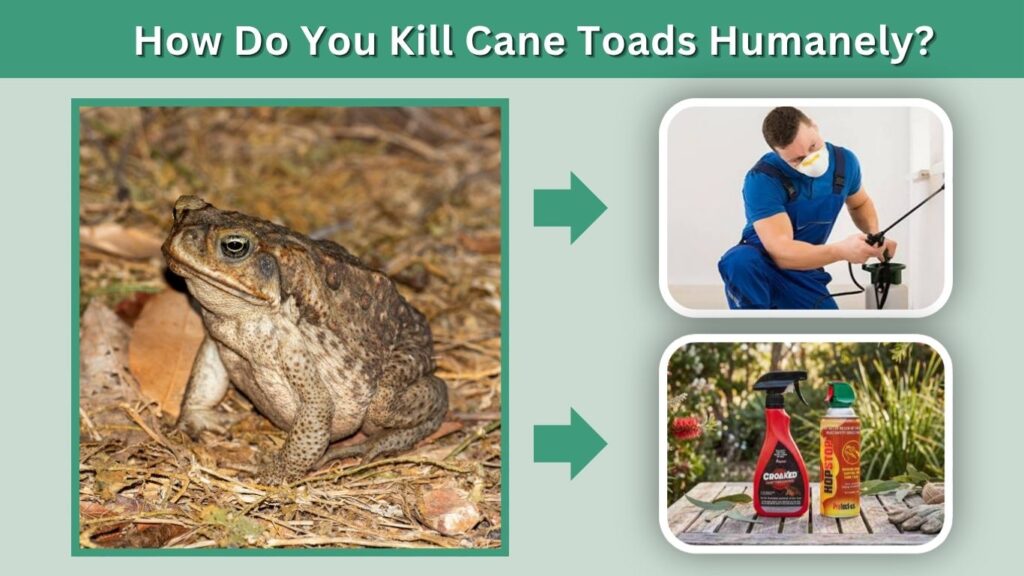
If killing cane toads is permitted in your area, the goal should be rapid unconsciousness followed by humane euthanasia, rather than using chemicals that slowly injure the animal.
The exact approved method can differ by country, state, or wildlife authority.
Best Approach
For homeowners, the safest options are usually:
- Contacting a licensed pest or wildlife-control professional
- Using an officially approved cane-toad euthanasia product where available
- Following the euthanasia procedure recommended by your local wildlife authority
- Collecting toads safely and having them euthanized by an appropriate professional if you are unsure what to do
Always confirm that the animal is actually a cane toad before attempting removal. Native frogs and toads may be legally protected.
What Kills Cane Toads Instantly?
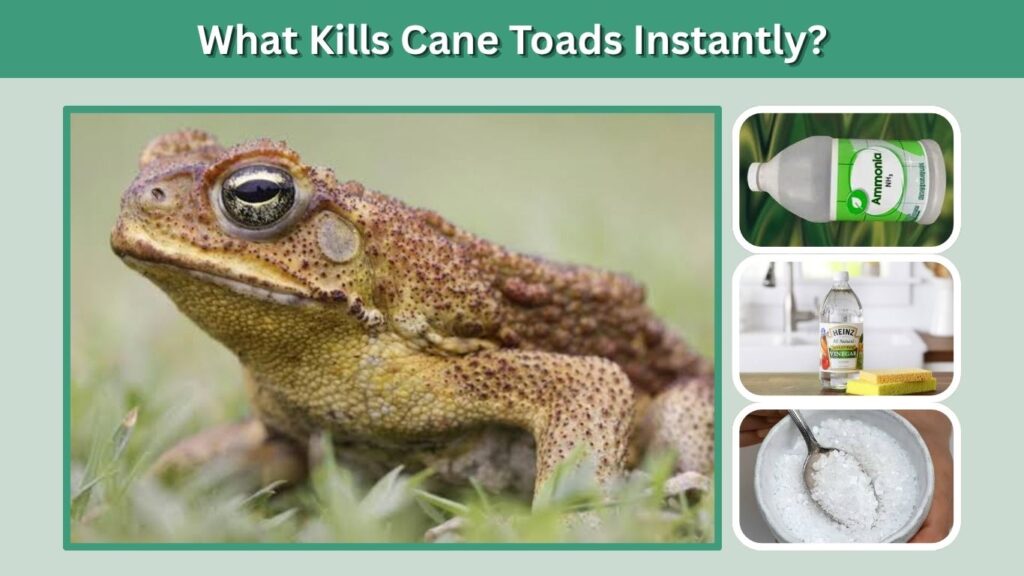
There is no household product that should be promoted as a safe “instant” cane toad killer.
Even chemicals that appear to kill a toad quickly may cause severe irritation, burns, respiratory distress, or prolonged suffering before death.
Avoid Household Chemicals
Do not deliberately pour or spray substances such as:
- Bleach
- Ammonia
- Vinegar
- Salt
- Detergent
- Wasp spray
- Bug spray
- Chlorine
- Petrol or gasoline
- Strong disinfectants
These products are not appropriate wildlife euthanasia tools and may create additional environmental hazards.
Does Salt Kill Cane Toads?
Salt can seriously dehydrate amphibians because their skin readily absorbs substances from the environment.
Although salt may eventually kill a cane toad, it can cause significant suffering and should not be used as a humane control method.
Spreading large quantities of salt can also damage:
- Grass
- Garden plants
- Soil
- Freshwater habitats
- Native amphibians
Use an approved control method instead.
Will Vinegar Kill Cane Toads?
Concentrated vinegar can irritate or injure amphibian skin, but that does not make it an appropriate euthanasia method.
Spraying vinegar directly onto cane toads may cause unnecessary suffering, and large quantities can affect plants and soil.
Vinegar should therefore not be treated as a recommended cane toad killer.
Does Bleach Kill Cane Toads?
Bleach is corrosive and can severely injure amphibians.
It should never be sprayed directly onto cane toads as a control method.
Bleach can also contaminate water and harm:
- Frogs
- Fish
- Insects
- Pets
- Plants
- Aquatic organisms
If cane toads are breeding around your home, removing breeding habitat is far safer than applying bleach.
Does Dettol Kill Cane Toads?
Disinfectants such as Dettol have historically been used by some people against cane toads, but intentionally spraying household disinfectants on animals is not recommended as a humane control method.
Such products can irritate skin and tissues and may harm other wildlife.
Use methods specifically approved for cane-toad control in your region.
How to Catch Cane Toads Safely
Removing cane toads manually can help reduce their numbers around a house, particularly when only a few animals are present.
Safe Collection
When handling or collecting cane toads:
- Wear waterproof or disposable gloves.
- Keep your hands away from your eyes and mouth.
- Use a container rather than bare hands when possible.
- Keep children and pets away.
- Wash gloves and hands afterward.
- Do not deliberately squeeze the toxin glands.
- Confirm the species before euthanasia.
Cane toad toxin can irritate the eyes and mouth, so basic protective precautions are important.
How to Get Rid of Cane Toads Without Killing Them
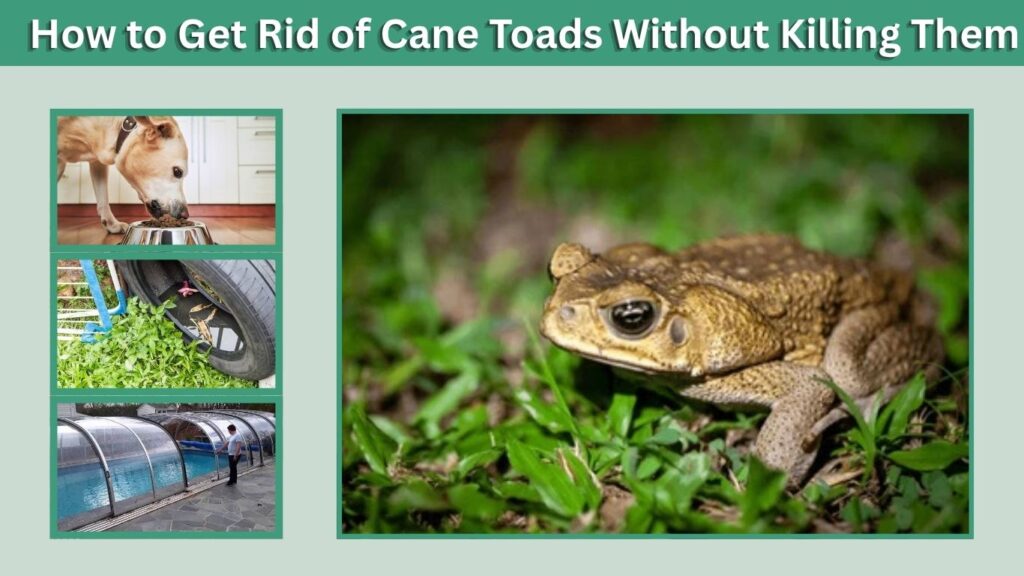
Preventing cane toads from gathering around your property is often more effective than repeatedly removing individual animals.
Cane toads are attracted to food, insects, water, shelter, and pet dishes.
Make Your Yard Less Attractive
Reduce cane toad activity by:
- Bringing pet food indoors at night
- Removing standing water
- Covering swimming pools where appropriate
- Repairing leaking taps and irrigation systems
- Clearing piles of debris
- Keeping grass trimmed
- Blocking gaps beneath fences
- Removing fallen fruit
- Keeping garbage containers closed
Because lights attract insects, which then attract cane toads, reducing unnecessary outdoor lighting at night may also help.
Stop Cane Toads From Breeding
One adult female cane toad can produce enormous numbers of eggs, so preventing breeding can have a bigger impact than removing occasional adults.
Check Water Sources
Inspect:
- Ponds
- Ditches
- Drainage areas
- Buckets
- Containers
- Pet-water areas
- Temporary rain pools
Cane toad eggs are typically laid in long gelatinous strings rather than the floating clusters produced by many native frogs.
Never destroy eggs unless you are certain they belong to cane toads.
Can Cane Toads Kill Dogs?
Yes. Cane toads can seriously poison dogs.
Dogs are particularly vulnerable because they may chase, bite, lick, or pick up a toad. Toxin can be absorbed rapidly through tissues in the mouth.
Signs of Cane Toad Poisoning in Dogs
Possible symptoms include:
- Excessive drooling
- Foaming at the mouth
- Red gums
- Pawing at the mouth
- Vomiting
- Disorientation
- Tremors
- Seizures
- Abnormal heartbeat
- Collapse
Severe poisoning can become life-threatening.
What to Do If Your Dog Bites a Cane Toad
Immediately prevent further contact and contact a veterinarian or emergency veterinary clinic.
If toxin is visible in the mouth, gently wipe or rinse it away while keeping water directed outward rather than toward the throat. Do not force large amounts of water into the dog’s mouth, because aspiration can create another emergency.
Veterinary treatment should not be delayed when neurological or cardiovascular symptoms appear.
Can Cane Toads Kill Cats?
Cats can also be poisoned by cane toads, although dogs are often exposed more frequently because of their tendency to mouth unfamiliar animals.
A cat that bites or licks a cane toad should be monitored carefully and evaluated by a veterinarian if symptoms appear.
Keep cats indoors at night in areas with heavy cane-toad activity.
Can Cane Toads Kill Humans?
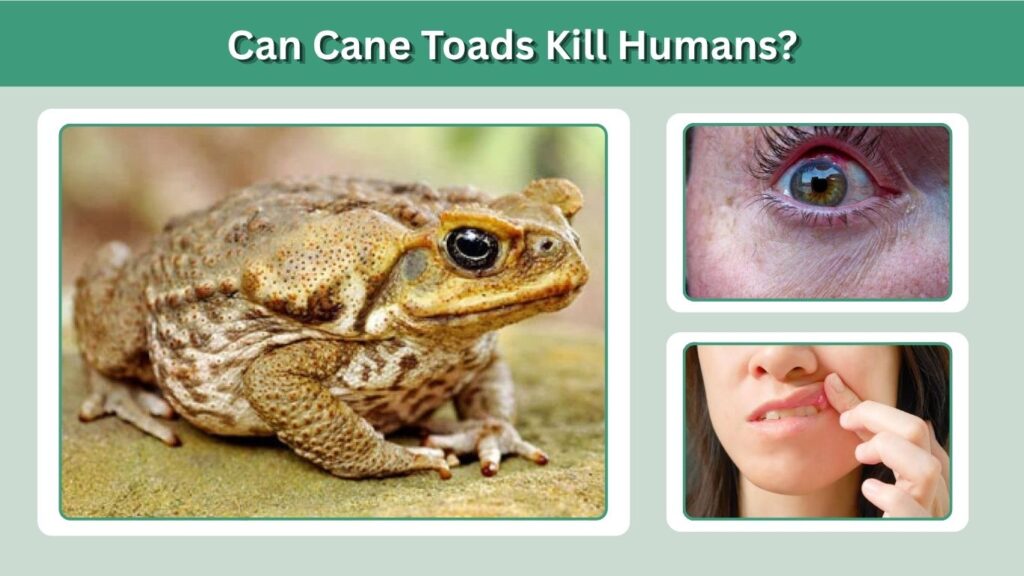
Cane toads produce potent toxins, but serious human poisoning is much less common than poisoning in dogs.
Problems can occur when toxin contacts:
- Eyes
- Mouth
- Open wounds
- Mucous membranes
Wash exposed skin thoroughly and rinse the eyes with clean water if accidental exposure occurs.
Children should never handle cane toads unsupervised.
Are You Allowed to Kill Cane Toads?
The law depends on where you live.
Cane toads are invasive in many regions, and authorities may permit or encourage their humane removal. However, animal-welfare laws still apply, and intentionally causing unnecessary suffering may be illegal.
Before killing a cane toad:
- Confirm that it is actually a cane toad.
- Check local wildlife regulations.
- Use an approved humane method.
- Avoid methods that cause prolonged suffering.
- Never harm native frogs or protected amphibians.
Rules can differ between Australia, Florida, and other regions.
How to Keep Cane Toads Away From Dogs
If you live in an area with cane toads, prevention can dramatically reduce the risk of poisoning.
Protect Your Pets
- Supervise dogs outside after dark.
- Use a leash during nighttime walks.
- Bring food bowls indoors.
- Keep water bowls away from wildlife.
- Inspect your yard before letting dogs outside.
- Install fine barriers along vulnerable fence gaps.
- Remove hiding places.
- Teach dogs to leave frogs and toads alone.
Cane toads are often most active during warm, wet nights, so extra supervision during these periods is particularly useful.
FAQs
What is the most humane way to kill a cane toad?
Use a euthanasia method specifically approved by your local wildlife or animal-welfare authority, or have the animal handled by a licensed pest-control or wildlife professional.
What household product kills cane toads?
Household chemicals such as bleach, vinegar, salt, ammonia, disinfectant, and insect spray should not be used as cane-toad euthanasia methods because they may cause prolonged suffering and environmental damage.
Should you kill cane toads?
If cane toads are invasive in your area, controlling them may benefit native wildlife and protect pets. However, removal should always comply with local law and animal-welfare requirements.
Can one cane toad kill a dog?
A significant exposure can cause severe or potentially fatal poisoning, particularly if a dog bites or swallows a cane toad. Seek veterinary help immediately after a serious exposure.
How do I permanently reduce cane toads in my yard?
Remove food, standing water, breeding sites, insect-attracting lights, and hiding places. Combine habitat management with regular humane removal rather than relying only on killing individual toads.
