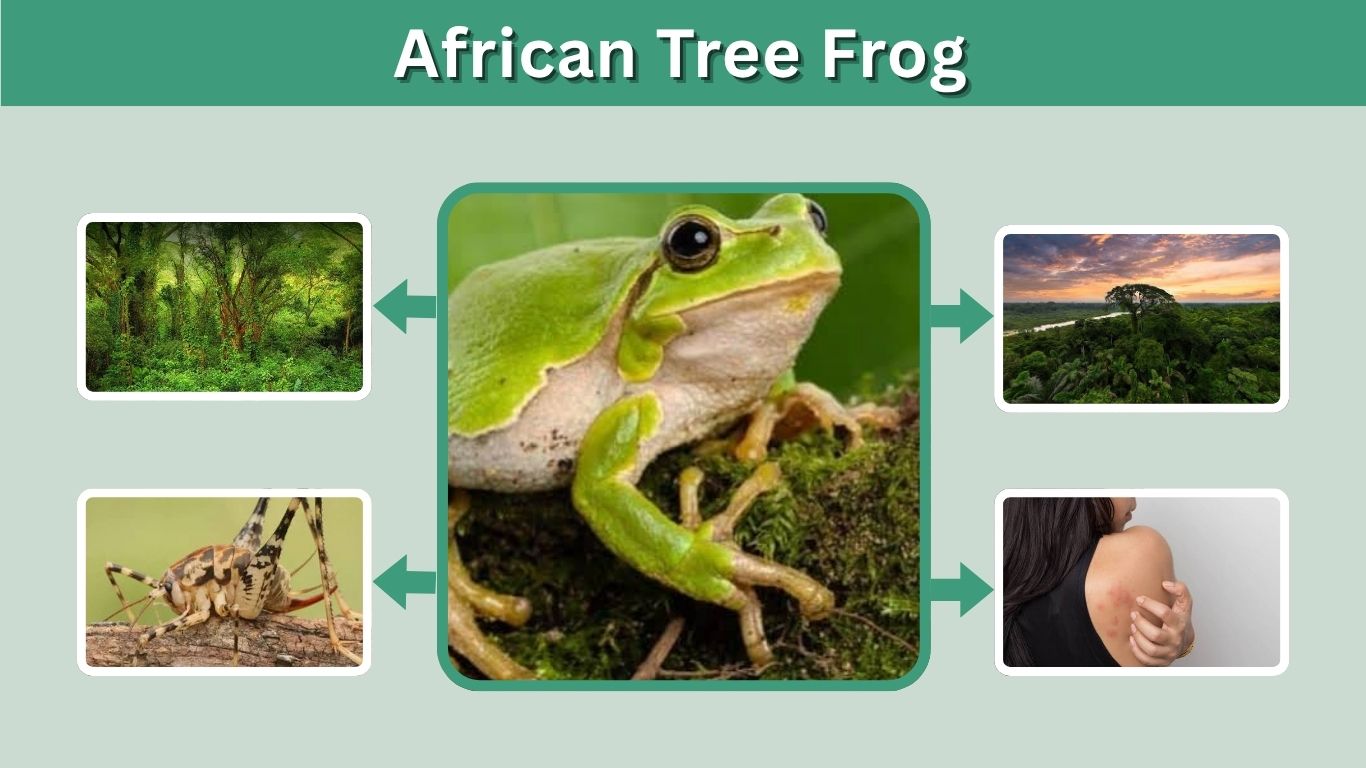
African tree frogs are a diverse group of amphibians found in forests, wetlands, and wooded savannas across Africa. Known for their large eyes, climbing ability, and nighttime calls, they come in shades of green, brown, and gray. Some species create unusual foam nests, while others deposit eggs in damp soil near water. Although certain African tree frogs are kept as pets, their care needs differ by species. This guide explores common types, natural habitats, food, lifespan, breeding behavior, and responsible care for these fascinating frogs.
What Is an African Tree Frog?
African tree frogs are amphibians adapted to living among trees, shrubs, and other vegetation. They belong to several different biological groups rather than a single species. Most are active at night and use camouflage to remain hidden during daylight hours.
Scientific Classification
Many African big-eyed tree frogs belong to the genus Leptopelis within the family Arthroleptidae. Other African tree-dwelling frogs belong to genera such as Hyperolius and Chiromantis. Their classification varies depending on the species.
Common Types of African Tree Frogs
Africa is home to numerous tree frog species with different appearances, sizes, and behaviors. Some inhabit dense tropical forests, while others prefer woodlands or savannas. Understanding their differences helps with identification and appropriate care.
- African Big-Eyed Tree Frog: Members of the genus Leptopelis have prominent eyes and often display green or brown coloration. Many inhabit forests and moist woodlands.
- African Grey Foam-Nest Tree Frog: Chiromantis xerampelina is recognized for its grayish appearance and unusual foam nests constructed above water.
- Natal Tree Frog: Leptopelis natalensis inhabits parts of South Africa and often displays bright green coloration with distinctive eyes.
- West African Big-Eyed Forest Tree Frog: Leptopelis macrotis inhabits West African rainforests and has large eyes, brown coloration, and well-developed climbing abilities.
African Tree Frog Habitat and Distribution
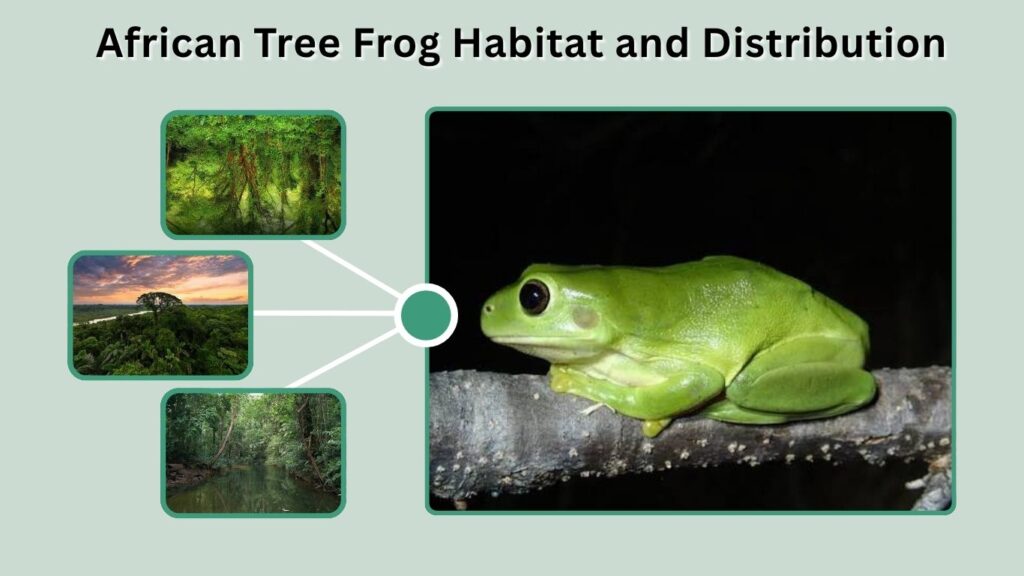
African tree frogs inhabit different environments throughout sub-Saharan Africa. Their preferred habitats depend on rainfall, temperature, vegetation, and access to breeding sites. Many require moist environments, although certain species tolerate seasonal dry conditions.
Where Do African Tree Frogs Live?
Common African tree frog habitats include:
- Tropical Rainforests: Dense vegetation provides shelter, moisture, and abundant insects.
- Woodlands: Trees and shrubs offer climbing areas and protected resting places.
- Wetlands: Moist environments support feeding, breeding, and tadpole development.
- Savannas: Some species inhabit wooded grasslands with seasonal rainfall.
African Tree Frogs in South Africa
South Africa supports several tree-dwelling frog species, including the Natal tree frog and African grey foam-nest tree frog. Their distribution varies according to local vegetation, rainfall, and suitable breeding environments.
African Tree Frog Appearance and Size
African tree frogs have diverse physical features that help them survive in different environments. Their skin may be green, gray, brown, or patterned, providing camouflage against leaves, branches, and tree bark.
Eyes and Body Features
Many species have large eyes that help them detect movement during nighttime hunting. Enlarged toe pads assist with climbing, while strong hind legs support jumping between branches.
How Big Do African Tree Frogs Get?
Adult size varies considerably between species. Smaller tree frogs may measure only a few centimeters, while larger Leptopelis species can exceed 8 centimeters in body length. Females are often larger than males.
What Do African Tree Frogs Eat?
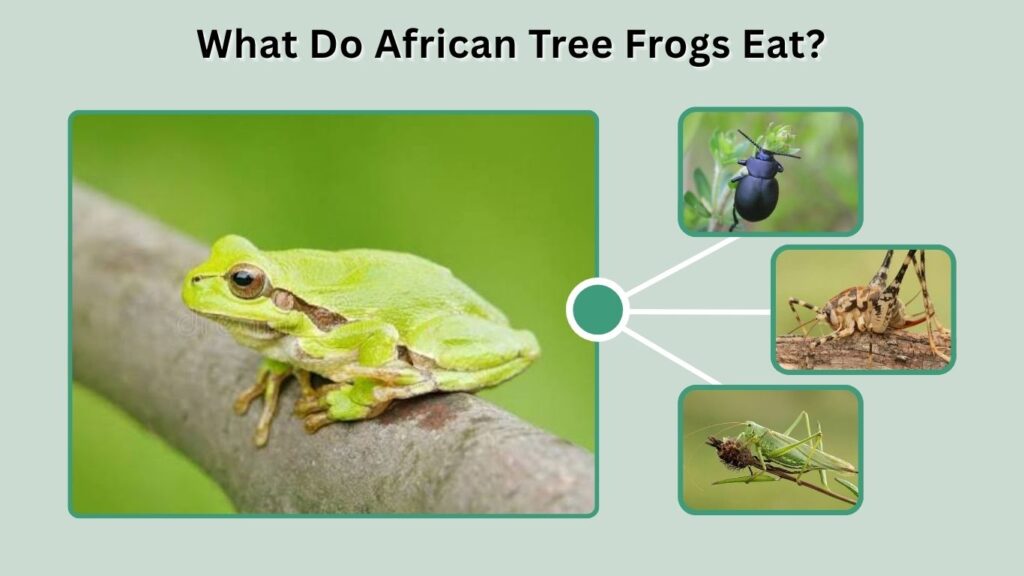
African tree frogs are primarily insectivorous amphibians. They capture moving prey using quick movements and their sticky tongues. Their feeding activity usually increases during nighttime hours when many insects become active.
Natural Diet
Their typical food sources include:
- Crickets and grasshoppers
- Moths and small flies
- Beetles and other insects
- Spiders and small invertebrates
Feeding African Tree Frogs as Pets
Captive frogs need appropriately sized live insects, such as commercially raised crickets and small roaches. A varied diet helps provide essential nutrients. Calcium and vitamin supplementation may be necessary depending on the species and feeding routine.
African Tree Frog Care as a Pet
African tree frogs can be fascinating pets, but their care requirements vary significantly. Proper housing, suitable humidity, appropriate temperatures, and nutritious food are essential for maintaining their health.
Terrarium Setup and Requirements
A suitable enclosure should include:
- Spacious Terrarium: Provide sufficient room for climbing and movement.
- Branches and Plants: Create natural climbing structures and hiding places.
- Suitable Substrate: Use amphibian-safe materials that retain appropriate moisture.
- Clean Water: Provide accessible, shallow, dechlorinated water.
- Ventilation: Maintain fresh airflow without allowing excessive drying.
Temperature and Humidity
Temperature and humidity requirements depend on the species and its natural habitat. Tropical forest frogs generally need consistently moist conditions, while some woodland species tolerate greater seasonal variation.
Monitor the enclosure using reliable thermometers and hygrometers. Avoid overheating and prolonged exposure to dry environments.
Handling and Maintenance
African tree frogs have delicate, permeable skin. Frequent handling can cause stress and expose them to harmful substances.
Clean their enclosure regularly, replace contaminated water, and remove uneaten insects. Observe changes in appetite, movement, and skin appearance.
African Tree Frog Lifespan
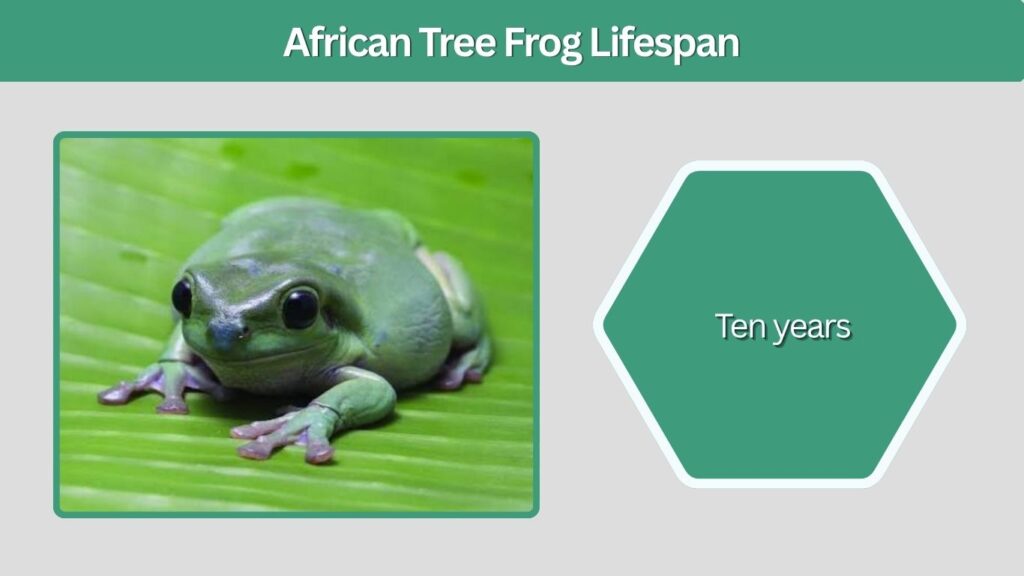
African tree frog lifespan depends on species, environmental conditions, food availability, and exposure to predators or diseases. Reliable lifespan records remain limited for many wild species.
How Long Do African Tree Frogs Live?
Some captive big-eyed tree frogs have been reported to live more than ten years under suitable conditions. However, this should not be considered the typical lifespan of every African tree frog species.
Factors Affecting Lifespan
Proper nutrition, suitable environmental conditions, and disease prevention can influence longevity. In the wild, habitat loss, predators, and environmental disturbances may reduce survival rates.
African Tree Frog Reproduction and Life Cycle
African tree frogs have fascinating reproductive behaviors that differ between species. Many reproduce during rainy periods when moisture and suitable breeding sites become more available.
African Tree Frog Foam Nests
African grey foam-nest tree frogs construct protective foam nests on vegetation above water. Developing tadpoles eventually drop into the water below, where they continue growing.
Other species, including certain Leptopelis frogs, deposit eggs in moist soil near breeding sites.
African Tree Frog Sounds
Male African tree frogs produce distinctive calls to attract females. These sounds range from short chirps and whistles to repeated croaking or clacking noises. Calling activity often increases during humid nights and breeding periods.
Are African Tree Frogs Poisonous?
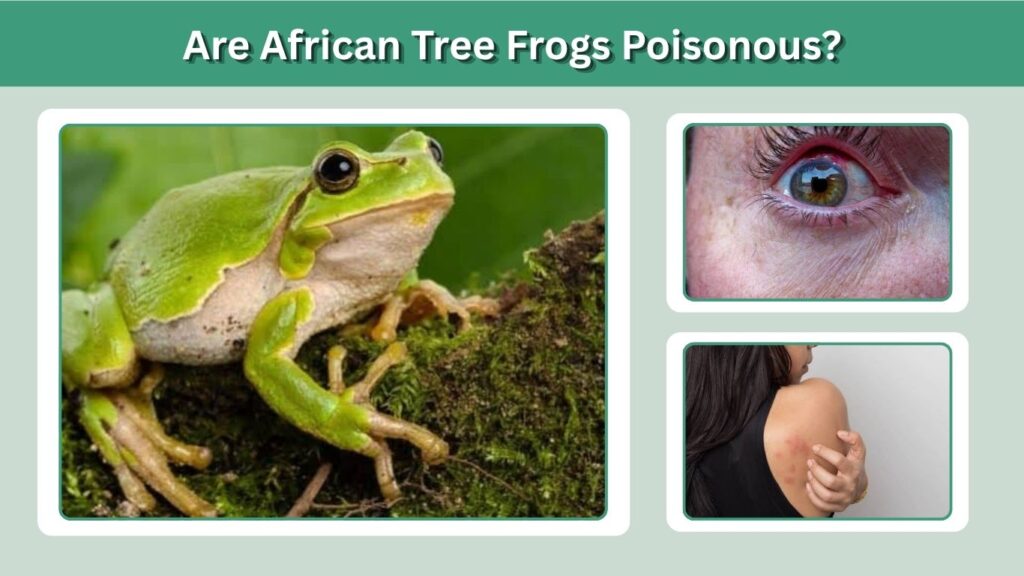
Most African tree frogs are not considered highly dangerous to humans, but skin secretions vary between species. Some frogs produce defensive substances that may irritate sensitive skin or mucous membranes.
Avoid unnecessary handling and wash your hands after enclosure maintenance. Never assume an unidentified wild frog is safe for pets to lick, bite, or swallow.
FAQs
1. Are African tree frogs good pets?
Certain African tree frogs can make interesting pets for experienced amphibian keepers. However, they require species-specific housing, humidity, temperatures, and live food. Captive-bred frogs are preferable because their origins and care requirements are generally easier to establish.
2. How long do African tree frogs live?
African tree frog lifespan varies among species. Some captive big-eyed tree frogs can survive for more than a decade with appropriate care. However, many species lack reliable longevity records, making it difficult to provide one accurate lifespan estimate.
3. Are African tree frogs poisonous to humans?
Most African tree frogs do not present a serious poisoning risk through ordinary observation. However, their skin secretions may cause irritation, and amphibians can carry harmful microorganisms. Avoid unnecessary handling and wash your hands after touching frogs or their enclosures.
4. Can African tree frogs live with African dwarf frogs?
Keeping these frogs together is not recommended. African dwarf frogs are fully aquatic, while African tree frogs generally require terrestrial climbing environments. Their different habitat, feeding, and environmental requirements make separate, species-appropriate enclosures the safer choice for both animals.
5. Are African tree frogs and White’s tree frogs the same?
No. White’s tree frogs are native to Australia and New Guinea, whereas African tree frogs originate from Africa. Although both groups may have green coloration and climbing abilities, they belong to different biological groups and have different environmental requirements.
