
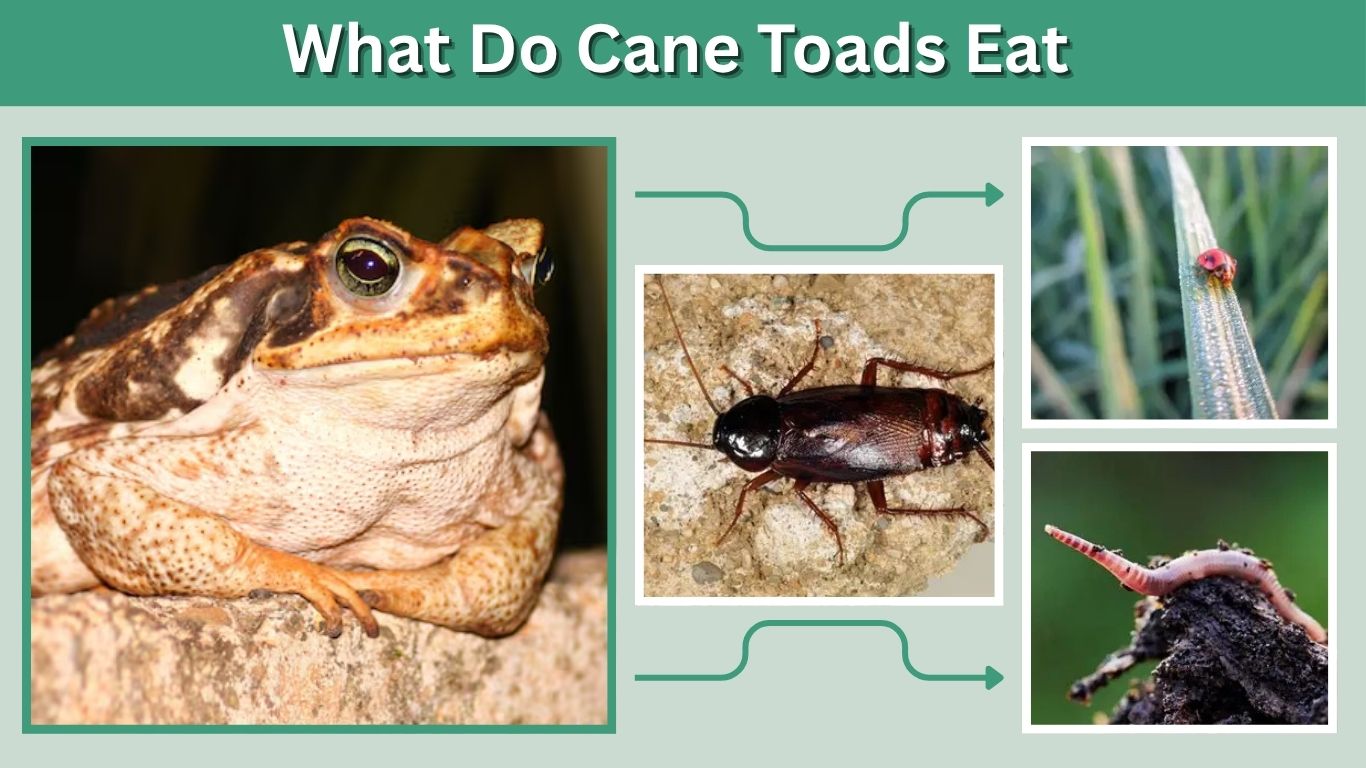
Cane toads are opportunistic feeders, which means they eat many different foods depending on what is available. In the wild, they mostly hunt insects and other small animals, but they can also eat scraps, pet food, and carrion around human homes. Their flexible diet is one reason they survive so well in new environments. Whether they live in forests, farms, suburbs, or gardens, cane toads usually find something to eat.
Understanding the Cane Toad Diet
Cane toads are not picky eaters. They are active mostly at night and use movement to detect prey. When a small animal or insect passes nearby, the toad quickly flicks out its sticky tongue and swallows the food whole. This feeding style works well for insects, worms, spiders, and many other small creatures.
Unlike some animals that depend on one main food source, cane toads have a broad diet. They eat whatever they can catch, fit into their mouth, or find on the ground. This helps them survive in both natural and urban environments. In towns and suburbs, they may gather near lights because insects are attracted there. They may also appear near food bowls, garbage, compost, and outdoor eating areas.
Cane toads are often described as carnivorous or insectivorous, but their diet can be wider than that. They mostly eat animal matter, especially insects, but they may also consume plant material, food waste, or other organic matter when available. Their feeding behavior changes with age, size, habitat, and season.
10 Common Foods Cane Toads Love To Eat
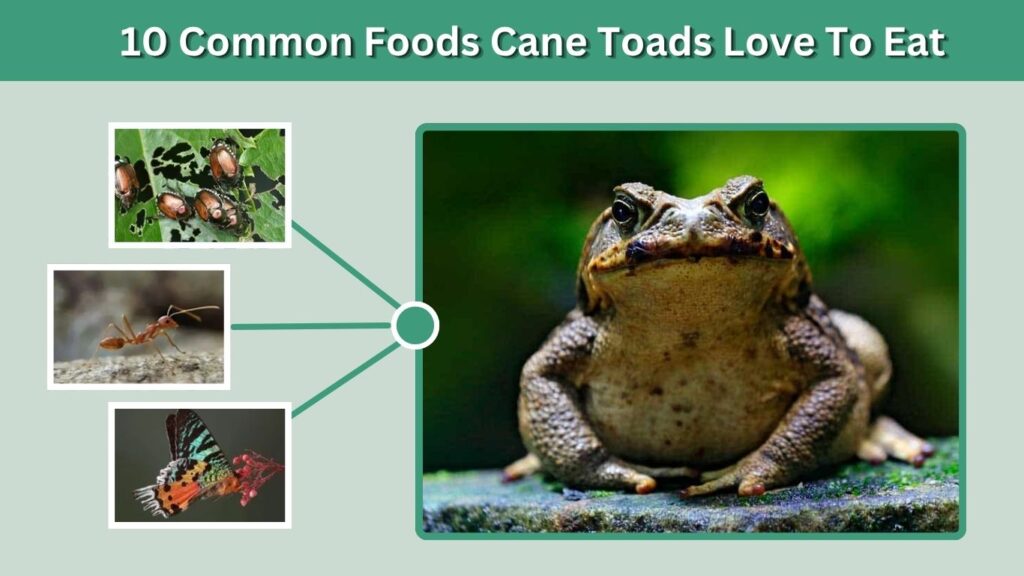
Cane toads eat a wide variety of prey, but some foods are more common than others. These foods are usually small, easy to catch, and available at night when cane toads are most active.
| Food Cane Toads Eat | Why They Eat It |
| Beetles | Easy to find in gardens, farms, and under lights |
| Ants | Common ground insects and often abundant |
| Crickets | Active at night and easy for toads to catch |
| Moths | Attracted to lights where cane toads hunt |
| Cockroaches | Common around homes, drains, and gardens |
| Spiders | Small enough for adult cane toads to swallow |
| Worms | Soft-bodied prey found in damp soil |
| Small frogs | Cane toads may eat smaller amphibians |
| Pet food | Easy meal near outdoor bowls |
| Food scraps | Available around bins, patios, and campsites |
1. Beetles
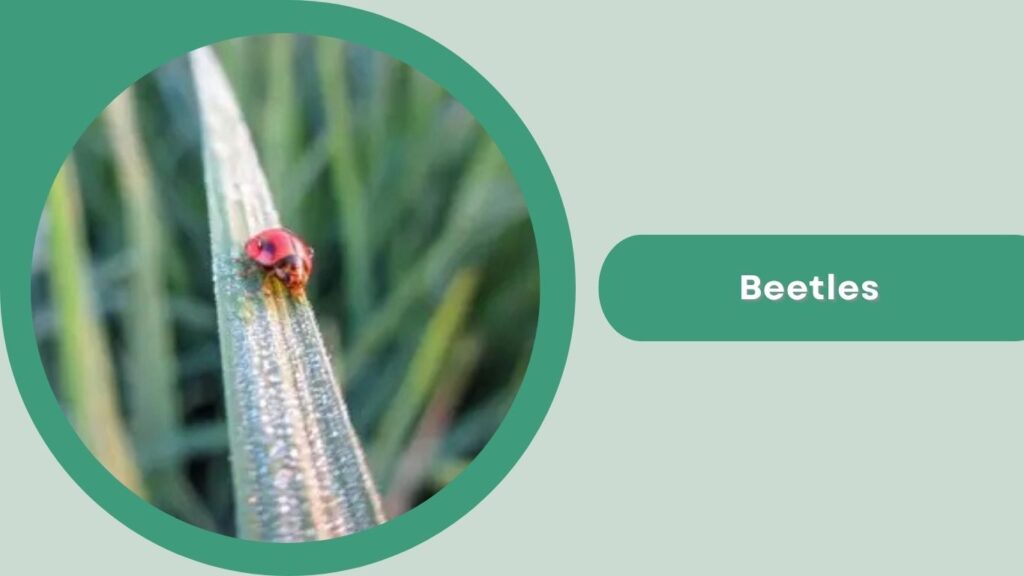
Beetles are one of the most common foods in a cane toad’s diet. Cane toads were originally introduced to some places because people believed they would help control beetles in sugar cane fields. Although that plan did not work as expected, beetles still remain a regular food source.
Cane toads often find beetles in grass, gardens, leaf litter, and near outdoor lights. Since many beetles move along the ground at night, they are easy prey. A cane toad only needs to wait, strike, and swallow.
2. Ants
Ants are small, abundant, and available in many habitats. Cane toads may eat them when they are moving across the ground or gathering around food. In some areas, ants can make up a noticeable part of their diet because they are so common.
Young cane toads may eat smaller insects like ants more often than larger prey. Adult cane toads can also consume ants, especially when larger food is not available. Their broad diet allows them to benefit from common insects that many other animals may ignore.
3. Crickets
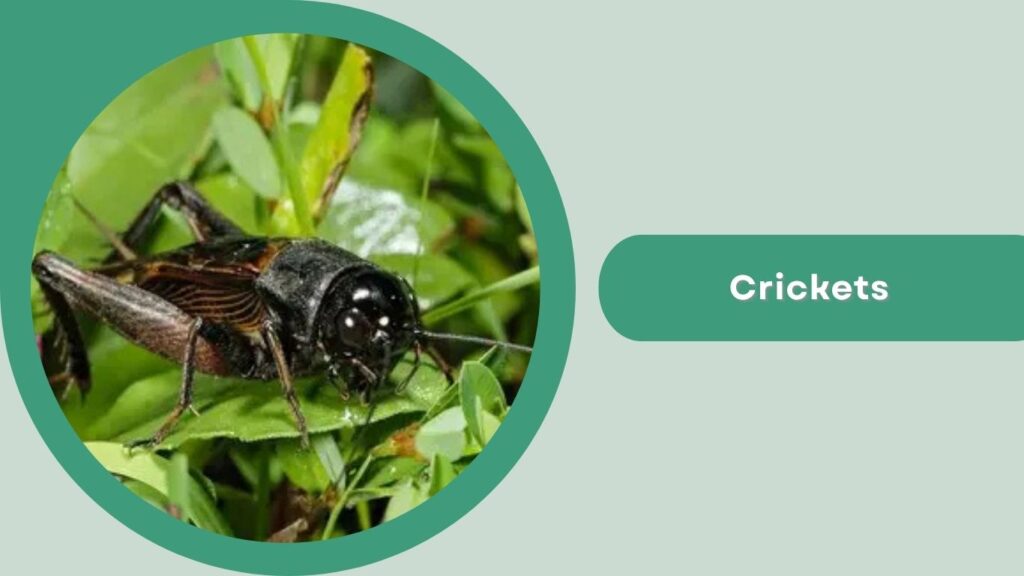
Crickets are another favorite food because they are active at night. Cane toads are nocturnal hunters, so their feeding time overlaps with the movement of crickets. This makes crickets a natural and easy target.
Crickets provide protein and are the right size for both juvenile and adult cane toads. In gardens, fields, and warm outdoor areas, crickets often become a regular meal.
4. Moths
Moths are frequently eaten by cane toads, especially around porch lights, streetlights, and garden lights. Artificial light attracts flying insects, and cane toads learn to wait below these areas for easy meals.
This behavior is common in suburbs and towns. A cane toad may sit under a light for long periods, snapping up moths, beetles, and other insects as they fall or land nearby.
5. Cockroaches
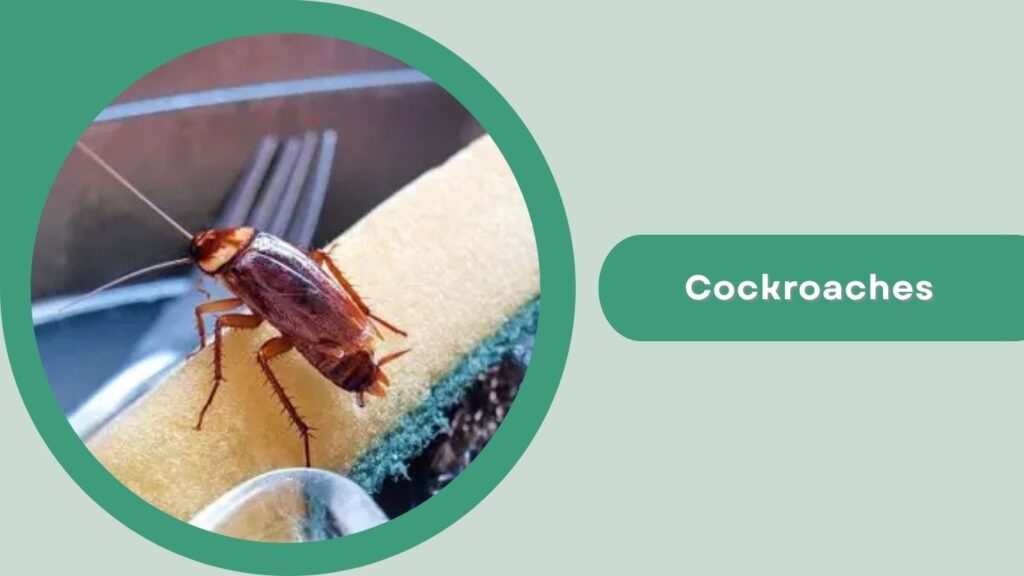
Cockroaches are common around buildings, drains, leaf piles, and outdoor bins. Cane toads may eat them when they come out at night. Since cockroaches are active after dark, they are a good match for the cane toad’s hunting schedule.
In urban areas, this food source can help cane toads survive near people. Homes, sheds, restaurants, and gardens can all create conditions where cockroaches and cane toads overlap.
6. Spiders
Cane toads may eat spiders when they find them on the ground or in low vegetation. Small spiders are especially easy prey, while larger spiders may still be eaten by bigger cane toads if they can be swallowed safely.
Because cane toads are generalist feeders, they do not avoid spiders just because they are not insects. If it moves and fits in the mouth, a cane toad may try to eat it.
7. Worms
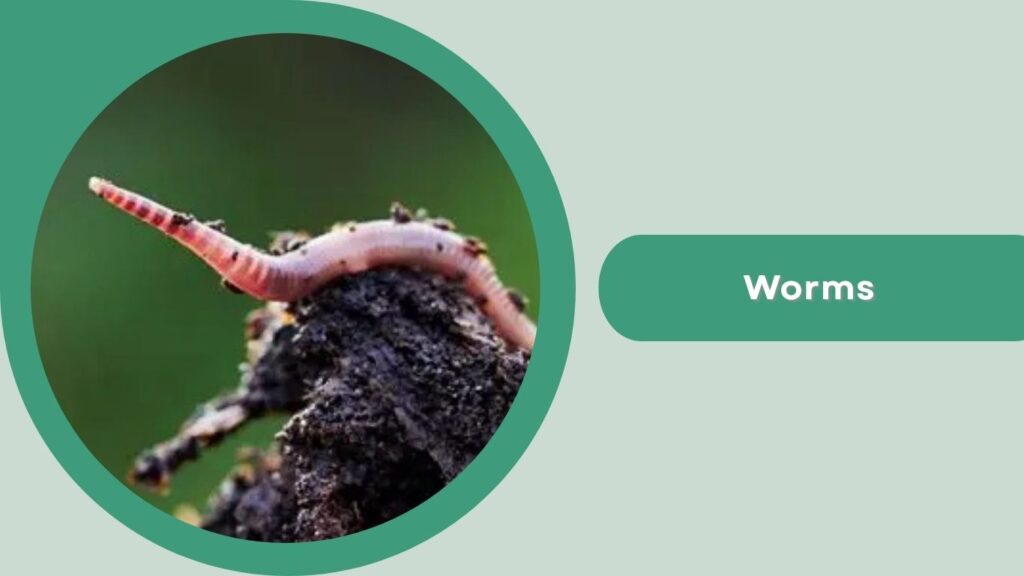
Worms are soft, slow, and easy to swallow. Cane toads may eat earthworms and other worm-like animals in damp soil, especially after rain. Wet weather often increases cane toad activity, and it also brings worms closer to the surface.
Worms are more common in gardens, lawns, compost areas, and moist soil. These places can attract cane toads, especially during warm and rainy nights.
8. Small Frogs
Large cane toads can eat smaller frogs and toads. This makes them a threat to native amphibians in places where they have become invasive. They may also compete with native frogs for insects and breeding areas.
Cane toads are not careful hunters that only choose one kind of prey. If a small frog moves close enough, a cane toad may treat it like any other meal. This feeding behavior can add pressure to local frog populations.
9. Pet Food
Cane toads are strongly attracted to pet food left outside. Dog food and cat food are easy, high-energy meals that require no hunting. This is one reason cane toads often appear on patios, porches, and backyards.
Leaving pet bowls outside at night can attract both insects and cane toads. It can also increase the risk of pets coming into contact with cane toads, which is dangerous because cane toads are poisonous.
10. Food Scraps

Cane toads may eat scraps, leftovers, and other organic waste around human areas. They can be drawn to garbage, compost, outdoor kitchens, barbecue areas, and campsites. Food scraps may also attract insects, giving cane toads even more reason to stay nearby.
This habit helps explain why cane toads do well around people. Human environments often provide shelter, water, insects, and easy food sources.
What Do Baby Cane Toads Eat?
Baby cane toads eat smaller foods than adults. After they develop from tadpoles into tiny toads, they begin hunting very small insects and other tiny invertebrates. Their prey must be small enough to fit into their mouths.
Common foods for baby cane toads include:
- Tiny ants
- Small flies
- Small beetles
- Termites
- Springtails
- Mosquitoes
- Tiny larvae
- Other small ground insects
Because baby cane toads are small and vulnerable, they often stay close to damp places where insects are easy to find. They may gather near water edges, wet grass, leaf litter, and muddy ground. As they grow, they can eat larger prey and move farther from breeding areas.
Tadpoles have a different diet. Cane toad tadpoles feed in water and may consume algae, organic matter, and other material available in ponds or drains. Once they become toadlets, their diet shifts toward small moving prey.
Do Cane Toads Eat Other Animals?
Yes, cane toads can eat other animals if those animals are small enough. They are best known for eating insects, but adult cane toads may also eat small frogs, small reptiles, small mammals, and even young birds in rare cases.
This does not mean cane toads chase large animals. They are sit-and-wait hunters. They usually stay still until prey comes close, then strike quickly. Their prey must be close, moving, and small enough to swallow whole.
This feeding style makes cane toads dangerous to small wildlife in areas where they are invasive. They can reduce insect populations, compete with native animals, and sometimes prey on smaller native species. Their toxin also harms predators that try to eat them, adding another layer to their ecological impact.
What Attracts Cane Toads to Food?
Cane toads are attracted by easy feeding opportunities. They often appear where insects, moisture, shelter, and food waste are available. This is why they are common around homes, parks, farms, golf courses, and gardens.
Things that attract cane toads include:
- Outdoor lights that attract insects
- Pet food left outside overnight
- Open garbage bins
- Compost piles
- Standing water
- Damp gardens
- Insect-rich lawns
- Outdoor eating areas
Reducing these attractions can make a property less appealing to cane toads. Turning off unnecessary lights, removing pet food at night, covering bins, and clearing food scraps can reduce easy meals. It may not remove cane toads completely, but it can make the area less attractive.
Do Cane Toads Eat Plants?
Cane toads mostly eat animal-based foods, especially insects and other small invertebrates. However, they may sometimes consume plant matter or non-animal material, especially when feeding around scraps or organic waste.
They are not plant-eaters in the same way rabbits, deer, or grasshoppers are. They do not usually graze on leaves or depend on plants as their main diet. Most of their nutrition comes from prey.
Still, cane toads are flexible feeders. If plant material is mixed with scraps, garbage, or decomposing matter, they may swallow it while feeding. This flexibility helps them survive in disturbed environments.
How Cane Toads Hunt Their Food
Cane toads are mostly nocturnal, which means they feed at night. During the day, they often hide in cool, damp places such as under logs, rocks, garden objects, drains, or thick vegetation. At night, they come out to hunt.
Their hunting method is simple but effective. They sit still and watch for movement. When prey comes close, they flick out their sticky tongue and pull the food into their mouth. Larger prey may be grabbed directly with the mouth.
Cane toads rely heavily on sight. Moving prey is more likely to trigger a feeding response than still food. This is why insects walking or flying near lights are such easy targets.
They also benefit from patience. A cane toad does not need to run down prey over long distances. It can wait near a good feeding spot and catch whatever passes by.
What Do Cane Toads Eat in Captivity?
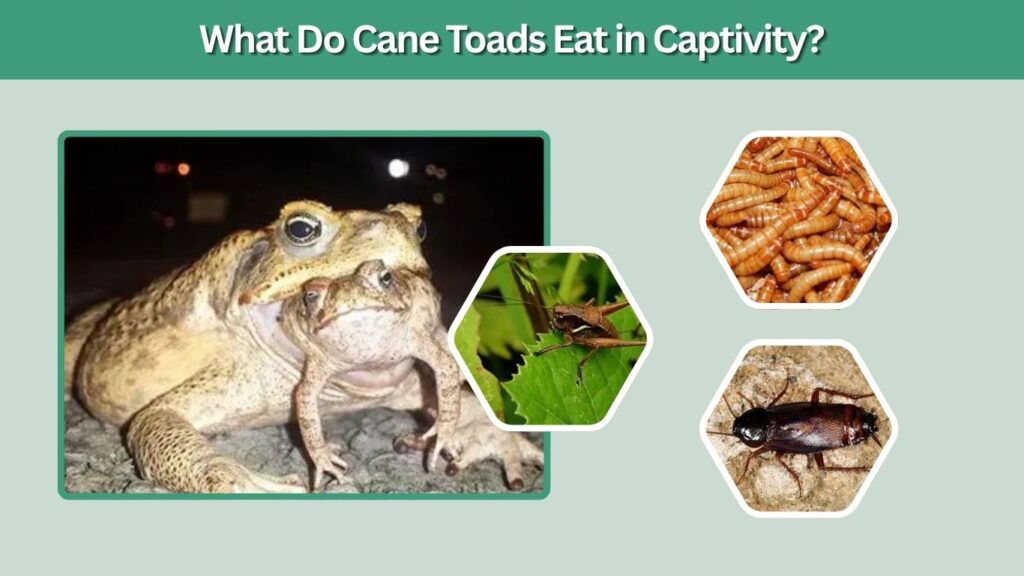
Cane toads are invasive and poisonous in many regions, so keeping them may be restricted or illegal depending on local laws. Where legal and handled by experienced keepers, captive cane toads are usually fed live insects and other suitable prey.
Possible captive foods may include:
- Crickets
- Roaches
- Mealworms
- Earthworms
- Waxworms
- Other feeder insects
Captive feeding should never be based on random wild insects from areas treated with pesticides. It is also important not to overfeed. Cane toads can become overweight because they are eager feeders and may accept food often.
Anyone dealing with cane toads should also remember that they are toxic. Gloves, careful handling, and local wildlife rules matter. In many places, the better choice is not to keep cane toads at all, especially where they are listed as invasive pests.
Why Diet Helps Cane Toads Become Invasive
The cane toad’s broad diet is one of the reasons it has become such a successful invasive species. Animals with narrow diets often struggle when they enter new places. Cane toads are different because they can feed on many kinds of insects, small animals, and human-related food sources.
This gives them several advantages:
- They can survive in cities, farms, forests, and wetlands.
- They are not dependent on one prey species.
- They can benefit from human food waste.
- They can gather near lights and buildings.
- They can grow quickly when food is abundant.
Their diet also creates problems for ecosystems. Cane toads may compete with native animals that eat the same insects. They may eat smaller native species. At the same time, their poison kills many predators that try to eat them. This combination makes them both successful and harmful.
How to Avoid Feeding Cane Toads by Accident
People often feed cane toads without realizing it. A backyard with pet food, bright lights, open bins, and standing water can become an ideal feeding ground. Reducing food sources can help lower cane toad activity around a home.
Practical steps include:
- Bring pet food indoors before evening.
- Clean up spilled birdseed or animal feed.
- Keep garbage bins closed.
- Remove fallen fruit and food scraps.
- Turn off unnecessary outdoor lights.
- Fix leaking taps and reduce standing water.
- Keep compost covered where possible.
These steps also help reduce insects and other pests. In cane toad areas, small changes around the home can make a noticeable difference, especially during warm and rainy seasons when toads are most active.
FAQs
What do cane toads eat the most?
Cane toads eat insects more than anything else. Their common foods include beetles, ants, crickets, moths, cockroaches, and other small invertebrates. They are opportunistic feeders, so they eat whatever is available. Around homes, they may also eat pet food, scraps, and insects attracted to lights.
Do cane toads eat mice?
Large cane toads may eat very small mammals if they can catch and swallow them, but mice are not their main food. Their diet mostly consists of insects and other invertebrates. A cane toad is more likely to eat beetles, ants, crickets, worms, and cockroaches than mammals.
Do cane toads eat other frogs?
Yes, adult cane toads can eat smaller frogs if they come close enough. They are not selective hunters and may swallow small amphibians that fit in their mouths. This can be a concern in areas where cane toads are invasive and native frog populations are already under pressure.
What do baby cane toads eat?
Baby cane toads eat tiny insects and small invertebrates. Their diet may include small ants, flies, beetles, termites, larvae, and other tiny prey found near damp ground. As they grow larger, they begin eating bigger insects and a wider range of small animals.
Are cane toads attracted to dog food?
Yes, cane toads are often attracted to dog food and cat food left outside. Pet food is an easy meal, especially at night when cane toads are active. Bringing bowls indoors after feeding can help reduce cane toad visits and lower the risk of pets contacting poisonous toads.
