
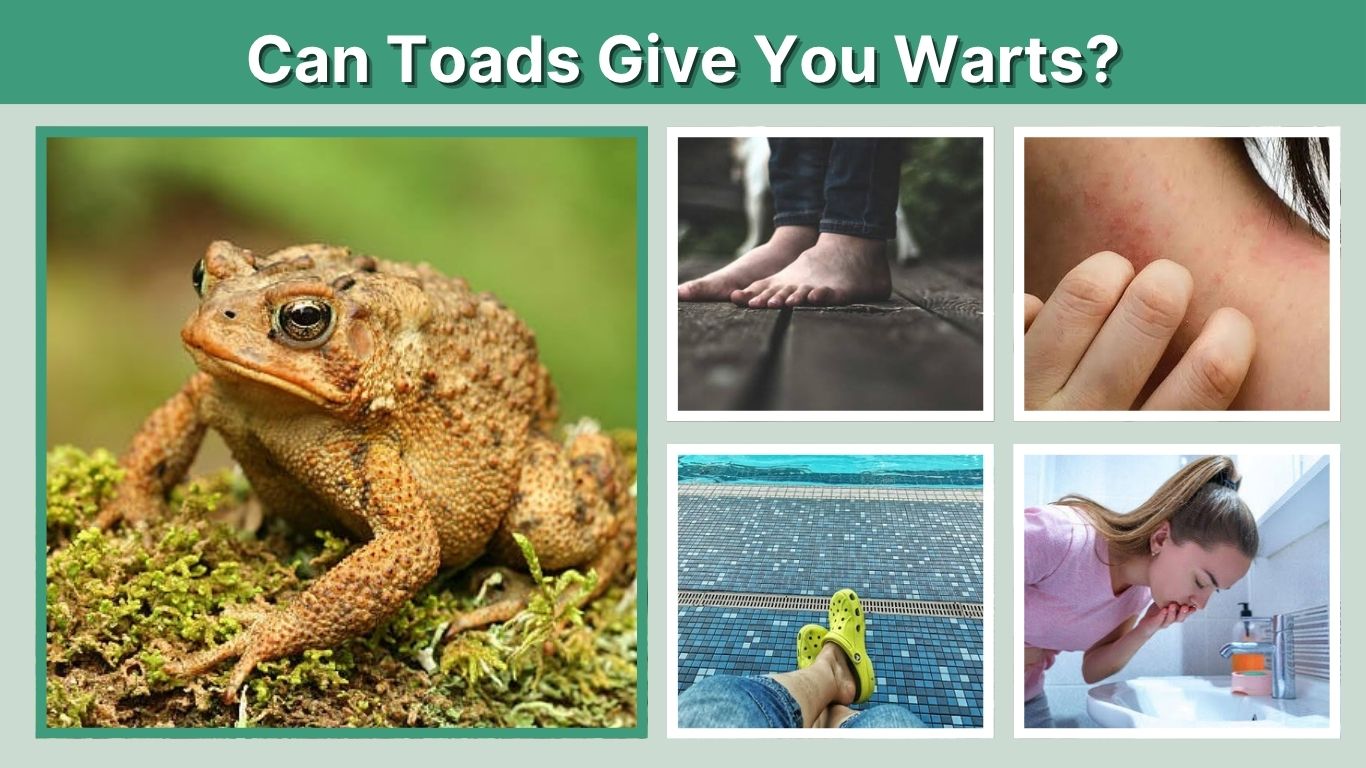
Many people grow up hearing that touching a toad can give you warts. It sounds believable because toads have bumpy skin, and some release irritating fluids when handled. But the idea is a myth. Toads do not cause human warts. Warts are caused by human papillomavirus, not by toads, frogs, toad pee, or the bumps on a toad’s skin.
Can Toads Give You Warts?
No, toads cannot give you warts. The bumps on a toad’s skin may look like warts, but they are not human warts and they cannot spread warts to people.
Human warts are caused by certain types of human papillomavirus, commonly called HPV. This virus spreads from human skin contact or from surfaces that carry the virus. Toads do not carry the human wart virus, so touching a toad will not cause warts on your hands, fingers, arms, or face.
The myth likely started because toads naturally have rough, bumpy skin. People saw those bumps and assumed they were contagious. In reality, those bumps are part of the toad’s body and often include glands that help protect the animal.
Why Do People Think Toads Cause Warts?
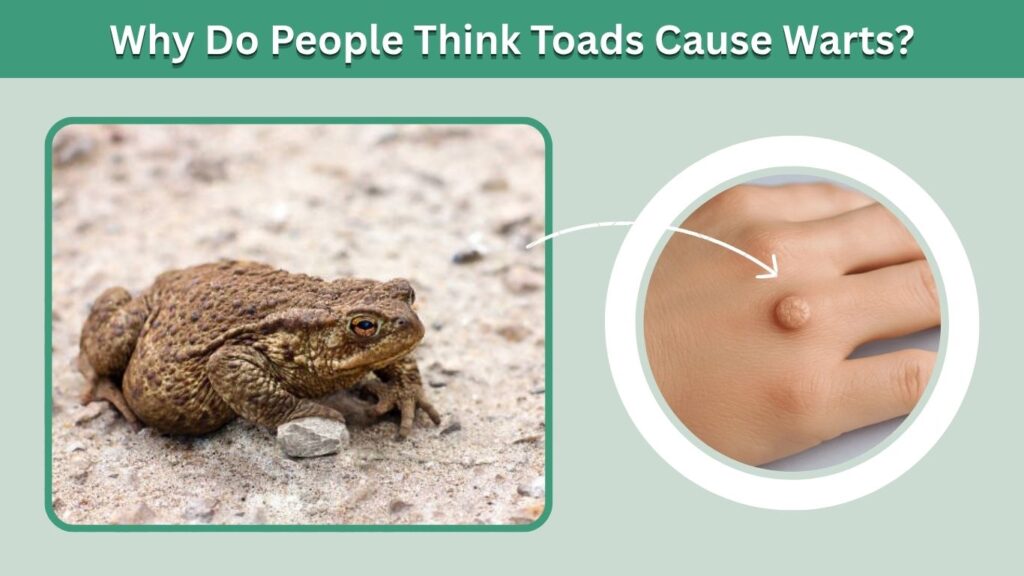
The belief that toads cause warts has been around for generations. It is one of those old warnings passed from adults to children, often meant to stop kids from picking up wild animals.
There are a few reasons the myth seems believable:
- Toads have bumpy skin that looks wart-like.
- Some toads release irritating secretions when stressed.
- Toads may urinate when handled.
- Warts often appear on hands, where people might touch animals.
- The real cause of warts, HPV, is invisible.
Because the virus that causes warts cannot be seen, people sometimes connect warts with the last strange thing they touched. If a child handles a toad and later develops a wart, it is easy to blame the toad. But the wart would have come from HPV exposure, not the animal.
What Actually Causes Warts?
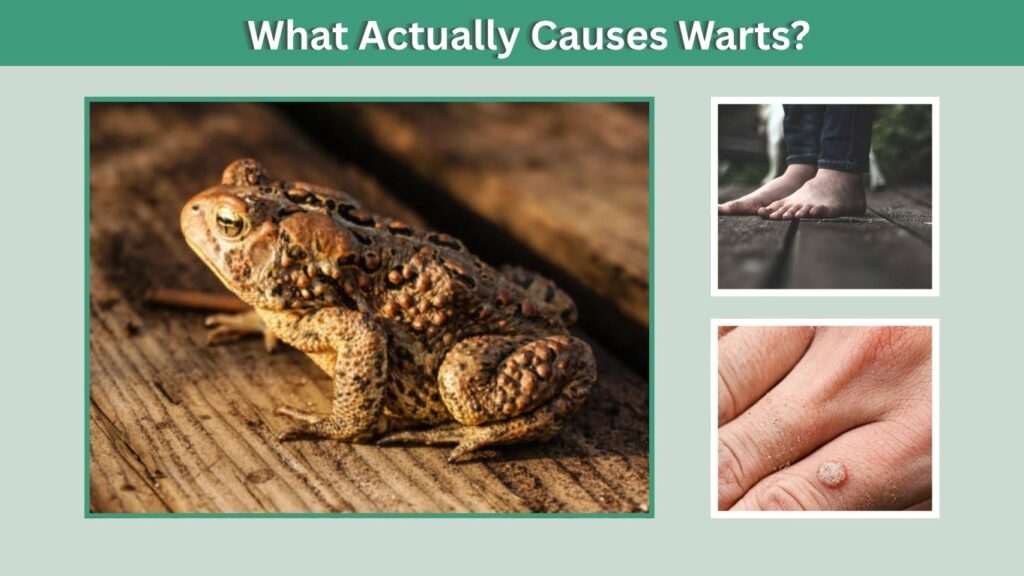
Warts are caused by HPV. There are many types of HPV, and some types cause common warts on the hands, fingers, feet, or other areas of skin. The virus can enter through tiny breaks, cuts, dry skin, or irritated areas.
Common ways warts spread include:
- Direct skin-to-skin contact with a wart
- Touching contaminated surfaces
- Picking at existing warts
- Biting nails or hangnails
- Sharing towels or personal items
- Walking barefoot in damp public areas
Not everyone who contacts HPV develops warts. A person’s immune system plays a major role. Children, teens, people who bite their nails, and people with weakened immune systems may be more likely to develop common warts.
Can Touching a Toad Give You Warts?
No, touching a toad cannot give you warts. A toad’s skin does not contain the human wart virus.
However, that does not mean you should handle toads carelessly. Toads are wild animals with delicate skin. Their skin absorbs moisture and chemicals easily, and oils, soap, lotion, sunscreen, or dirt from human hands can harm them.
Some toads also produce defensive secretions that may irritate your skin, eyes, or mouth. These secretions are not wart-causing, but they can still be unpleasant. After touching a toad, wash your hands with soap and water.
Can Toad Pee Give You Warts?
No, toad pee cannot give you warts. Toad urine does not contain the human papillomavirus that causes warts.
Toads may pee when they feel scared, squeezed, or threatened. This is a common defensive response. While toad pee may feel unpleasant, it does not create warts.
Still, you should wash your hands after contact with toad urine. Like many wild animals, toads can carry germs in their environment. Handwashing helps reduce the risk of irritation, bacteria, or accidental transfer of substances to your eyes or mouth.
Can Toads Give You Warts If They Pee on You?
No, a toad cannot give you warts by peeing on you. The wart myth is not caused by pee, skin bumps, slime, or secretions. Warts need HPV, and HPV is a human virus.
If a toad pees on your hand, simply rinse or wash the area. Avoid touching your eyes or mouth before washing. If you notice irritation, redness, or burning after handling a toad, it is more likely from skin secretions, dirt, or sensitivity—not warts.
Can Frogs and Toads Give You Warts?
No, frogs and toads cannot give you warts. Neither frogs nor toads cause human warts through touch, pee, slime, or skin contact.
Frogs and toads are both amphibians, but toads usually have drier, bumpier skin, while frogs often have smoother, wetter skin. This difference is one reason toads are more strongly linked to the wart myth.
The bumps on a toad are natural glands and skin structures. They are not contagious warts. A frog’s smoother skin also cannot transmit human warts.
Can American Toads Give You Warts?
No, American toads cannot give you warts. Their bumpy skin may look suspicious, but it is completely normal for the species.
American toads have parotoid glands behind their eyes that can release defensive secretions. These secretions may taste bad to predators and may irritate sensitive skin or mucous membranes. They are not responsible for human warts.
If you handle an American toad, keep it gentle and brief. Wet your hands first if possible, avoid squeezing the animal, and wash your hands afterward.
Can Baby Toads Give You Warts?
No, baby toads cannot give you warts either. Small toads may look less bumpy than adults, but they still do not carry the human wart virus.
Baby toads are especially delicate, so they should be handled even less than adult toads. Their small bodies can be injured easily, and chemicals on human skin may affect them. If you find a baby toad outdoors, it is best to observe it and let it continue on its way.
Can Cane Toads Give You Warts?
Cane toads cannot give you warts, but they can be dangerous in other ways. Cane toads are known for strong defensive toxins. These toxins can be especially dangerous to pets that bite, lick, or mouth them. In the United States, the giant or marine toad, often called the cane toad, is established in places such as Florida, Hawaii, and Texas, and it is considered one of the most toxic toad species in the country.
For humans, touching a cane toad is not likely to cause warts, but its secretions should not get in your eyes, mouth, or open cuts. Wash your hands immediately after contact. If a pet bites or licks a cane toad, contact a veterinarian or emergency animal clinic right away.
Are Toads Poisonous to Humans?
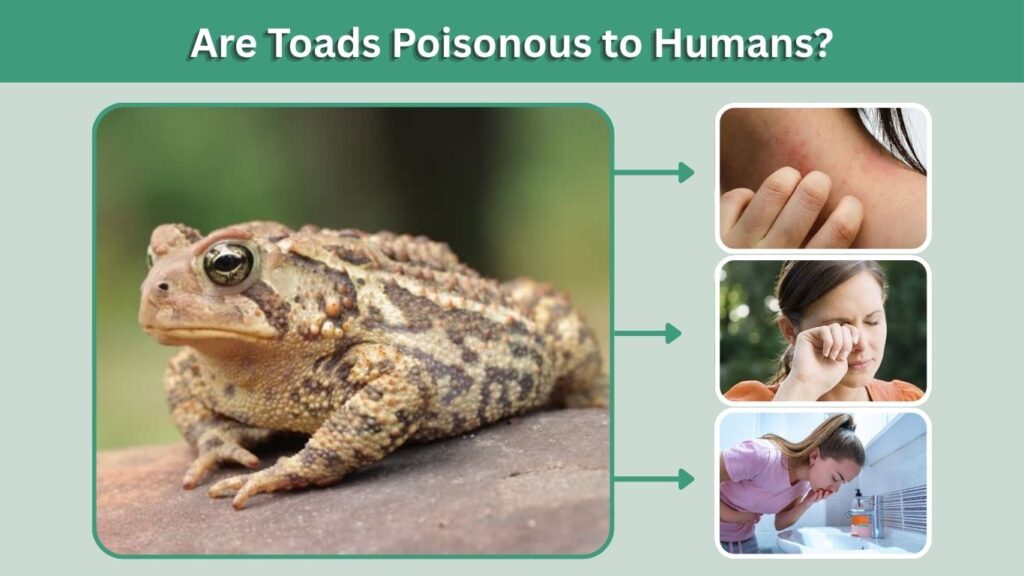
Many toads have mild defensive secretions, and some species have stronger toxins. These secretions help protect them from predators. Most casual contact with common toads is not dangerous if you wash your hands afterward, but you should avoid touching your eyes, nose, mouth, or open wounds after handling one.
Toad secretions can sometimes cause:
- Skin irritation
- Eye burning
- Nausea if ingested
- Bad taste in the mouth
- More serious symptoms with highly toxic species
The bigger risk is usually to pets, especially dogs. Dogs may bite or lick toads, exposing their mouths to toxins. Cane toads and some related species can cause severe poisoning in pets, affecting the heart, nervous system, and blood vessels.
How to Safely Handle a Toad
The safest option is to avoid handling wild toads unless necessary. Watching them is better than picking them up. If you need to move a toad out of danger, handle it gently and briefly.
Use these tips:
- Wet your hands first with clean water.
- Do not use hands covered in lotion, sunscreen, soap, or chemicals.
- Hold the toad low to the ground so it will not fall far.
- Do not squeeze or restrain it tightly.
- Keep it away from your face.
- Wash your hands afterward.
- Keep pets away from wild toads.
If you are moving a toad from a driveway, road, pool area, or doorway, move it only a short distance to a safer nearby spot. Do not relocate wild animals far from where they were found unless advised by wildlife professionals.
What Should You Do If You Touched a Toad?
If you touched a toad, do not panic. You will not get warts from it. Simply wash your hands with soap and water.
If toad secretions get into your eyes, rinse with clean water. If you develop severe irritation, swelling, breathing trouble, or other concerning symptoms, seek medical advice.
If a child touches a toad, help them wash their hands and remind them not to put their fingers in their mouth afterward. The main concern is hygiene, not warts.
What Should You Do If You Already Have Warts?
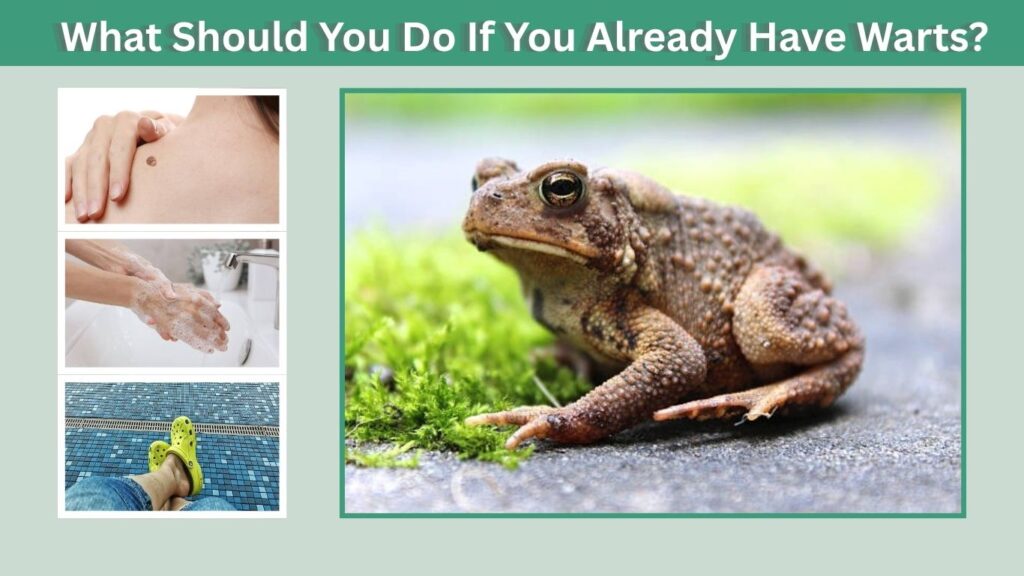
If you already have warts, they were not caused by a toad. Common warts are usually harmless, but they can spread to other areas of your body or to other people through direct contact.
To help prevent spreading warts:
- Do not pick or scratch them.
- Keep warts covered when possible.
- Wash your hands after touching a wart.
- Do not share towels, nail clippers, or razors.
- Avoid biting nails or picking hangnails.
- Wear footwear in public showers or pool areas.
Many common warts go away on their own, but treatment may help if they are painful, spreading, or bothersome. A doctor or dermatologist can recommend options such as freezing, topical treatments, or other wart removal methods.
Why Toads Have Bumpy Skin
Toads do not have bumpy skin because they are covered in human-style warts. Their bumps are normal skin features. Some bumps contain glands that produce defensive secretions. Others help with camouflage and moisture balance.
These bumps make toads look rougher than many frogs. They also help explain why the wart myth has lasted so long. But toad bumps are not contagious, and they cannot turn into human warts.
Should You Let Kids Touch Toads?
Children can learn a lot from observing toads, but they should be taught to respect wildlife. If a child does touch a toad, remind them to be gentle and wash their hands afterward.
Kids should not squeeze toads, put them near their face, place them in pockets, or keep wild toads as pets without proper knowledge. Toads can become stressed quickly, and rough handling can injure them.
A good rule is: look first, touch only if necessary, and always wash hands afterward.
FAQs
Can toads really give you warts?
No, toads cannot give you warts. Warts are caused by human papillomavirus, not by toads. The bumps on a toad’s skin are natural glands and skin structures. They may look like warts, but they are not contagious to humans.
Can touching a toad give you warts?
Touching a toad will not give you warts. However, you should still wash your hands after handling one. Toads may release irritating secretions, and wild animals can carry germs from their environment. The concern is hygiene and irritation, not warts.
Can toad pee give you warts?
No, toad pee cannot give you warts. Toad urine does not contain the virus that causes human warts. If a toad pees on you, wash the area with soap and water and avoid touching your eyes or mouth until your hands are clean.
Can frogs or toads give you warts?
No, frogs and toads cannot give humans warts. Human warts come from HPV, not amphibians. Frogs and toads may have skin secretions or environmental germs, so washing your hands after contact is still a smart safety habit.
Do cane toads give you warts?
Cane toads do not give you warts, but they can release strong toxins. These toxins can be dangerous, especially to pets that bite or lick them. If you touch a cane toad, wash your hands well. If a pet contacts one, seek veterinary help quickly.
