
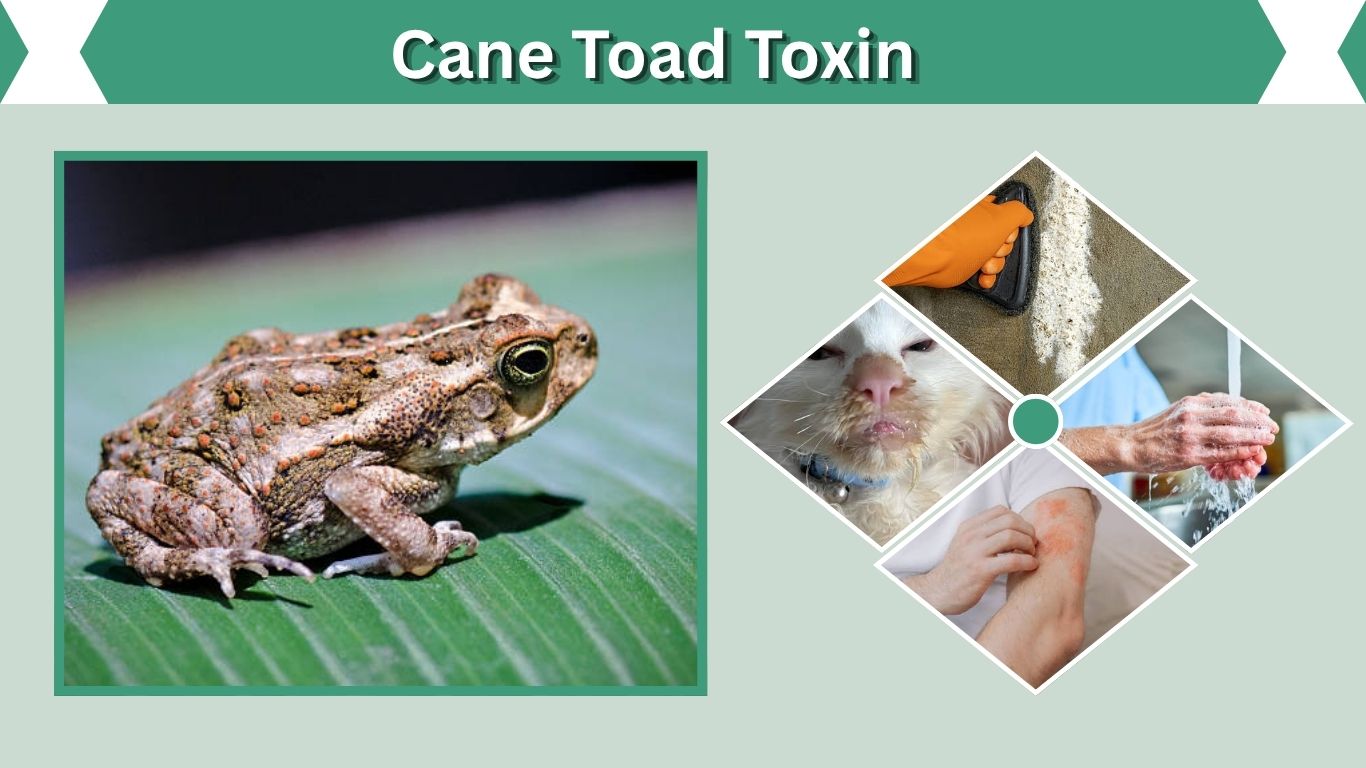
Cane toad toxin is one of the main reasons these large amphibians cause concern in Florida and other warm regions. Cane toads, also called bufo toads, giant toads, or marine toads, release a powerful defensive toxin from glands behind their eyes. This toxin can irritate human skin and eyes, but it is especially dangerous to dogs and cats that bite, lick, or swallow a toad. Understanding how cane toads poison animals, what symptoms to watch for, and how to reduce toads around your home can help protect your family and pets.
What Is Cane Toad Toxin?
Cane toad toxin is a thick, milky defensive secretion produced by the toad’s large parotoid glands. These glands are located behind the eyes and along the shoulders. When a cane toad feels threatened, especially when grabbed by a dog or predator, it can release toxin onto its skin.
The toxin is not used for hunting. Cane toads eat insects, small animals, and other food items without needing venom to capture prey. Their toxin is mainly a defense system. If a predator bites the toad, the bitter and toxic secretion can quickly affect the mouth, heart, nervous system, and blood vessels.
Why the Toxin Matters
Cane toad toxin is important because exposure can happen fast. A dog may pick up a toad, drop it within seconds, and still receive enough toxin to become sick. A cat may paw at or bite a toad and show symptoms shortly afterward. People are less likely to be seriously poisoned, but the toxin can still irritate skin, eyes, cuts, and mucous membranes.
Cane Toad Toxin on Skin
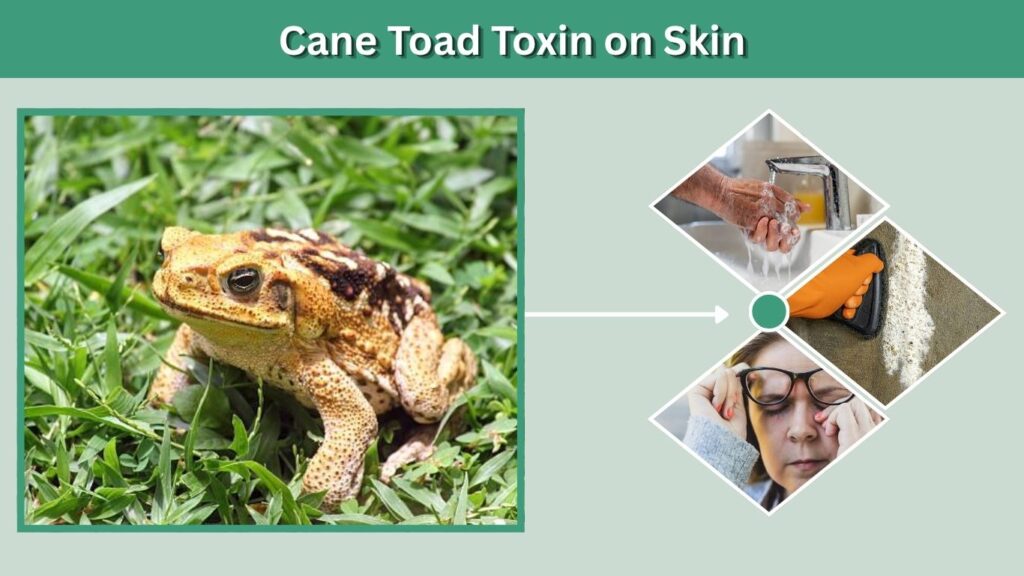
One of the most common questions is whether cane toad toxin on skin is dangerous. For most healthy adults, brief contact with intact skin is usually more irritating than life-threatening. However, the toxin should still be treated carefully. It can cause burning, redness, discomfort, or irritation, especially if it gets into the eyes, mouth, nose, or open cuts.
What to Do If Toxin Gets on Your Skin
If you touch a cane toad or its toxin:
- Wash the area with soap and running water
- Avoid touching your eyes or mouth
- Remove contaminated gloves or clothing
- Rinse eyes immediately if toxin splashes into them
- Seek medical advice if burning, swelling, or eye irritation continues
Do not handle cane toads barehanded. If you must move one, wear gloves and avoid contact with your face.
Are Cane Toads Poisonous to Dogs?
Yes, cane toads are poisonous to dogs. Dogs are the pets most often affected because they like to chase, bite, lick, or carry moving animals. Cane toad poisoning can happen when the toxin contacts the dog’s gums, tongue, and mouth tissues. A dog does not need to swallow the whole toad to be poisoned.
Symptoms of Cane Toad Poisoning in Dogs
Symptoms can begin quickly, sometimes within minutes. Watch for:
- Excessive drooling
- Foaming or frothing at the mouth
- Bright red or irritated gums
- Pawing at the mouth
- Head shaking
- Vomiting or retching
- Whining, crying, or agitation
- Weakness
- Stumbling or loss of coordination
- Tremors
- Seizures
- Irregular heartbeat
- Difficulty breathing
- Collapse
Any suspected exposure should be treated as urgent. Severe cases can become life-threatening, especially in small dogs or dogs that receive a large dose of toxin.
First Aid for Dogs
If your dog bites or licks a cane toad, move the dog away immediately. Then wipe the mouth with a damp cloth. Focus on the gums, tongue, and inside of the cheeks. Wipe from the back of the mouth toward the front, rinsing the cloth repeatedly, so the toxin is removed instead of pushed down the throat.
Do not force water into the dog’s mouth. A panicking or seizing dog can inhale water, which creates another emergency. After wiping the mouth, contact a veterinarian or emergency animal hospital right away.
Are Cane Toads Poisonous to Cats?
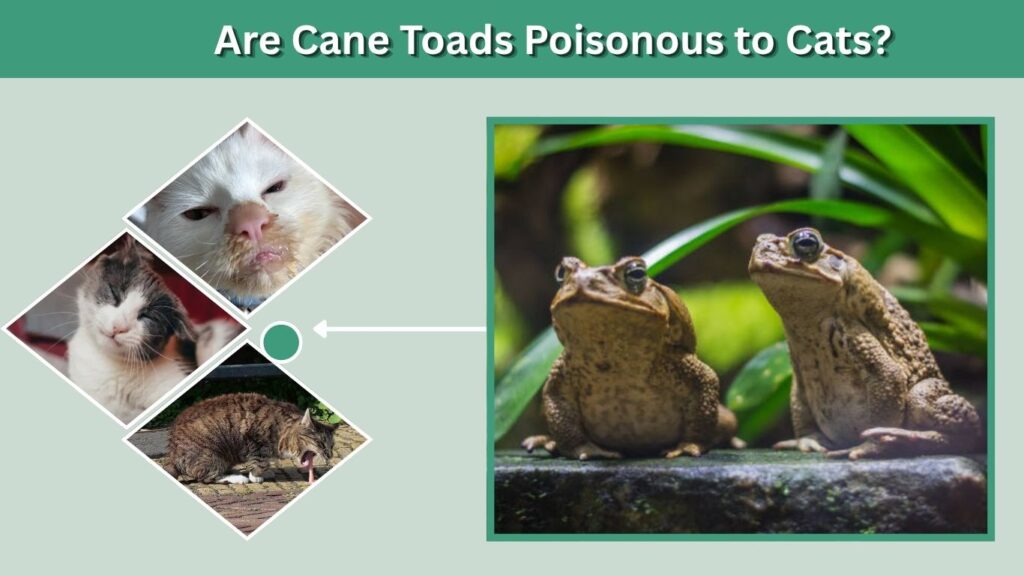
Cane toads can also poison cats. Cats may be more cautious than dogs, but outdoor cats can still bite, lick, or paw at a toad. Because cats are smaller, even limited exposure can be serious.
Symptoms in Cats
Possible symptoms include:
- Drooling
- Foaming at the mouth
- Vomiting
- Pawing at the mouth
- Shaking the head
- Weakness
- Trouble walking
- Tremors
- Seizures
- Hiding or acting unusual
Cats often hide when sick, so a sudden behavior change after outdoor activity should not be ignored. Call a veterinarian immediately if cane toad exposure is possible.
Are Toads Poisonous to Touch?
Many toads produce defensive secretions, but cane toads are among the most concerning because their toxin is strong. Touching a toad is not the same as biting or swallowing one, but it is still not recommended.
For people, the main risks from touching a cane toad are skin irritation and accidental transfer of toxin to the eyes or mouth. For pets, touching may not be as dangerous as mouthing, but dogs and cats rarely just touch toads; they often lick, bite, or pick them up.
Safe Handling Rule
The safest rule is simple: do not touch unknown toads with bare hands, and do not allow pets or children to touch them at all.
Are Toads Poisonous to Humans?
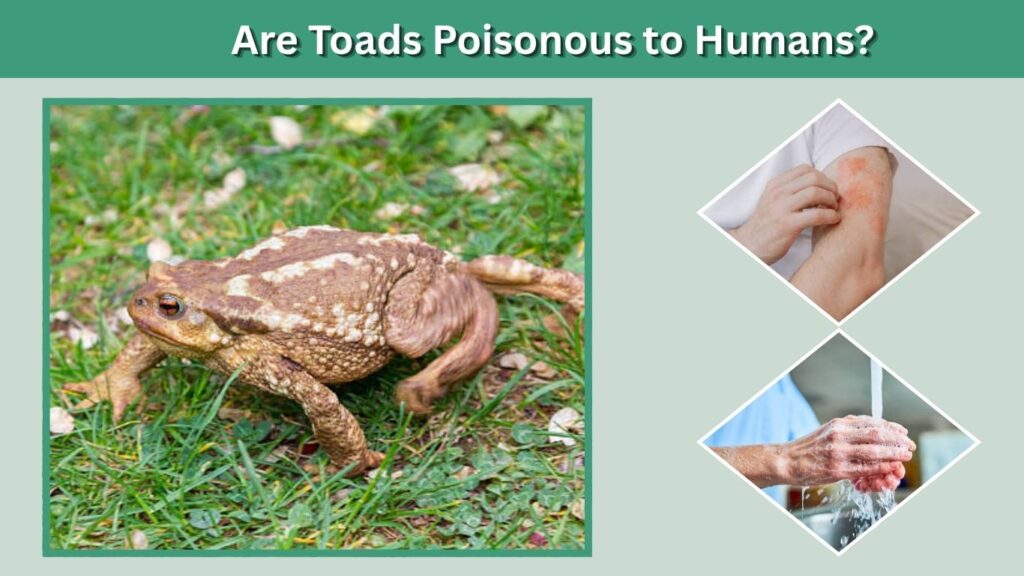
Cane toads can affect humans, but serious poisoning is less common than in pets because people usually do not bite or swallow toads. The toxin can irritate skin, eyes, and mucous membranes. It may be more concerning for children, people with cuts, or anyone who gets toxin in the eyes or mouth.
Human Exposure Risks
Humans may be exposed by:
- Picking up a cane toad barehanded
- Touching toxin and then rubbing the eyes
- Handling a contaminated pet
- Cleaning an area where a toad was crushed
- Allowing children to play with toads
If exposure occurs, wash the area well. For eye exposure, flush with clean water and seek medical advice if irritation continues.
How Do Cane Toads Poison You?
Cane toads poison animals through contact with their toxin. The toxin is released from parotoid glands when the toad is threatened. In dogs and cats, the toxin is absorbed through the mouth. It can then affect major body systems.
How Poisoning Happens
The poisoning process usually follows this pattern:
- A dog, cat, or predator approaches the toad
- The toad feels threatened
- The toad releases toxin from glands behind the eyes
- The pet bites, licks, or mouths the toad
- Toxin contacts gums and mouth tissues
- Symptoms begin quickly
In humans, poisoning is more likely to involve irritation from skin, eye, or mouth contact rather than systemic poisoning from biting the toad.
Are Cane Toads Invasive?
Yes, cane toads are invasive in Florida and several other regions outside their native range. They were introduced by humans and have spread in warm climates. They compete with native wildlife, eat a wide variety of prey, and poison pets and predators that attack them.
In Florida, cane toads are especially associated with southern and central regions, though sightings can happen elsewhere. Their success comes from their adaptability, high reproductive output, and ability to live around people.
Why Invasive Cane Toads Are a Problem
Cane toads can cause problems because they:
- Poison dogs and cats
- Threaten some wildlife predators
- Compete with native amphibians
- Eat many types of insects and small animals
- Breed in permanent or temporary water
- Thrive around neighborhoods and human structures
Their presence around homes is often linked to food, water, shelter, and insects.
Cane Toad Size
Cane toad size is one of the easiest clues for identification. Adults are usually larger than many native toads. Many cane toads are over 3 inches long, and some can become much larger. They have heavy bodies, short legs, and broad heads.
Identification Features
A cane toad may have:
- Large, heavy body
- Dry, warty skin
- Brown, tan, gray, or reddish-brown color
- Large triangular glands behind the eyes
- Ridge around the eyes and above the nose
- No strong raised crests on top of the head
- Ground-dwelling behavior
Color alone is not reliable. Cane toads can vary in shade, and native toads can look similar. The large glands and body size are more useful clues.
Cane Toads vs Native Toads
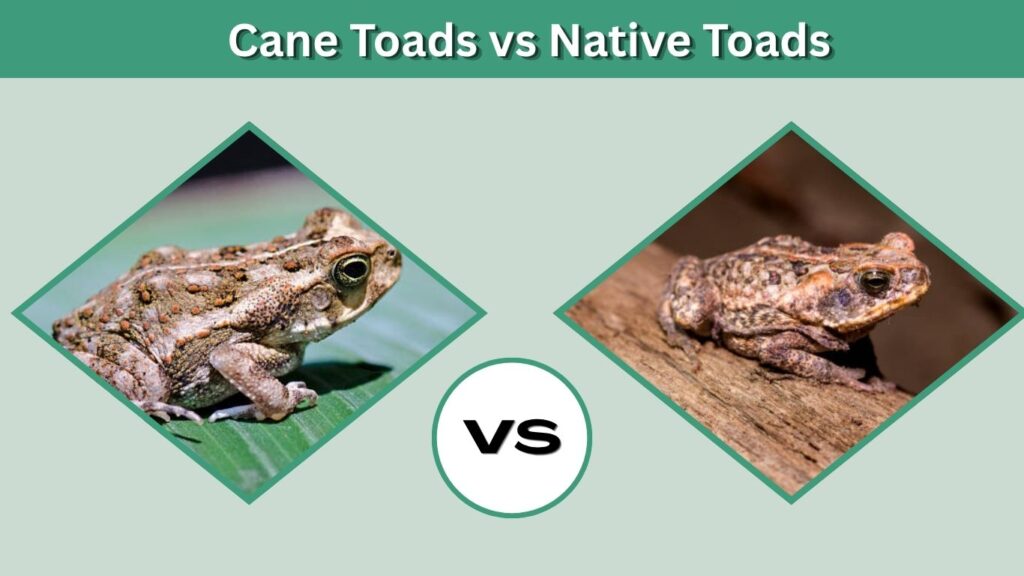
Cane toads are often confused with native toads, especially southern toads. This matters because native toads are usually less dangerous, while cane toads can be deadly to pets.
Main Differences
Native southern toads are usually smaller and often have raised ridges or crests on top of the head. Cane toads are often larger and have very large triangular poison glands behind the eyes. However, identification can be difficult at night or when the toad is small.
If your pet mouths a toad and symptoms appear, do not wait to identify the species perfectly. Treat it as a possible cane toad exposure and call a veterinarian.
How to Get Rid of Cane Toads
Getting rid of cane toads should focus on prevention, safe removal, and reducing attractants. Avoid using poisons or unsafe methods because they can harm pets, children, native wildlife, and the environment.
Reduce Attractants Around Your Yard
Cane toads are often drawn to food, water, shelter, and insects. You can make your yard less attractive by:
- Bringing pet food and water indoors at night
- Cleaning up spilled birdseed or pet food
- Reducing standing water
- Keeping grass trimmed
- Removing clutter and hiding places
- Turning off unnecessary outdoor lights
- Using sealed trash containers
- Checking around pools, ponds, and patios
- Supervising pets after rain and at night
Outdoor lights attract insects, and insects attract toads. Reducing unnecessary lighting can help lower nighttime activity.
Safe Removal
If you find a cane toad, keep pets and children away. Wear gloves and use a container or tool if removal is necessary. If you are not confident about identification or humane removal, contact a wildlife removal professional or local extension office for guidance.
Do not relocate cane toads to natural areas. Since they are invasive, moving them can spread the problem.
Preventing Cane Toad Poisoning in Pets
Prevention is the best protection. Dogs should be supervised outdoors, especially in warm, rainy weather and after dark. Cats are safest indoors, particularly in neighborhoods where cane toads are common.
Pet Safety Tips
Use these steps:
- Walk dogs on a leash at night
- Teach a strong “leave it” command
- Check the yard before letting pets outside
- Keep pets away from ponds and damp areas
- Remove outdoor food and water bowls
- Watch pets closely after rain
- Use a flashlight to scan the yard
- Know the nearest emergency vet location
Pet owners in South Florida should be especially cautious because cane toads are common in many neighborhoods.
Common Myths About Cane Toad Toxin
Cane toads are often misunderstood. Knowing the facts helps people respond safely.
Myth: A dog must eat the toad to be poisoned
A dog can be poisoned by biting or licking a cane toad. The toxin can be absorbed through the mouth even if the dog drops the toad quickly.
Myth: Cane toads are only dangerous to small pets
Small pets are at higher risk, but large dogs can also become seriously ill. The amount of toxin and speed of treatment matter.
Myth: Touching a cane toad always kills humans
Touching a cane toad is not usually deadly for humans, but the toxin can irritate skin and eyes. Handling should be avoided or done with gloves.
Myth: All toads are equally dangerous
All toads can produce secretions, but toxin strength varies by species. Cane toads are far more dangerous to pets than most native Florida toads.
FAQs
Is cane toad toxin dangerous on skin?
Cane toad toxin can irritate human skin, especially if it contacts cuts or sensitive areas. The greater risk is getting toxin in the eyes, mouth, or nose. Wash skin with soap and water after contact and avoid touching your face.
Are cane toads poisonous to dogs?
Yes, cane toads are highly poisonous to dogs. A dog can become sick after biting, licking, or mouthing one. Symptoms may include drooling, red gums, vomiting, weakness, tremors, seizures, irregular heartbeat, and collapse. Contact a veterinarian immediately.
Are toads poisonous to humans?
Some toads, especially cane toads, produce toxins that can irritate human skin and eyes. Serious poisoning in humans is less common because people usually do not bite or swallow toads. Children should not handle unknown toads.
Are cane toads invasive?
Yes, cane toads are invasive in Florida. They are nonnative and can harm pets, wildlife, and local ecosystems. They are especially common in warm areas and often live near homes, ponds, lights, and outdoor food sources.
How do cane toads poison animals?
Cane toads release toxin from large glands behind their eyes when threatened. Dogs and cats are poisoned when they bite, lick, or mouth the toad. The toxin enters through the gums and mouth tissues and can affect the heart and nervous system.
