
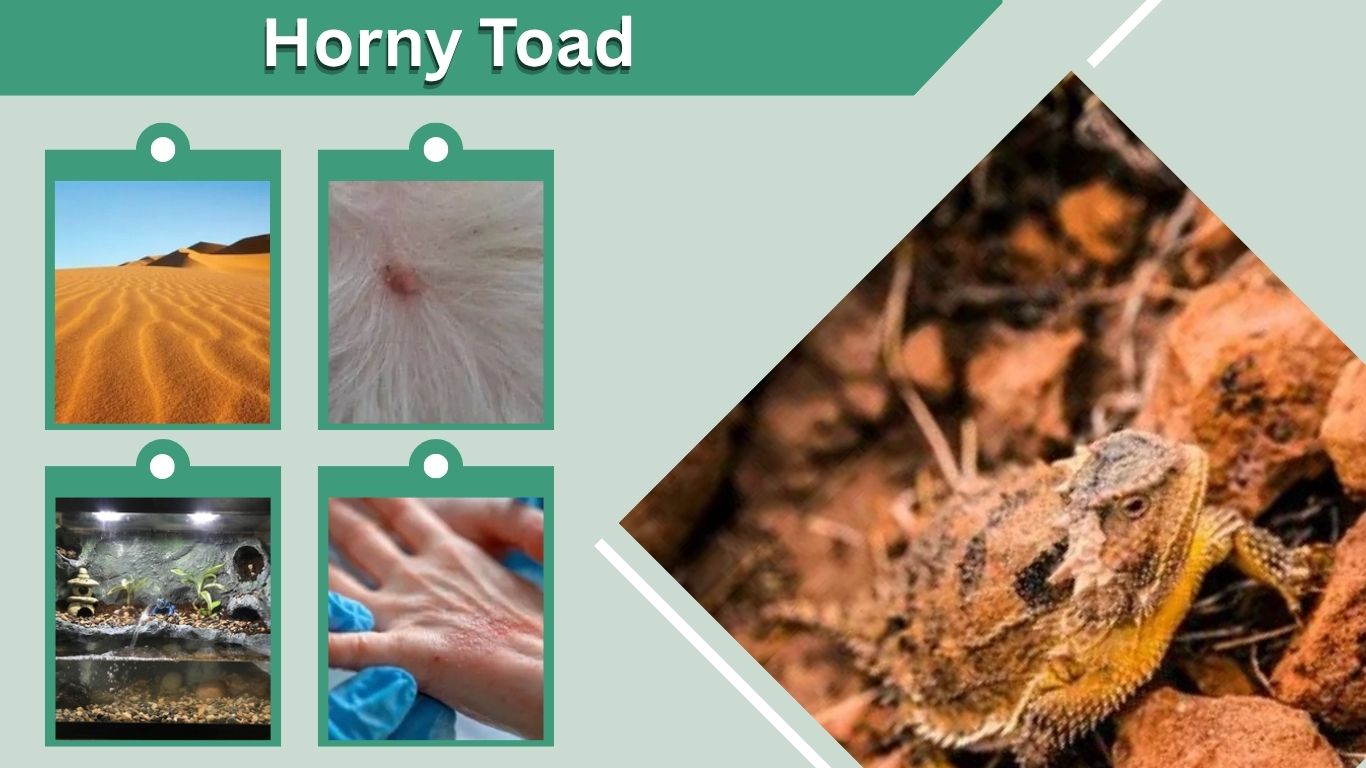
The horny toad is not actually a toad. It is a horned lizard, a flat-bodied reptile known for its spiky head, desert camouflage, ant-based diet, and unusual defense behaviors. Many people call it a horny toad because its round body and short legs look somewhat toad-like. These reptiles are famous in the American Southwest, especially the Texas horned lizard.
What Is a Horny Toad?
A horny toad is a common name for a horned lizard from the genus Phrynosoma. These reptiles belong to the lizard family, not the amphibian group. They have dry, scaly skin, lay eggs on land, and live in warm, dry habitats. The Texas horned lizard is one of the best-known species and is also called the “horny toad.”
Is a Horny Toad a Lizard or a Frog?
A horny toad is a lizard, not a frog or true toad. Frogs and toads are amphibians with moist skin and a strong connection to water. Horny toads are reptiles with scales, claws, and dry skin. They live mostly on land and are adapted to deserts, grasslands, scrublands, and sandy areas.
Why Is It Called a Horny Toad?
The name comes from its horn-like head spines and toad-like body shape. Horny toads have a wide, flattened body, short legs, and rough scales. Their squat appearance makes them look like a small toad, but their horns, scales, and reptile behavior clearly show they are lizards.
Common Horny Toad Species
Several horned lizards are called horny toads. Some are found in Texas, Arizona, California, Oklahoma, New Mexico, Mexico, and other dry regions. Common examples include:
- Texas horned lizard
- Desert horned lizard
- Short-horned lizard
- Flat-tailed horned lizard
- Roundtail horned lizard
- San Diego horned lizard
- Greater short-horned lizard
Horny Toad Appearance and Size
Horny toads are easy to recognize because of their flat bodies, sharp-looking head horns, and rough scales. They are designed to blend into dry soil, sand, rocks, and desert plants. Their body shape also helps them hide from predators by staying low against the ground.
Body Shape and Color
Most horny toads have a brown, gray, tan, reddish, or sandy color. These colors help them match their surroundings. Some have dark blotches, pale stripes, or small speckled patterns. Their body is wide and flattened, making them look almost like a living thorny leaf on the ground.
Head Horns and Spines
The horns on the back of the head are one of their most noticeable features. The Texas horned lizard has several head spines, with two central spines usually longer than the others. These horns may help protect the lizard from predators that try to swallow it.
Horny Toad Size
Horny toads are usually small to medium-sized lizards. Many species grow around 2.5 to 5 inches long, depending on the species. Their wide body can make them look larger than they really are. Males and females may look similar, but females are often larger in some species.
Horny Toad Habitat
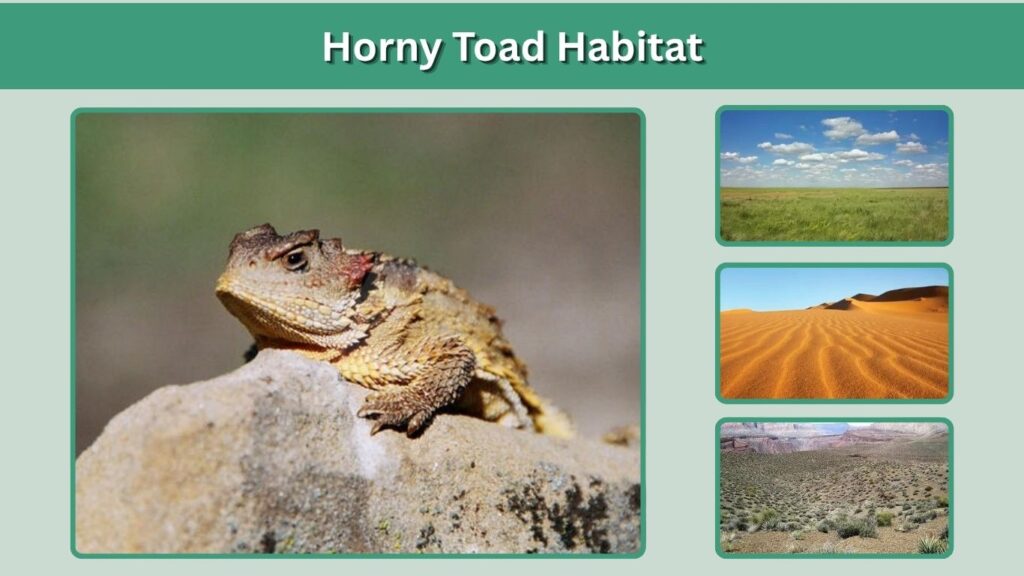
Horny toads live in dry, open habitats where they can bask, hide, and hunt for ants. They prefer areas with loose soil, sparse vegetation, and enough insect prey. Habitat quality is very important because these lizards depend heavily on native ant populations.
Natural Habitat
Horny toads are commonly found in deserts, grasslands, scrublands, open woodlands, sandy flats, rocky areas, and dry plains. They need open sunny spaces for basking and loose soil for digging. The San Diego horned lizard, for example, is associated with areas that have loose, sandy soil and natural cover.
Where Do Horny Toads Live?
Horny toads live mainly in North America, especially the southwestern United States and Mexico. The Texas horned lizard is strongly linked with Texas, Oklahoma, New Mexico, Kansas, and northern Mexico. Other horned lizard species occur in California, Arizona, Nevada, Utah, Colorado, and nearby regions.
Why Habitat Matters
Horny toads need a habitat with native ants, safe hiding areas, and natural ground cover. When grasslands are replaced by roads, lawns, farms, or buildings, horny toads lose food and shelter. Pesticide use can also reduce insect populations, making it harder for them to survive.
What Do Horny Toads Eat?
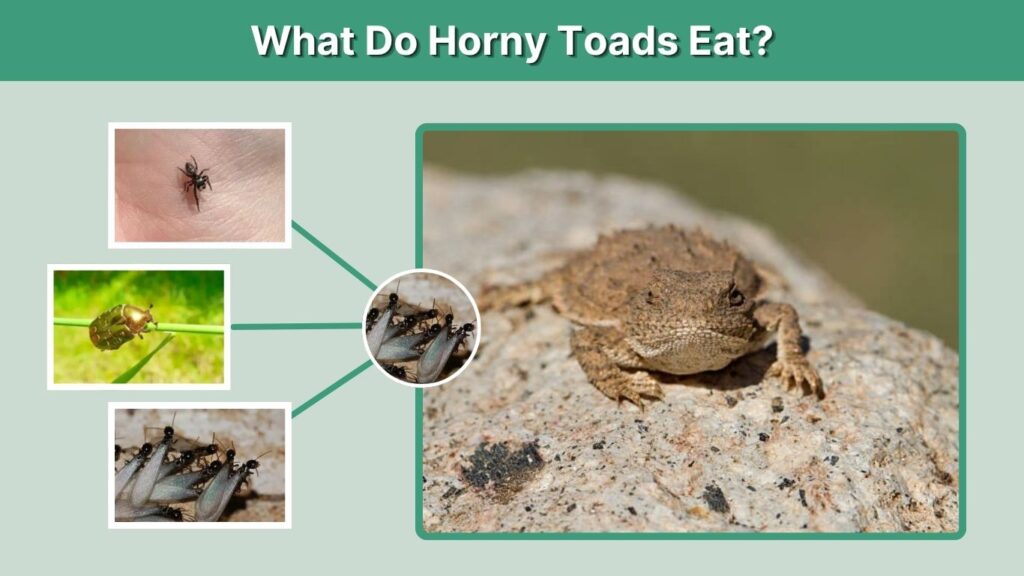
Horny toads are insect-eating reptiles. Their diet is strongly connected to ants, especially harvester ants. They may also eat other small insects when available, but many horned lizards are highly specialized ant predators.
Main Diet
The main food of many horny toads is ants. The Texas horned lizard is especially known for eating harvester ants. It may wait near ant trails and snap up ants one by one. This feeding style is slower than chasing prey, but it works well in dry habitats where ant colonies are common.
Other Foods
Horny toads may also eat small insects and arthropods. Their diet can include beetles, termites, grasshoppers, small spiders, flies, and larvae. However, ants usually remain the most important food source for many species.
Feeding Behavior
Horny toads often sit still and wait for prey to come close. Their camouflage helps them avoid being noticed while hunting. They use a quick tongue movement to grab small insects. Because ants are tiny, a horny toad may need to eat many of them in one feeding period.
Horny Toad Defense
Horny toads are famous for their unusual defense methods. They are not fast runners compared with many other lizards, so they rely on camouflage, body shape, spines, puffing up, and sometimes blood-squirting behavior to survive.
Camouflage
Their first defense is staying hidden. Horny toads can flatten their body against the ground and remain very still. Their sandy or rocky colors help them blend into the background. Predators may walk past without seeing them.
Puffing Up and Spines
When threatened, a horny toad may puff up its body. This makes it look bigger and harder to swallow. The head horns and side spines also make it uncomfortable for snakes, birds, and mammals to attack. This defense is especially useful against predators that try to eat prey whole.
Blood-Squirting Defense
Some horned lizards can squirt blood from the corners of their eyes when threatened. This behavior is mostly used against certain predators, especially canids such as foxes, coyotes, or dogs. The blood may taste bad and surprise the predator long enough for the lizard to escape.
Are Horny Toads Poisonous?
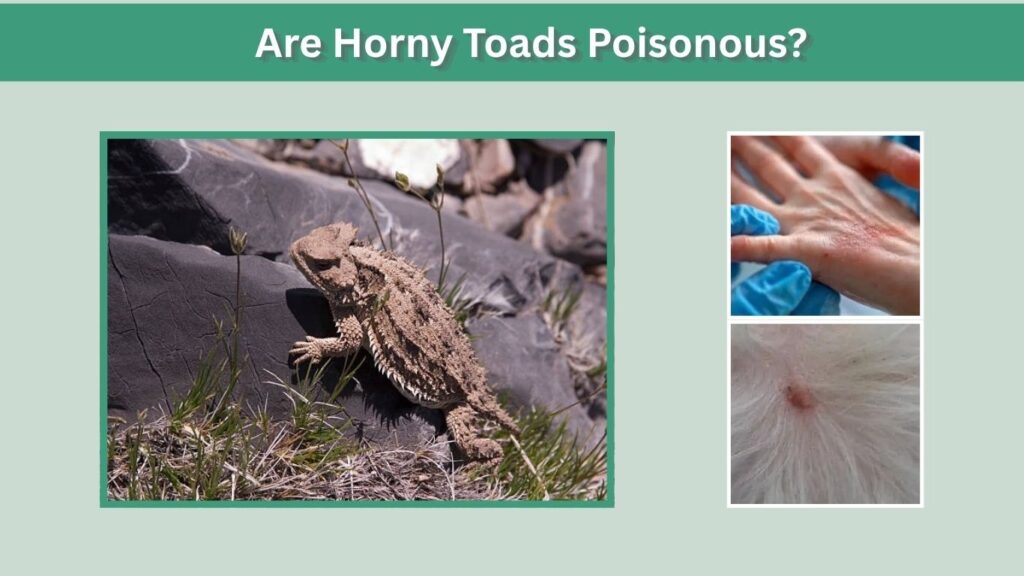
Horny toads are not poisonous in the same way as many toxic frogs or venomous snakes. They do not inject venom, and they are not dangerous to humans under normal conditions. However, they are wild animals and should not be handled without reason.
Are They Dangerous to Humans?
Horny toads are generally not dangerous to people. They do not attack humans, and their bite is not considered medically serious. If handled roughly, they may become stressed or try to defend themselves. It is better to observe them without picking them up.
Can They Hurt Pets?
Dogs and cats may harm horny toads by chasing, biting, or swallowing them. Even if the lizard is not deadly, the encounter can injure the reptile. In areas where horny toads are protected, pets should be kept away from them.
Safe Observation Tips
If you find a horny toad outdoors, follow these safe steps:
- Watch it from a distance
- Do not remove it from the wild
- Do not keep it in a jar or box
- Keep pets away
- Take photos without touching it
- Let it return to cover naturally
Texas Horny Toad
The Texas horny toad usually refers to the Texas horned lizard, Phrynosoma cornutum. It is one of the most famous horned lizards in the United States and is strongly connected to Texas history, wildlife, and culture.
Texas Horned Lizard Facts
The Texas horned lizard has a flat body, spiny head, brownish color, and two rows of fringed scales along the sides. It is well adapted to dry habitats and ant-rich areas. In Texas, it is officially listed as a threatened species.
Why Texas Horny Toads Declined
Texas horny toads declined because of habitat loss, pesticide use, fire ants, urban growth, and reduction of native harvester ants. Fire ants are a major problem because they can affect native insects and may attack young lizards. Habitat fragmentation also makes it harder for populations to recover.
Conservation Efforts
Zoos, researchers, and wildlife groups are working to restore Texas horned lizard populations. Recent conservation programs have bred and released horned lizards into protected habitats, with some released animals later seen surviving in the wild.
Horny Toad as a Pet
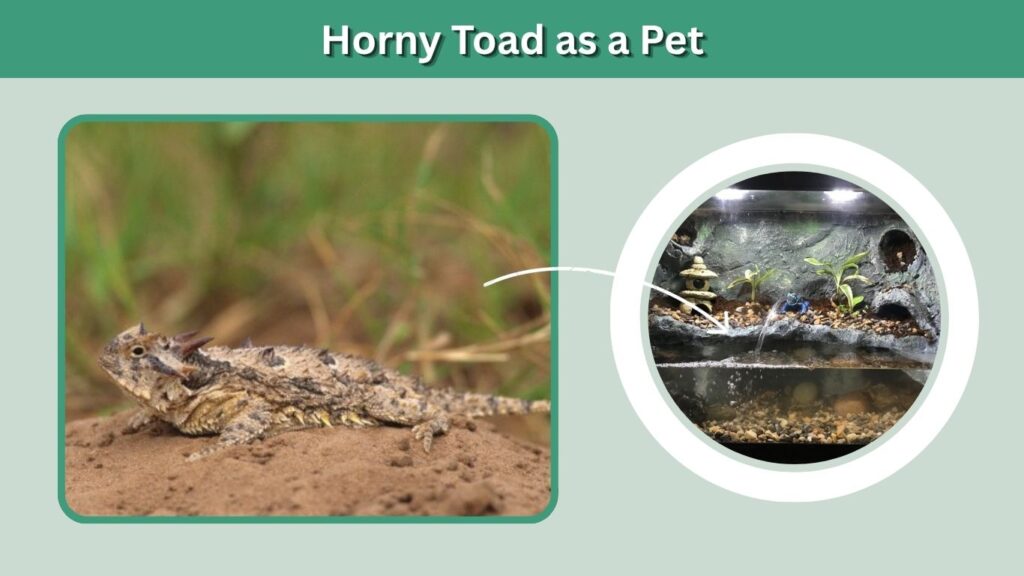
Many people search for horny toads for sale, but keeping one as a pet is not simple. Some species are protected, and wild collection may be illegal. Even where ownership is allowed, horned lizards have specialized diets and habitat needs that make them difficult for beginners.
Can You Keep a Horny Toad?
In many places, you should not collect or keep native horny toads from the wild. The Texas horned lizard is protected in Texas, and it is illegal to take, possess, transport, or sell them without a special permit. Rules vary by location, so local wildlife laws must be checked before considering any horned lizard.
Why They Are Hard to Keep
Horny toads are difficult pets because many need a steady supply of live ants, especially harvester ants. They also need proper heat, UVB lighting, dry substrate, hiding places, and low-stress conditions. Without the right diet and environment, they may stop eating and become weak.
Better Pet Alternatives
People who want a beginner reptile may do better with captive-bred lizards such as leopard geckos, crested geckos, or bearded dragons. These species are widely bred in captivity and have easier care requirements. Horny toads are better appreciated as wild reptiles and conservation icons.
Horny Toad Care Basics
Horny toad care should only be considered by experienced reptile keepers, legal permit holders, or conservation programs. These lizards need species-specific care, and wild-caught animals often do poorly in captivity.
Basic Care Requirements
| Care Factor | General Need |
| Enclosure | Dry, warm, escape-proof terrarium |
| Substrate | Sand-soil mix or species-safe desert substrate |
| Heat | Warm basking area with cooler side |
| Lighting | UVB lighting for reptile health |
| Diet | Mostly small live insects, often ants |
| Handling | Very limited |
| Difficulty | Advanced |
| Best Choice | Captive-bred only where legal |
Temperature and Lighting
Horny toads need a warm basking area and a cooler retreat. Like many reptiles, they regulate body temperature by moving between warm and cool areas. UVB lighting is also important for calcium metabolism and long-term health in captivity.
Handling Stress
Horny toads should not be handled often. Their bodies are delicate, and stress can affect feeding and health. If handling is necessary, it should be brief and gentle. For wild horny toads, no handling is best.
Are Horny Toads Endangered?
Some horned lizard species are stable in parts of their range, while others are declining or protected locally. The Texas horned lizard is not federally endangered across its full range, but it is listed as threatened in Texas.
Major Threats
Horny toads face several threats, especially in areas with heavy human development. Common threats include:
- Habitat loss
- Pesticide use
- Loss of harvester ants
- Invasive fire ants
- Road deaths
- Collection from the wild
- Domestic cats and dogs
- Climate and land-use changes
Why Ants Are Important
Harvester ants are a key food source for many horny toads. When pesticides kill ants or invasive fire ants replace native ant colonies, horned lizards lose their main diet. Without enough native ants, adult lizards may struggle to survive and young lizards may fail to grow properly.
How People Can Help
People can help horny toads by protecting native habitat, avoiding unnecessary pesticide use, keeping pets controlled, and not collecting wild lizards. In some areas, reporting sightings to wildlife agencies or citizen science platforms can help researchers understand where populations still exist.
Horny Toad Facts
Horny toads are unusual reptiles with many interesting traits. They are small, spiny, well-camouflaged, and strongly adapted to dry landscapes. Their strange appearance and defense behaviors make them one of the most memorable lizards in North America.
Quick Facts
Here are some important horny toad facts:
- A horny toad is a lizard, not a true toad
- Its scientific group is Phrynosoma
- Many species eat mostly ants
- Some can squirt blood from the eyes
- They live in dry habitats
- Their colors help them blend with soil
- Texas horned lizards are threatened in Texas
- They are difficult to keep as pets
- They should not be collected from the wild
- Their horns help protect them from predators
Horny Toad Pictures
Many people search for horny toad pictures because these lizards look unusual. The best photos show their flat body, head horns, side spines, and sandy camouflage. Pictures can also help people tell the difference between a horned lizard and a real toad.
Horny Toad Mascot and Culture
The horny toad is also part of culture, especially in Texas. It is connected with school mascots, wildlife symbols, local stories, and conservation campaigns. Its unusual look makes it easy to remember, and many people see it as a symbol of desert wildlife.
FAQs
What is a horny toad?
A horny toad is a horned lizard, not a real toad. It is a reptile with scales, claws, head horns, and a flat body. The name comes from its toad-like shape and horn-like spines. The Texas horned lizard is one of the best-known horny toads.
What do horny toads eat?
Horny toads mainly eat ants, especially harvester ants. They may also eat small beetles, termites, grasshoppers, larvae, spiders, and other tiny insects. Many horned lizards depend heavily on native ant populations, which is why pesticide use and ant loss can harm them.
Are horny toads poisonous?
Horny toads are not poisonous like toxic frogs and are not venomous like some snakes. They are generally not dangerous to humans. However, they are wild reptiles and should not be handled often. Some species can squirt blood from the eye area as a defense.
Can you keep a horny toad as a pet?
Keeping a horny toad as a pet is usually not recommended. Some species are protected, and wild collection may be illegal. They also need specialized care, proper heat, UVB lighting, and a diet that may include many live ants. Captive-bred beginner reptiles are easier choices.
Are horny toads endangered?
Some horny toads are declining, and the Texas horned lizard is listed as threatened in Texas. Major threats include habitat loss, pesticide use, invasive fire ants, road deaths, and reduced native ant populations. Conservation programs are working to protect and restore some horned lizard populations.
