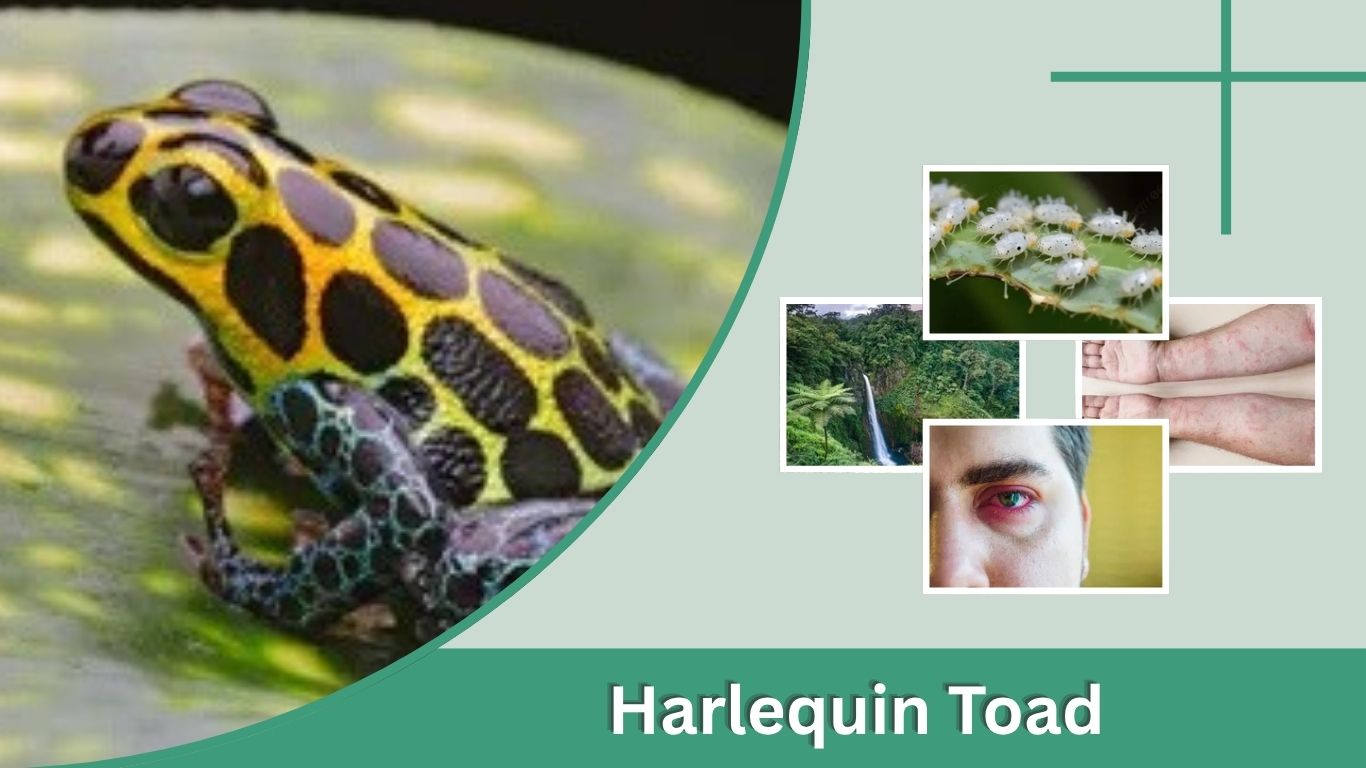
Harlequin toads are colorful amphibians best known for their bright warning colors, streamside lifestyle, and serious conservation status. Most belong to the genus Atelopus, a group found mainly in Central and South America. Although some people search for harlequin toads as pets, many species are rare, protected, endangered, or unsuitable for normal home care.
What Is a Harlequin Toad?
Harlequin toads are small, brightly colored amphibians often called harlequin frogs, stubfoot toads, or clown frogs. They belong to the true toad family, Bufonidae, but many have slimmer bodies and smoother skin than typical garden toads. Most species are active during the day and live near clean mountain or forest streams.
Scientific Name and Classification
Most harlequin toads belong to the genus Atelopus. This genus includes many species with different colors, patterns, and ranges. Some well-known examples include the Costa Rican variable harlequin toad, purple harlequin toad, starry night harlequin toad, scarlet harlequin toad, and Amazon harlequin toad.
The genus Atelopus is widely associated with Central and South America, and many species live around mid- to high-elevation streams.
Why Are They Called Harlequin Toads?
The name “harlequin” comes from their bold, patchy, clown-like color patterns. Many species have bright yellow, orange, red, green, black, purple, or spotted markings. These colors are not just beautiful; they often warn predators that the toad may be toxic or unpleasant to eat.
Harlequin Toad Size
Harlequin toads are generally small amphibians. Many species are only about 1 to 2 inches long, though size varies by species. The purple harlequin toad, for example, is reported around 1 to 1.3 inches long. (–) Their small size makes them delicate and easy to overlook in dense forest habitats.
Harlequin Toad Habitat
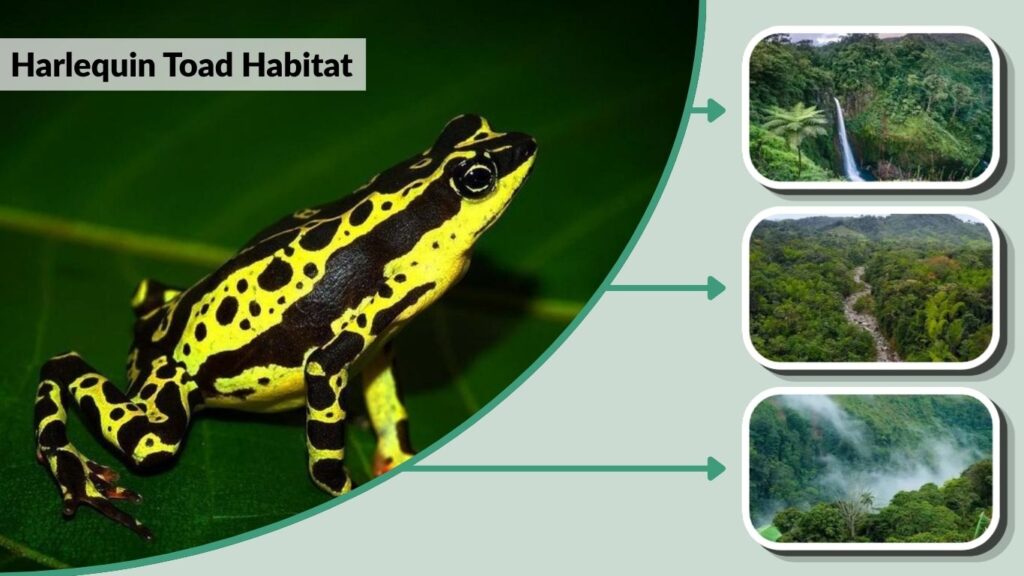
Harlequin toads are strongly connected to moist tropical habitats. Many species live near fast-flowing streams, cloud forests, rainforests, and wet mountain slopes. Their survival depends on clean water, stable humidity, shaded vegetation, and healthy forest ecosystems.
Natural Range
Harlequin toads occur across parts of Central and South America. Their range includes countries such as Costa Rica, Panama, Colombia, Ecuador, Peru, Brazil, French Guiana, and nearby regions, depending on the species. Some species have very small ranges and may be found only in one mountain area, valley, forest, or stream system.
Streamside Lifestyle
Many harlequin toads live close to streams because their eggs and tadpoles depend on water. Adults may walk along wet rocks, leaf litter, mossy banks, and low vegetation. Clean, oxygen-rich water is important for breeding. When streams are polluted, warmed, altered, or damaged, harlequin toads can disappear quickly.
Habitat Features
A suitable harlequin toad habitat usually has several important features:
- Clean forest streams
- High humidity
- Shaded vegetation
- Mossy rocks and wet leaf litter
- Stable temperatures
- Low pollution
- Safe breeding sites
- Few invasive predators
Popular Harlequin Toad Species
There are many different harlequin toads, and each one has its own color, range, and conservation story. Some are famous because they were rediscovered after years without sightings, while others are known for unusual colors or extreme rarity.
Purple Harlequin Toad
The purple harlequin toad is one of the most searched species because of its unusual purple or lavender coloration. Its scientific name is commonly listed as Atelopus barbotini. It is associated with French Guiana and is also called the purple fluorescent frog. Some sources note that its exact taxonomic status has been debated, with links to the Atelopus spumarius group.
Costa Rican Variable Harlequin Toad
The Costa Rican variable harlequin toad, or clown frog, is known scientifically as Atelopus varius. It was once found from Costa Rica to Panama, but it has suffered major declines and is considered critically endangered.Its bright colors can vary greatly, which explains the word “variable” in its common name.
Starry Night Harlequin Toad
The starry night harlequin toad is famous for its dramatic black body with bright yellow or white spotting. It is one of the most visually striking harlequin toads and has become a symbol of amphibian conservation. Like many Atelopus species, it depends on healthy forest stream habitats and careful protection.
Amazon Harlequin Toad
The Amazon harlequin toad name is often used for species or populations from Amazonian regions. These toads may live in humid tropical forests where rainfall, leaf litter, and small waterways shape their daily behavior. Their defense usually includes warning coloration and skin secretions that discourage predators.
Are Harlequin Toads Poisonous?
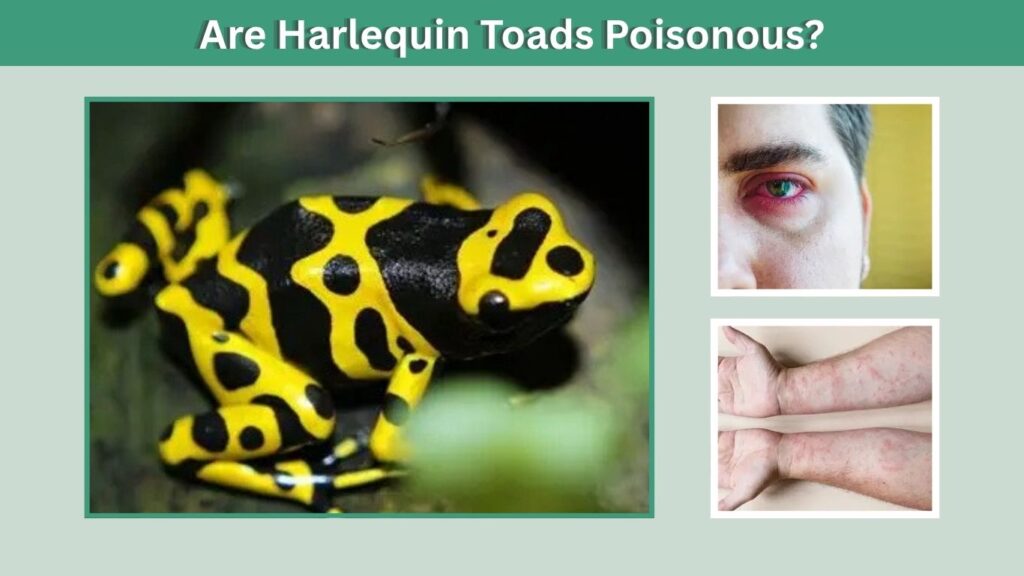
Yes, many harlequin toads are poisonous or chemically defended. Their bright colors often act as warning signals. This does not mean every species is equally dangerous, but it does mean they should never be handled casually, eaten by pets, or treated like common harmless frogs.
Skin Toxins
Harlequin toads can produce toxic or irritating skin secretions. In Atelopus varius, glandular skin secretions are described as toxic or repellent to predators, and its bright colors likely warn of that toxicity. These secretions help protect the toad from snakes, birds, mammals, and other natural enemies.
Are They Dangerous to Humans?
Harlequin toads are not aggressive animals, but their toxins can irritate skin, eyes, or mouth. They should not be handled unless necessary. If someone touches one, they should wash their hands carefully and avoid touching their face. Children and pets should never be allowed to play with them.
Safety Rules
If a person encounters a harlequin toad in the wild, the safest approach is simple:
- Do not pick it up
- Do not move it from its habitat
- Do not keep it as a pet
- Do not let dogs or cats touch it
- Take photos from a distance
- Report rare sightings to local conservation groups if appropriate
Harlequin Toad Diet and Behavior
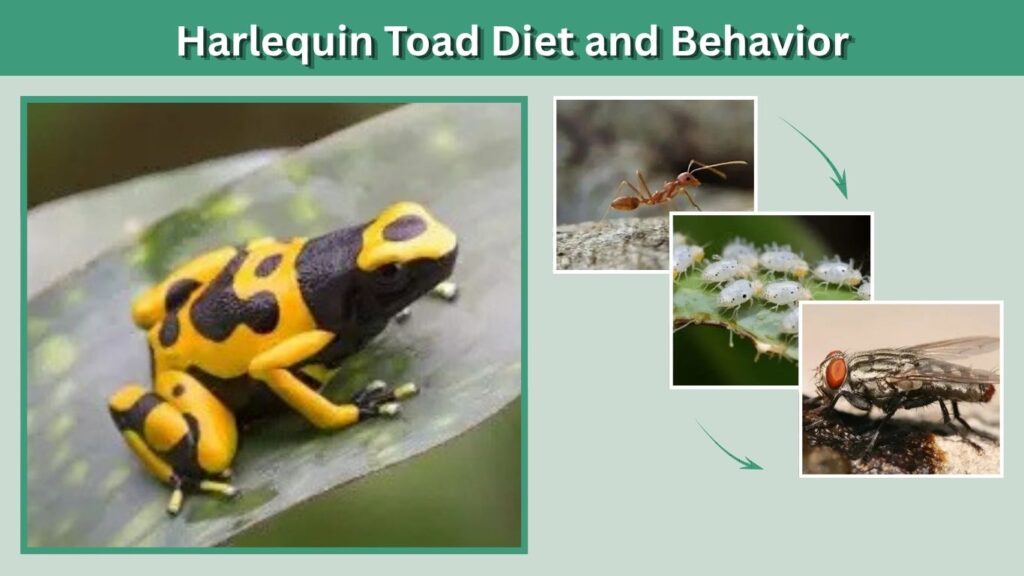
Harlequin toads are small predators that feed mainly on tiny invertebrates. Their behavior is different from many nocturnal frogs because several species are active during daylight. This makes them easier to observe when populations are healthy, but it also makes them vulnerable in open streamside habitats.
What Do Harlequin Toads Eat?
Harlequin toads eat small insects and other tiny invertebrates. Their diet may include ants, mites, beetles, flies, springtails, small larvae, and other soft-bodied prey. Because they are small amphibians, they usually target prey that fits easily into their mouth.
Daily Activity
Many harlequin toads are diurnal, meaning they are active during the day. They may walk slowly along rocks, moss, wet leaves, and stream banks. Some species use bright coloration during the day as a visible warning to predators. During dry or stressful periods, they may hide in damp shelters.
Breeding Behavior
Breeding usually happens near streams. Males may call or search for females, and pairs may stay in amplexus while the female prepares to lay eggs. Some species have unusual breeding behavior. The Santa Marta harlequin toad has been reported with very long amplexus, where the male may remain attached to the female for months.
Harlequin Toad Conservation Status
Harlequin toads are among the most threatened amphibians in the world. Many species have declined sharply, and some have not been seen for years. Conservation groups are working to protect habitats, breed rare species, monitor populations, and search for missing toads.
Why Are Harlequin Toads Endangered?
Harlequin toads face several serious threats. The biggest problem for many species is chytrid fungus, a disease-causing fungus linked to global amphibian declines. Habitat destruction, pollution, climate change, invasive species, and stream disturbance also contribute to their decline.
Re:wild reports that 83% of the 94 harlequin toad species assessed by the IUCN Red List are threatened with extinction, and about 40% have disappeared from their known homes.
Chytrid Fungus
Chytrid fungus damages amphibian skin, which is extremely important for breathing, hydration, and mineral balance. Once infected, a toad may become weak, stop behaving normally, and die. Because harlequin toads often live in cool, moist stream habitats, many populations have been heavily affected.
Conservation Work
The Atelopus Survival Initiative brings organizations together to protect harlequin toads, restore habitats, support conservation breeding, and search for lost species. (ASI) These projects are important because many harlequin toads have tiny ranges and may vanish without direct protection.
Can You Keep a Harlequin Toad as a Pet?
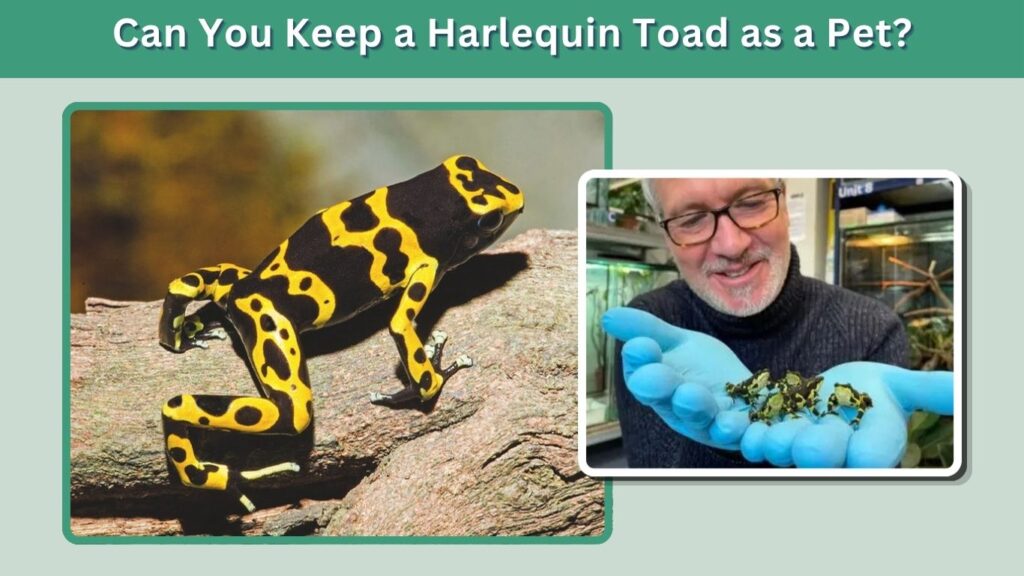
Most harlequin toads are not good pets for normal keepers. Many are endangered, protected, difficult to care for, or unavailable legally. Searches such as “harlequin toad for sale” or “purple harlequin toad for sale” are common, but availability does not always mean the animal is legal, ethical, or suitable for captivity.
Legal and Ethical Concerns
Many harlequin toads should not be collected from the wild. Removing rare amphibians can damage already fragile populations. Some species may also be protected by local or international rules. Buyers should be very careful with online listings and avoid animals with unclear origin.
Care Difficulty
Harlequin toads often need specialized conditions. They may require clean flowing water, cool temperatures, high humidity, disease control, specific foods, and expert-level amphibian care. A simple frog tank is usually not enough. Poor conditions can cause stress, infection, or death.
Better Pet Alternatives
People who want a colorful amphibian pet may be better suited to captive-bred species that are common in the pet trade. Fire belly toads, some tree frogs, and certain dart frogs are more commonly kept, but they still require proper research and responsible care. Harlequin toads are better appreciated through conservation education and photography.
Harlequin Toad Care Information
Some searches include “harlequin toad care” and “purple harlequin toad care,” but care information should be treated carefully. These animals are not beginner pets. Most care discussions apply to conservation facilities, experienced breeders, or legal captive-breeding programs rather than casual hobby setups.
Basic Captive Needs
A specialist setup may include cool, clean water, strong hygiene, naturalistic stream areas, high humidity, and carefully controlled temperature. Food must be small and varied. Any captive care should also include quarantine and disease testing because amphibian pathogens can spread quickly.
| Care Factor | General Requirement |
| Habitat style | Moist, streamside or rainforest-style setup |
| Temperature | Cool to moderate, species-specific |
| Water | Very clean, dechlorinated, and well-managed |
| Diet | Tiny live insects and invertebrates |
| Handling | Avoid unless necessary |
| Difficulty level | Advanced or expert |
| Best purpose | Conservation, research, or specialist breeding |
Handling and Stress
Harlequin toads should not be handled for fun. Amphibians absorb chemicals through their skin, and human hands may contain oils, soap, lotion, or toxins. Handling also stresses the animal and may expose people to skin secretions. Observation is much safer than contact.
Disease Prevention
Disease prevention is one of the most important parts of harlequin toad care. Equipment should be cleaned carefully, animals should not be mixed without quarantine, and wild amphibians should never be moved between locations. Even small mistakes can spread harmful pathogens.
Harlequin Toad Facts
Harlequin toads are small, colorful, and ecologically important. They are also warning signs for environmental health because many species depend on clean streams and stable forests. When they disappear, it often means the ecosystem is under stress.
Quick Facts
Here are some simple facts about harlequin toads:
- Most belong to the genus Atelopus
- They are found in Central and South America
- Many species live near forest streams
- Some are active during the day
- Bright colors warn predators
- Many species are poisonous
- They eat small insects and invertebrates
- Many are endangered or critically endangered
- Chytrid fungus is a major threat
- They are not ideal beginner pets
Harlequin Toad vs Harlequin Frog
The names harlequin toad and harlequin frog are often used for the same type of animal. Many Atelopus species are called frogs because they look slender and colorful, but they belong to the true toad family. So, both names may appear in articles, pet searches, and conservation reports.
Why They Matter
Harlequin toads matter because they are part of tropical stream ecosystems. They help control small insect populations and serve as prey for other animals. Their decline also warns scientists about disease, climate change, pollution, and habitat loss affecting amphibians worldwide.
FAQs
Are harlequin toads poisonous?
Yes, many harlequin toads are poisonous. They can produce skin secretions that make them unpleasant or dangerous to predators. Their bright colors often work as warning signs. Humans should avoid handling them and should wash hands carefully if contact happens.
Where do harlequin toads live?
Harlequin toads live mainly in Central and South America. Many species are found near clean forest streams, cloud forests, rainforests, and wet mountain habitats. Some species have very small ranges and may live only in one specific region or watershed.
Can you keep a harlequin toad as a pet?
Harlequin toads are generally not recommended as pets. Many species are endangered, protected, difficult to keep, or not legally available. They need expert care, clean water, controlled conditions, and disease prevention. Most people should choose captive-bred beginner amphibians instead.
What does a harlequin toad eat?
Harlequin toads eat small insects and tiny invertebrates. Their natural diet may include ants, mites, flies, beetles, larvae, and other small prey. In captivity, specialist keepers may offer very small live foods, but diet depends on the species and its size.
Why are harlequin toads endangered?
Many harlequin toads are endangered because of chytrid fungus, habitat loss, pollution, climate change, and invasive species. Some populations disappeared rapidly from places where they were once common. Conservation groups now work to protect habitats, breed rare species, and search for lost populations.
