
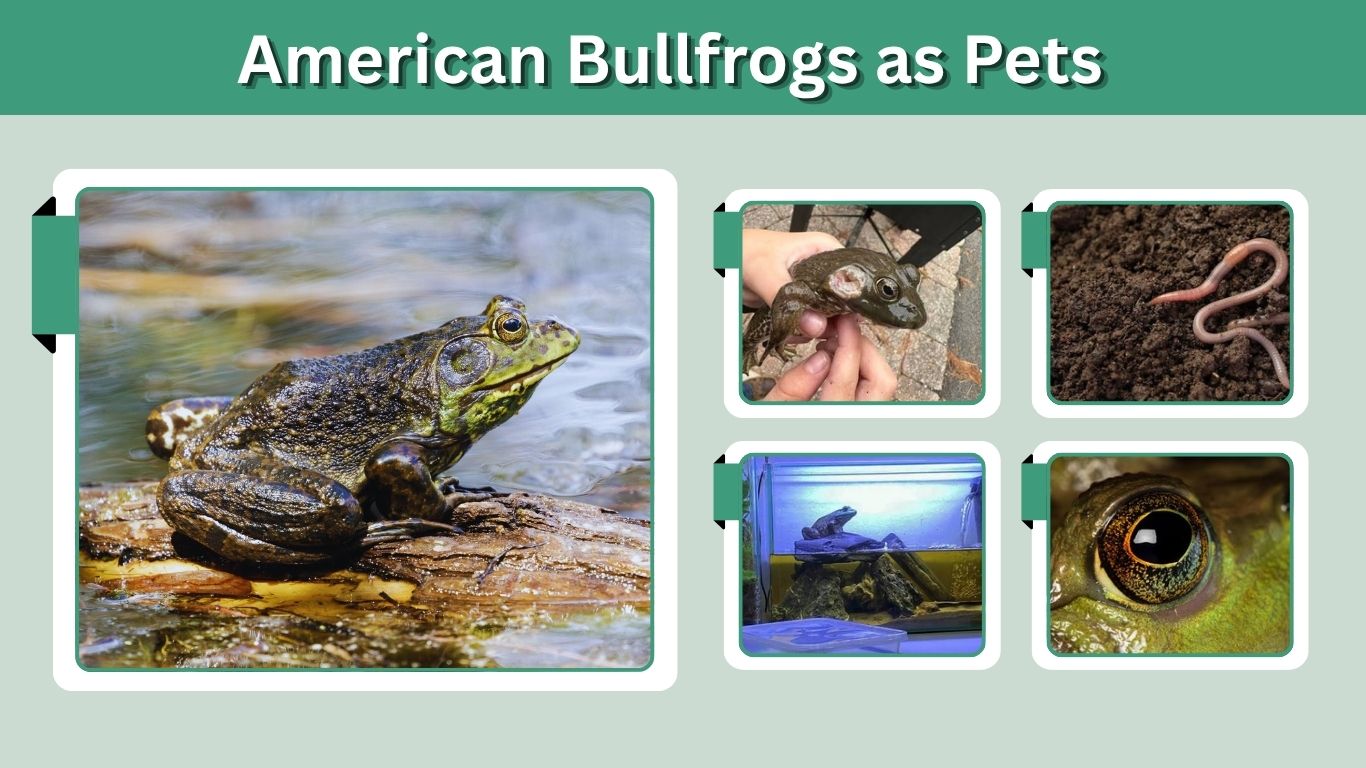
American bullfrogs can be kept as pets in some places, but they are not the best beginner frog. They grow large, eat live prey, need a spacious aquatic setup, and may be illegal to keep where they are invasive. Before getting one, owners should check local laws and understand that bullfrogs are powerful, messy, and long-lived amphibians. They are better for experienced keepers than casual pet owners.
Can You Keep an American Bullfrog as a Pet?
In some areas, American bullfrogs may be legal to keep, but laws vary by country, state, and region. This is important because American bullfrogs are native to eastern North America but invasive in many places outside that range. The USGS describes them as widely introduced and harmful in some non-native habitats because they can compete with native species, eat smaller animals, and spread disease.
Some areas have strict rules. Washington lists the American bullfrog as a prohibited aquatic animal species, meaning it generally may not be possessed alive, imported, purchased, sold, propagated, transported, or released into state waters. In the UK, it is listed as a species of special concern, and keeping, selling, breeding, or releasing it can be illegal without proper permission.
Are American Bullfrogs Good Pets?
American bullfrogs can be interesting display animals, but they are not cuddly pets. They should not be handled often because amphibian skin is sensitive to oils, soap, lotion, and chemicals on human hands.
Pros:
- Large and impressive-looking
- Interesting feeding behavior
- Long lifespan for a frog
- Active around water
- Easy to recognize by sound and size
Cons:
- May be illegal in some areas
- Needs a large water-based enclosure
- Eats live prey
- Can be messy
- Should not be handled often
- Must never be released outdoors
American Bullfrog Pet Enclosure Setup
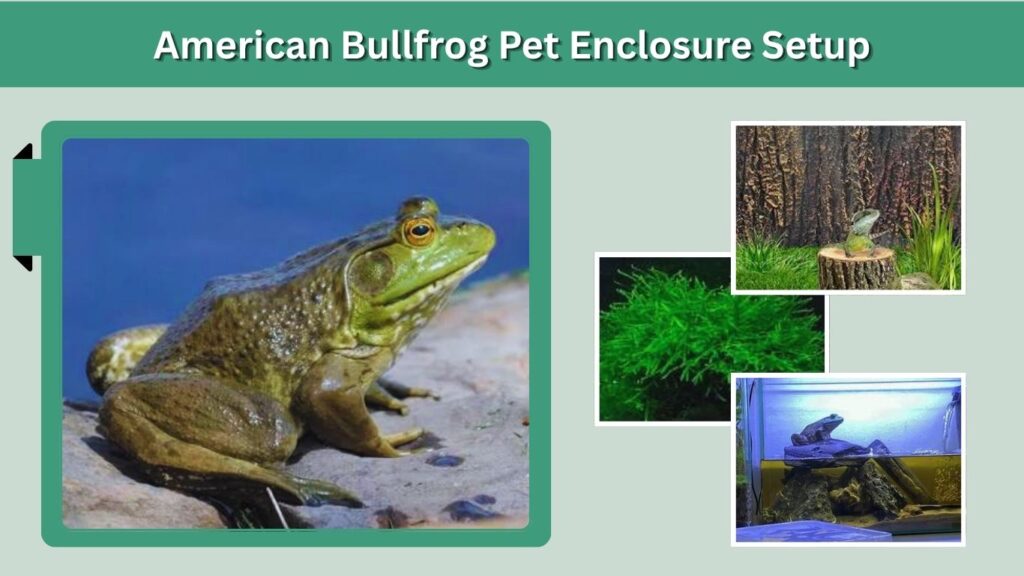
A pet American bullfrog needs a semi-aquatic enclosure with both water and land. The setup should copy a pond edge, with deep enough water for swimming and a dry or semi-dry area for resting. The enclosure must also have a secure lid because bullfrogs can jump strongly.
| Enclosure Need | Best Setup |
| Tank type | Large semi-aquatic enclosure |
| Water | Clean, dechlorinated freshwater |
| Land area | Cork bark, smooth rocks, or platform |
| Cover | Aquatic plants, hides, floating cover |
| Lid | Secure escape-proof top |
| Cleaning | Strong filtration and regular water changes |
| Handling | Minimal |
Basic Habitat Items
A good bullfrog habitat should include:
- Large water section
- Land or basking platform
- Dechlorinated water
- Water filter
- Smooth hiding places
- Aquatic plants or artificial plants
- Secure lid
- Thermometer
- Easy cleaning access
American bullfrogs naturally live in ponds, lakes, marshes, swamps, slow rivers, reservoirs, and other freshwater habitats with warm, calm water and plant cover. A captive setup should copy those conditions as safely as possible.
Tank Size for an American Bullfrog
American bullfrogs grow much larger than many pet frogs. The National Park Service says they can reach about 8 inches long and weigh more than 1 pound. Because of this size, a small aquarium is not enough for an adult.
One adult needs a spacious enclosure with enough room to swim, turn, jump, and rest. Bigger is better, especially because water quality can get dirty quickly. A cramped tank can cause stress, injuries, poor appetite, and dirty water problems.
Water Quality and Cleaning
Clean water is one of the most important parts of American bullfrog care. Frogs absorb water and chemicals through their skin, so untreated tap water can be harmful. Always use dechlorinated water, and avoid soaps, cleaning sprays, perfumes, pesticides, or chemical residues near the enclosure.
Good water care includes:
- Use dechlorinated water
- Add a filter for the water area
- Remove uneaten prey quickly
- Change water regularly
- Clean waste from the tank
- Avoid sharp gravel
- Keep the enclosure escape-proof
Dirty water can lead to skin problems, stress, and illness. Bullfrogs are large eaters, so their enclosure may need more cleaning than a smaller frog tank.
What Do Pet American Bullfrogs Eat?
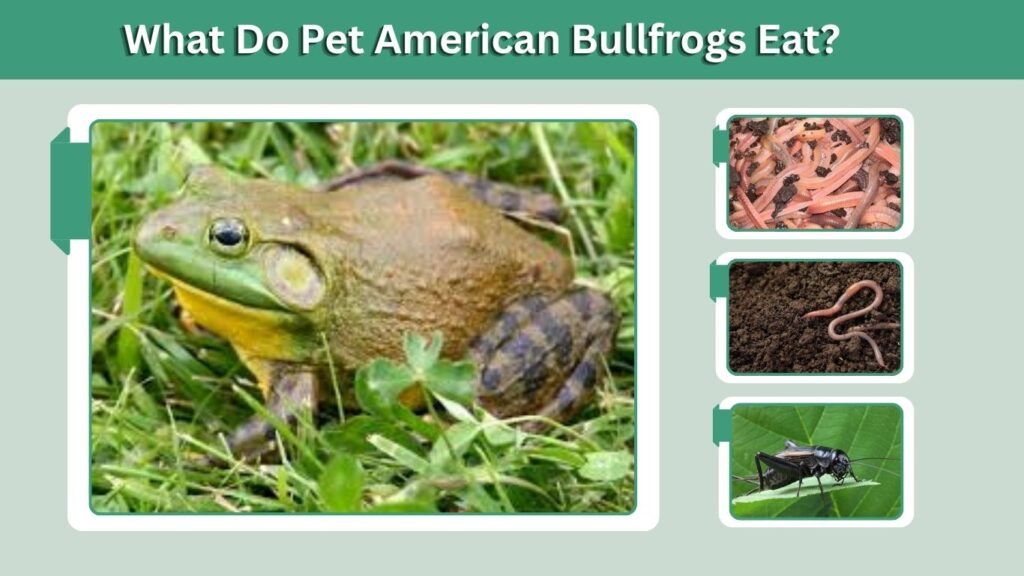
American bullfrogs are carnivores. In the wild, they eat insects, crayfish, snails, small fish, smaller frogs, tadpoles, and sometimes even small birds or other small animals. In captivity, they should be fed safe, appropriately sized prey.
Good feeder foods include:
- Crickets
- Earthworms
- Nightcrawlers
- Dubia roaches where legal
- Small feeder insects
- Occasional appropriately sized aquatic prey
Avoid wild-caught insects from areas treated with pesticides. Also avoid feeding prey that is too large, because large prey can cause choking, injury, or digestive problems.
How Often Should You Feed One?
Young bullfrogs usually eat more often than adults. Adults may eat every few days, depending on size, temperature, and body condition. Do not overfeed, because captive frogs can become overweight when they get too much food and too little exercise.
Handling an American Bullfrog
American bullfrogs should be handled as little as possible. Their skin is delicate, and they can be injured if they jump from your hands. Handling can also stress the frog.
When handling is necessary, wash and rinse your hands very well, or use wet, powder-free gloves. Keep the frog low over a soft surface so it cannot fall far. Never squeeze the body.
Lifespan and Long-Term Care
American bullfrogs are not short-term pets. BioKIDS reports that bullfrogs commonly live around 7 to 9 years in the wild, with a captivity record of 16 years. This means a pet bullfrog can be a long commitment.
Owners should plan for years of feeding, cleaning, water changes, and possible vet care. A bullfrog is not a good choice for someone who only wants a temporary pet.
Never Release a Pet Bullfrog
Never release an American bullfrog into the wild. Released bullfrogs can survive, reproduce, and harm native wildlife in areas where they do not belong. USGS research notes that invasive American bullfrogs affect native amphibians in places such as the Pacific Northwest.
If you can no longer keep a bullfrog, contact a local reptile/amphibian rescue, wildlife agency, exotic vet, or legal pet rehoming group. Releasing it into a pond, canal, park, or wetland is not responsible.
Common Health Problems
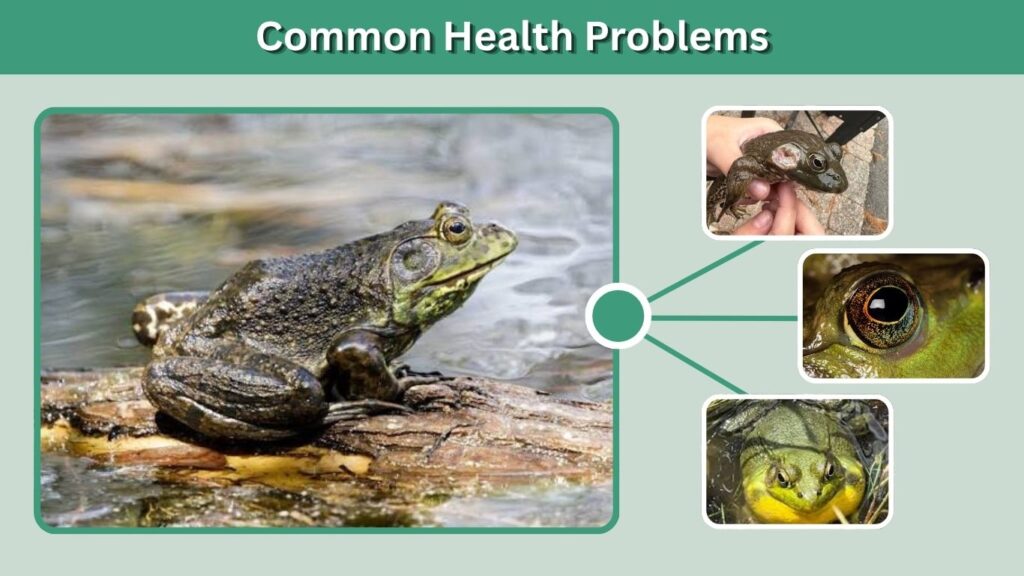
Good husbandry prevents many bullfrog health problems. Exotic Pet Vet notes that quarantine is important before adding bullfrogs to an established collection. New frogs should be watched for poor appetite, skin changes, unusual floating, weakness, swelling, or breathing problems.
Warning signs include:
- Not eating
- Weight loss
- Red or damaged skin
- Swollen body
- Cloudy eyes
- Weak movement
- Floating strangely
- Trouble diving
- Open-mouth breathing
A sick bullfrog should be seen by an exotic animal veterinarian.
FAQs
Can you keep an American bullfrog as a pet?
You can keep an American bullfrog as a pet only where it is legal. Some places ban possession because bullfrogs are invasive. Always check local laws before buying or catching one.
Are American bullfrogs good beginner pets?
Usually, no. They need a large aquatic setup, clean water, live food, and minimal handling. They are better for experienced amphibian keepers.
What do American bullfrogs eat as pets?
Pet American bullfrogs eat live prey such as crickets, earthworms, nightcrawlers, and other safe feeder insects. Food should be the right size for the frog.
Do American bullfrogs like being held?
No. American bullfrogs do not enjoy handling. Too much handling can stress them and may harm their sensitive skin.
Is it okay to release a pet American bullfrog?
No. Never release a pet bullfrog. In non-native areas, released bullfrogs can become invasive, eat native wildlife, compete with native frogs, and spread disease.
