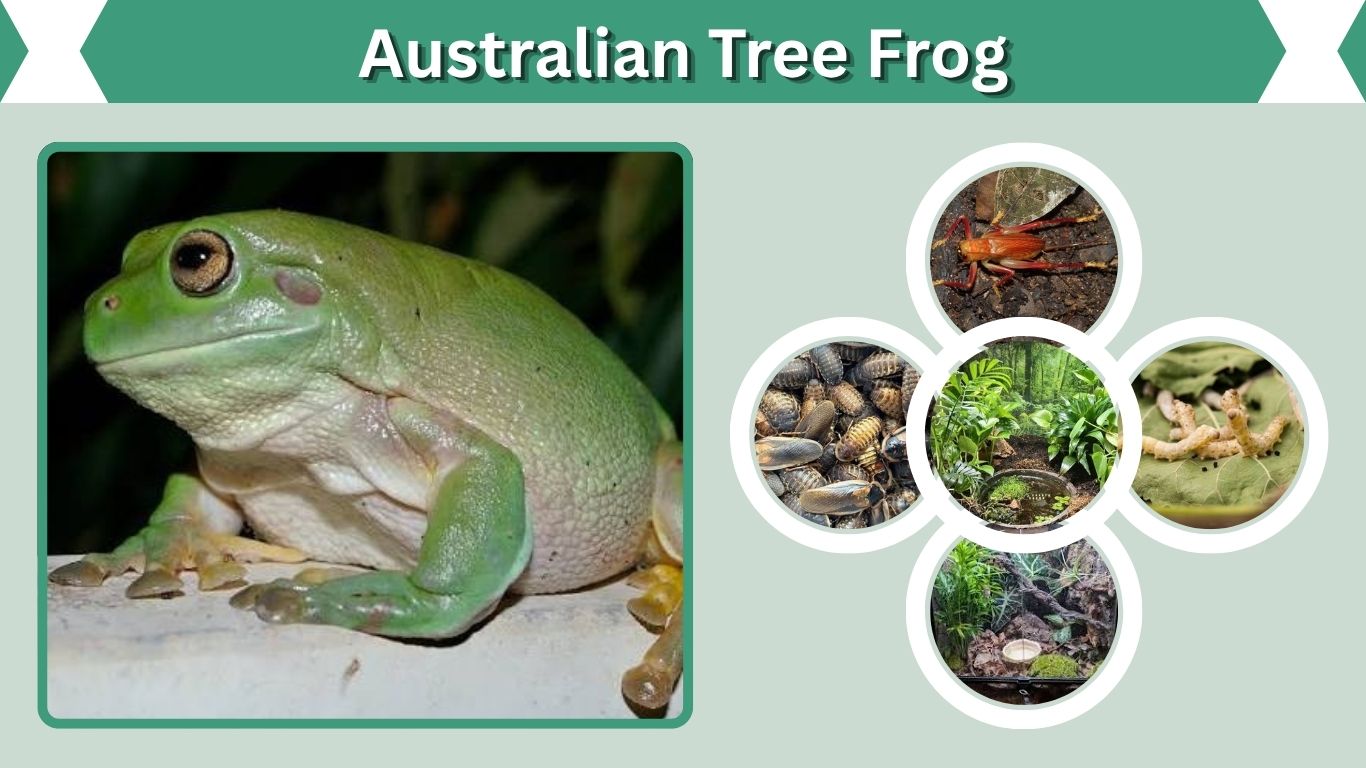
The Australian tree frog is one of the most recognizable amphibians in Australia, known for its bright green skin, large eyes, and excellent climbing abilities. Also called White’s tree frog or the dumpy tree frog, this fascinating species is popular among amphibian enthusiasts and pet owners. Australian tree frogs are generally hardy, adaptable animals that can survive in various environments. Understanding their habitat, diet, size, lifespan, and care requirements is essential for anyone interested in these creatures. This guide explores their characteristics, behavior, and proper care.
What Is an Australian Tree Frog?
The Australian tree frog commonly refers to the Australian green tree frog (Litoria caerulea), also known as White’s tree frog. Some classifications use the scientific name Ranoidea caerulea. It belongs to a group of climbing amphibians native to Australia and nearby regions, including New Guinea.
White’s Australian Tree Frog
White’s tree frog is famous for its rounded body, smooth skin, and friendly-looking facial expression. It is sometimes called the dumpy tree frog because mature individuals can develop a plump appearance.
Despite its name, White’s tree frog is usually green rather than white. Its name honors naturalist John White, who helped document the species.
Other Australian Tree Frog Species
Australia supports numerous tree frog species, including the magnificent tree frog, red-eyed tree frog, white-lipped tree frog, and several smaller brown and green species.
These frogs differ in coloration, body size, habitat preferences, and sounds. Therefore, the term Australian tree frog does not describe just one species.
Australian Tree Frog Identification and Colors
Australian green tree frogs have distinctive physical characteristics that make them relatively easy to recognize. Their smooth bodies, large eyes, and rounded toe pads help distinguish them from many other amphibians. However, their coloration can vary between individuals and environmental conditions.
Physical Identification
Common Australian green tree frog characteristics include:
- Body color: Bright green, olive green, or blue-green.
- Eyes: Large, prominent eyes with golden irises.
- Skin: Smooth, sometimes featuring small white spots.
- Body shape: Broad head and rounded, sturdy body.
- Toe pads: Large, adhesive discs for climbing.
- Underside: Usually white or cream-colored.
Blue Australian Tree Frog
A blue Australian tree frog is an unusual color variation rather than necessarily a separate species. Rare genetic changes affecting yellow pigmentation can make normally green frogs appear blue.
Some captive-bred White’s tree frogs also display bluish coloration. Blue-eyed Australian tree frogs are selectively bred varieties distinguished by their unusual eye color.
Brown Australian Tree Frog
Australian green tree frogs can sometimes appear olive, grayish-green, or brownish depending on lighting and environmental conditions.
However, several other Australian tree frog species naturally have brown coloring. Color alone is not always sufficient for accurate species identification.
Australian Tree Frog Habitat and Distribution
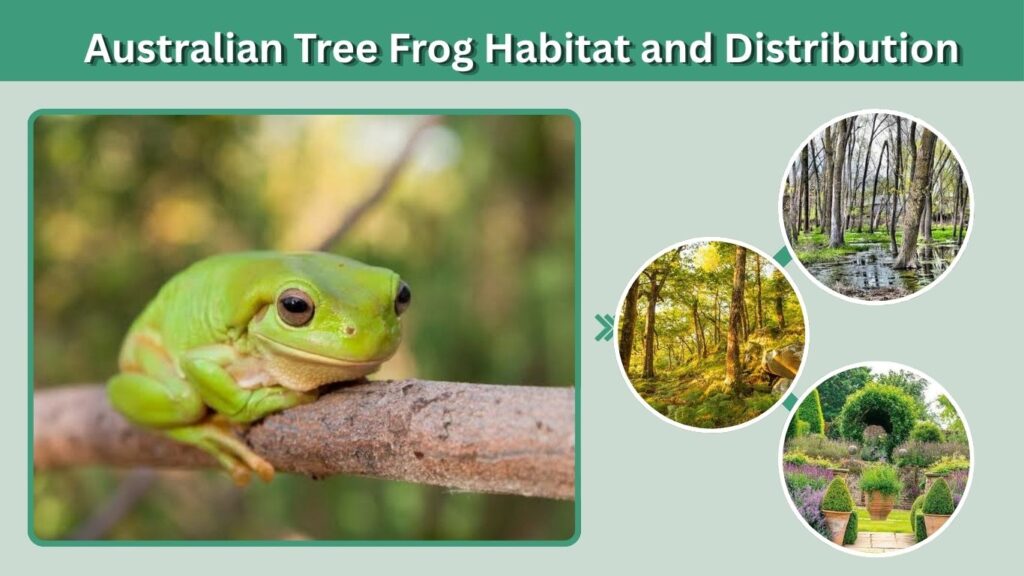
Australian tree frogs occupy diverse environments, ranging from woodlands and wetlands to suburban gardens. Their ability to adapt to different conditions helps explain why some species frequently appear around houses, outdoor lighting, and garden ponds.
Where Do Australian Tree Frogs Live?
Australian green tree frogs occur across northern and eastern Australia, including Queensland, New South Wales, and parts of Western Australia, the Northern Territory, and South Australia.
They commonly inhabit woodlands, swamps, gardens, and areas near water. They also shelter inside tree hollows, beneath bark, and around buildings where moisture is available.
Natural Behavior
Australian green tree frogs are primarily nocturnal. During daylight hours, they usually remain hidden in protected locations to conserve moisture and avoid predators.
At night, they emerge to hunt insects and explore their surroundings. Their specialized toe pads allow them to climb branches, walls, and even smooth surfaces.
Australian Tree Frog Size and Lifespan
Australian green tree frogs are among the larger Australian tree frog species. Their size depends on age, sex, and individual development. Females are generally larger than males, while captive frogs may develop heavier bodies when overfed.
How Big Does an Australian Tree Frog Get?
Adult Australian green tree frogs commonly reach approximately 7–11 centimeters (2.8–4.3 inches) in body length.
Large females can reach around 11 centimeters or slightly more. However, the white-lipped tree frog can grow even larger and is among the biggest tree frogs found in Australia.
Australian Tree Frog Lifespan
In captivity, White’s tree frogs commonly live around 10–16 years with appropriate care. Some individuals can survive longer.
Wild frogs generally face greater challenges, including predators, environmental changes, and limited food availability.
Clean water, suitable temperatures, balanced nutrition, and preventive veterinary care help support a longer lifespan.
Australian Tree Frog Care Guide
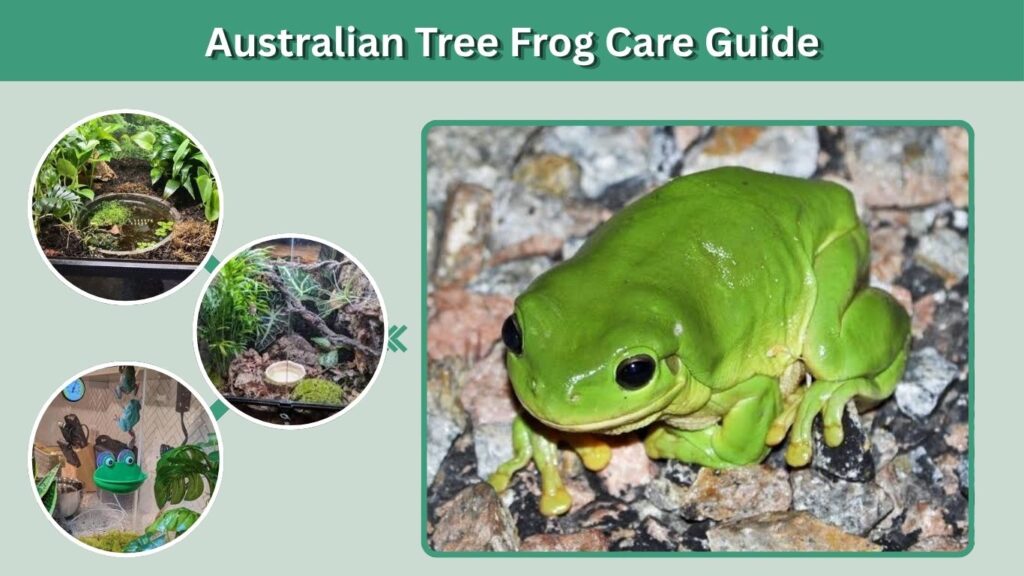
Australian green tree frogs are popular pets because of their relatively calm behavior and adaptability. However, successful Australian tree frog care requires more than simply providing food and water. A properly maintained enclosure is essential for maintaining health.
Australian Tree Frog Tank and Enclosure
A vertically oriented terrarium is recommended because these frogs naturally climb and rest above ground level.
A suitable enclosure should include:
- Tank size: Approximately 20 gallons or larger for one adult, preferably tall.
- Climbing branches: Strong branches and elevated resting areas.
- Plants: Live or artificial foliage for shelter.
- Substrate: Coconut fiber or another amphibian-safe material.
- Water dish: Shallow, clean, dechlorinated water.
- Secure lid: An escape-proof, well-ventilated cover.
Temperature and Humidity
Australian green tree frogs require warm temperatures and moderate humidity.
Daytime temperatures of approximately 24–27°C (75–81°F) are suitable for much of the enclosure, with a slightly warmer area around 28–29°C (82–84°F).
Humidity around 50–70% generally works well when accompanied by adequate ventilation and periods of drying between mistings. Avoid constantly wet conditions because they can encourage skin infections.
Lighting and Cleaning
Provide a consistent day-and-night lighting cycle. Low-output UVB lighting can help support normal calcium metabolism when installed correctly.
Clean the water bowl daily and remove waste promptly. Handling should be limited because amphibian skin readily absorbs chemicals and other contaminants.
Australian Tree Frog Diet and Feeding
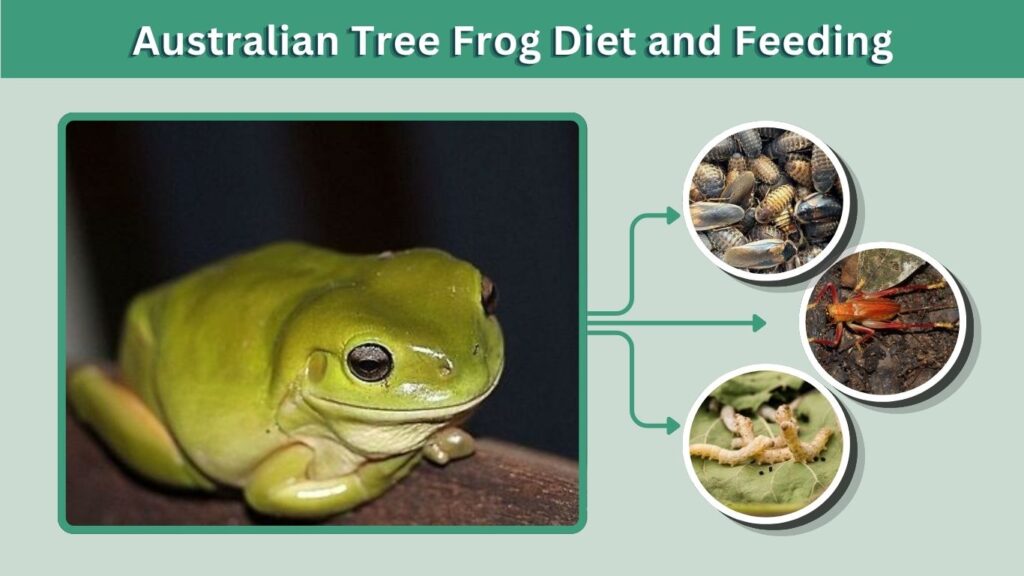
Australian tree frogs are primarily insectivorous predators. In the wild, they consume many small animals they can capture and swallow. Their powerful jaws and broad mouths allow them to eat a surprisingly varied diet.
What Do Australian Tree Frogs Eat?
Common foods for captive Australian green tree frogs include:
- Appropriately sized crickets
- Captive-bred feeder cockroaches
- Small earthworms or nightcrawlers
- Silkworms and suitable insect larvae
- Occasional mealworms or waxworms
Feeder insects should be gut-loaded and supplemented with calcium and vitamins according to amphibian veterinary guidance.
How Often Should You Feed an Australian Tree Frog?
Young Australian tree frogs usually require feeding daily because they are growing rapidly.
Healthy adults generally need feeding every two or three days, depending on body condition, activity, and portion size.
Overfeeding can lead to obesity, particularly in dumpy tree frogs. Avoid offering wild-caught insects because they may contain pesticides or parasites.
Australian Tree Frog Sounds and Calls
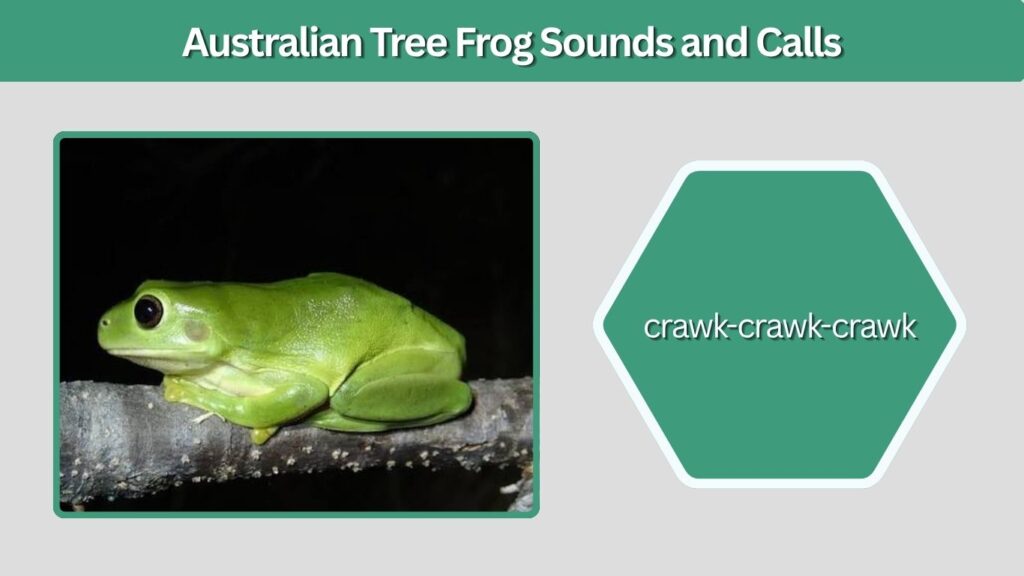
Australian green tree frogs produce recognizable vocalizations, especially during the warmer, wetter breeding season. Their calls help males communicate with females and establish their presence around suitable breeding locations.
What Does an Australian Tree Frog Sound Like?
The Australian green tree frog produces a deep, repetitive croaking or barking sound, often described as “crawk-crawk-crawk.”
Males typically become more vocal after rainfall and during humid weather.
Their calls can be surprisingly loud, making them noticeable around gardens, ponds, and residential buildings.
Breeding and Reproduction
Breeding generally occurs during warmer months when rainfall creates suitable water sources.
Females lay eggs in water, where they eventually hatch into tadpoles. The tadpoles develop through metamorphosis before becoming small frogs capable of living on land.
Australian Tree Frogs as Pets: Price and Availability
White’s tree frogs are popular among amphibian keepers because they are relatively adaptable and interesting to observe. Nevertheless, responsible ownership requires suitable housing, regular feeding, ongoing maintenance, and an understanding of amphibian health.
Are Australian Tree Frogs Good Pets?
Australian green tree frogs can make good observation pets for responsible keepers. They generally tolerate captivity well when their environmental requirements are met.
However, they should not be handled frequently. Their sensitive skin can be harmed by oils, soap residue, and other chemicals on human hands.
Australian Tree Frog for Sale and Cost
Australian tree frog prices vary depending on the country, breeder, age, color variation, and availability.
Unusual blue or blue-eyed varieties may cost more than standard green individuals. Enclosure equipment, food, heating, and veterinary expenses also contribute to the overall cost.
Always purchase legally sourced, captive-bred frogs. In Australia, native amphibians are protected, and ownership or breeding may require permits depending on local regulations.
FAQs
1. Is an Australian Tree Frog Poisonous?
Australian green tree frogs produce protective skin secretions, but they are not generally considered highly poisonous to humans. Their secretions may cause irritation, particularly around sensitive tissues. Wash your hands after contact and avoid unnecessary handling.
2. Why Is the Australian Tree Frog Called Dumpy?
The name dumpy tree frog refers to its broad body and rounded appearance. Adult White’s tree frogs can develop a noticeably plump shape, particularly when overfed. Despite the nickname, excessive body fat is unhealthy.
3. Can Australian Tree Frogs Change Color?
Yes. Australian green tree frogs can vary from bright green to dull green, olive, or brownish shades. Environmental conditions, activity, and individual differences influence their appearance. Rare blue individuals may also occur because of pigment variations.
4. Do Australian Tree Frogs Eat Snakes?
Large Australian green tree frogs occasionally consume small snakes. They are opportunistic predators capable of swallowing various small animals. However, insects and other invertebrates make up most of their usual diet.
5. How Long Do Australian Tree Frogs Live as Pets?
White’s tree frogs commonly live approximately 10–16 years in captivity, sometimes longer. Proper enclosure temperatures, balanced insect nutrition, clean water, and careful health monitoring are important for achieving a long lifespan.
