
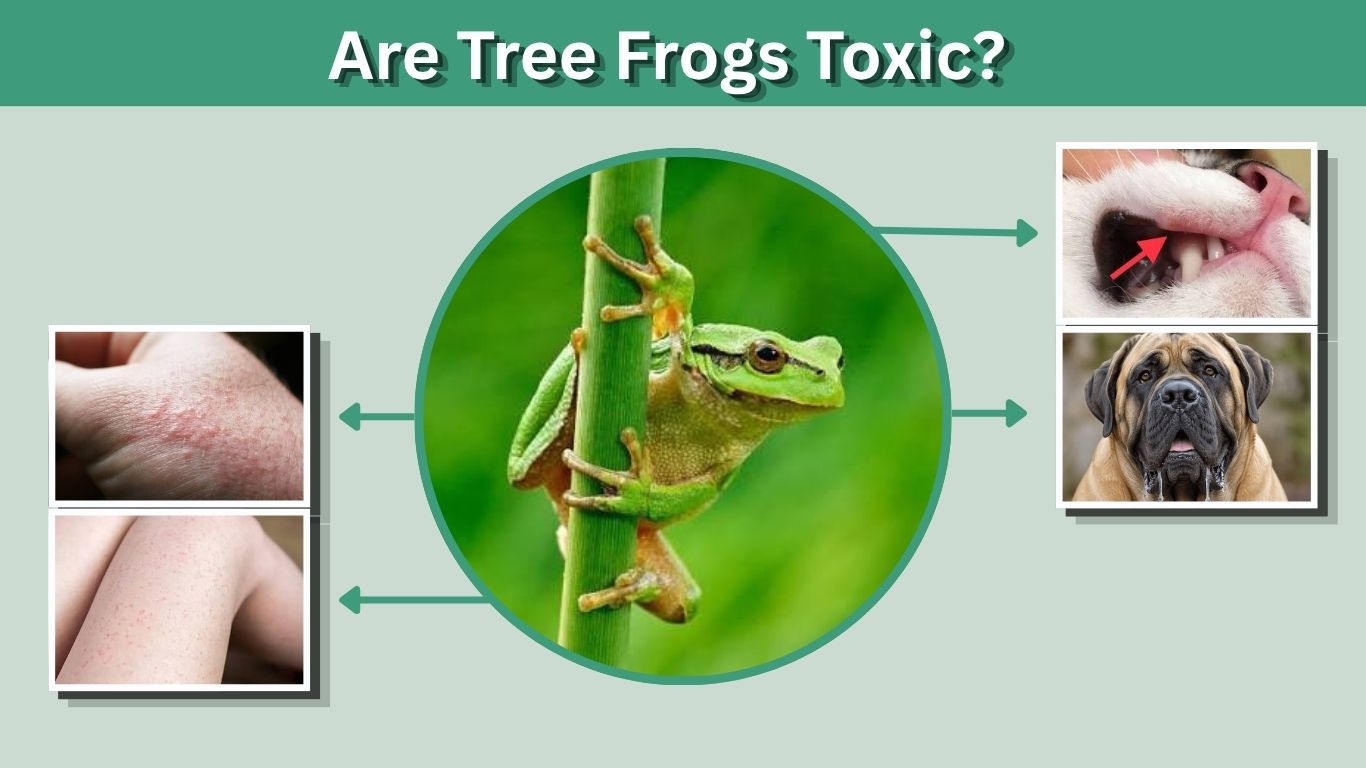
Tree frogs are fascinating amphibians commonly found in gardens, forests, wetlands, and residential areas. Their bright colors, sticky toe pads, and unique climbing abilities make them interesting creatures. However, many people wonder, are tree frogs toxic to humans, dogs, and cats? The answer depends on the species. Most common tree frogs are not dangerously poisonous, but some produce skin secretions that can cause irritation or other health problems. This guide explains tree frog toxicity, potential dangers to pets, poisonous species, and essential safety precautions.
Are Tree Frogs Toxic or Poisonous?
Yes, some tree frogs are toxic, but their toxicity varies considerably between species. Many tree frogs produce defensive skin secretions that discourage predators. Most commonly encountered species pose relatively little danger to humans through ordinary contact, although their secretions should never be swallowed or allowed into the eyes.
Understanding Tree Frog Toxicity
Tree frogs possess specialized skin glands that release mucus and other substances. Some of these secretions contain chemicals that can irritate a predator’s mouth or discourage it from eating the frog.
For humans, touching a common tree frog briefly does not usually cause serious poisoning. However, irritation may occur, especially if secretions reach sensitive areas.
Are Tree Frogs Poisonous or Venomous?
Poisonous and venomous animals deliver toxins differently.
Poisonous animals can cause harm when their toxins are swallowed, absorbed, or otherwise contacted. Venomous animals actively deliver toxins through structures such as fangs or spines.
Most tree frogs rely on defensive skin secretions rather than venom injection. However, scientists have identified rare frog species capable of delivering venom through specialized head spines.
Why Do Tree Frogs Produce Toxic Secretions?
Tree frogs face numerous predators, including snakes, birds, mammals, and larger amphibians. Their skin secretions help protect them from these threats. Although camouflage and escaping predators remain important defenses, chemical protection can make certain species unpleasant or dangerous to eat.
Natural Defense Against Predators
When threatened, some tree frogs release irritating or foul-tasting substances from their skin. These secretions may discourage predators from swallowing them.
The strength of this defense differs by species. Some produce relatively mild secretions, while others possess chemicals capable of causing stronger reactions.
Protection Through Skin Secretions
Tree frog skin also produces mucus that helps maintain moisture and supports normal skin function.
Because amphibians have highly permeable skin, they are sensitive to substances on human hands, including lotions, soap residue, and pesticides. Avoiding unnecessary handling helps protect both people and frogs.
Are Cuban Tree Frogs Toxic?
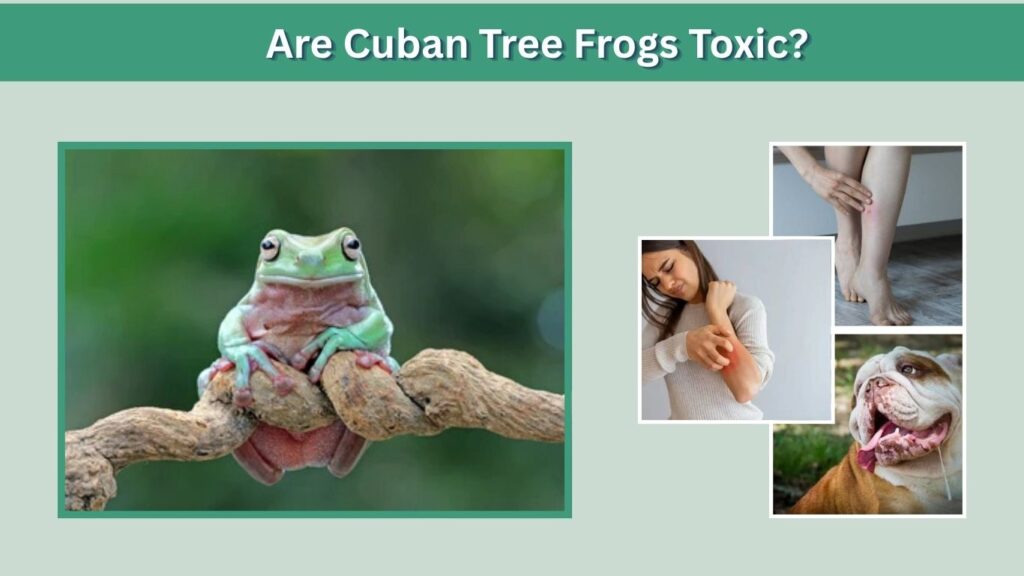
Cuban tree frogs (Osteopilus septentrionalis) are among the more irritating tree frog species commonly encountered around homes in Florida. They produce sticky, toxic skin secretions that can affect humans and pets, particularly when the frogs are handled, bitten, or swallowed.
How Toxic Are Cuban Tree Frogs?
Cuban tree frog secretions can cause burning and itching when they contact the eyes, nose, or other sensitive tissues.
According to the University of Florida, these secretions can also irritate the mouths of dogs and cats, sometimes causing excessive drooling. Severe reactions have occasionally been reported, although fatal poisoning from Cuban tree frogs is not typical.
Are Cuban Tree Frogs Toxic to Dogs?
Yes. Dogs that lick or bite Cuban tree frogs may experience oral irritation, drooling, and discomfort.
If a dog swallows one, additional risks may arise from the frog itself or organisms it carries. Veterinary advice is recommended whenever concerning symptoms develop.
Are Tree Frogs Toxic to Dogs and Cats?
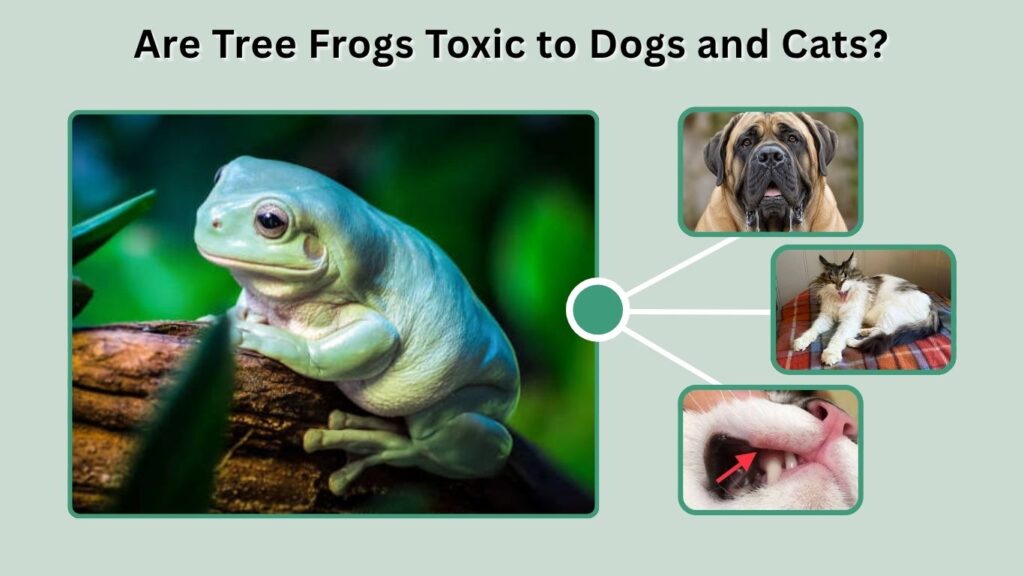
Tree frogs can cause problems for household pets, especially when dogs or cats attempt to catch or eat them. The severity depends on the frog species, the amount of exposure, and the animal’s individual sensitivity.
Are Tree Frogs Toxic to Dogs?
Most common tree frogs are not associated with severe poisoning in dogs, but they should never be considered completely harmless.
Possible warning signs after exposure include:
- Excessive drooling or foamy saliva
- Pawing at the mouth
- Vomiting or repeated retching
- Mouth irritation or discomfort
- Unusual weakness or behavior
Serious symptoms require immediate veterinary attention.
Are Tree Frogs Toxic to Cats?
Cats can also experience reactions after biting or swallowing tree frogs.
Their symptoms may include drooling, mouth irritation, or gastrointestinal discomfort. Because cats frequently hunt small animals, owners should prevent encounters whenever possible.
If your cat catches an unidentified frog, contact a veterinarian rather than assuming the species is harmless.
Are Green Tree Frogs and White’s Tree Frogs Toxic?
Not all green-colored tree frogs belong to the same species. The American green tree frog and Australian green tree frog, also known as White’s tree frog, are different animals with different natural histories.
Are American Green Tree Frogs Toxic?
American green tree frogs (Dryophytes cinereus) are generally considered low-risk to humans.
They are not known for dangerous poisoning through normal skin contact. Nevertheless, unnecessary handling should be avoided, and pets should not be allowed to eat them.
Are White’s Tree Frogs Toxic?
White’s tree frogs (Litoria caerulea) are popular amphibian pets and generally present a low public-health risk when proper hygiene is practiced.
Their skin produces protective secretions, but they are not regarded as highly poisonous frogs.
Owners should still wash their hands after handling them and prevent contact between these frogs and other household pets.
Are Tree Frogs Dangerous to Humans?
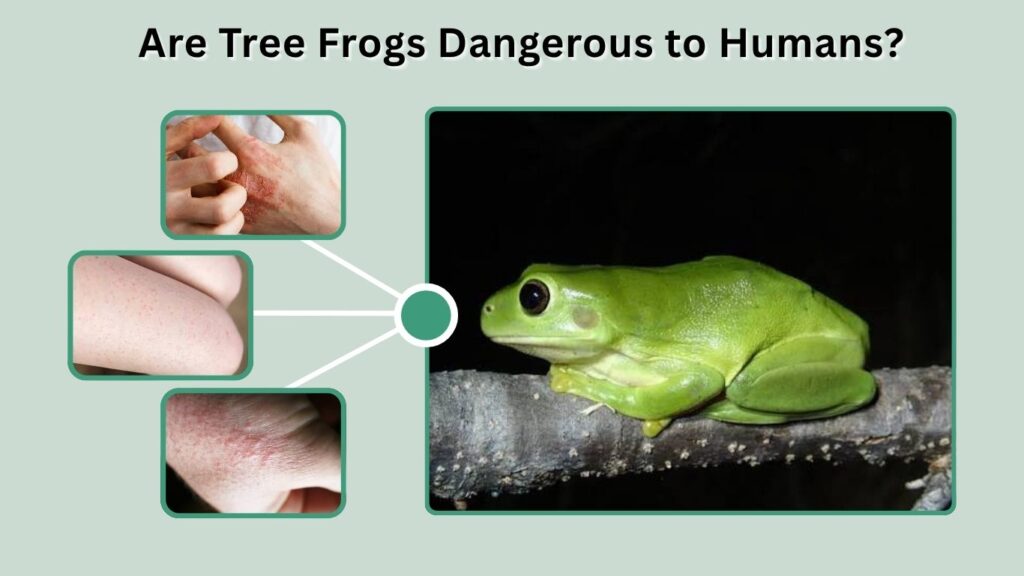
Most common tree frogs pose little direct danger to healthy adults when left undisturbed. However, their skin secretions can cause irritation, and handling amphibians introduces hygiene concerns.
Can Touching a Tree Frog Make You Sick?
Touching a tree frog does not automatically cause poisoning. Nevertheless, people should avoid rubbing their eyes or touching their mouths after handling one.
Frogs may also carry Salmonella bacteria even when they appear completely healthy. The CDC recommends washing hands thoroughly after contact with amphibians or their environments.
Can Tree Frogs Cause Allergic Reactions?
Some people may experience itching, redness, or irritation following contact with frog secretions.
Cuban tree frogs are especially concerning because their mucus can provoke strong eye irritation and sometimes allergic or asthma-related reactions.
Are Tree Frogs Toxic to Snakes and Other Reptiles?
Snakes and other reptiles naturally eat many frog species. However, this does not mean every tree frog is safe for them to consume.
Can Snakes Eat Tree Frogs Safely?
Some snakes are adapted to eating frogs, but toxic skin secretions can make certain species unsuitable prey.
The effects of eating a Cuban tree frog or White’s tree frog depend on the reptile species and the circumstances of exposure. Reliable safety information is limited for many predator-prey combinations.
Pet snakes and other reptiles should never be fed unidentified wild frogs because of possible toxins, parasites, and infections.
What Should You Do After Tree Frog Exposure?
Accidental encounters are common around gardens, porches, and outdoor lighting. Taking appropriate precautions can help reduce the risk of irritation or illness.
Safety Steps for Humans
If you accidentally touch a tree frog:
- Wash your hands thoroughly using soap and running water.
- Avoid touching your eyes, nose, or mouth before washing.
- Rinse affected skin with clean water if irritation occurs.
- Flush exposed eyes gently with clean water.
- Seek medical advice if significant or persistent symptoms develop.
What If Your Dog or Cat Eats a Tree Frog?
Separate your pet from the frog immediately and contact a veterinarian or animal poison-control service.
For an alert animal, gently wiping visible secretions from the mouth with a damp cloth may help. Do not force water into its mouth or induce vomiting.
Difficulty breathing, seizures, collapse, or severe weakness are emergencies. In regions with dangerous toads, an unidentified amphibian encounter should be treated particularly seriously.
How to Prevent Tree Frog Poisoning
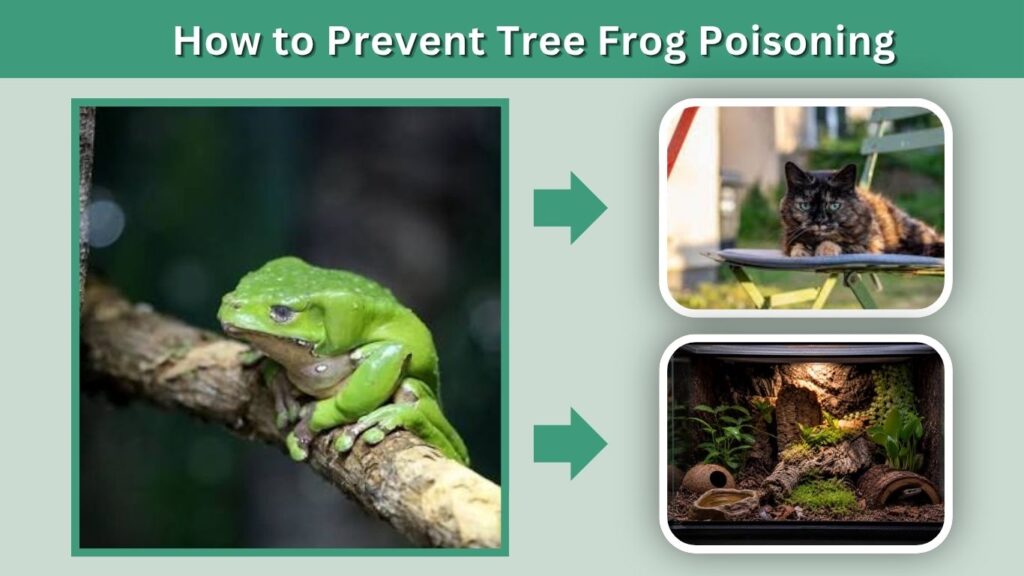
Preventing unnecessary contact is the simplest way to reduce exposure. Tree frogs benefit gardens by feeding on insects, so avoiding them is generally preferable to harming them.
Practical Prevention Tips
- Supervise dogs and cats in gardens at night.
- Avoid handling unidentified frogs with bare hands.
- Teach children not to kiss or place frogs near their mouths.
- Keep pet amphibians in secure enclosures.
- Reduce outdoor lighting that attracts insects and frogs near entrances.
- Wash hands after cleaning amphibian habitats.
These precautions protect people, pets, and local amphibian populations.
FAQs
1. Are All Tree Frogs Toxic?
No. Tree frog species vary considerably in the potency of their skin secretions. Some produce substances that cause noticeable irritation, while many common species pose little risk through ordinary contact. Identifying the species is important when evaluating potential toxicity.
2. Are Tree Frogs Toxic to Dogs if Licked?
Some tree frogs can irritate a dog’s mouth if licked. Cuban tree frogs are a documented example. If your dog develops excessive drooling, vomiting, or unusual behavior after contact, seek veterinary advice.
3. Are Green Tree Frogs Toxic to Cats?
American green tree frogs are generally considered low-risk, but cats should not be allowed to bite or swallow them. Exposure can introduce irritation, parasites, or other health concerns.
4. Are Many Brightly Colored Tree Frogs Toxic: True or False?
Partly true. Bright coloration can signal chemical defenses in some amphibians, including poison dart frogs. However, not every colorful tree frog is toxic, and some strongly irritating species have relatively ordinary coloring. Color alone cannot reliably establish toxicity.
5. Can Tree Frogs Kill Humans?
Fatal poisoning from commonly encountered tree frogs is extremely unlikely through normal contact. However, certain amphibians have potent defensive chemicals, and swallowing unidentified frogs can be dangerous. Avoid direct exposure and seek medical assistance if serious symptoms appear.
