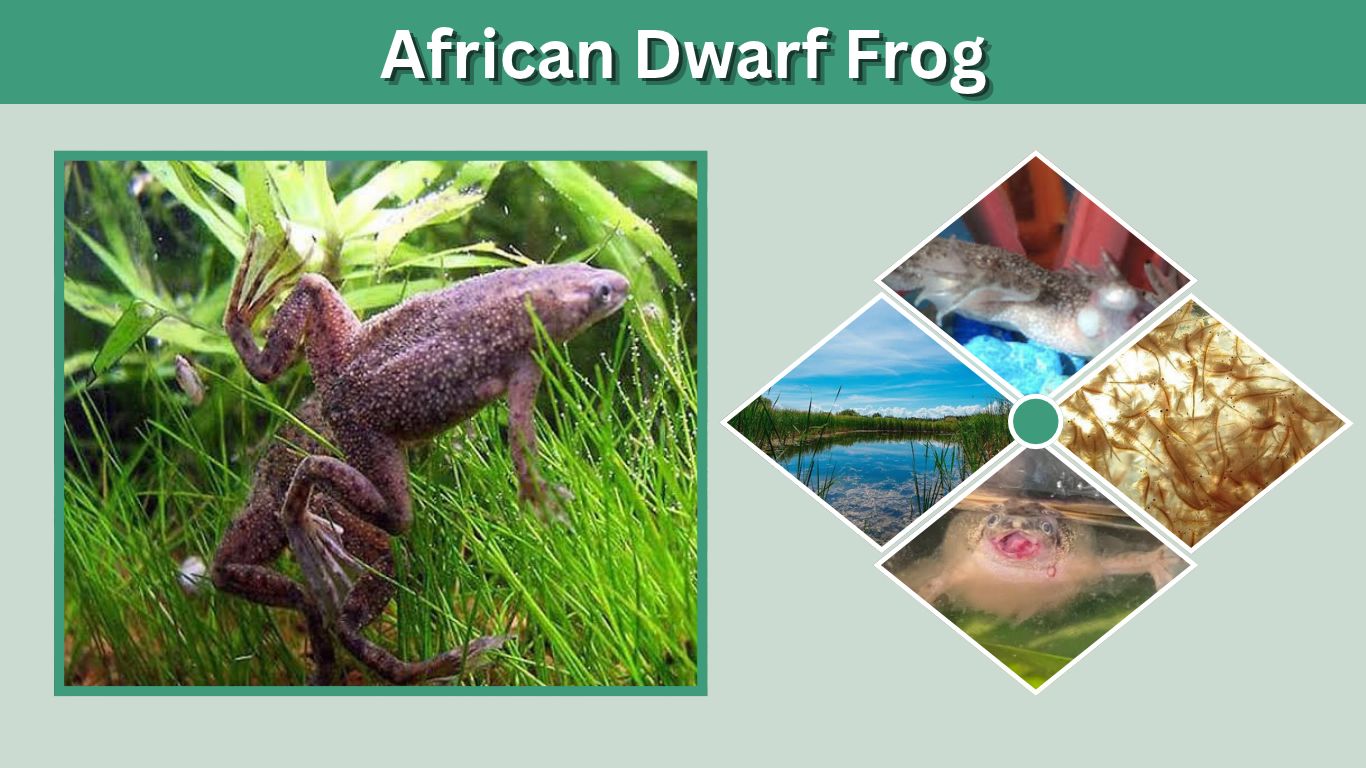
African dwarf frogs are small, fully aquatic amphibians that are popular among freshwater aquarium enthusiasts. Known for their webbed feet, peaceful behavior, and unusual swimming movements, these frogs can be fascinating pets. Unlike many other frogs, they spend their entire lives underwater, although they must occasionally swim to the surface to breathe air.
African dwarf frogs belong to the genus Hymenochirus and are native to parts of tropical Africa. They require clean water, suitable temperatures, a nutritious diet, and plenty of hiding places. Understanding their natural behavior and care requirements is essential for keeping them healthy in captivity.
What Is an African Dwarf Frog?
The African dwarf frog is a small aquatic amphibian belonging to the family Pipidae. Commonly kept species include Hymenochirus boettgeri and Hymenochirus curtipes.
These frogs are adapted to living underwater. Their streamlined bodies and webbed feet allow them to swim efficiently, while their sensitive skin helps them interact with their aquatic environment.
Despite spending their lives in water, African dwarf frogs have lungs rather than gills. They regularly swim to the surface to take quick breaths before returning underwater.
African Dwarf Frog Quick Facts
| Feature | Description |
| Common name | African dwarf frog |
| Scientific name | Hymenochirus spp. |
| Family | Pipidae |
| Origin | Tropical Africa |
| Adult size | Approximately 1.5–2 inches |
| Lifespan | Commonly 5–7 years |
| Diet | Carnivorous |
| Habitat | Freshwater |
| Water temperature | Approximately 72–78°F |
| Temperament | Generally peaceful |
What Does an African Dwarf Frog Look Like?
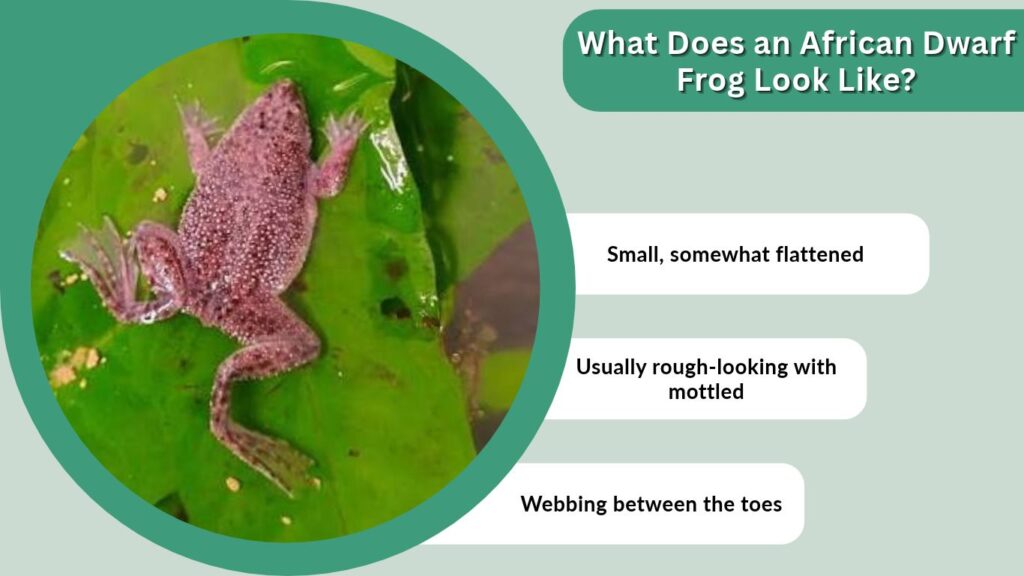
African dwarf frogs have small, flattened bodies with brown, olive, or grayish coloration. Dark spots and mottled patterns help them blend into their surroundings.
Their appearance includes several recognizable characteristics:
- Body: Small, somewhat flattened, and streamlined.
- Skin: Usually rough-looking with mottled coloration.
- Eyes: Small eyes positioned toward the sides of the head.
- Feet: Webbing between the toes of both front and back feet.
- Legs: Strong hind legs adapted for swimming.
- Head: A relatively small head with a pointed snout.
Adult females are often slightly larger and rounder than males, especially when carrying eggs.
African dwarf frogs are sometimes confused with young African clawed frogs. However, their smaller adult size and webbed front feet help distinguish them.
Where Do African Dwarf Frogs Live?
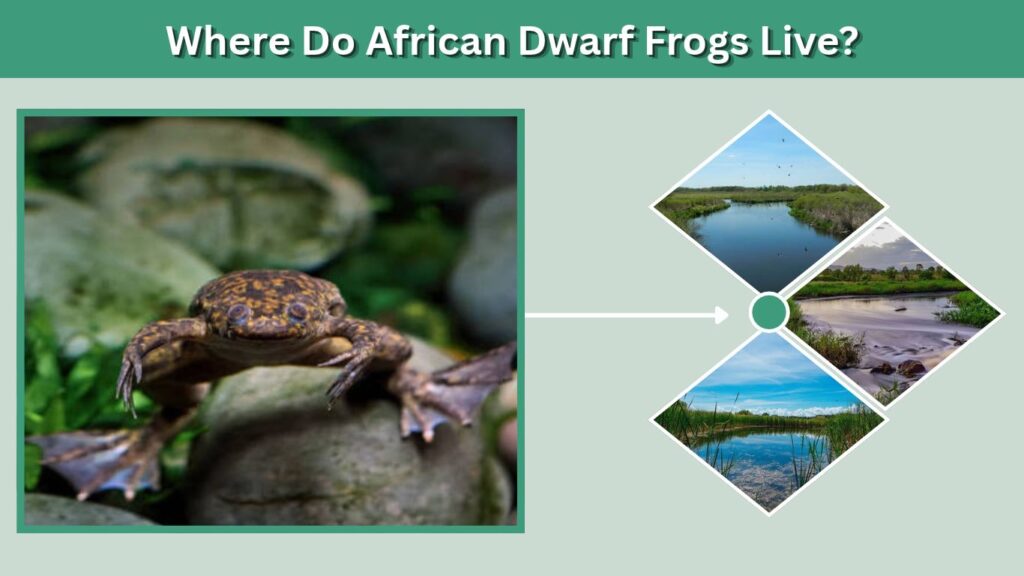
African dwarf frogs naturally inhabit freshwater environments in parts of Central and West Africa.
They are associated with slow-moving or relatively calm waters, including pools, wetlands, and vegetated freshwater habitats.
These environments provide shelter and access to small aquatic animals that serve as food.
Aquatic plants, submerged vegetation, and natural debris offer hiding places that protect frogs from predators.
In captivity, an aquarium should reproduce some of these conditions by providing calm water, accessible hiding places, and stable temperatures.
Because African dwarf frogs need atmospheric oxygen, they must always have unobstructed access to the water’s surface.
African Dwarf Frog Tank Setup
A properly maintained aquarium is essential for keeping African dwarf frogs healthy. Their delicate skin makes them particularly sensitive to unsuitable water conditions.
Tank Size
A 10-gallon aquarium is a practical starting point for a small group of African dwarf frogs, provided the number of frogs and available floor space are appropriate.
For larger groups, a tank of approximately 50 liters or more offers additional swimming space and helps maintain stable water quality.
Choose an aquarium with enough horizontal space for movement.
A secure lid is also important because frogs may accidentally escape through uncovered openings.
Water Temperature and Quality
African dwarf frogs generally do well in tropical freshwater temperatures around 72–78°F (22–26°C).
Maintain stable conditions using a suitable aquarium heater and thermometer when necessary.
Important water requirements include:
- Temperature: Approximately 72–78°F.
- pH: Approximately 6.5–7.8.
- Ammonia: 0 ppm.
- Nitrite: 0 ppm.
- Chlorine: Removed before adding water.
Use a properly established biological filter and test the water regularly.
Changing approximately 25% of the water weekly is a useful maintenance routine, although the exact amount depends on water testing and aquarium conditions.
Substrate and Decorations
Smooth sand or a bare-bottom setup can work well for African dwarf frogs.
Avoid small loose stones that could accidentally be swallowed while feeding.
Provide safe hiding places using aquarium plants, smooth caves, and decorations without sharp edges.
Plants near the surface may also provide convenient resting areas.
Filtration and Lighting
A gentle aquarium filter helps remove waste while maintaining water quality.
Avoid creating excessively strong currents because African dwarf frogs are not powerful swimmers.
Moderate aquarium lighting with a consistent day-and-night cycle is generally suitable.
What Do African Dwarf Frogs Eat?
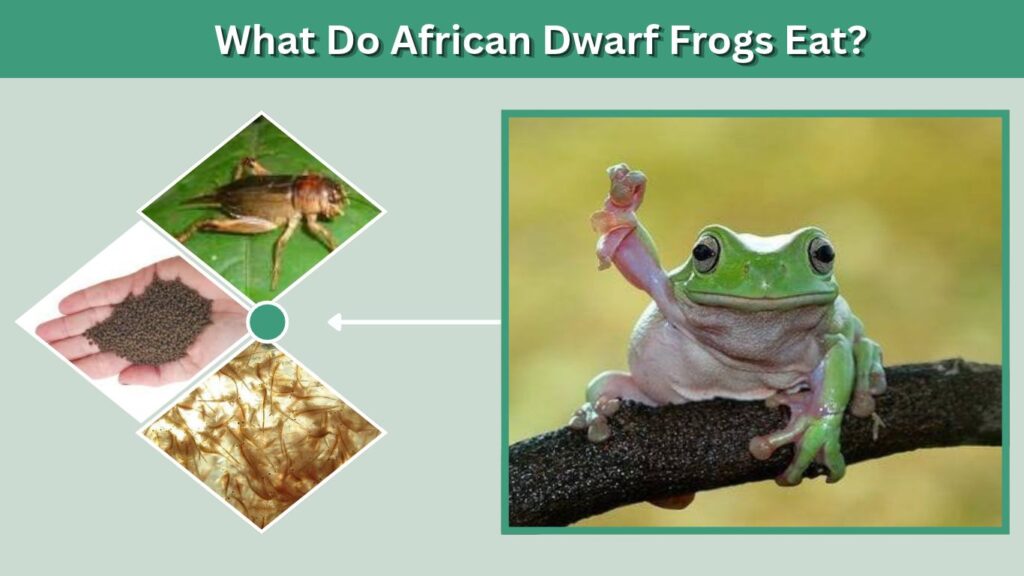
African dwarf frogs are carnivorous amphibians that consume small aquatic animals.
In the wild, they feed on suitable invertebrates and other small prey found in freshwater environments.
In captivity, they need a varied, nutritious diet.
Suitable foods include:
- Sinking pellets formulated for aquatic frogs.
- Frozen or live brine shrimp.
- Blackworms from reliable sources.
- Appropriately sized aquatic insect larvae.
- Frozen bloodworms as part of a varied diet.
- Small portions of suitable soft aquatic invertebrates.
A quality aquatic frog pellet can provide a balanced dietary foundation, while other foods add variety.
Avoid relying entirely on one food because nutritional imbalance can develop over time.
How Often Should You Feed African Dwarf Frogs?
A common starting approach is offering small meals once daily, adjusting the amount and frequency according to the frog’s age, condition, and activity.
Feed only what the frogs can consume within a few minutes.
African dwarf frogs may struggle to locate food, particularly when competing with faster fish.
Using feeding tongs or a pipette to place food nearby can help ensure they eat enough.
Remove leftover food promptly to prevent water pollution.
African Dwarf Frog Behavior and Temperament
African dwarf frogs are generally peaceful and spend much of their time resting, exploring, or searching for food.
They frequently remain near the aquarium bottom before swimming upward for air.
Some frogs float near the surface or rest among plants. These behaviors can be normal when the animal otherwise appears healthy.
African dwarf frogs are social animals and are generally better maintained with compatible members of their own species.
They may coexist with certain peaceful freshwater fish, but compatibility requires careful consideration.
Aggressive fish, large predators, and highly competitive feeders can cause stress or prevent frogs from receiving adequate nutrition.
A species-only aquarium is often easier to manage.
How Long Do African Dwarf Frogs Live?
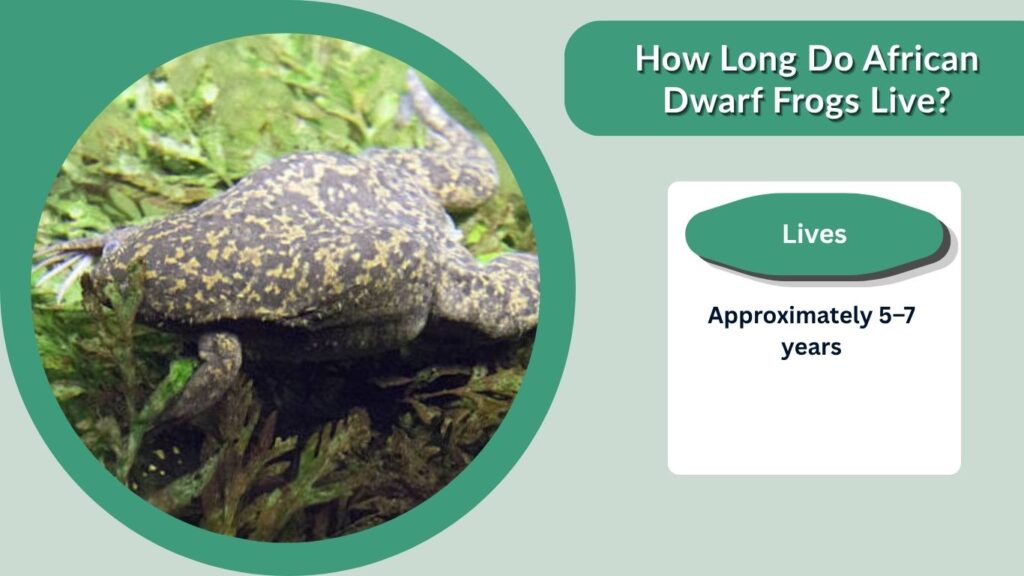
African dwarf frogs commonly live approximately 5–7 years, although individual lifespans vary with species, genetics, and husbandry.
Some frogs may live longer under favorable conditions.
Factors influencing lifespan include:
- Consistently clean water.
- Appropriate temperature.
- Balanced nutrition.
- Low stress levels.
- Suitable aquarium companions.
- Early attention to health problems.
Poor water quality, overcrowding, and inadequate feeding can shorten their lives.
Regular observation helps aquarium owners recognize changes before serious problems develop.
African Dwarf Frog Breeding and Life Cycle
African dwarf frogs reproduce by laying eggs in water.
During breeding, males may produce underwater calls to attract females.
The male clasps the female during mating, a behavior known as amplexus.
Females may deposit eggs near the water’s surface. Under suitable conditions, fertilized eggs develop into tadpoles.
The tadpoles initially require very small foods and careful water management.
As they develop, they gradually form legs, absorb their tails, and become miniature frogs.
Breeding successfully in captivity requires specialized care because eggs and newly hatched tadpoles are vulnerable to predation and unsuitable water conditions.
African Dwarf Frog vs. African Clawed Frog
Although these two aquatic frogs look similar when young, they are different animals with distinct care requirements.
| Feature | African Dwarf Frog | African Clawed Frog |
| Genus | Hymenochirus | Xenopus |
| Adult size | Usually around 1.5–2 inches | Often considerably larger |
| Front feet | Webbed | Not webbed |
| Eye position | Toward the sides | More toward the top |
| Temperament | Generally peaceful | More predatory |
| Small fish | May coexist with suitable species | May eat smaller fish |
African clawed frogs grow substantially larger and can consume animals small enough to fit into their mouths.
Correct identification is particularly important before introducing either species into a community aquarium.
Common African Dwarf Frog Health Problems
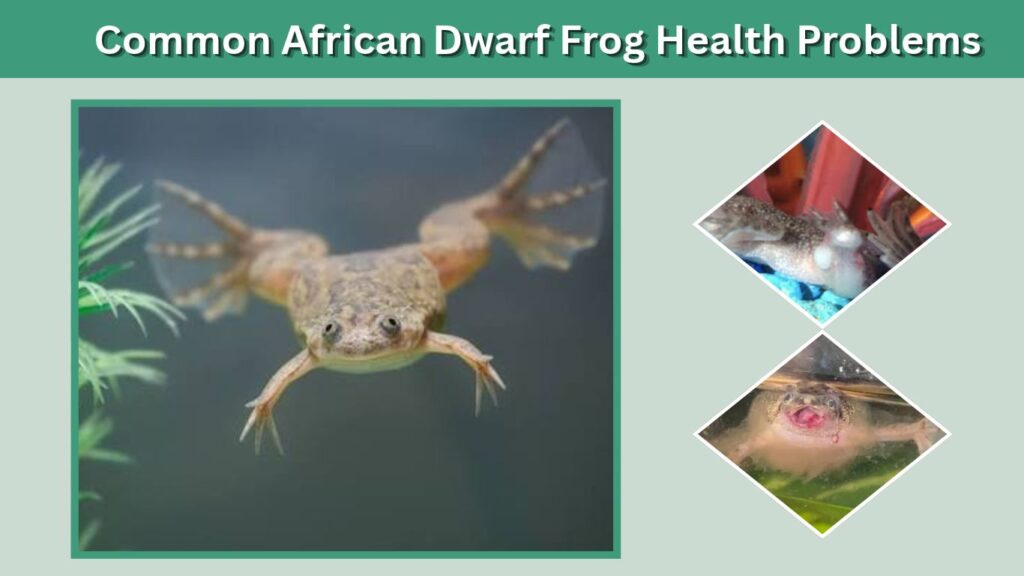
African dwarf frogs can develop health problems when their environment becomes unsuitable.
Some warning signs include:
- Unusual swelling or bloating.
- Persistent refusal to eat.
- White, cotton-like growths on the skin.
- Redness, sores, or other skin abnormalities.
- Difficulty swimming or reaching the surface.
- Unusual weakness or prolonged inactivity.
Occasional skin shedding can be normal. However, persistent abnormal skin changes may indicate illness.
If a frog shows concerning symptoms, check water quality immediately and contact a veterinarian experienced with amphibians.
Avoid using aquarium medications without professional guidance because some treatments contain ingredients harmful to frogs.
Handling should also be minimized to protect their sensitive skin.
FAQs
1. Do African dwarf frogs need land?
No. African dwarf frogs are fully aquatic and do not need a dry land area. However, they must reach the surface to breathe atmospheric air.
2. Can African dwarf frogs live with fish?
Yes, some peaceful freshwater fish can share an aquarium with African dwarf frogs. However, aggressive species and fish that compete heavily for food should be avoided. A species-only aquarium is often the safer option.
3. How big do African dwarf frogs get?
Most adult African dwarf frogs grow to approximately 1.5–2 inches long. Their exact size depends on the species, sex, and individual.
4. Do African dwarf frogs sleep underwater?
Yes. African dwarf frogs spend resting periods underwater, often near plants, decorations, or the aquarium bottom. They continue to surface for air as needed.
5. Are African dwarf frogs good pets for beginners?
African dwarf frogs can make rewarding aquarium pets, but they require more specialized attention than many beginners expect. Maintaining stable water conditions, providing appropriate food, and recognizing health problems are essential responsibilities.
