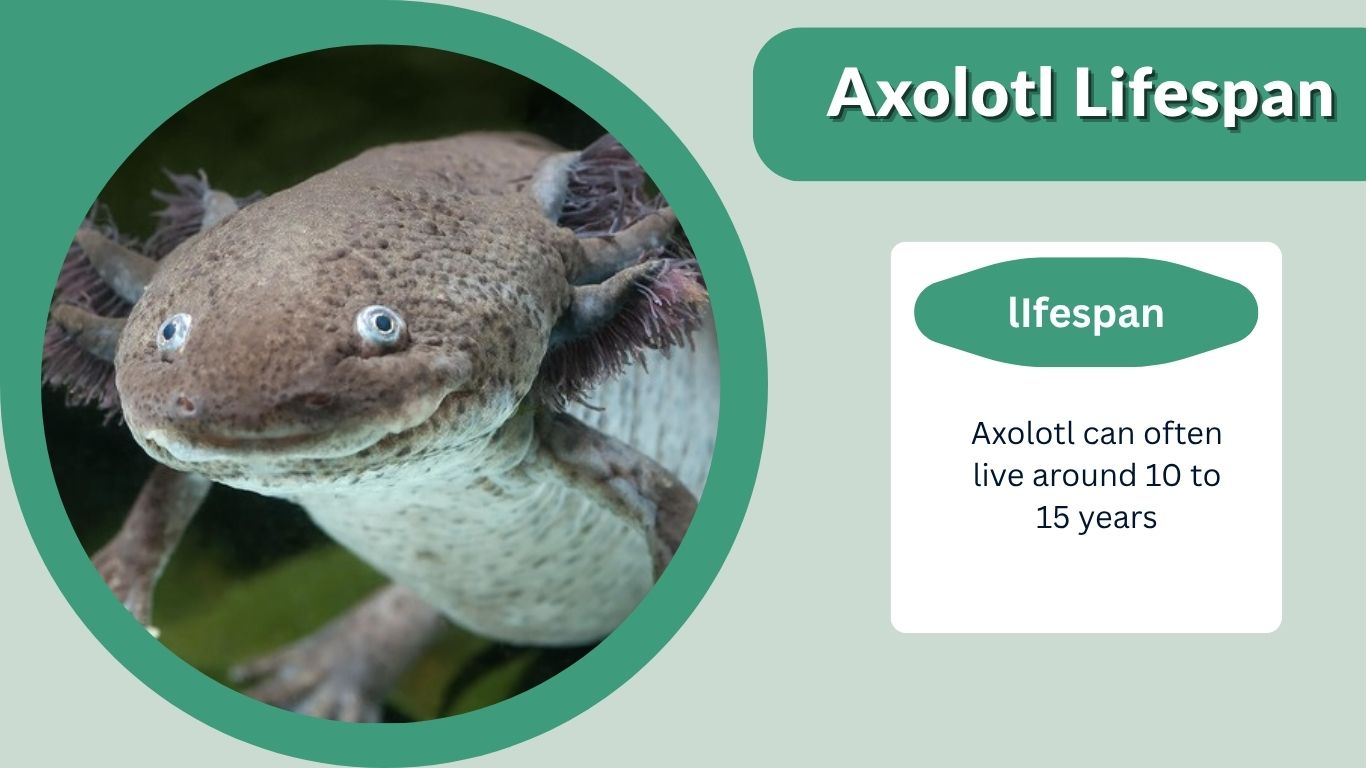
Axolotls usually live longer in captivity than in the wild. A well-cared-for pet axolotl can often live around 10 to 15 years, while some may live longer with excellent water quality, proper feeding, and a stress-free tank. In the wild, their lifespan is usually shorter because of pollution, predators, habitat loss, and competition from invasive species.
Average Axolotl Lifespan
The average axolotl lifespan depends heavily on where and how it lives. A pet axolotl in a clean, cool, stable aquarium has a much better chance of reaching old age than a wild axolotl living in a damaged habitat.
Axolotls are not fish, even though some people call them “axolotl fish” or “Mexican walking fish.” They are aquatic salamanders. Unlike many salamanders, they usually remain in a juvenile-like aquatic form throughout life. This unusual trait is called neoteny, and it is one reason axolotls look so unique even as adults.
Lifespan in Captivity
In captivity, axolotls commonly live around 10 to 15 years when cared for properly. Some individuals may live closer to 20 years, but that should not be treated as guaranteed. Their actual lifespan depends on water quality, temperature, diet, genetics, stress, and health care.
A pet axolotl can live a long time because it does not face wild predators, food shortages, or polluted natural waterways. However, captivity only improves lifespan when the keeper provides the right conditions. Poor tank care can shorten an axolotl’s life quickly.
Lifespan in the Wild
Wild axolotls usually have a shorter lifespan than captive axolotls. In their natural habitat around Mexico City, they face pollution, habitat destruction, invasive fish, changing water conditions, and limited safe breeding areas.
Because wild axolotls are critically endangered, their natural survival is a serious conservation issue. Their popularity as pets does not replace the need to protect their wild habitat.
Axolotl Lifespan by Situation
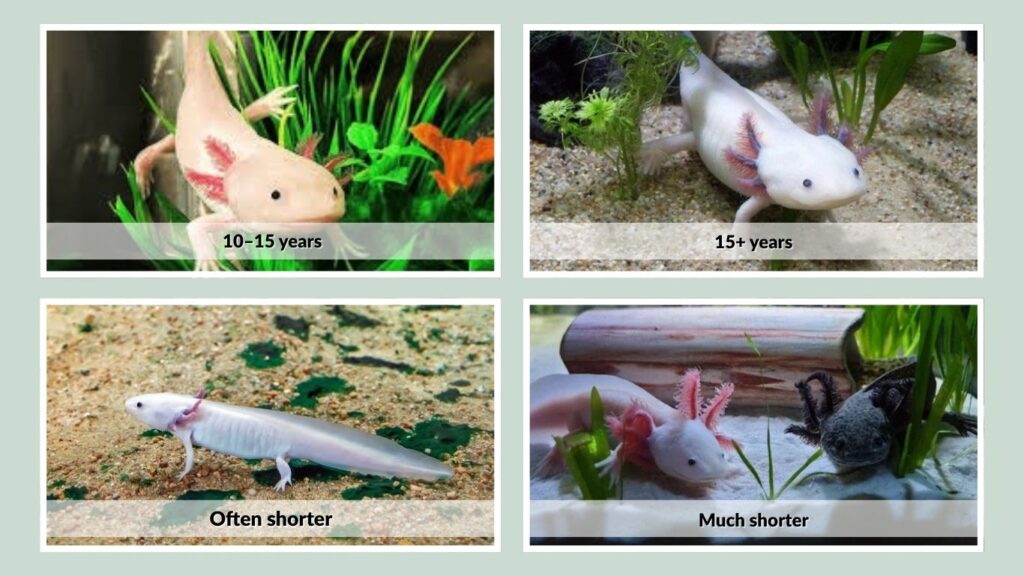
Axolotl lifespan is not the same in every condition. The table below shows common lifespan expectations by situation.
| Axolotl Type or Situation | Estimated Lifespan | Main Factor |
|---|---|---|
| Well-cared-for pet axolotl | 10–15 years | Stable tank and proper care |
| Excellent captive care | 15+ years | Strong genetics and expert care |
| Wild axolotl | Often shorter | Habitat pressure and predators |
| Poorly kept pet axolotl | Much shorter | Bad water, heat, stress, illness |
| Morphed axolotl | Often less predictable | Body stress and changed care needs |
Why Pet Axolotls Often Live Longer
Pet axolotls can live longer because their environment can be controlled. They do not need to hunt for food, escape predators, or survive polluted canals. A good aquarium can protect them from many natural dangers.
However, axolotls are sensitive animals. They absorb substances through their skin and gills, so poor water can make them sick. A tank that looks clear may still contain harmful ammonia or nitrite. Long lifespan depends on invisible water chemistry as much as visible cleanliness.
Important Care Factors
The biggest lifespan factors for pet axolotls include:
- Clean, cycled water
- Cool water temperature
- Safe substrate
- Proper tank size
- Low stress
- Nutritious food
- No aggressive tank mates
- Regular health checks
A pet axolotl is not a decoration. It is a long-term aquatic amphibian that needs consistent care for many years.
Water Quality and Lifespan
Water quality is one of the most important parts of axolotl lifespan. Many health problems start when water conditions are unstable. Ammonia, nitrite, high nitrate, chlorine, or sudden parameter changes can stress the animal and damage its gills or skin.
Why Cycling the Tank Matters
A cycled tank has beneficial bacteria that help process waste. Without this cycle, toxic ammonia can build up from uneaten food and waste. This is dangerous for axolotls because they are sensitive to water pollution.
A new owner should understand the nitrogen cycle before getting an axolotl. Setting up the tank after buying the animal is risky. The tank should be ready first.
Signs of Poor Water Conditions
Poor water quality may cause:
- Curled gills
- Loss of appetite
- Floating problems
- Red or irritated skin
- Fungus-like growth
- Frequent stress behavior
- Weakness or unusual stillness
If an axolotl shows these signs, the water should be tested immediately. Long-term exposure to poor conditions can shorten its life.
Temperature and Axolotl Health
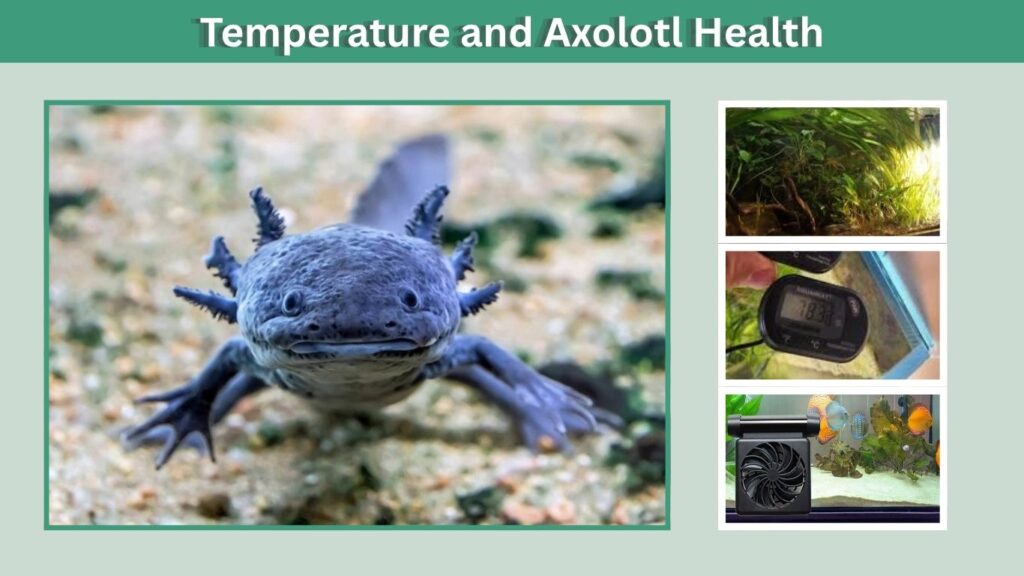
Axolotls are cold-water amphibians. Warm water can stress them and make illness more likely. Keeping the tank cool and stable is one of the simplest ways to support a longer lifespan.
Why Heat Is Dangerous
High temperatures can reduce oxygen levels in the water and increase stress. Stress weakens the immune system, making the axolotl more vulnerable to infection and fungal problems.
A tank placed near a sunny window, heater, or warm room can become unsafe. Even a few degrees too warm for too long can affect health.
Cooling Tips for Owners
Owners can help keep the tank safe by:
- Keeping the aquarium away from direct sunlight
- Using a thermometer every day
- Avoiding heated aquarium equipment
- Using fans or chillers when needed
- Choosing a cool room
- Avoiding sudden temperature swings
Stable cool water is better than water that changes quickly. Sudden shifts can shock the animal.
Diet and Feeding for a Longer Life
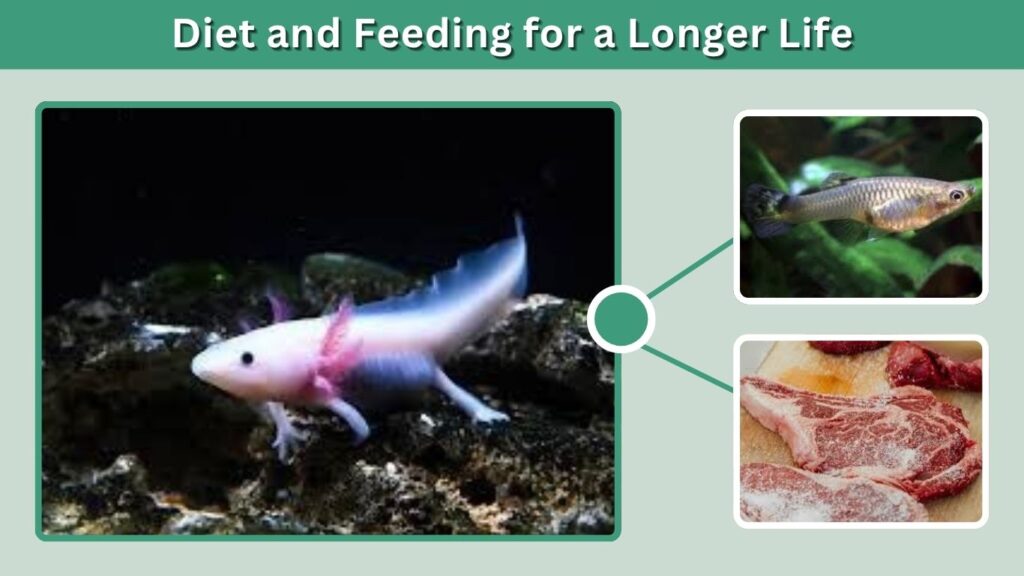
A healthy diet supports growth, immune function, and long-term survival. Axolotls are carnivorous and eat animal-based foods. In captivity, they are commonly fed earthworms, suitable pellets, bloodworms for younger individuals, and other appropriate aquatic foods.
Best Foods for Axolotls
Good axolotl foods include earthworms, nightcrawlers cut to size, high-quality axolotl pellets, blackworms, and occasional treats that are safe for aquatic amphibians. Earthworms are often considered one of the best staple foods because they are nutritious and soft.
Young axolotls need more frequent feeding than adults. Adults usually eat less often, depending on size, temperature, and health.
Foods to Avoid
Some foods can cause problems or poor nutrition. Avoid feeding:
- Feeder fish from unknown sources
- Insects with hard shells
- Fatty meat
- Processed human food
- Bread or rice
- Wild-caught prey exposed to chemicals
- Oversized food pieces
Food should be easy to swallow. Large pieces can cause choking or digestive stress.
Tank Setup and Safety
A safe tank helps prevent injuries and stress. Axolotls spend their lives underwater, so every part of the aquarium affects their health.
Tank Size and Space
A larger tank is easier to keep stable than a very small tank. More water volume helps dilute waste and reduces sudden changes in water conditions. Axolotls also need floor space because they spend much of their time walking along the bottom.
Substrate Problems
Gravel is risky because axolotls may swallow it while feeding. Swallowed gravel can cause impaction, which may become serious. Many keepers use a bare-bottom tank or fine sand for larger axolotls.
Tank Mates
Axolotls are usually best kept alone. Fish may nip their gills, and axolotls may try to eat fish. Other axolotls can also bite limbs, especially if size differences are large or feeding is poor.
Do Axolotl Colors Affect Lifespan?
Many people search for albino axolotl lifespan, black axolotl lifespan, blue axolotl lifespan, GFP axolotl lifespan, pink axolotl lifespan, or leucistic axolotl lifespan. In most cases, color morph alone does not decide lifespan.
A leucistic, albino, melanoid, wild-type, GFP, or piebald axolotl can live a long life if it has good genetics and proper care. The main lifespan factors are still water quality, temperature, diet, stress, and disease prevention.
Albino and Leucistic Axolotls
Albino and leucistic axolotls may look more delicate because of their pale coloring, but they are not automatically short-lived. They can have a normal lifespan when cared for correctly.
Black, Wild-Type, and Melanoid Axolotls
Dark-colored axolotls can also live normal lifespans. Their darker skin does not make them naturally longer-lived or shorter-lived. Care quality matters more than color.
GFP Axolotls
GFP axolotls have a fluorescent protein trait that can make them glow under certain lighting. This trait does not mean they need a completely different lifespan expectation. They still need the same clean, cool, stable water as any other axolotl.
Morphed Axolotl Lifespan
A morphed axolotl is an axolotl that changes into a more land-capable salamander-like form. This is uncommon and can happen because of genetics, hormones, environmental triggers, or unusual conditions.
Morphed axolotls often need different care from normal aquatic axolotls. Their lifespan may be less predictable because metamorphosis can put stress on the body. Owners should seek experienced exotic veterinary advice if an axolotl begins morphing.
Signs of Morphing
Possible signs include:
- Shrinking gills
- More frequent air breathing
- Changes in body shape
- Thicker eyelids
- Skin changes
- Less time spent fully underwater
A morphed axolotl should not be cared for exactly like a normal aquatic axolotl. Its needs may change significantly.
How to Help an Axolotl Live Longer
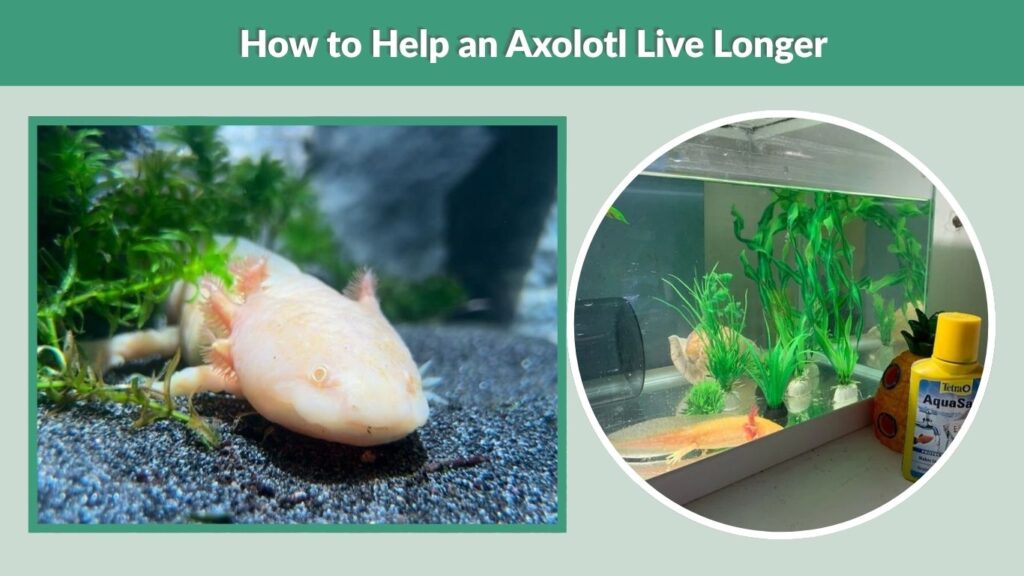
Axolotl lifespan is strongly connected to everyday care. Small mistakes may not seem serious at first, but repeated stress can reduce health over time.
The best ways to support a long life are:
- Cycle the tank before getting an axolotl
- Keep water cool and stable
- Test water regularly
- Feed a nutritious diet
- Remove uneaten food
- Avoid gravel
- Keep the tank peaceful
- Handle only when necessary
- Watch for early illness signs
- Find an exotic vet before emergencies happen
Preventive care is better than emergency care. A stable routine helps an axolotl stay healthy year after year.
Common Reasons Axolotls Die Early
Many pet axolotls die early because of preventable care problems. New owners may underestimate how sensitive they are to water conditions.
Common Lifespan-Shortening Problems
The most common risks include:
- Uncycled tanks
- Warm water
- Dirty water
- Gravel ingestion
- Poor diet
- Stress from tank mates
- Rough handling
- Untreated illness
- Sudden water changes
- Lack of research before purchase
A healthy axolotl can be hardy in the right setup, but fragile in the wrong one.
FAQs
What is the average lifespan of an axolotl?
The average axolotl lifespan in captivity is often around 10 to 15 years with proper care. Some may live longer in excellent conditions. Wild axolotls usually have shorter lives because they face pollution, predators, habitat damage, invasive species, and other survival challenges that captive pets do not face.
How long do pet axolotls live?
A pet axolotl can live about 10 to 15 years when kept in a clean, cool, cycled aquarium. Lifespan depends on water quality, temperature, food, genetics, and stress level. Poor care can shorten its life greatly, while stable care can help it stay healthy for many years.
Do albino axolotls have a shorter lifespan?
Albino axolotls do not automatically have a shorter lifespan just because of their color. With proper care, an albino axolotl can live about as long as other morphs. Clean water, cool temperature, good food, and low stress are more important than whether the axolotl is albino, leucistic, or dark-colored.
What shortens an axolotl’s lifespan?
Poor water quality, warm water, an uncycled tank, gravel ingestion, bad diet, stress, injury, and untreated illness can all shorten an axolotl’s lifespan. Many early deaths are linked to husbandry mistakes. Regular water testing, safe tank setup, and proper feeding can prevent many serious problems.
Can axolotls live 20 years?
Some axolotls may live close to 20 years, but this is not the standard expectation for every pet. A more realistic average is around 10 to 15 years in good captivity. Reaching 20 years usually depends on excellent care, stable water conditions, strong genetics, and avoiding major illness or injury.
