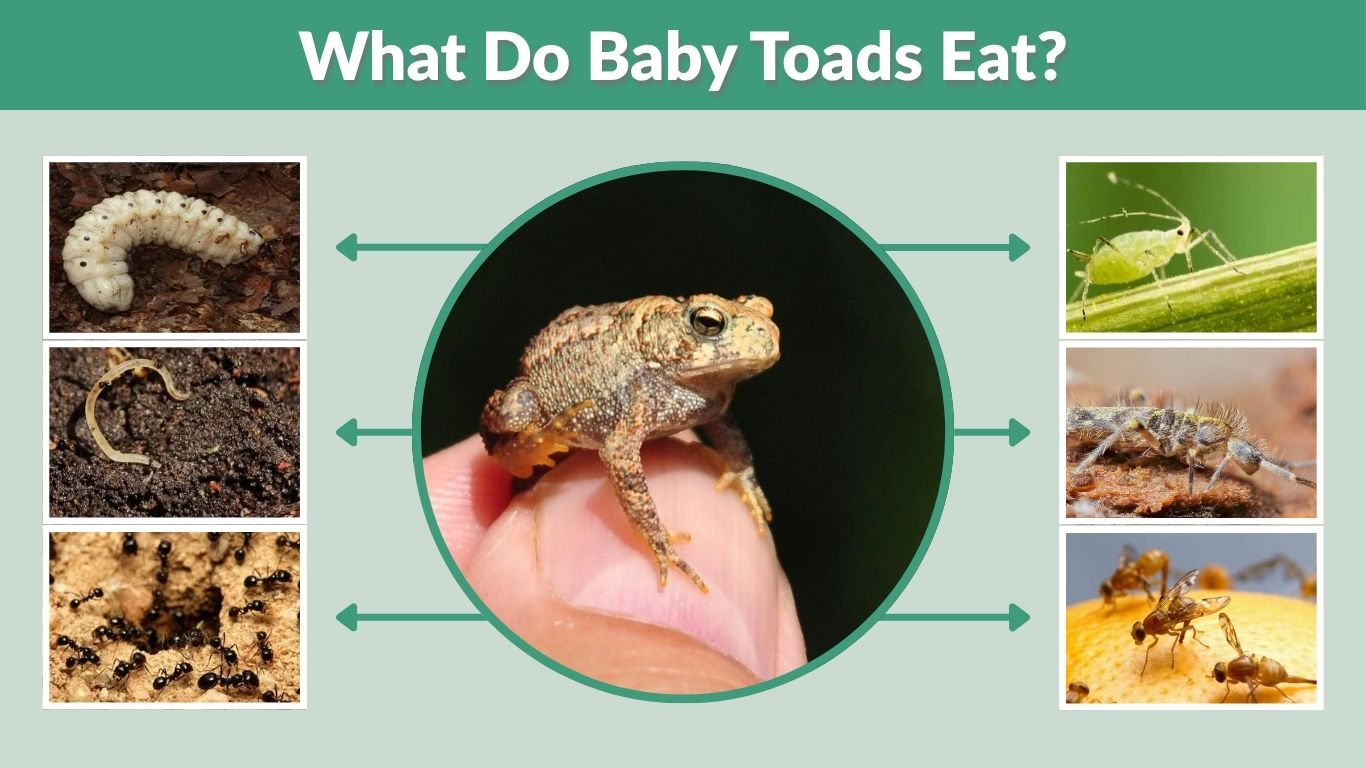
Baby toads eat tiny live prey once they leave the tadpole stage and become toadlets. Their diet is different from adult toads because their mouths are very small and they need easy-to-catch insects. In the wild, baby toads hunt moving foods such as small flies, ants, springtails, aphids, and pinhead crickets. The right food size is important for their safety and growth.
Baby Toad Diet Basics
Baby toads are carnivorous after metamorphosis. This means they mainly eat small animals, especially insects and other tiny invertebrates. Tadpoles may feed on algae and soft plant matter in water, but young land-dwelling toads need live, moving prey.
A baby toad usually will not recognize dry pellets, dead insects, bread, fruit, or cooked food as proper meals. It reacts to movement. When a tiny insect crawls, hops, or flies nearby, the toad uses its sticky tongue and quick strike to catch it.
How Small Should the Food Be?
Food should be smaller than the space between the baby toad’s eyes. This simple rule helps prevent choking and injury. Oversized insects can bite, stress, or harm a small toad.
Good baby toad food should be:
- Small enough to swallow whole
- Soft-bodied when possible
- Alive and moving
- Free from pesticides
- Easy for the toad to catch
- Suitable for the toad’s species and size
If the prey is too large, the baby toad may ignore it or struggle to eat it. A safer approach is to offer several tiny insects rather than one large insect.
7 Common Foods Baby Toads Eat
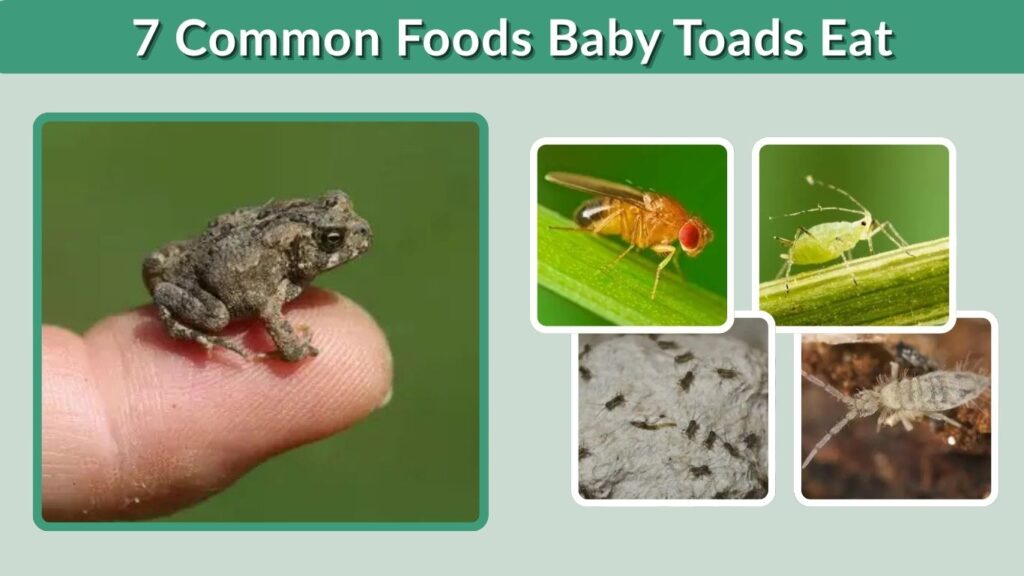
Baby toads eat a variety of tiny prey in nature. The best foods are small, active, and safe. Below are seven common foods that baby toads can eat, along with how each food helps them.
| Food | Best For | Important Note |
|---|---|---|
| Fruit flies | Very small toadlets | Use flightless fruit flies if feeding in captivity |
| Pinhead crickets | Growing baby toads | Must be smaller than the toad’s mouth |
| Springtails | Tiny young toads | Excellent for very small toadlets |
| Aphids | Wild baby toads | Avoid plants treated with pesticides |
| Small ants | Wild diet variety | Some ants may bite or sting |
| Tiny worms | Soft protein source | Must be very small pieces or tiny worms |
| Small beetles/larvae | Natural hunting food | Avoid hard or oversized beetles |
1. Fruit Flies
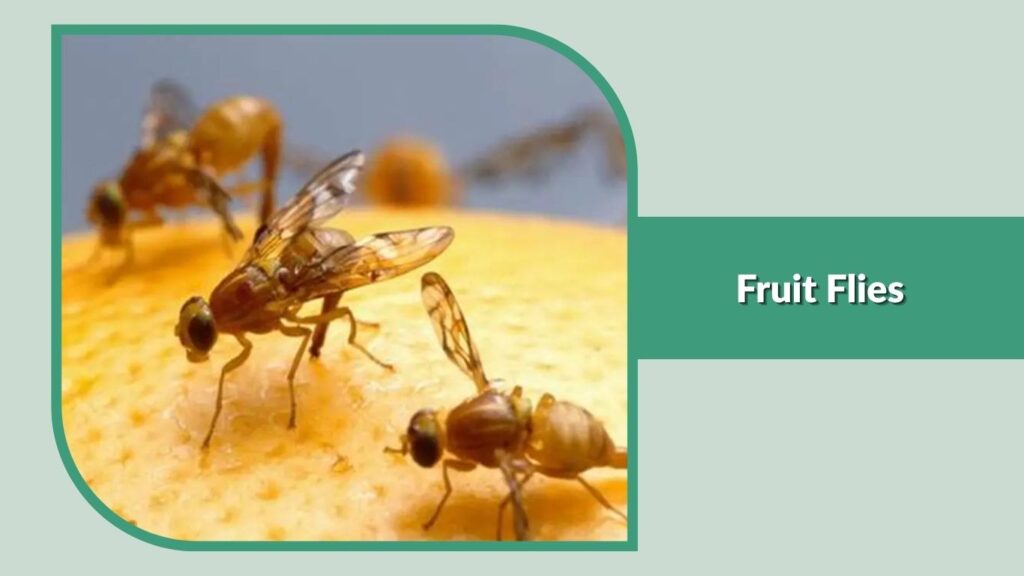
Fruit flies are one of the best foods for very small baby toads. They are tiny, active, and easy for young toads to catch. In captivity, flightless fruit flies are often preferred because they cannot fly away easily.
Baby toads are attracted to movement, and fruit flies move enough to trigger hunting behavior. They are especially useful for newly transformed toadlets that are too small for crickets or larger insects.
Why Fruit Flies Are Useful
Fruit flies are helpful because they match the size of many young toads. A tiny toadlet may struggle with even the smallest cricket, but fruit flies are usually manageable.
They also encourage natural hunting. The toad sees the fly moving, aims, and strikes. This keeps feeding behavior active and normal.
Feeding Tip
Offer fruit flies in a safe container or enclosed habitat so they do not escape. Do not overfeed at once. A few small prey items are better than too many insects crawling around and stressing the toad.
2. Pinhead Crickets
Pinhead crickets are very young crickets and are much smaller than regular feeder crickets. They are a common food for baby toads that are large enough to handle slightly more active prey.
Crickets provide protein and encourage exercise because baby toads must hunt them. However, cricket size matters a lot. A cricket that is too large can scare, bite, or injure a baby toad.
Why Pinhead Crickets Are Popular
Pinhead crickets are widely available and easy to find from reptile or amphibian food suppliers. They are more suitable than adult crickets because they are small enough for young amphibians.
They are also active, which makes them attractive to baby toads. Movement is important because many toads do not respond well to still or dead food.
Feeding Tip
Never leave too many crickets with a baby toad. Uneaten crickets may nibble on the toad or cause stress. Remove leftovers after feeding.
3. Springtails
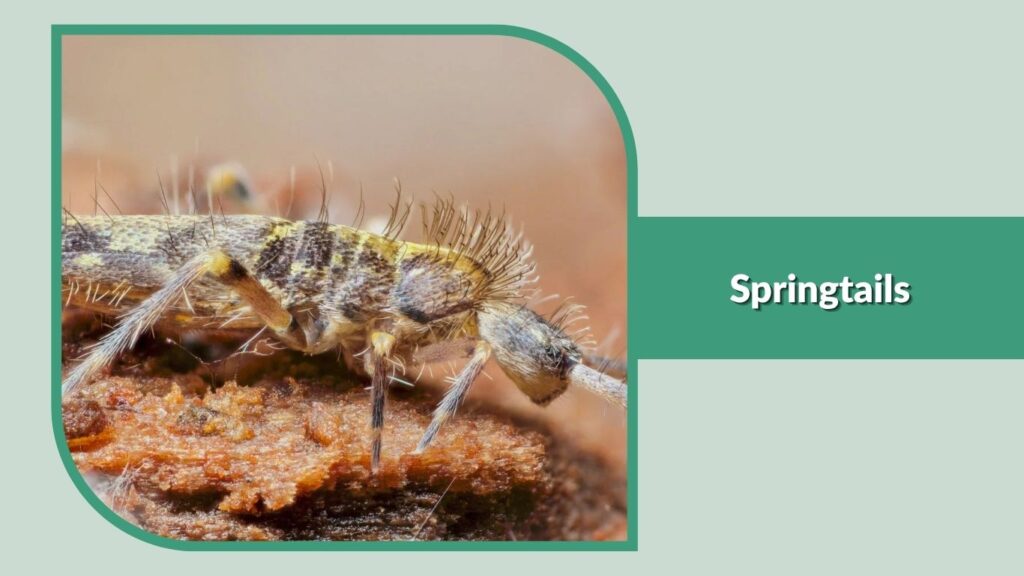
Springtails are extremely tiny invertebrates that live in soil, leaf litter, and damp environments. They are excellent food for very small baby toads, especially newly changed toadlets.
Because springtails are so small, they are useful when a baby toad is too tiny for crickets. They also move constantly, which helps trigger feeding.
Why Springtails Are Good for Tiny Toadlets
Springtails are soft-bodied and easy to swallow. They are often found naturally in moist habitats where baby toads live. In a natural setting, toadlets may eat them while searching through damp leaf litter.
For very small baby toads, springtails may be one of the safest first foods after leaving the water.
Feeding Tip
Springtails do best in moist environments. Baby toads also need moisture, so this food fits well with their natural habitat needs.
4. Aphids
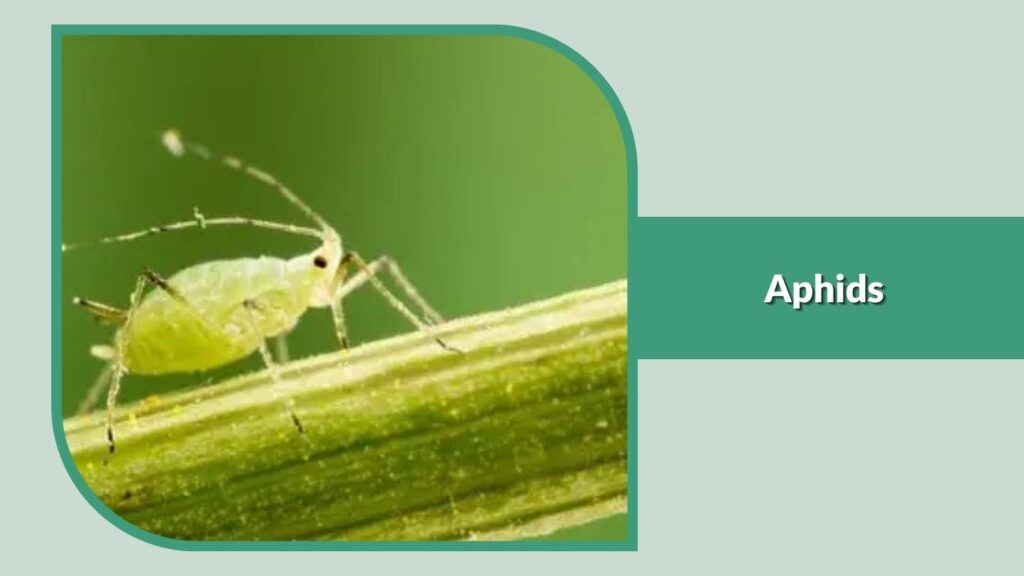
Aphids are tiny soft-bodied insects often found on plants. Wild baby toads may eat aphids when they find them on low vegetation, garden plants, or weeds.
Aphids are small and easy to swallow, making them a suitable prey size for baby toads. Since they gather in groups, a baby toad may find several in one area.
Why Aphids Are Easy Prey
Aphids move slowly and have soft bodies. This makes them easier for a baby toad to catch compared with fast insects. They are also small enough for many young toads.
However, aphids from treated garden plants can be dangerous. Pesticides and chemicals can harm amphibians.
Feeding Tip
Only use aphids from pesticide-free plants. Do not collect insects from areas sprayed with garden chemicals, lawn treatments, or pest-control products.
5. Small Ants
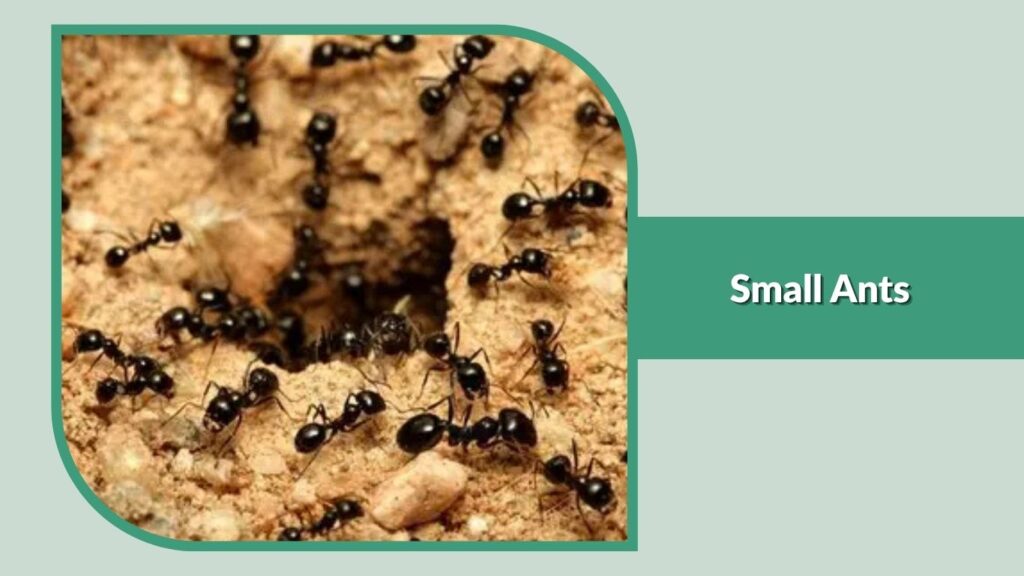
Baby toads may eat small ants in the wild. Ants are active, common, and easy to find in many outdoor habitats. Their movement can attract a young toad’s attention.
However, ants are not always the best captive food. Some ants bite, sting, or produce irritating chemicals. Very aggressive ants can stress or harm a baby toad.
Why Ants Are Part of a Wild Diet
In nature, baby toads eat what they can catch. Small ants may be available around soil, leaf litter, logs, and garden edges. A quick baby toad may grab them when they pass by.
Ants can add variety, but they should not be the only food source.
Feeding Tip
Avoid large ants, fire ants, or any aggressive ant species. If you are unsure what type of ant it is, choose a safer food such as fruit flies or springtails.
6. Tiny Worms
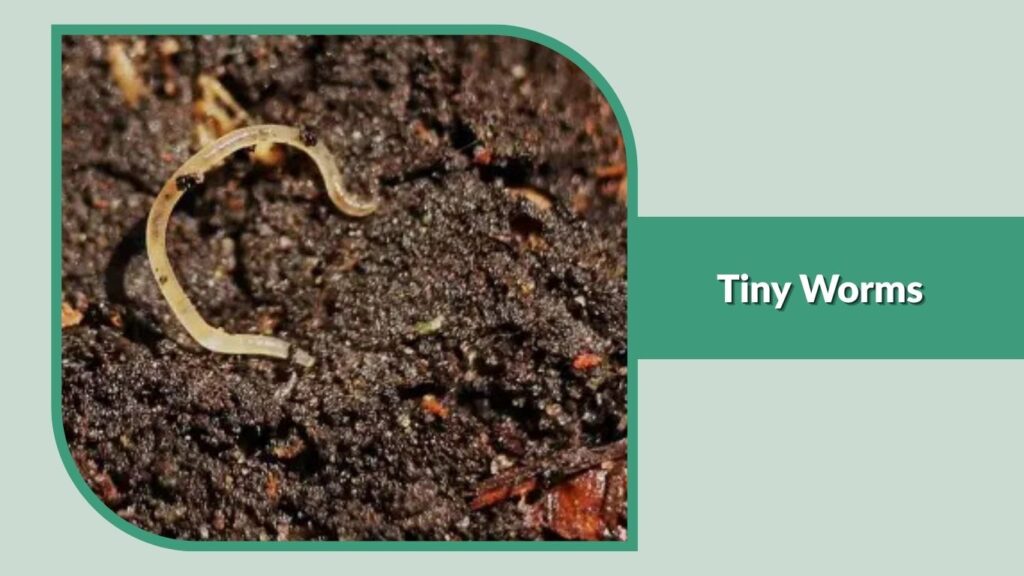
Tiny worms can be a soft and nutritious food for baby toads. Very small earthworms, chopped worm pieces, or tiny soil worms may be eaten by larger baby toads.
Worms are soft, moist, and easy to digest when properly sized. They are especially useful for baby toads that have grown beyond the smallest toadlet stage.
Why Worms Can Be Helpful
Worms provide moisture and protein. Their wiggling movement can attract a toad’s attention. Since they are soft-bodied, they are often easier to swallow than hard-shelled insects.
The main problem is size. A full earthworm is usually too large for a baby toad.
Feeding Tip
Only offer tiny worms or very small pieces. Do not give large worm pieces that are difficult to swallow. Remove uneaten pieces to keep the habitat clean.
7. Small Beetles and Insect Larvae
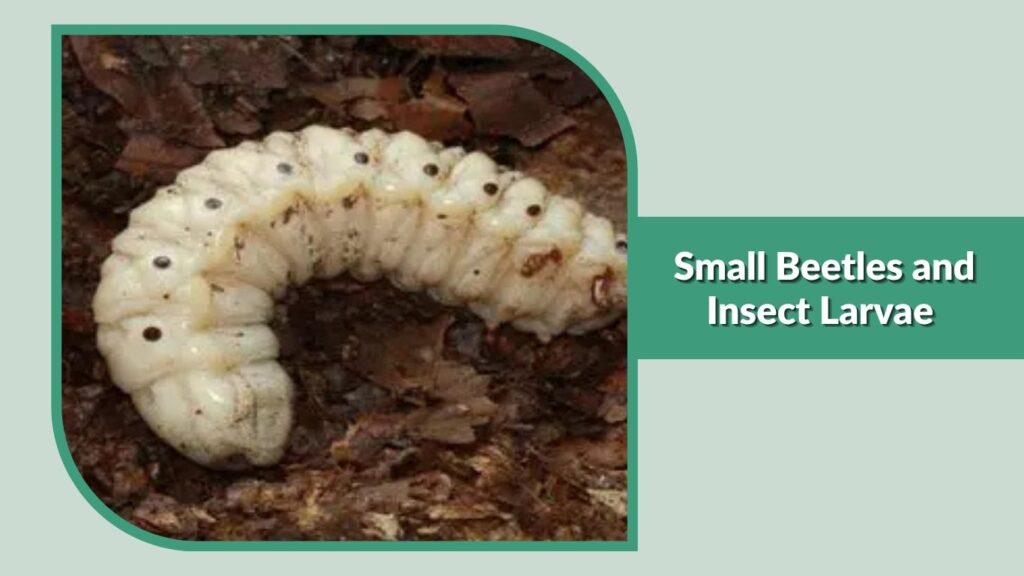
Baby toads may eat small beetles, beetle larvae, and other insect larvae in the wild. These foods are part of a natural diet because toads hunt in soil, grass, and leaf litter.
Larvae are often softer than adult beetles, making them easier for young toads to eat. Small soft-bodied larvae can be a good food source when they are safe and pesticide-free.
Why Larvae Are Natural Food
Insect larvae live in many of the same places as baby toads. Damp soil, rotting leaves, garden beds, and shaded areas often contain small larvae. Baby toads may catch them while moving through these habitats.
Adult beetles can be harder to eat because some have tough shells. Very small beetles may be fine, but large or hard beetles should be avoided.
Feeding Tip
Choose soft, tiny larvae over hard adult beetles. Never feed unknown insects from areas where pesticides, fertilizers, or chemicals may have been used.
Foods Baby Toads Should Not Eat
Baby toads should not eat human food. Their bodies are made to digest insects and small invertebrates, not processed foods or cooked meals. Feeding the wrong food can cause stress, digestive problems, or death.
Avoid giving baby toads:
- Bread
- Rice
- Crackers
- Fruit
- Vegetables
- Cooked meat
- Pet food
- Large crickets
- Dead insects
- Wild insects from sprayed areas
Even foods that seem harmless to humans can be unsuitable for baby toads. A baby toad needs tiny live prey, not table scraps.
How Often Do Baby Toads Eat?
Baby toads usually eat often because they are growing quickly. In the wild, they may hunt whenever small prey is available. In captivity, young toads may be fed small amounts daily or nearly daily, depending on species, size, and health.
Signs a Baby Toad Is Eating Well
A healthy baby toad should look alert, respond to movement, and maintain a normal body shape. It should not look extremely thin or weak.
Positive feeding signs include:
- Watching moving prey
- Quick tongue strikes
- Regular hunting behavior
- Normal hopping or hiding
- Slightly rounded body
- Active behavior during feeding time
A baby toad may refuse food if it is stressed, too dry, too cold, frightened, or offered prey that is too large.
Should You Feed a Wild Baby Toad?
In most cases, you do not need to feed a wild baby toad. If it is outside in a safe, natural area, it can hunt on its own. The best help is to protect its habitat.
You can support wild baby toads by keeping a safe, chemical-free yard. Leaf litter, native plants, damp hiding spots, and pesticide-free insects give baby toads a better chance to survive.
Better Ways to Help Wild Baby Toads
Instead of feeding them directly, create a safer environment:
- Avoid pesticides and herbicides
- Leave some leaf litter in shaded areas
- Provide damp hiding places
- Keep pets away from tiny toads
- Avoid mowing over wet areas after rain
- Do not move toads far from where found
Wild baby toads are part of the local ecosystem. They help control small insects and provide food for other animals.
FAQs
What do baby toads eat after leaving the water?
After leaving the water, baby toads eat tiny live insects and invertebrates. Common foods include fruit flies, springtails, aphids, pinhead crickets, small ants, tiny worms, and insect larvae. They need moving prey because movement triggers their hunting response. Food should always be small enough to swallow safely.
Can baby toads eat dead insects?
Baby toads usually prefer live insects because they hunt by watching movement. Dead insects may be ignored and can spoil quickly in a habitat. If a baby toad is kept in care, live prey such as fruit flies, springtails, or pinhead crickets is usually more suitable than dead food.
Do baby toads eat plants?
Baby toadlets do not normally eat plants. Once they become land-dwelling toads, they are carnivorous and eat tiny animals. However, toad tadpoles may graze on algae, soft plant material, and organic particles in water before metamorphosis. The diet changes when they become toadlets.
How much should a baby toad eat?
A baby toad should eat several tiny prey items rather than one large insect. The exact amount depends on its size, species, and activity level. A good rule is to offer small food items it can finish safely, then remove uneaten prey. Overcrowding the space with insects can cause stress.
Can I feed a baby toad from my garden?
You can only use garden insects if you are sure they are pesticide-free. Insects from sprayed plants, lawns, or treated soil can poison baby toads. Safer options include captive-bred fruit flies, springtails, and pinhead crickets. For wild baby toads, it is usually better to protect their habitat than feed them directly.
