
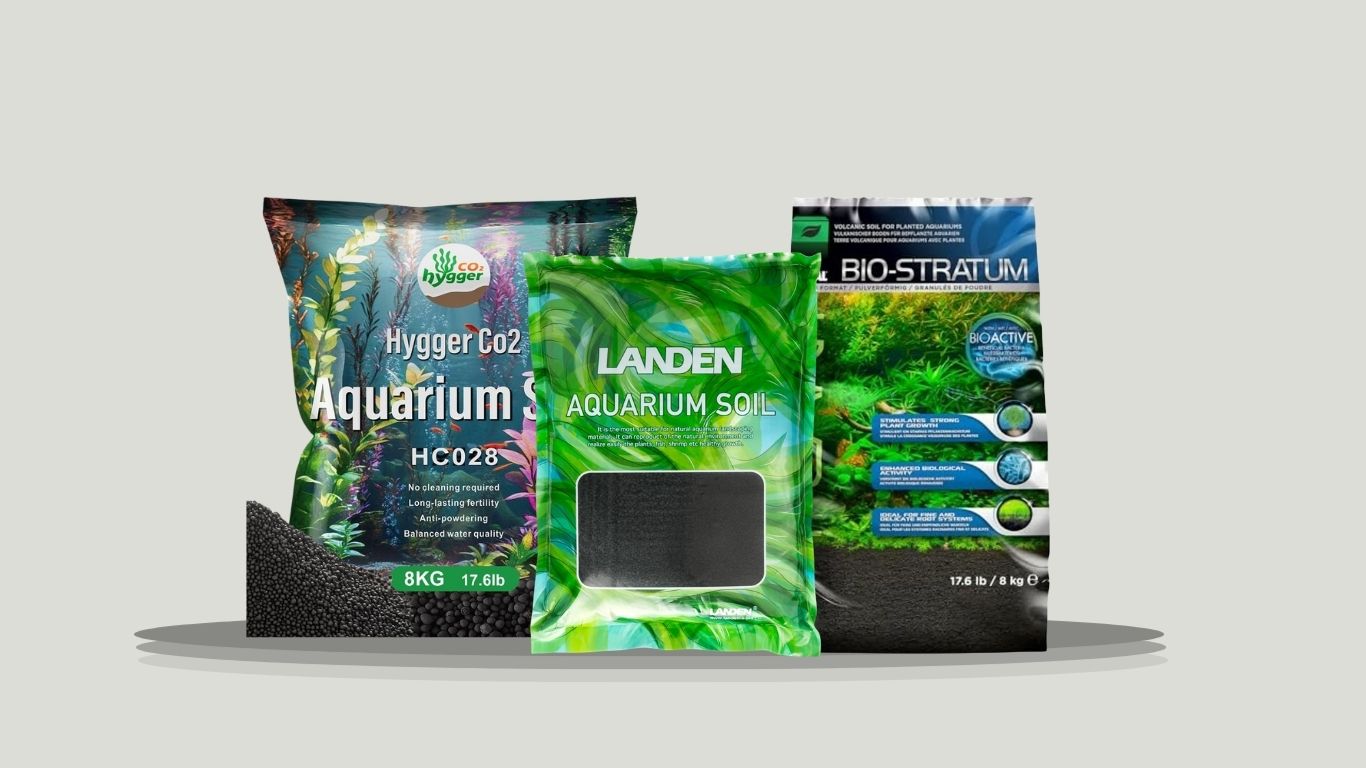
Choosing the right substrate can make a major difference in how well aquarium plants establish, spread, and stay healthy over time. A good fish tank plant substrate helps anchor roots, supports nutrient uptake, and creates a natural-looking base for aquascaping. Some options also help beneficial bacteria develop or support softer water conditions for shrimp and tropical fish. In this guide, we review the 7 best fish tank plant substrates, including options from Fluval, AquaNatural, Aqueon, LANDEN, Hygger, and FZONE for different planted aquarium setups.
1. Fluval Plant and Shrimp Stratum
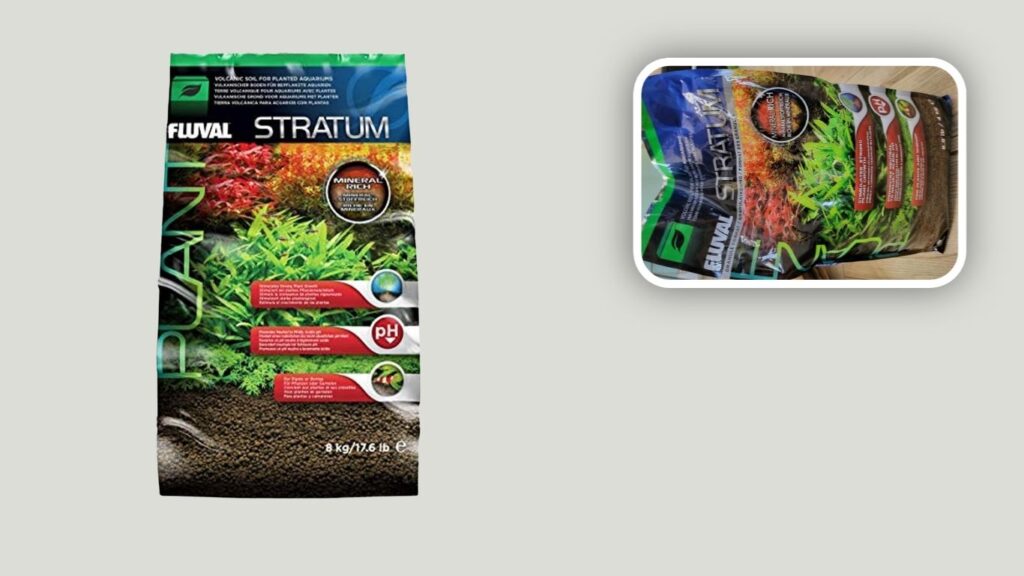
Fluval Plant and Shrimp Stratum is a popular choice for aquarists who want a natural-looking substrate that supports live plants while fitting well into shrimp and tropical freshwater setups. Its lightweight, porous structure gives roots room to spread and creates a comfortable base for aquascaping. The dark appearance also makes colorful fish, shrimp, and green plants stand out beautifully.
Key Features
- Porous volcanic-style substrate structure
- Designed for freshwater planted aquariums
- Supports healthy root development
- Suitable for shrimp-focused tanks
- Dark color highlights plants and livestock
- Helps create a natural aquascaping appearance
- Lightweight granules are easy to shape
Why It Works Well for Planted Tanks
One of the strongest advantages of Fluval Stratum is the way its granules create space around developing roots. Fine roots can move between the particles instead of struggling through tightly compacted gravel.
This makes it suitable for stem plants, carpeting plants, and many popular rooted aquarium species. The substrate can also be shaped into raised areas, slopes, or planting zones, which gives aquascapers more freedom when designing the tank.
Root Growth and Tank Performance
A planted aquarium needs more than an attractive bottom layer. Roots need stability, oxygen circulation, and access to nutrients from the surrounding environment.
Fluval Stratum’s porous texture creates a more plant-friendly foundation than ordinary decorative gravel. The surface can also provide space for beneficial microorganisms to establish as the aquarium matures.
Its darker tone adds another advantage by visually hiding debris better than many pale substrates while making bright green and red plants appear more vibrant.
Best for Plant-and-Shrimp Aquariums
Fluval Plant and Shrimp Stratum is especially appealing for aquarists building a tank around both plants and freshwater shrimp.
Its natural appearance works beautifully with driftwood, stone, mosses, carpeting plants, and colorful shrimp. Aquarists who want one substrate capable of supporting aquascaping aesthetics, plant roots, and a shrimp-friendly freshwater environment will find this option particularly practical.
2. AquaNatural Aquarium and Aquascaping Substrate
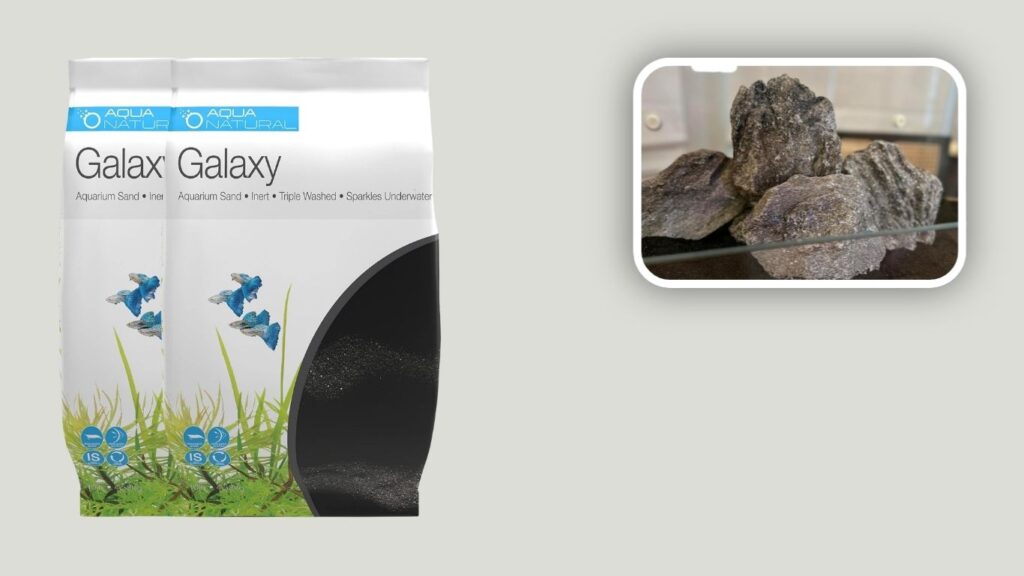
AquaNatural substrate is an attractive option for aquarists who want a clean, decorative base for planted aquariums and carefully designed aquascapes. Its natural appearance works well around rocks, wood, and live plants, creating a more polished presentation than brightly colored artificial gravel. It is especially useful for aquarists who prefer to control plant nutrition separately with fertilizers or root tabs.
Key Features
- Natural-looking aquarium substrate
- Suitable for freshwater aquascaping
- Works with planted tanks and decorative layouts
- Provides an attractive base around hardscape
- Useful with root tabs and plant fertilizers
- Complements green and red aquarium plants
- Can be used in different aquascaping styles
Why It Is Great for Visual Aquascaping
AquaNatural stands out primarily because of the clean, natural look it can bring to a fish tank. Instead of overwhelming plants with unnatural colors, the substrate keeps attention on the aquascape itself.
This works particularly well in tanks that use driftwood, river stones, planted islands, or open foreground spaces. A well-chosen substrate color can make a major difference in how professional an aquarium looks, and this type of natural material provides that visual balance.
Planting Flexibility and Maintenance
Aquarists who like controlling their own fertilizer routine may appreciate a substrate that does not depend entirely on built-in nutrition.
Root tabs can be placed under heavy root-feeding plants, while liquid fertilizer can support species that mainly absorb nutrients through their leaves. This approach gives the aquarist more control over how and when nutrients are added.
It is also a practical setup for low-tech tanks containing hardy species such as Anubias, Java fern, mosses, and other plants that do not require a heavily enriched substrate.
Best for Decorative Planted Aquariums
AquaNatural is a particularly good match for aquarists who care about appearance and want the flexibility to build their own fertilization routine.
It can create a refined foundation without making the aquarium floor look overly processed. For a tank focused on natural scenery, hardy plants, stones, and driftwood, its understated appearance can make the finished aquascape feel much more complete.
3. Aqueon Plant and Shrimp Aquarium Substrate
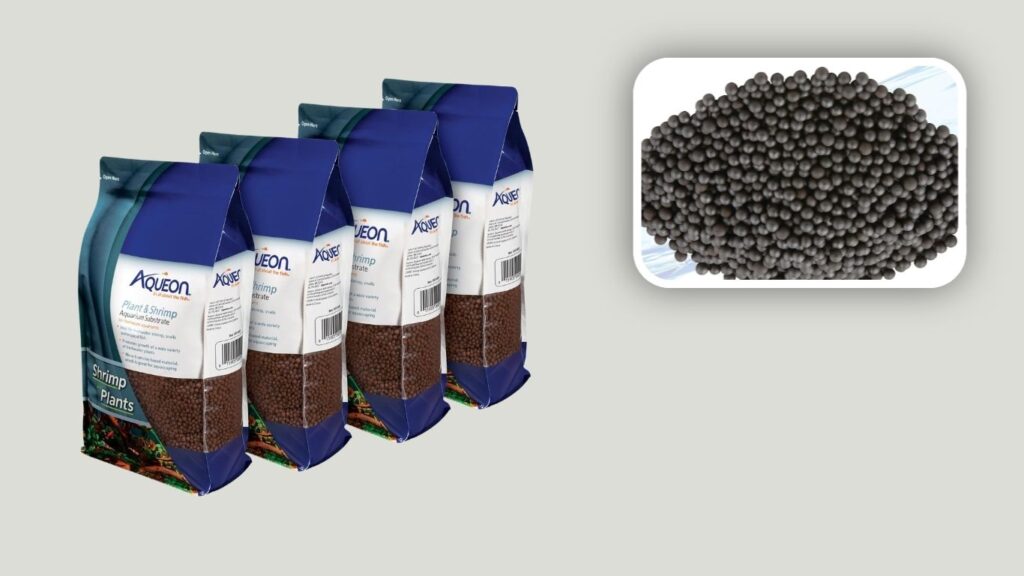
Aqueon Plant and Shrimp Aquarium Substrate is designed around the needs of freshwater plants, shrimp, and aquascaping. Its rounded granule structure creates spaces where roots can develop while maintaining a neat appearance on the aquarium floor. Compared with very soft soil substrates, its more structured texture can be helpful in tanks that are occasionally replanted or rearranged.
Key Features
- Designed for freshwater planted tanks
- Suitable for shrimp and small community aquariums
- Rounded granules provide root space
- Creates a clean aquascaping foundation
- Useful for rooted aquatic plants
- Works well with additional root fertilizers
- Suitable for tanks that may be rearranged
Why Its Granules Are Practical
The physical shape of a substrate matters more than many new aquarists realize. Very compact material can make planting difficult, while extremely loose particles may not hold new plants securely.
Aqueon’s granules provide a useful balance. Roots can move through the spaces while the plants remain anchored in place. This is especially helpful when establishing young plants that have not yet developed large root systems.
Long-Term Planting Performance
A structured substrate can be useful in aquariums where plants are occasionally moved, divided, or replaced.
Rather than relying only on nutrients contained inside the substrate, aquarists can combine Aqueon with root tabs and liquid fertilizers based on the species being grown. This provides flexibility because demanding plants can receive targeted nutrition without heavily fertilizing every section of the aquarium.
The neutral-looking base also works well beneath carpeting plants, crypts, swords, and decorative hardscape.
Best for Stable Plant-and-Shrimp Setups
Aqueon Plant and Shrimp Aquarium Substrate is well suited to someone who wants a straightforward foundation for plants and shrimp without an overly complicated setup.
The combination of stable granules, attractive appearance, and room for roots makes it particularly practical for community aquariums where live plants are important but constant water-parameter adjustments are not the main goal.
4. LANDEN Aqua Soil Substrate
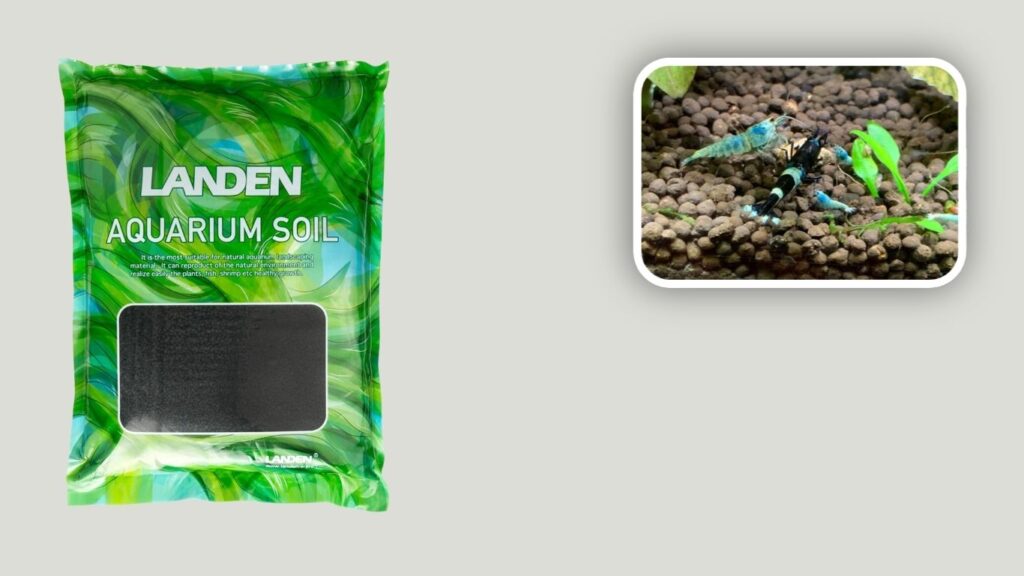
LANDEN Aqua Soil is designed for aquarists who want a more specialized substrate for heavily planted freshwater tanks and aquascapes. Its dark soil-like granules give plants a natural setting while creating a soft, refined appearance around stone and driftwood. The substrate is especially attractive for aquascapers who want to build slopes, planting areas, and visually layered layouts.
Key Features
- Aqua soil made for planted freshwater tanks
- Dark natural-looking granules
- Supports root penetration
- Suitable for aquascaping layouts
- Works well with carpeting and stem plants
- Provides surface area for microorganisms
- Excellent contrast with bright aquatic plants
Why It Stands Out for Aquascaping
LANDEN Aqua Soil has the visual qualities many aquascapers look for when creating a more professional-looking tank.
Its dark color provides strong contrast against green carpeting plants and colorful stems. It also looks natural alongside gray stones, reddish rocks, and brown driftwood.
Because the granules can be shaped, aquarists can create higher substrate levels toward the back of the aquarium. This gives the tank more depth and makes it easier to position taller plants behind shorter foreground species.
Root Development and Plant Performance
Aqua soil is often chosen because its structure is better suited to roots than conventional coarse gravel.
LANDEN provides small spaces where root systems can expand throughout the substrate. This makes it useful for rooted species and dense planted areas where plants need to establish themselves firmly.
As with many active planted substrates, careful setup and appropriate aquarium cycling are important. Filling the tank slowly also helps prevent the newly created slopes and planting zones from being disturbed.
Best for Dedicated Planted Aquascapes
LANDEN is particularly attractive for aquarists building a tank where live plants are the main feature rather than a minor decoration.
It works well for nature-style aquascapes, carpeting layouts, shrimp displays, and tanks with carefully arranged hardscape. For someone who wants the aquarium floor to contribute directly to both the appearance and structure of a planted layout, LANDEN offers a more specialized foundation than ordinary gravel.
5. Hygger CO2 Upgraded Aquascaping Substrate
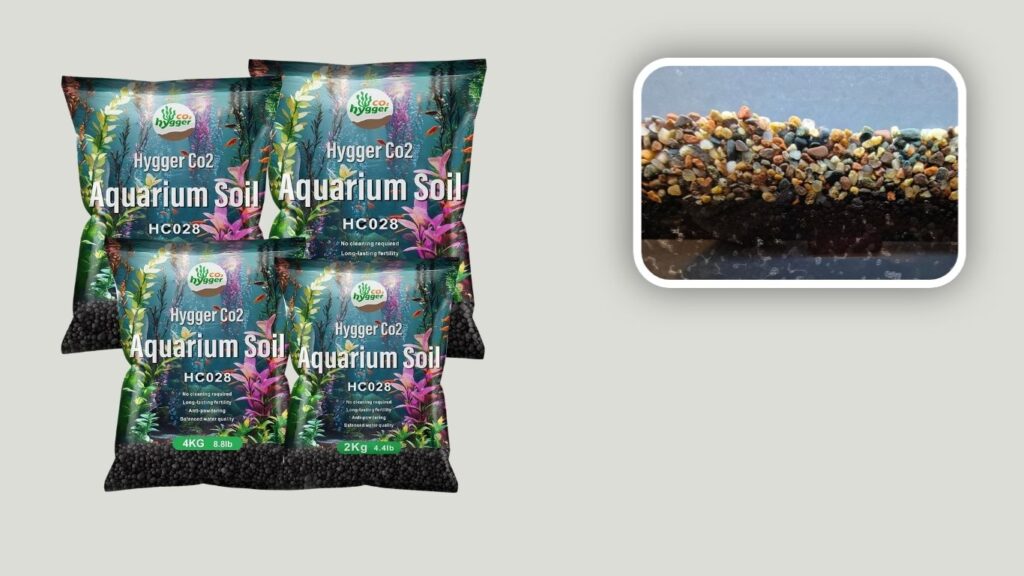
Hygger CO2 Upgraded Aquascaping Substrate is designed for modern planted tanks where root development, aquascaping appearance, and a natural freshwater environment are important. Its dark soil-like granules create a strong visual base while offering a porous structure for plants. It is especially appealing for aquarists who want to combine live plants with shrimp, stones, driftwood, and detailed landscaping.
Key Features
- Designed for planted aquascapes
- Dark substrate improves plant contrast
- Porous structure supports root growth
- Suitable for freshwater shrimp tanks
- Provides a natural aquarium appearance
- Useful for carpeting and stem plants
- Can support biological activity within the substrate
Why It Works for Modern Aquascapes
Hygger’s dark substrate creates the visual depth many planted tanks need. Bright plants appear more vivid against a black or dark brown base, and hardscape elements look more defined.
The granules can also be arranged into slopes and elevated planting areas. This is useful when trying to create perspective, because taller backgrounds and lower foregrounds make an aquarium look deeper than it really is.
Root Support and Biological Value
Porous substrate particles do more than hold plants in place. The small spaces between and within the granules can provide an environment where roots and beneficial microorganisms develop.
This can help transform the substrate into an active part of the aquarium rather than simply a decorative covering.
Rooted plants benefit from having room to expand, while aquarists can still add additional fertilizers when necessary for especially demanding species.
Best for Stylish Plant-and-Shrimp Tanks
Hygger CO2 Upgraded Aquascaping Substrate makes the most sense in tanks where both plant performance and visual presentation matter.
Its dark appearance suits shrimp displays, nature aquariums, and densely planted tanks. For aquarists planning a carefully designed setup instead of a simple gravel-bottom aquarium, its combination of texture, root support, and aquascaping flexibility gives it strong practical appeal.
6. FZONE Aquarium Nutrient-Rich Planted Tank Substrate
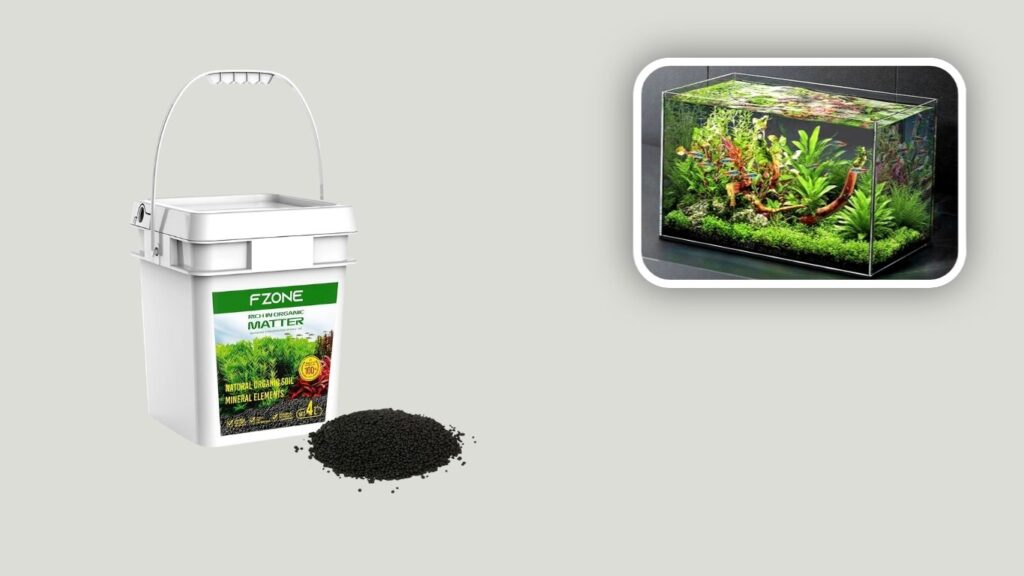
FZONE Aquarium Nutrient-Rich Substrate is created for aquarists who want a plant-focused foundation rather than ordinary decorative gravel. Its fine, dark granules give planted tanks a professional aquascaping appearance while creating a supportive zone for roots. This version is particularly practical for smaller planted aquariums, shrimp tanks, and layouts where only certain areas need nutrient-rich soil.
Key Features
- Nutrient-focused planted aquarium substrate
- Fine dark granules
- Suitable for freshwater live plants
- Supports root growth and establishment
- Useful for shrimp-focused aquascapes
- Creates attractive planting zones
- Works well in nano and medium planted tanks
Why It Is Effective for Rooted Plants
FZONE’s biggest advantage is that it is intended specifically for planted aquarium use.
Instead of forcing roots to grow through large pieces of gravel, the smaller particles create a softer planting zone. This makes it easier to position stem plants and smaller rooted species without constantly having them float back to the surface.
The dark finish also helps hide the base of plants, giving the aquascape a cleaner appearance.
Plant Nutrition and Setup Performance
Nutrient-rich substrates can reduce some of the limitations associated with plain gravel, particularly during the early growth period.
Root-feeding plants benefit from having a more supportive environment immediately around their root systems. Over time, additional root tabs or liquid fertilizer may still be useful depending on plant density, lighting, and growth rate.
The substrate’s fine structure is also helpful when designing detailed foreground and midground planting areas.
Best for Compact Planted Tanks
This FZONE option works especially well for aquarists setting up a nano tank, shrimp aquarium, or compact aquascape.
The smaller substrate volume can be more practical than purchasing a large bag when only a limited tank area needs soil. Its combination of attractive dark granules, root support, and plant-oriented design makes it a useful choice when the goal is to create a dense planted appearance within a smaller aquarium footprint.
7. FZONE Nutrient-Rich Aquarium Substrate
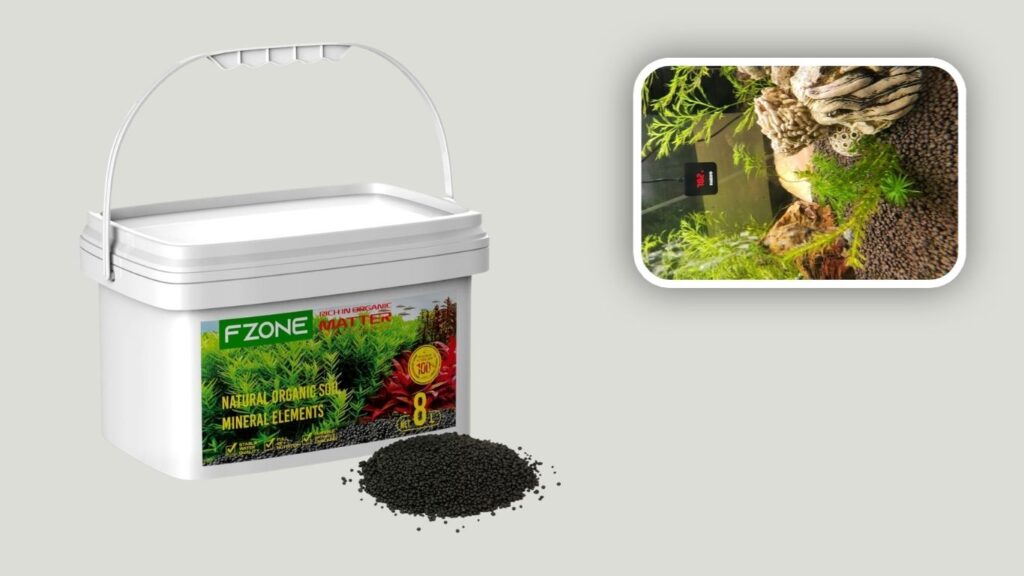
The larger FZONE Nutrient-Rich Aquarium Substrate is designed for planted tanks that need more coverage and deeper planting areas. It combines a clean aquascaping appearance with fine granules that make it easier for aquatic roots to spread. Aquarists building medium-sized or densely planted tanks may appreciate having enough substrate to create slopes, deeper rear planting zones, and substantial root space.
Key Features
- Nutrient-rich planted aquarium soil
- Larger volume for greater tank coverage
- Fine granules support root penetration
- Suitable for freshwater aquascaping
- Useful for carpeting, stem, and rooted plants
- Dark appearance highlights plant colors
- Works well in planted shrimp aquariums
Why the Larger Volume Matters
Substrate depth has a major effect on planting flexibility. A thin layer may work for decorative purposes, but heavily rooted plants often perform better when they have more room below the surface.
The larger FZONE option makes it easier to build deeper areas toward the rear of the aquarium while maintaining a thinner foreground. This creates both better planting space and stronger visual perspective.
It is particularly useful when setting up a tank with multiple plant layers rather than a simple row of plants.
Growth Support and Aquascaping Performance
The fine granules create a supportive environment where roots can spread and anchor themselves securely.
This can be especially useful with carpeting plants, crypts, stem plants, and other species that are frequently used in detailed aquascapes.
The dark substrate also creates a stronger contrast with bright foliage. Red plants can appear richer, while green plants look more vivid against the darker background.
As plant demand increases, aquarists can combine the soil with an appropriate liquid fertilizer or root-feeding routine for continued performance.
Best for Densely Planted Freshwater Tanks
This larger FZONE substrate is particularly suitable for aquarists planning a more ambitious planted aquarium.
Its volume allows deeper substrate beds, raised planting zones, and more complex layouts. For tanks where plants cover much of the aquarium floor, having enough plant-focused substrate can make installation easier and create a more cohesive finished appearance.
The blend of practical coverage, root-friendly texture, and dark aquascaping aesthetics makes it a strong option for a serious planted setup.
FAQs
1. What is the best substrate for fish tank plants?
Aqua soil or another plant-focused substrate is usually a convenient option for heavily planted tanks because it gives roots a supportive structure and may provide additional nutrients. Fluval Stratum, LANDEN, Hygger, and FZONE are examples designed with planted aquariums in mind. The ideal substrate depends on the plants, fish, shrimp, water conditions, and fertilization method used.
2. How deep should plant substrate be in a fish tank?
Around 2 to 3 inches works well for many planted aquariums. Aquascapers often use a shallower layer at the front and gradually increase the depth toward the back. This provides more root space for taller plants while also creating visual depth. Large rooted species may benefit from a somewhat deeper planting area.
3. Can aquarium plants grow in regular gravel?
Yes, many aquarium plants can grow in ordinary gravel, but root-feeding species often require extra nutrition. Root tabs can be placed beneath plants to supply nutrients directly to the root zone. Plant-specific substrates are usually easier for demanding planted setups because their smaller particles and porous structure provide a more supportive environment for developing roots.
4. Do I need fertilizer if I use nutrient-rich substrate?
You may still need fertilizer over time. Nutrients within a substrate are not unlimited, and many aquatic plants also absorb nutrients directly through their leaves. Root tabs are useful for heavy root feeders, while liquid fertilizer can support stem plants, mosses, and other species. Lighting, CO2 availability, plant density, and growth rate all influence fertilization needs.
5. Should I rinse planted aquarium substrate before adding it?
It depends on the substrate. Many aqua soils are designed to be added directly without rinsing because aggressive washing can break down the granules or remove fine materials associated with the soil. Decorative sand and gravel may require rinsing to reduce dust. Following the specific manufacturer’s setup instructions is the safest approach for each substrate.
