
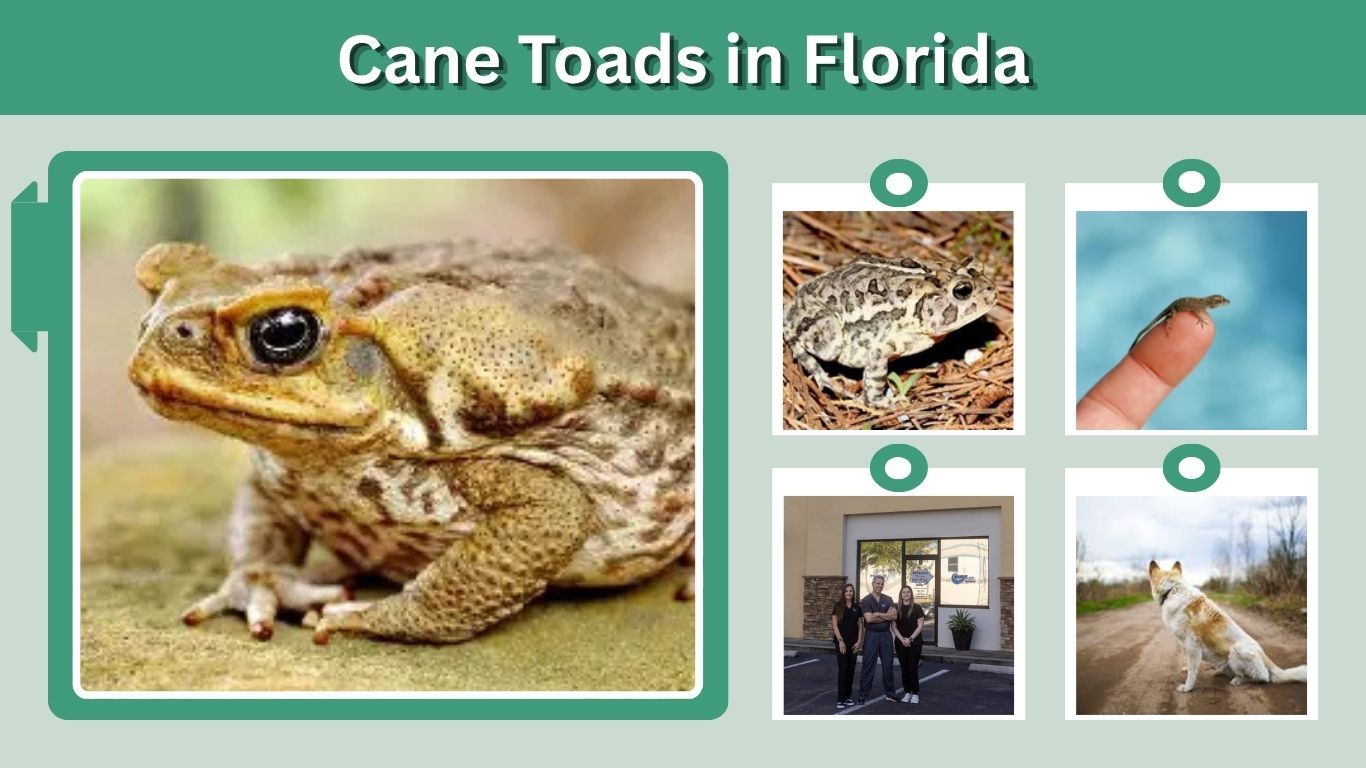
Cane toads in Florida are a serious concern for homeowners, pet owners, and anyone living near warm, wet landscapes. These large, invasive toads are poisonous to many animals and can be confused with native Florida toads. Knowing where they live, how to identify them, and what to do if your dog bites one can help reduce risk around your yard.
What Are Cane Toads in Florida?
Cane toads, also called bufo toads, marine toads, or giant toads, are large nonnative amphibians now established in parts of Florida. They are not native to the state and are considered invasive because they can affect local wildlife, spread quickly in suitable habitats, and create danger for pets.
These toads were originally introduced as a form of pest control. The idea was that they would eat agricultural pests, but the effort did not work as planned. Over time, escaped and released toads helped form established populations, especially in warmer areas.
Today, cane toads are best known in Florida for two things: their large size and their toxic skin secretions. The poison is especially dangerous to dogs that bite, lick, or pick up the toad.
Where Do Cane Toads Live in Florida?
Cane toads are most common in South Florida, but sightings can occur outside their main range. They prefer warm, humid places and often live near people because yards, gardens, canals, golf courses, and neighborhoods provide water, shelter, and insects.
You are more likely to see cane toads in:
- South Florida neighborhoods
- Areas near ponds, canals, ditches, and lakes
- Irrigated lawns and gardens
- Golf courses and parks
- Outdoor pet feeding areas
- Places with bright lights that attract insects
Cane toads are mostly active at night. After rain, they may appear in driveways, patios, pool decks, and lawns. This is one reason pet owners often encounter them during evening walks or late-night bathroom breaks for dogs.
Are Cane Toads in Naples, Bonita Springs, and Southwest Florida?
Yes, cane toads are reported in parts of Southwest Florida, including areas such as Naples, Bonita Springs, and nearby communities where the climate and suburban habitat are suitable. They are especially likely around water, lush landscaping, and neighborhoods with regular irrigation.
Not every large toad in Southwest Florida is a cane toad, though. Florida has native toads that can look similar at first glance. Identification matters before removing or killing any toad.
How to Identify a Cane Toad in Florida
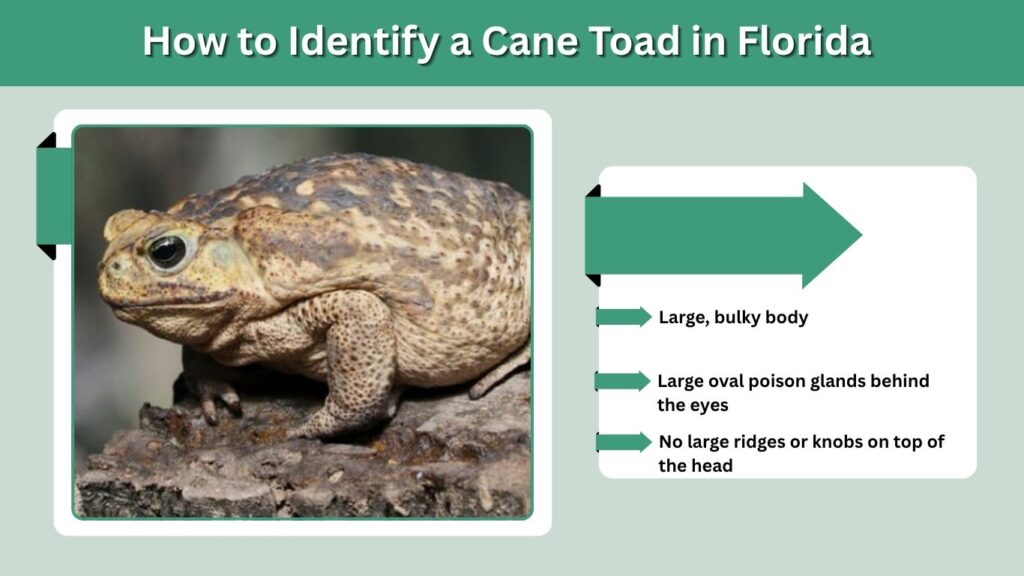
Cane toad identification is one of the most important parts of dealing with this species. These toads are often confused with native southern toads, but there are several clues that can help.
A cane toad is usually large, heavy-bodied, and warty. Adults are often bigger than many native Florida toads. The most important feature is the large poison gland behind each eye. These glands look like raised, oval swellings on the shoulders.
Cane Toad Identification Checklist
Look for these features:
- Large, bulky body
- Dry, warty skin
- Large oval poison glands behind the eyes
- No large ridges or knobs on top of the head
- Brown, tan, reddish, or grayish coloring
- Often seen at night near lights, water, or pet food
Young cane toads can be harder to identify because they are smaller. If you are unsure, compare the head shape and glands carefully or contact a local wildlife expert, extension office, or nuisance wildlife professional.
Cane Toad vs Florida Toad: Key Differences
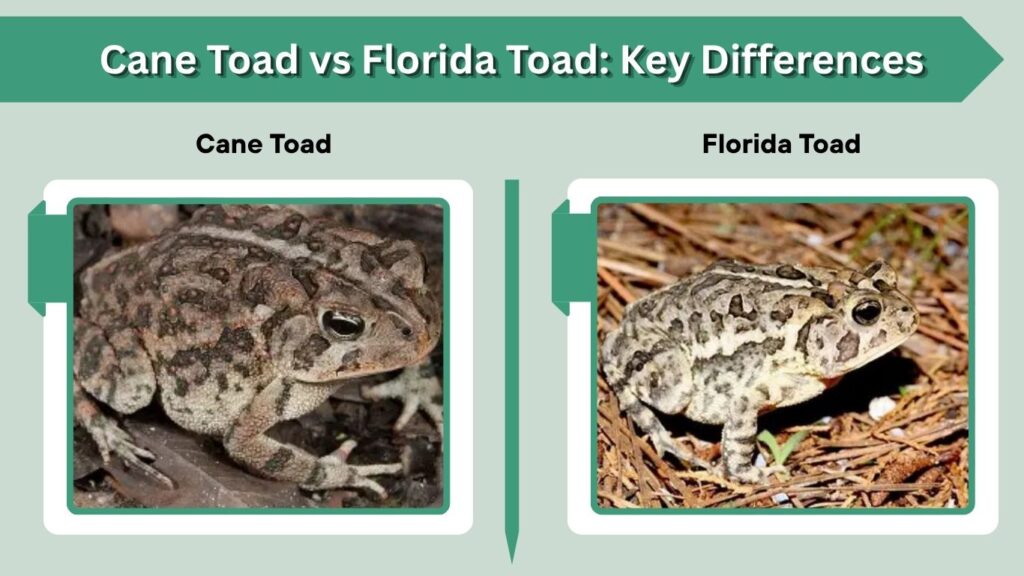
Florida has native toads, including the southern toad, that are often mistaken for cane toads. The difference matters because native toads are part of the local ecosystem and should not be harmed unnecessarily.
| Feature | Cane Toad | Native Southern Toad |
| Size | Often very large and bulky | Usually smaller |
| Poison glands | Large oval glands behind the eyes | Smaller glands |
| Head ridges | Usually lacks obvious head knobs | Has visible cranial knobs/ridges |
| Status in Florida | Nonnative invasive | Native |
| Pet danger | Highly toxic if bitten or licked | Can irritate pets but usually less dangerous |
The easiest field clue is the head. Southern toads often have two raised knobs or ridges between the eyes, while cane toads generally lack those prominent head knobs. Cane toads also tend to have larger, more obvious poison glands.
Are Cane Toads Poisonous in Florida?
Yes. Cane toads are poisonous, not venomous. That means they do not inject venom with a bite or sting. Instead, they release toxins from glands in their skin, especially the large glands behind their eyes.
The toxin can affect animals that bite, lick, mouth, or swallow the toad. Dogs are at highest risk because they may grab a moving toad before owners can react. Cats can also be affected, although dog cases are more common.
Cane Toad Poison Symptoms in Dogs
A dog exposed to cane toad toxin may show symptoms quickly. Watch for:
- Drooling or foaming at the mouth
- Red or irritated gums
- Pawing at the mouth
- Vomiting
- Disorientation
- Weakness
- Rapid heartbeat
- Seizures
- Collapse
Cane toad poisoning can become an emergency. Fast action matters, especially for small dogs or dogs that had the toad fully in their mouth.
What to Do If Your Dog Bites a Cane Toad
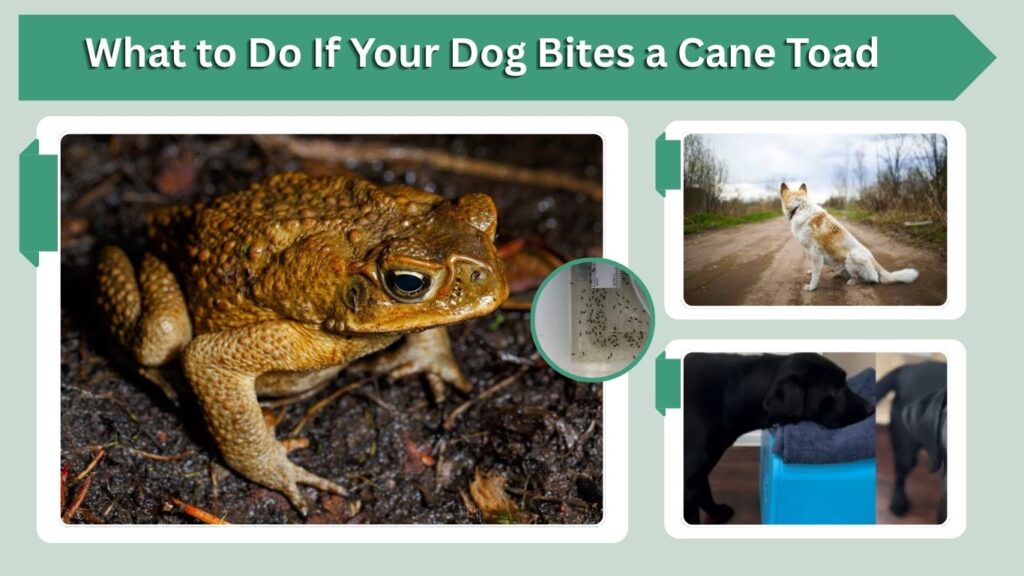
If your dog bites or licks a cane toad, act immediately and contact a veterinarian. Do not wait to see if symptoms get worse.
Use these steps:
- Move your dog away from the toad.
- Wipe the inside of the mouth with a damp cloth.
- Rinse the mouth carefully with water flowing outward, not down the throat.
- Do not let your dog swallow the rinse water.
- Call your veterinarian or an emergency animal hospital.
- Watch closely for drooling, stumbling, seizures, or collapse.
Do not use a high-pressure hose directly into the dog’s mouth. The goal is to remove toxin from the gums and mouth without causing choking or forcing toxin-contaminated water down the throat.
How Did Cane Toads Get to Florida?
Cane toads were brought to Florida in the 1930s as a biological control attempt. They were intended to control agricultural pests, especially insects affecting sugar cane. That early introduction did not succeed in the way people hoped.
Later, additional releases and escapes helped the species become established. Some populations may have started from animals released or escaped through the pet trade. Once cane toads reached suitable warm habitats, they were able to reproduce and spread locally.
This history is a common example of why nonnative species can become a long-term problem. A species introduced for one purpose may create unexpected risks for wildlife, pets, and people.
Why Cane Toads Are Invasive in Florida
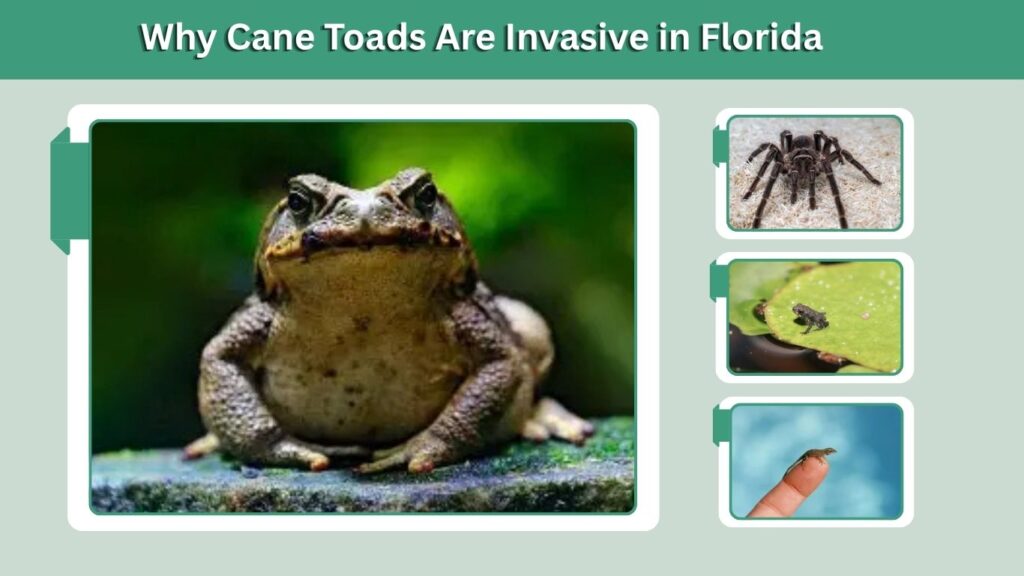
Cane toads are considered invasive because they are not part of Florida’s native ecosystem and can cause harm. Their toxins make them dangerous to many predators and pets. They also compete with native animals for food and habitat.
They eat many small animals and insects, including:
- Beetles and other insects
- Spiders
- Small frogs
- Small reptiles
- Pet food left outside
- Other small creatures they can swallow
Because they are generalist feeders, they can survive in many disturbed habitats. Neighborhoods with lights, water, insects, and outdoor food sources can unintentionally support them.
Cane Toad Sounds and Breeding Season in Florida
Cane toads call during breeding activity, especially around warm, wet periods. Their call is often described as a low, rattling trill. They breed in standing water such as ponds, ditches, canals, retention areas, and other shallow water bodies.
Breeding often increases after heavy rain. That is why residents may suddenly notice more toads after storms or during humid periods.
Cane toads lay long strings of eggs in water. These egg strings can contain many eggs, which helps populations grow quickly when conditions are right.
How to Get Rid of Cane Toads in Florida
Cane toad control works best when you combine direct removal with habitat changes. The goal is to make your property less attractive and reduce dangerous encounters with pets.
Practical steps include:
- Bring pet food and water bowls indoors at night.
- Turn off unnecessary outdoor lights.
- Remove brush piles, clutter, and hiding spots.
- Keep grass trimmed.
- Fill or drain unnecessary standing water.
- Use fencing or barriers around pet areas where practical.
- Supervise dogs outside after dark and after rain.
- Remove confirmed cane toads humanely from private property.
Cane toads are not protected in Florida except by anti-cruelty laws, but humane treatment is still required. Do not use cruel methods, chemicals, freezing without proper guidance, or anything that causes unnecessary suffering. If you are not sure how to remove them safely, contact a wildlife removal professional.
Should You Use Cane Toad Traps?
Cane toad traps may help in some areas, especially when paired with habitat changes. However, traps must be checked often because native frogs, toads, lizards, or other animals can enter them. Any native species should be released safely.
Trapping alone usually does not solve the problem if your yard still attracts cane toads with water, insects, lights, and pet food.
Can You Kill Cane Toads in Florida?
Yes, confirmed cane toads can be humanely killed on private property in Florida, but they must be handled according to anti-cruelty standards. This is important because many native toads are mistaken for cane toads.
Before killing any toad, confirm the identification. If you are unsure, take clear photos of the head, back, and poison glands, then ask a local extension office, wildlife agency, or trained removal expert for help.
Never relocate cane toads to another area. Moving invasive species can spread the problem.
How to Keep Dogs Safe from Cane Toads
For many Florida homeowners, cane toad control is really pet protection. Dogs are curious, fast, and often investigate moving animals before owners can react.
Use these prevention habits:
- Walk dogs on a leash at night.
- Use a flashlight to scan the yard before letting dogs out.
- Keep dogs away from ponds, canals, and wet areas after rain.
- Teach “leave it” and recall commands.
- Do not leave pet food outside.
- Check patios, pool decks, and doorways before opening the door.
- Keep emergency vet contact information available.
Small dogs may be at higher risk because a smaller amount of toxin can cause a serious reaction. However, any dog can be harmed by cane toad toxin.
Are Cane Toads Native to Florida?
No. Cane toads are not native to Florida. They are native to parts of Central America, South America, and extreme southern Texas. In Florida, they are classified as nonnative and invasive.
This is different from native Florida toads, which belong in the ecosystem and help control insects. Because native toads can look similar, homeowners should avoid harming any toad unless they are confident it is a cane toad.
What Eats Cane Toads in Florida?
Some predators may attempt to eat cane toads, but the toxin makes them risky prey. Many animals can become sick or die after biting or eating them. This includes pets, wildlife, and some predators that might normally eat frogs or toads.
Certain animals may learn to avoid cane toads, and some predators may target less toxic life stages, but cane toads still create danger in the food web. Their poison is one reason they are difficult for ecosystems to manage naturally.
FAQs
Are cane toads in Florida dangerous to humans?
Cane toads can be handled safely only with caution, but their toxin can irritate skin, eyes, and mucous membranes. The bigger concern is pets, especially dogs. People should avoid touching their face after handling any toad and should use gloves when removing a confirmed cane toad.
Where are cane toads found in Florida?
Cane toads are most common in South Florida, including many suburban areas with warm, wet habitat. They are often found near ponds, canals, ditches, irrigated lawns, and outdoor lights. Sightings can happen outside their main range, so identification is important across the state.
How big do cane toads get in Florida?
Adult cane toads can grow much larger than many native Florida toads. Their bulky body, large size, and big poison glands behind the eyes are key clues. Size alone is not enough for identification, though, because young cane toads can be small and confusing.
What should I do if I find a cane toad in my yard?
First, confirm that it is a cane toad and not a native Florida toad. Keep pets away from it. If it is a confirmed cane toad on private property, it may be removed and humanely killed. You can also contact a wildlife removal professional for help.
Are cane toads the same as bufo toads?
Yes, in Florida the name “bufo toad” is commonly used for the cane toad. Other names include giant toad and marine toad. The scientific name is Rhinella marina. No matter which name is used, the main concerns are toxicity, pet safety, and proper identification.
