
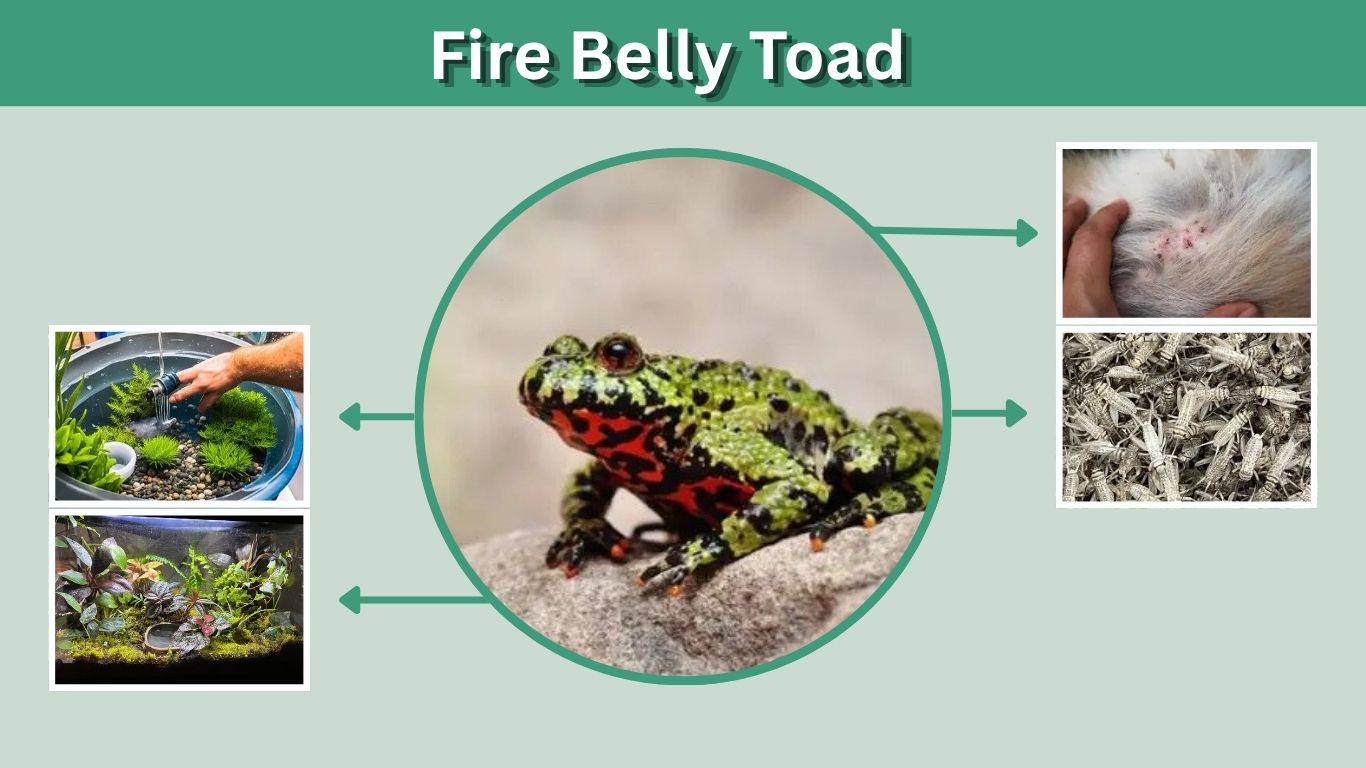
Fire belly toads are small, colorful amphibians known for their bright red, orange, or yellow underside. They are popular among pet keepers because they are active, easy to observe, and suitable for natural-looking paludarium setups. Although they are hardy, they still need clean water, proper humidity, safe handling, and a balanced diet to stay healthy in captivity.
What Is a Fire Belly Toad?
Fire belly toads are semi-aquatic amphibians from the genus Bombina. The most common pet species is the Oriental fire-bellied toad, also called the Chinese fire belly toad. These toads are not true toads in the strictest sense, but they are often called toads because of their bumpy skin and body shape.
Scientific Name and Common Names
The most common fire belly toad in the pet trade is the Oriental fire-bellied toad, scientifically known as Bombina orientalis. Other related species include the European fire-bellied toad and yellow-bellied toad. In pet stores and online listings, they may be called fire-bellied toads, fire belly toads, Oriental fire belly toads, or Chinese fire belly toads.
Appearance and Colors
Fire belly toads usually have green, brown, or olive backs with dark spots. Their underside is the most eye-catching part, showing bright red, orange, or yellow patches mixed with black markings. This bright belly color works as a warning signal to predators. Some captive-bred morphs may look lighter, darker, bluish, brown, or unusually patterned.
Fire Belly Toad Size
Most adult fire belly toads grow around 1.5 to 2.5 inches long. Females are often slightly larger and rounder than males, especially during breeding season. Their small size makes them suitable for compact tanks, but they still need enough space to swim, climb, hide, and explore.
Fire Belly Toad Habitat
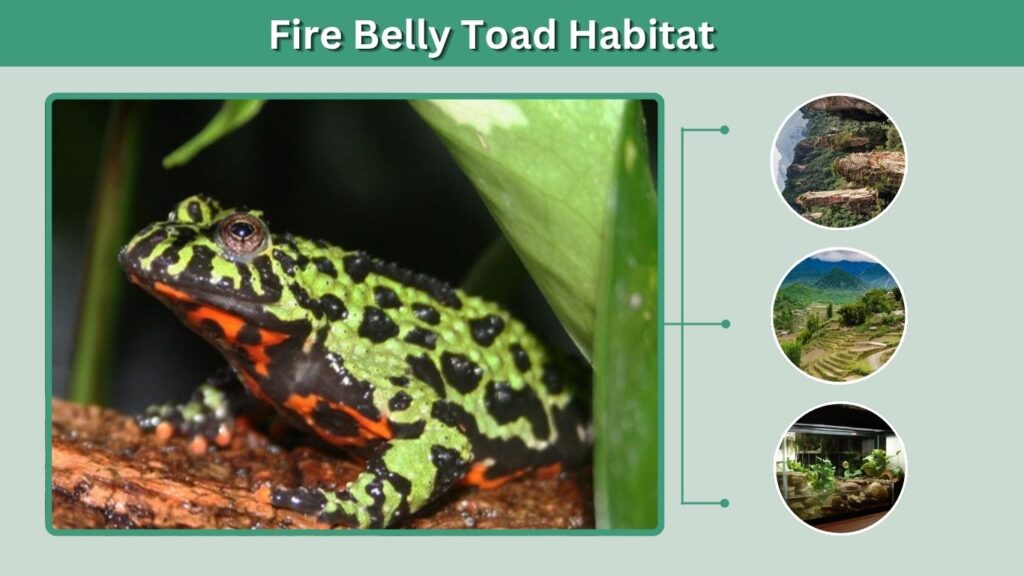
In the wild, fire belly toads live in wetlands, ponds, slow-moving streams, rice fields, marshes, and damp forest edges. They spend much of their time near shallow water, but they also use land areas for resting and hunting. A good pet setup should copy this mixed land-and-water lifestyle.
Natural Habitat
Oriental fire-bellied toads are native to parts of East Asia, including areas of China, Korea, and nearby regions. They prefer cool to mild environments with plenty of moisture. They are often found around shallow water with aquatic plants, muddy edges, and hiding places. This is why a paludarium-style enclosure works very well for them.
Tank Habitat Setup
A fire belly toad tank should include both land and water. Many keepers use a half-water, half-land setup, but a larger water area with floating cork, stones, or raised land sections can also work. The water must be shallow enough for easy access and clean enough to prevent skin problems.
Good setup items include:
- Shallow dechlorinated water
- Smooth rocks or cork bark
- Live or artificial plants
- Hiding places on land and in water
- Gentle filtration
- A secure tank lid
Fire Belly Toad Paludarium
A paludarium is one of the best enclosure styles for fire belly toads. It combines an aquarium section with a planted land area. This allows the toads to swim, climb, rest, and hunt naturally. Live plants such as pothos, Java moss, Anubias, and floating plants can help improve the look of the tank and provide cover.
Fire Belly Toad Tank Size and Enclosure
A proper enclosure keeps fire belly toads active, healthy, and less stressed. They do not need a huge tank, but the setup must be safe, escape-proof, and easy to clean. Tank size also depends on how many toads you want to keep together.
Recommended Tank Size
A 10-gallon tank can work for two fire belly toads, but a 20-gallon tank is better for a small group. More space gives them room to swim and reduces competition for food and hiding spots. Fire belly toads are social, but overcrowding can cause stress and poor water quality.
| Number of Fire Belly Toads | Minimum Tank Size | Better Tank Size |
| 1 to 2 toads | 10 gallons | 15–20 gallons |
| 3 to 4 toads | 20 gallons | 29 gallons |
| 5 or more toads | 30 gallons | 40 gallons or larger |
Water Area and Land Area
Fire belly toads are semi-aquatic, so they need both water and dry resting areas. The water should not be too deep unless there are easy exits everywhere. Smooth stones, cork bark, aquarium-safe platforms, and driftwood can help them climb out without difficulty. Avoid sharp decorations because amphibian skin is delicate.
Substrate and Decorations
For the land area, use safe substrates such as coconut fiber, sphagnum moss, or soil mixes designed for amphibians. Avoid gravel small enough to swallow. In the water area, large smooth stones or bare-bottom setups are easier to clean. Decorations should create hiding spaces without trapping the toads underwater.
Temperature, Lighting, and Humidity
Fire belly toads are not tropical heat-loving animals. They prefer cooler room temperatures and can become stressed if kept too warm. Their enclosure should stay moist, well-ventilated, and bright enough to support a natural day-and-night cycle.
Ideal Temperature
The best temperature range for fire belly toads is usually around 68°F to 75°F. They can tolerate slightly cooler conditions better than high heat. Temperatures above 80°F for long periods may cause stress, poor appetite, and health problems. In most homes, no heat lamp is needed unless the room is very cold.
Do Fire Belly Toads Need UVB?
Fire belly toads can survive without strong UVB lighting if they receive proper supplements, but low-level UVB can be helpful. A gentle UVB bulb may support natural behavior and calcium metabolism. The light should not overheat the tank, and shaded areas must be available so the toads can move away from the light.
Humidity and Ventilation
Humidity should stay moderate to high, but the tank should not be stale or moldy. A screen lid helps with airflow, while regular misting can keep the land area damp. Live plants and moss can help hold moisture. Good ventilation is important because dirty, wet conditions can lead to bacterial or fungal issues.
Fire Belly Toad Diet and Feeding
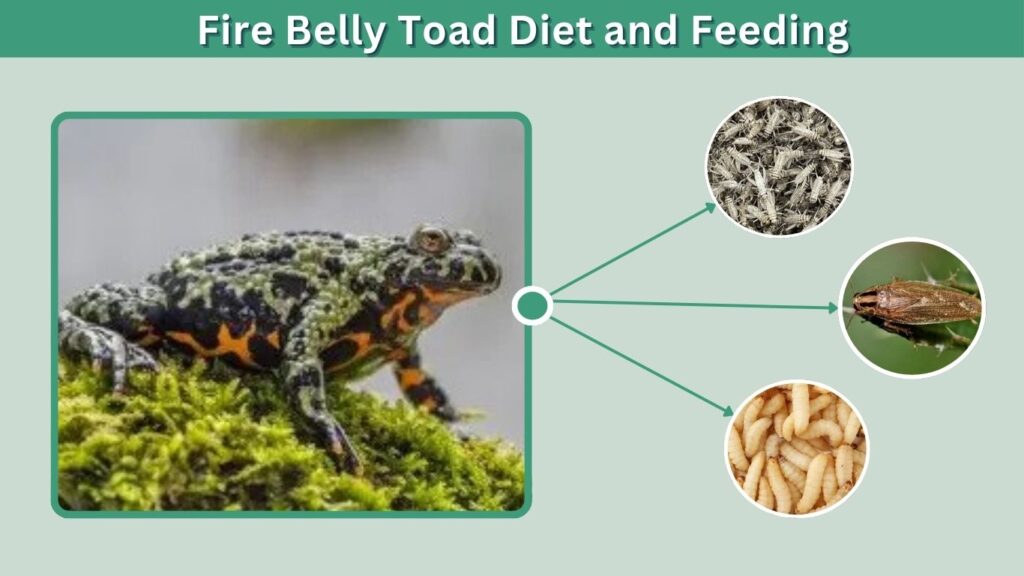
Fire belly toads are insect-eating amphibians. In captivity, they should receive a varied diet of small live insects. Feeding the same food every time can lead to poor nutrition, so variety and supplements are important.
What Do Fire Belly Toads Eat?
Fire belly toads eat small moving prey. They usually respond best to live insects because movement triggers their hunting instinct. Their mouth is small, so prey should be no wider than the space between the toad’s eyes.
Common foods include:
- Small crickets
- Fruit flies
- Waxworms as treats
- Small earthworms
- Small roaches
- Black soldier fly larvae
- Bloodworms occasionally
Feeding Schedule
Young fire belly toads can be fed more often, usually every day or every other day. Adults can be fed three to four times per week. Remove uneaten insects so they do not bother the toads or hide in the enclosure. Overfeeding can cause obesity, while underfeeding can make them weak and thin.
Supplements
Feeder insects should be dusted with calcium and vitamin supplements. Calcium is especially important for bone health. A calcium powder can be used regularly, while a multivitamin can be used less often. Do not overuse supplements, because too much can also cause problems.
Fire Belly Toad Lifespan and Health
Fire belly toads can live for many years with proper care. Their health depends heavily on clean water, correct temperature, safe food, and low stress. Many common problems come from poor enclosure hygiene or unsuitable tank conditions.
Fire Belly Toad Lifespan
A healthy fire belly toad can live around 10 to 15 years in captivity. Some may live longer with excellent care. Wild individuals often face more risks, including predators, pollution, parasites, and habitat changes. In captivity, stable conditions and proper feeding can greatly improve survival.
Signs of a Healthy Fire Belly Toad
A healthy fire belly toad should look alert and active. It may spend time in the water, rest on land, climb on plants, and quickly respond to food. The skin should look smooth for the species, not dry, damaged, or covered in strange patches.
Healthy signs include:
- Clear eyes
- Normal body weight
- Strong feeding response
- Smooth movement
- Bright belly color
- Regular activity
- Clean skin without sores
Common Health Problems
Common problems include bloating, skin infections, wounds, poor shedding, weight loss, and stress-related inactivity. Dirty water is one of the biggest causes of illness. If a fire belly toad looks swollen, refuses food for many days, floats strangely, or develops skin sores, it may need help from an exotic pet veterinarian.
Are Fire Belly Toads Poisonous?
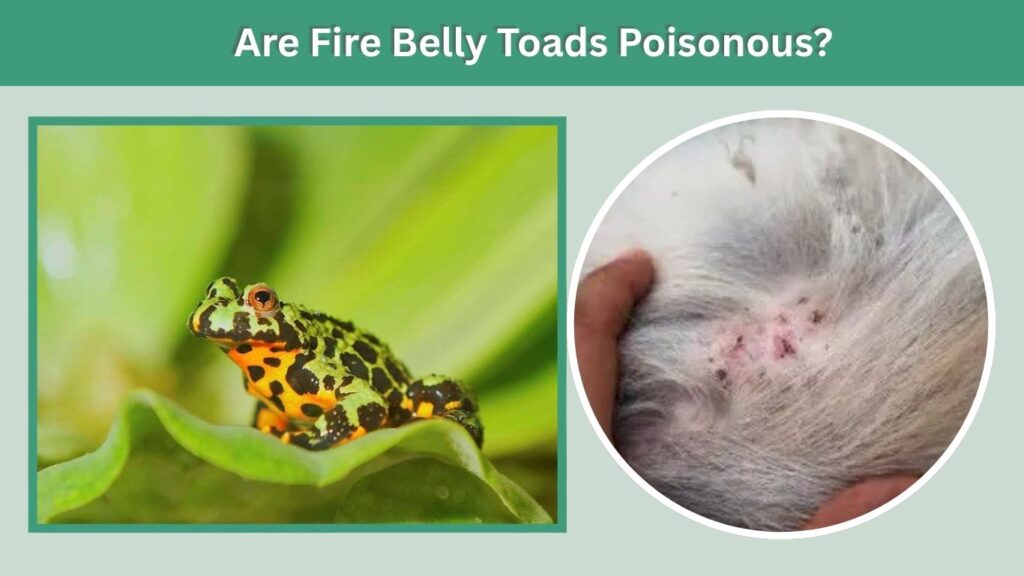
Fire belly toads are mildly toxic. Their bright underside warns predators that they can release irritating skin secretions. This does not mean they are dangerous pets when cared for correctly, but they should not be handled often or touched without washing hands afterward.
Poison and Skin Secretions
Fire belly toads can release a milky toxin from their skin when stressed. This secretion may irritate human skin, eyes, or mouth. It can also harm other animals if swallowed. Because of this, they should never be allowed near cats, dogs, small children, or other pets that might lick or bite them.
Can You Hold Fire Belly Toads?
You can hold a fire belly toad only when necessary, but they are better as display pets. Amphibians absorb substances through their skin, so oils, soap, lotion, and chemicals from human hands can harm them. If handling is required, use clean, wet hands or powder-free gloves.
Safety Tips for Owners
Good hygiene keeps both the owner and the toad safe. Always wash your hands before and after touching the enclosure. Do not touch your face while cleaning the tank. Keep their tools separate from kitchen items, and never clean amphibian equipment in areas used for food preparation.
Fire Belly Toad Behavior and Sounds
Fire belly toads are active, curious, and fun to watch. They are often visible during the day, especially when they feel secure. Their behavior can include swimming, floating, climbing, calling, hunting, and showing the bright belly as a warning pose.
Fire Belly Toad Call
Male fire belly toads can make soft barking, clicking, or croaking sounds. Calling is more common during breeding season or when males are trying to attract females. They are not extremely loud compared with many frogs, but a group of males may call regularly in a comfortable setup.
Do Fire Belly Toads Eat Each Other?
Adult fire belly toads usually do not eat each other if they are similar in size and well-fed. However, they may try to eat very small tank mates, tadpoles, or tiny froglets. Avoid mixing different sizes together. Also, do not house them with fish, newts, frogs, or other species unless you are highly experienced.
Defensive Behavior
When frightened, a fire belly toad may arch its back and show its bright underside. This behavior is called the unken reflex. It warns predators that the toad may taste bad or be toxic. If your toad does this often, it may be stressed by handling, loud movement, or an unsafe enclosure.
Breeding Fire Belly Toads
Fire belly toads can breed in captivity when conditions are suitable. Breeding usually requires healthy adults, clean water, seasonal changes, and plenty of aquatic plants or surfaces where eggs can attach.
Male vs Female Fire Belly Toad
Males are usually smaller and may have thicker forearms, rougher nuptial pads during breeding season, and more frequent calling behavior. Females are often larger and rounder, especially when carrying eggs. Sexing young fire belly toads can be difficult until they mature.
Eggs and Tadpoles
Female fire belly toads lay eggs in water, often attached to plants or decorations. Eggs hatch into tadpoles that live fully in water. Tadpoles need clean water, safe food, and protection from adults. Adult toads may eat eggs or tadpoles, so many breeders move them to a separate rearing container.
Fire Belly Toad Life Cycle
The life cycle starts with eggs, then tadpoles, then developing froglets, and finally adults. Tadpoles slowly grow legs, absorb their tail, and begin leaving the water. Young froglets are tiny and need small foods such as fruit flies and pinhead crickets.
Fire Belly Toad Morphs and Colors
Fire belly toads naturally vary in color, but captive breeding has also produced different-looking animals. Some are sold as morphs or color forms. These can be attractive, but care needs are generally the same as regular fire belly toads.
Common Color Forms
Fire belly toads may appear green, brown, olive, dark, pale, red-bellied, orange-bellied, or yellow-bellied. Some listings mention blue fire belly toads, albino fire belly toads, brown fire belly toads, or special strains. Availability depends on breeders and location.
Morph Care Needs
Morphs usually need the same care as standard fire belly toads. They still require clean water, cool temperatures, proper food, safe lighting, and low-stress handling. Do not choose a morph only for color; choose a healthy animal with clear eyes, good weight, and active behavior.
Buying Fire Belly Toads
Fire belly toads may be sold by reptile shops, amphibian breeders, expos, and online sellers. Captive-bred animals are usually the better choice because they are often healthier and reduce pressure on wild populations. Before buying, check local rules, seller reputation, and the animal’s condition.
Fire Belly Toad Care Tips for Beginners
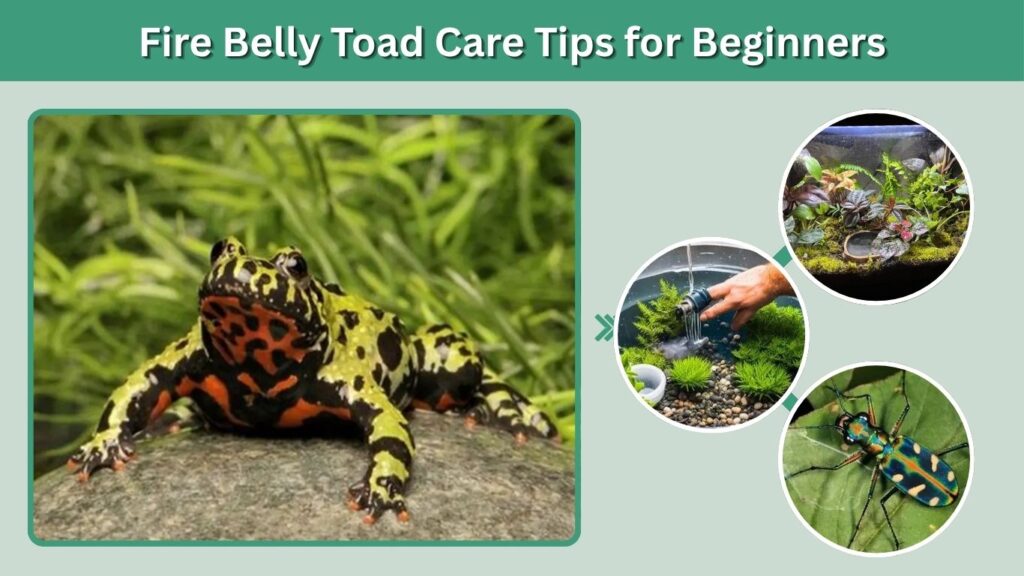
Fire belly toads are good beginner amphibians, but they are not maintenance-free. They need regular cleaning, careful water treatment, and stable conditions. Beginners should set up the enclosure before bringing the toads home.
Beginner Care Checklist
A simple checklist helps prevent common mistakes. Before buying a fire belly toad, prepare the tank and test the setup for a few days. Make sure the water is safe and the temperature stays within the right range.
Basic care checklist:
- Use dechlorinated water only
- Keep the tank cool, not hot
- Provide land and water areas
- Add several hiding places
- Feed varied small insects
- Dust food with supplements
- Clean waste regularly
- Avoid frequent handling
Water Quality
Water quality is one of the most important parts of fire belly toad care. Tap water must be treated with a reptile- or aquarium-safe dechlorinator. Partial water changes should be done regularly. A gentle filter can help, but it should not create strong current or trap the toads.
Best Tank Mates
The safest option is to keep fire belly toads with other fire belly toads of similar size. Fish and other amphibians are usually not recommended because they may be eaten, stressed, poisoned, or exposed to different care needs. A species-only tank is safer and easier to manage.
FAQs
Are fire belly toads good pets?
Yes, fire belly toads can be good pets for beginners who want a display amphibian. They are active, colorful, and interesting to watch. However, they need clean water, correct temperatures, and careful feeding. They are not ideal for people who want a pet they can hold often.
How long do fire belly toads live?
Fire belly toads usually live around 10 to 15 years in captivity when cared for properly. Some may live longer in excellent conditions. Their lifespan depends on clean water, proper diet, safe temperatures, low stress, and quick treatment if health problems appear.
Are fire belly toads poisonous to humans?
Fire belly toads are mildly poisonous because they can release irritating skin secretions. They are not usually dangerous if handled carefully, but their toxin can irritate skin, eyes, or mouth. Always wash your hands after touching them or cleaning their enclosure.
What size tank does a fire belly toad need?
A 10-gallon tank can work for one or two fire belly toads, but a 20-gallon tank is better. More space allows better land and water areas, easier cleaning, and more natural behavior. Larger groups need larger enclosures to avoid stress and poor water quality.
Can fire belly toads live with fish?
It is usually not recommended to keep fire belly toads with fish. The toads may try to eat small fish, and fish may stress or nip at the toads. Fire belly toads also produce skin secretions that may affect tank mates. A species-only setup is safest.
