
The Vietnamese mossy frog (Theloderma corticale) is one of the most unusual amphibians in the world. Known for its incredible camouflage that makes it look like a patch of moss, this frog has gained popularity among reptile and amphibian enthusiasts. Native to the humid forests of Vietnam, it thrives in cool, moist environments and is often kept in carefully designed vivariums. Despite its striking appearance, it is relatively shy and requires specific care conditions. Understanding its habitat, behavior, and needs is essential for anyone interested in keeping or studying this fascinating species.
What Is a Vietnamese Mossy Frog?
The Vietnamese mossy frog is a tree-dwelling amphibian belonging to the Rhacophoridae family. It is best known for its rough, green-and-black textured skin that mimics moss or lichen.
Scientific Classification
- Scientific name: Theloderma corticale
- Kingdom: Animalia
- Class: Amphibia
- Family: Rhacophoridae
This species is often referred to as the Vietnamese mossy tree frog due to its semi-arboreal lifestyle and preference for damp, forested environments.
Vietnamese Mossy Frog Appearance and Unique Camouflage
One of the most defining features of the Vietnamese mossy frog is its extraordinary camouflage. Its bumpy skin, mixed with shades of green, black, and brown, allows it to blend seamlessly into moss-covered rocks and tree bark. This natural disguise helps it avoid predators in the wild.
Key Physical Features
- Rough, moss-like skin texture
- Green coloration with dark spots
- Large eyes adapted for low-light vision
Can Vietnamese Mossy Frogs Change Color?
Unlike some reptiles, these frogs do not actively change color like chameleons. However, their appearance can slightly vary depending on lighting, humidity, and stress levels. This subtle shift enhances their already impressive camouflage.
Vietnamese Mossy Frog Natural Habitat and Distribution

The Vietnamese mossy frog is native to northern Vietnam, where it inhabits humid, subtropical forests. These frogs are commonly found near rocky streams, caves, and water-filled tree holes.
In the wild, they rely heavily on moisture and shaded environments. Their surroundings are typically cool, damp, and rich in vegetation. This makes them highly dependent on stable environmental conditions.
Wild vs Captive Environment
In captivity, replicating their natural habitat is crucial for their health. Owners must maintain high humidity levels, provide clean water sources, and include plenty of hiding spots. Without these conditions, the frog may experience stress or health issues.
Vietnamese Mossy Frog Size, Lifespan, and Life Cycle

Vietnamese mossy frogs are medium-sized amphibians with a relatively long lifespan compared to many other frog species.
Basic Size and Lifespan
- Average size: 2.5 to 3.5 inches
- Weight: Light-bodied amphibian
- Lifespan: Up to 10 years in captivity
Life Cycle Stages
Like most frogs, they undergo a complete metamorphosis. They begin as eggs laid in water, hatch into tadpoles, and eventually develop into fully formed adult frogs. Proper environmental conditions are essential at every stage of this cycle to ensure survival.
Are Vietnamese Mossy Frogs Poisonous?
A common question among beginners is whether Vietnamese mossy frogs are poisonous. The simple answer is no—they are not poisonous or venomous to humans.
Instead of relying on toxins, these frogs depend on their camouflage and stillness to avoid detection. When threatened, they may remain completely motionless, blending into their surroundings, or even play dead. This behavior is highly effective in confusing predators and ensuring their survival in the wild.
Vietnamese Mossy Frog Behavior and Sounds
Vietnamese mossy frogs are nocturnal and prefer to stay hidden during the day. They become more active at night, especially when hunting or during breeding periods. Their shy nature makes them less interactive compared to other pet frogs, but their behavior is fascinating to observe in a well-designed enclosure.
Do Vietnamese Mossy Frogs Make Noise?
These frogs are relatively quiet, but males can produce soft croaking sounds, particularly during the breeding season. The call is not loud or constant, making them suitable for indoor environments where noise may be a concern.
Vietnamese Mossy Frog Diet

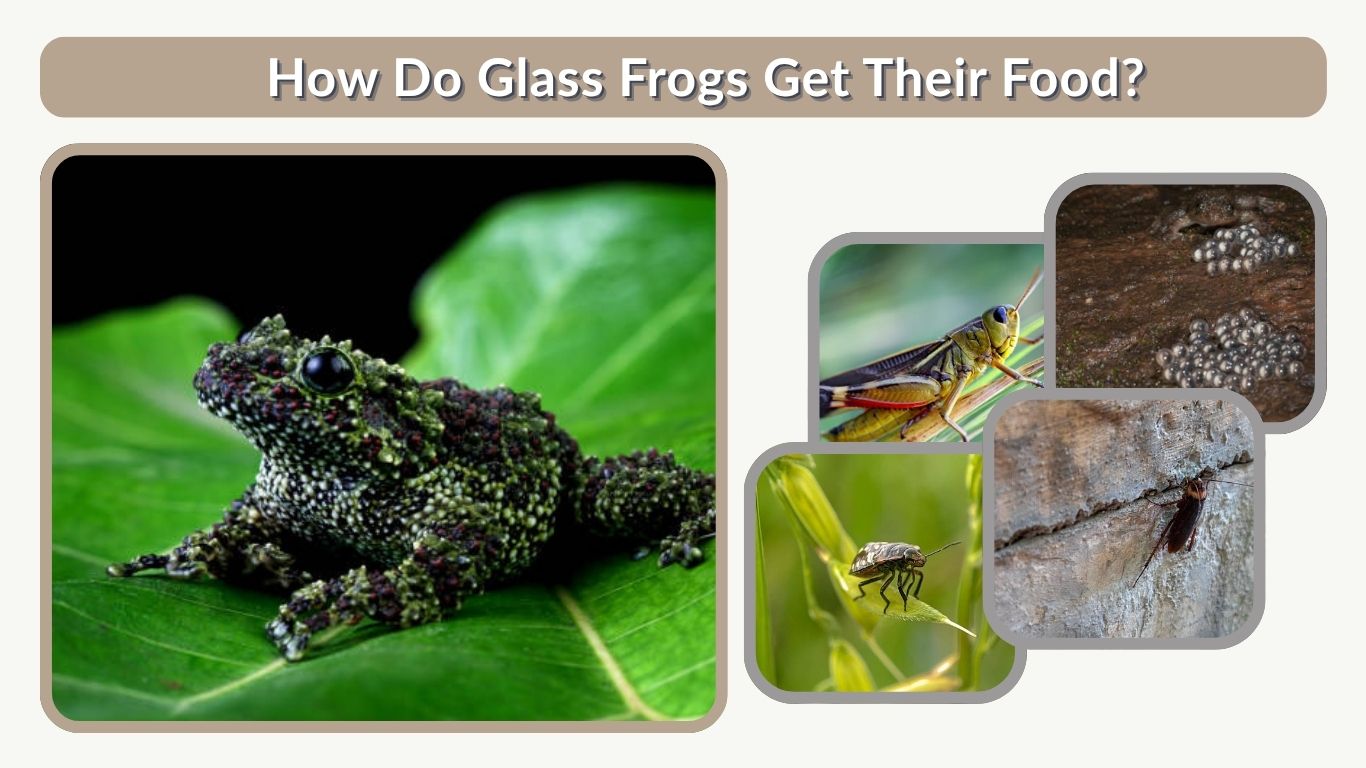
In the wild, Vietnamese mossy frogs feed on small insects and invertebrates. In captivity, their diet should closely mimic this natural feeding pattern to keep them healthy and active.
Feeding Tips
- Offer live insects such as crickets, mealworms, and small roaches
- Feed 2–3 times per week depending on age
- with calcium and vitamin supplements
- Avoid overfeeding to prevent obesity
A varied and balanced diet is essential for maintaining their health and supporting proper growth.
Vietnamese Mossy Frog Care Guide
Enclosure Setup
Creating the right enclosure is one of the most important aspects of caring for this species.
- Use a vivarium or paludarium with both land and water areas
- Minimum tank size: 10–20 gallons for a pair
- Include rocks, plants, and hiding spots
- Maintain clean, filtered water
Temperature and Humidity
- Ideal temperature: 68–75°F (20–24°C)
- Humidity: 70–90%
- Mist the enclosure regularly to maintain moisture
Lighting and Maintenance
- Use low to moderate lighting
- Provide a natural day/night cycle
- Clean the enclosure regularly to prevent bacteria buildup
Proper setup ensures the frog remains stress-free and mimics its natural habitat.
Breeding and Reproduction

Breeding Vietnamese mossy frogs can be rewarding but requires precise environmental conditions. In the wild, they lay eggs in water-filled cavities such as tree holes or rock crevices. The tadpoles develop in water before transforming into froglets.
In captivity, successful breeding often depends on maintaining high humidity, stable temperatures, and clean water. Males call to attract females, and once mating occurs, eggs are laid in secure, moist areas. Raising tadpoles requires careful monitoring of water quality and nutrition.
Vietnamese Mossy Frog as a Pet
Pros and Cons
- Unique and visually striking appearance
- Quiet and low-noise pet
- Requires specific care conditions
- Not ideal for frequent handling
Tank Mates
- Best kept alone or in species-only setups
- Avoid aggressive or larger animals
- Similar-sized, calm amphibians may work with caution
This species is best suited for hobbyists who enjoy observation rather than interaction.
Price and Where to Buy
Average Cost
- Typically ranges from $40 to $100
- Price depends on age, size, and breeder
- Captive-bred frogs are usually more expensive
Where to Buy
- Reputable online amphibian breeders
- Specialty reptile stores
- Avoid wild-caught specimens when possible
Buying from trusted sources ensures healthier animals and supports ethical practices.
FAQs
Are Vietnamese mossy frogs good pets?
Vietnamese mossy frogs can make excellent pets for experienced keepers who understand their environmental needs. They are not ideal for beginners due to their specific humidity and enclosure requirements, but their unique appearance makes them highly rewarding to care for.
What do Vietnamese mossy frogs eat?
They primarily eat live insects such as crickets, worms, and small roaches. A varied diet supplemented with calcium and vitamins helps maintain their health and supports proper growth in captivity.
Are Vietnamese mossy frogs loud?
These frogs are relatively quiet compared to many other species. Males may produce soft croaking sounds during the breeding season, but overall noise levels are low and suitable for indoor settings.
How much does a Vietnamese mossy frog cost?
The price usually ranges between $40 and $100 depending on factors like age, size, and whether the frog is captive-bred. Rare or high-quality specimens may cost slightly more.
Can you handle a Vietnamese mossy frog?
Handling should be minimal because their skin is sensitive and can absorb harmful substances. It is best to observe them in their enclosure rather than handle them frequently to avoid stress and health issues.
Conclusion
The Vietnamese mossy frog is a truly remarkable amphibian known for its natural camouflage and unique appearance. While it requires specific care and attention to detail, it can thrive in captivity when provided with the right environment. For those willing to meet its needs, this frog offers a fascinating and rewarding experience unlike any other pet amphibian.
