
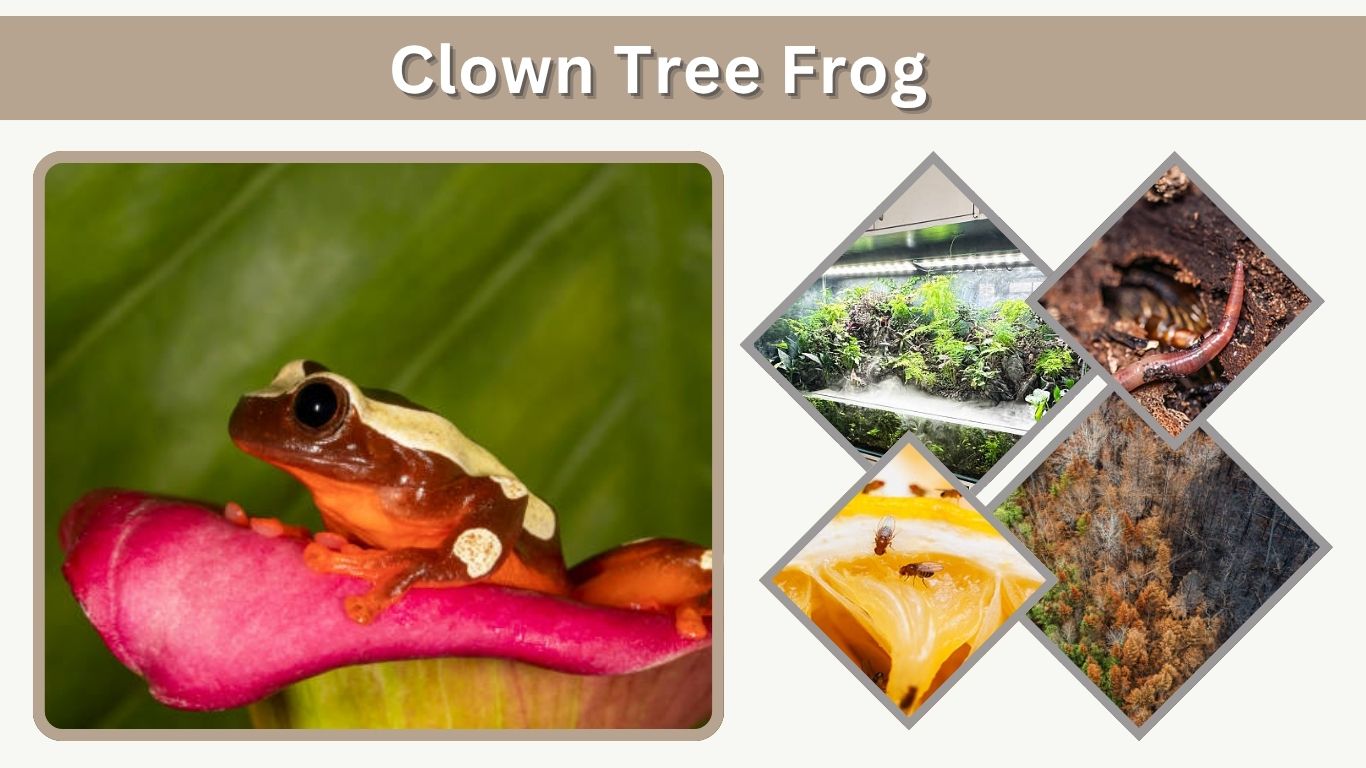
Clown tree frogs are fascinating amphibians known for their bold patterns, vibrant colors, and unique arboreal lifestyle. Native to the rainforests of South America, these frogs have become increasingly popular among exotic pet enthusiasts. Their striking appearance, combined with relatively quiet behavior, makes them appealing for display-focused setups. However, they require specific environmental conditions to thrive. Understanding their natural habitat, diet, and care needs is essential for keeping them healthy and active in captivity.
What Is a Clown Tree Frog?
Clown tree frogs are a group of tree-dwelling amphibians commonly found in humid tropical regions such as Suriname and Peru. They belong to the genus Dendropsophus and are known for their distinctive markings that resemble clown-like patterns.
Types of Clown Tree Frogs
- Suriname clown tree frog
- Reticulated clown tree frog
- Variable clown tree frog
- Giraffe phase clown tree frog
These variations differ mainly in color patterns and markings, but their care requirements are generally similar.
Clown Tree Frog Appearance and Size

Clown tree frogs are small, slender amphibians with smooth skin and eye-catching patterns. Their coloration can vary widely, including shades of red, blue, gray, and brown, often with stripes or reticulated designs.
How Big Do Clown Tree Frogs Get?
- Average size: 1.5 to 2.5 inches
- Maximum size: Around 3 inches
- Males are usually smaller than females
Their compact size makes them suitable for smaller enclosures, but they still need vertical space for climbing.
Clown Tree Frog Natural Habitat and Distribution
Clown tree frogs are native to the tropical rainforests of South America, where they live in warm, humid environments filled with dense vegetation. They are commonly found near water sources such as ponds, streams, and temporary rain pools.
These frogs spend most of their time in trees and shrubs, using their adhesive toe pads to climb and rest on leaves. The environment they inhabit is consistently moist, with high humidity levels and moderate temperatures. Replicating these conditions in captivity is essential for their survival and overall well-being.
Clown Tree Frog Behavior and Sounds
Clown tree frogs are nocturnal, meaning they are most active during the night. During the day, they tend to hide among leaves or inside sheltered areas to avoid predators and conserve moisture.
Are Clown Tree Frogs Loud?
- Males produce soft calls during breeding periods
- Sounds are usually not loud or disruptive
- Calling is more frequent at night
Their relatively quiet nature makes them suitable for indoor environments where excessive noise may be an issue.
Are Clown Tree Frogs Poisonous?
A common concern among potential owners is whether clown tree frogs are poisonous. While they are not dangerous to humans, they can produce mild skin secretions as a defense mechanism.
These secretions are not harmful under normal circumstances but may cause slight irritation if they come into contact with sensitive skin or eyes. Because of this, it is recommended to handle them minimally and always wash your hands before and after contact.
Clown Tree Frog Diet

In the wild, clown tree frogs feed on a variety of small insects and invertebrates. Their diet plays a crucial role in maintaining their health and energy levels.
Feeding Guide
- Offer live insects such as crickets, fruit flies, and small worms
- Feed 2–3 times per week depending on size and age
- Dust food with calcium and vitamin supplements
Providing a varied diet ensures proper nutrition and helps prevent deficiencies in captive frogs.
Clown Tree Frog Care Guide

Caring for a clown tree frog requires attention to humidity, temperature, and enclosure design. These frogs are not overly difficult to keep, but they do need a stable, well-maintained environment to stay healthy. Because they are arboreal and sensitive to changes, setting up the right habitat from the start is essential. With proper care, they can live comfortably and display natural behaviors in captivity.
Enclosure Setup
- Use a tall terrarium to support climbing behavior
- Minimum tank size: 10–20 gallons
- Include branches, plants, and vertical structures
Vivarium Conditions
- Temperature: 72–80°F (22–27°C)
- Humidity: 60–80%
- Regular misting is essential
Tank Setup Essentials
- Live or artificial plants for hiding
- Clean water source or misting system
- Secure lid to prevent escape
Proper enclosure design is key to keeping clown tree frogs comfortable and stress-free in captivity.
Clown Tree Frog Tank Size and Tank Mates
Choosing the right tank size and suitable tank mates is important for keeping clown tree frogs healthy and stress-free. Since these frogs are arboreal, they need vertical space to climb and explore. Overcrowding or mixing incompatible species can lead to stress, illness, or competition for food and space.
Tank Size Guidelines
- 10–20 gallons for 1–2 frogs
- 20–30 gallons for small groups
- Tall terrariums are preferred over wide tanks
- Provide plenty of vertical climbing structures
Tank Mates
- Best kept in species-only setups
- Can live with similar-sized, calm frogs (with caution)
- Avoid aggressive or larger species
- Do not mix frogs with different humidity or temperature needs
Breeding and Reproduction
Clown tree frogs breed in warm, humid conditions, often triggered by increased moisture similar to the rainy season. Males call to attract females, and once mating occurs, eggs are laid near water sources such as leaves or shallow pools.
The eggs hatch into tadpoles, which develop in water before transforming into froglets. In captivity, successful breeding requires stable temperature, high humidity, and clean water conditions. Raising tadpoles can be delicate, as they need proper nutrition and careful monitoring during development.
Clown Tree Frog as a Pet
Clown tree frogs can make unique and visually striking pets, especially for those who enjoy observing amphibians rather than handling them. They are relatively quiet and do not require constant interaction, but they do need a properly maintained environment. While not the easiest beginner pet, they can be rewarding for keepers willing to meet their care requirements.
Pros of Keeping Clown Tree Frogs
- Bright colors and attractive patterns
- Quiet and suitable for indoor setups
- Interesting nocturnal behavior
- Require minimal handling
Cons to Consider
- Sensitive to humidity and temperature changes
- Not ideal for frequent handling
- Require live food and regular maintenance
- Setup can take time and effort
Clown Tree Frog Lifespan and Health

Clown tree frogs can live several years in captivity when properly cared for. Their lifespan depends on diet, enclosure quality, and overall care.
Common Health Issues
- Dehydration due to low humidity
- Skin infections from poor hygiene
- Nutritional deficiencies
Maintaining clean conditions and proper feeding helps prevent most health problems.
Price and Where to Buy
Average Price
- Typically ranges from $30 to $80
- Rare color variations may cost more
- Captive-bred frogs are often healthier
Where to Buy
- Reputable online amphibian breeders
- Local exotic pet stores
- Avoid wild-caught frogs when possible
Fun Facts About Clown Tree Frogs
Clown tree frogs are known for their striking patterns, which can vary greatly between individuals. Their bright and contrasting colors help them blend into the complex textures of rainforest vegetation. Despite their small size, they are excellent climbers and spend most of their lives off the ground. Their nocturnal habits and calm nature make them more suited for observation rather than interaction.
FAQs
What do clown tree frogs eat?
Clown tree frogs eat small live insects such as crickets, fruit flies, and worms. In captivity, feeding them a varied diet along with calcium and vitamin supplements ensures proper nutrition and supports healthy growth and development.
Are clown tree frogs poisonous?
They are not dangerous to humans. Although they produce mild skin secretions as a defense, these are generally harmless. It is still recommended to wash your hands after handling to avoid irritation or contamination.
Are clown tree frogs nocturnal?
Yes, clown tree frogs are nocturnal. They remain hidden during the day and become active at night, especially when hunting or during breeding periods. This behavior is natural and should be considered when setting up lighting and feeding schedules.
How big do clown tree frogs get?
Most clown tree frogs grow between 1.5 and 2.5 inches in length, with some reaching up to 3 inches. Females are usually slightly larger than males, but overall they remain small and compact amphibians.
Do clown tree frogs need a tall terrarium?
Yes, a tall terrarium is important because they are arboreal and spend most of their time climbing. Vertical space allows them to behave naturally and reduces stress, making it essential for their well-being.
Conclusion
Clown tree frogs are beautiful and unique amphibians that can thrive in captivity with proper care. Their colorful patterns, quiet nature, and fascinating behavior make them a great choice for dedicated hobbyists. By providing the right environment, diet, and maintenance, you can enjoy observing these remarkable frogs for years.
