
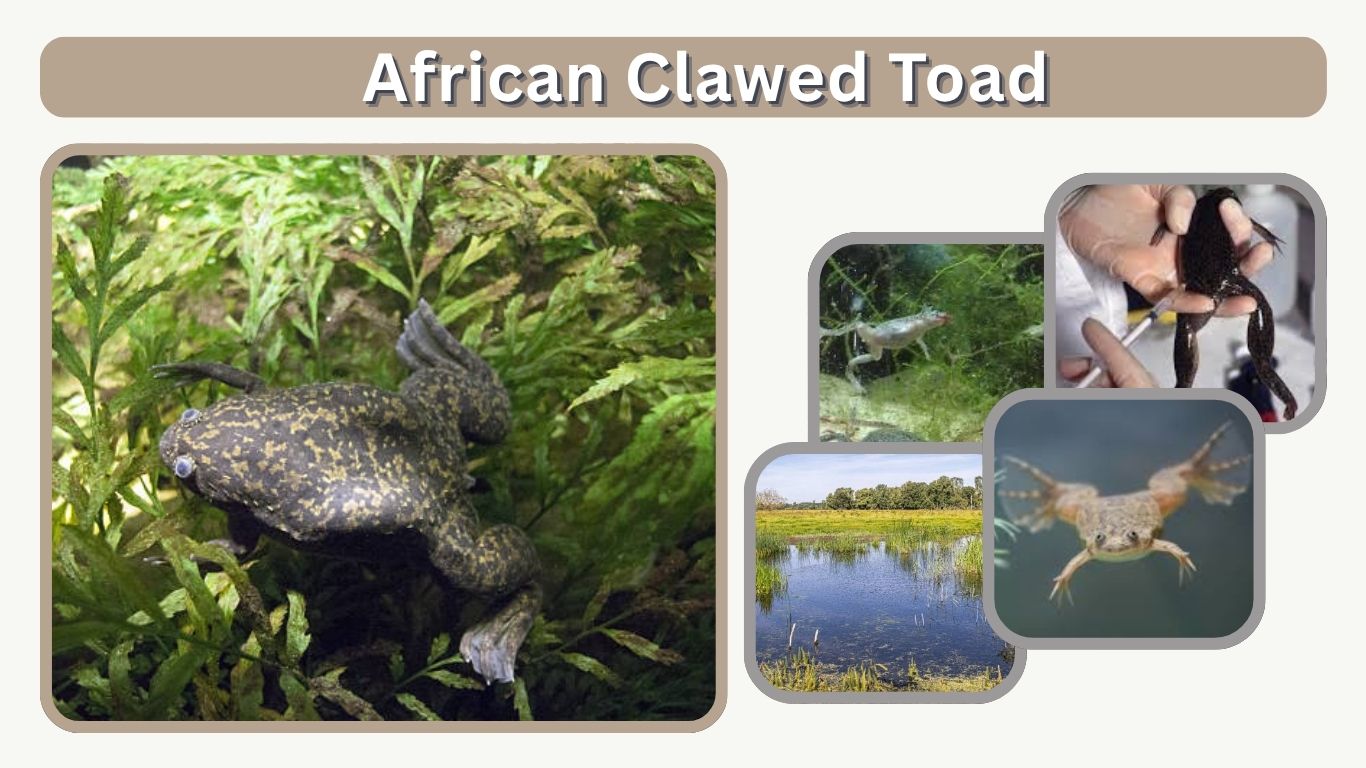
The African clawed toad (Xenopus laevis) is a unique aquatic amphibian known for its hardy nature and fascinating behavior. Native to Sub-Saharan Africa, it has become popular as a pet and widely studied in scientific research. Unlike typical frogs or toads, it lives entirely in water and uses its powerful hind legs for swimming. Its adaptability, long lifespan, and simple care needs make it an interesting choice for beginners and experienced amphibian keepers alike.
What Is an African Clawed Toad?
The African clawed toad is a fully aquatic amphibian with several distinctive features that set it apart from other species. It belongs to the genus Xenopus, which is well known in biological research and laboratory studies.
Scientific Classification
- Scientific name: Xenopus laevis
- Class: Amphibia
- Native to freshwater environments in Africa
Unique Characteristics
- Flattened body adapted for swimming
- Sharp claws on hind feet used for tearing food
- Lacks a tongue and uses hands to eat
- Highly sensitive to vibrations in water
African Clawed Toad Facts

This species is known for its resilience and interesting biological traits, making it both a fascinating pet and a valuable research animal.
- Lifespan can reach 10 to 20 years in captivity
- Females are typically larger than males
- Strong swimmers with powerful back legs
- Capable of regenerating some body parts
- Can survive in a wide range of water conditions
African Clawed Toad Appearance and Types
The African clawed toad has a distinctive look that makes it easy to identify. Its smooth skin, flat body, and webbed feet give it a unique aquatic appearance.
Standard Appearance
Most African clawed toads have olive, brown, or gray coloring that helps them blend into natural environments. Their eyes are positioned on top of the head, allowing them to stay alert while submerged. The hind feet are fully webbed and equipped with small black claws.
Albino African Clawed Toad
Albino varieties are commonly found in captivity and are easily recognized by their pale bodies and pink or reddish eyes. Despite their different appearance, their behavior and care requirements are nearly identical to the standard type. They are especially popular in aquariums due to their striking look.
African Clawed Toad Natural Habitat and Distribution

In the wild, African clawed toads are highly adaptable and can survive in various freshwater environments. They are native to regions across Sub-Saharan Africa, where they inhabit ponds, lakes, and slow-moving rivers.
These toads are known for their ability to tolerate different environmental conditions, including temporary water bodies. During dry periods, they may burrow into mud and remain dormant until water returns. Because of their adaptability, they have spread beyond their native range and are considered invasive in some parts of the world.
African Clawed Toad Care Guide
Keeping an African clawed toad is relatively simple, but proper setup and maintenance are essential for its long-term health.
Tank Setup
- Minimum tank size of 10–20 gallons
- Secure lid to prevent escape
- Minimal decorations to avoid injury
- Smooth surfaces and hiding spots
Water Conditions
- Use clean, dechlorinated water
- Maintain temperature between 18–24°C
- Install a gentle filtration system
- Perform regular water changes
Diet and Feeding
- Feed carnivorous diet such as worms and pellets
- Offer food 2–3 times per week
- Avoid overfeeding to prevent health issues
- Remove uneaten food to keep water clean
African Clawed Toad Behavior and Temperament

African clawed toads are active swimmers that spend most of their time exploring their environment. They are generally nocturnal, meaning they become more active at night. Instead of using a tongue, they grab food with their front limbs and push it into their mouths.
Although they may recognize feeding routines, they are not interactive pets and do not enjoy frequent handling. Their behavior is best observed rather than physically engaged with, making them ideal for those who enjoy watching aquatic life.
Reproduction and Breeding
African clawed toads have a fascinating reproductive cycle that takes place entirely in water. Breeding usually occurs when environmental conditions are favorable, such as stable temperatures and adequate food supply. The male grasps the female in a behavior called amplexus, which can last for several hours.
During this process, the female releases hundreds of eggs, which are fertilized externally. The eggs hatch into tadpoles within a few days, and these tadpoles gradually develop into fully formed toads over several weeks. Proper care and water quality are essential if breeding is attempted in captivity.
African Clawed Toad Pregnancy Test History

This species played a surprising role in early medical science, particularly in pregnancy testing before modern kits were developed.
How It Worked
- Female toads were injected with a sample of urine
- If the woman was pregnant, the toad would lay eggs
- The reaction occurred due to pregnancy hormones
Why It Was Important
- Provided a reliable early testing method
- Widely used before laboratory tests became common
- Helped advance biological and medical research
African Clawed Toad vs Dwarf Frog
Although they may look similar, African clawed toads and dwarf frogs are quite different in both appearance and care needs.
Key Differences
- Clawed toads are larger than dwarf frogs
- Eyes are positioned on top of the head in clawed toads
- Clawed toads are more aggressive feeders
- Dwarf frogs are fully aquatic but more delicate
Legal Status and Ownership
Before keeping an African clawed toad, it is important to understand local laws and regulations. In some regions, these toads are considered invasive due to their ability to adapt and outcompete native species. This has led to restrictions or bans in certain countries and areas.
Responsible ownership is essential. Owners should never release these toads into the wild, as this can harm local ecosystems. Always check local guidelines to ensure compliance and proper care.
Pros and Cons of Keeping African Clawed Toads
Like any pet, African clawed toads come with advantages and disadvantages that should be considered carefully.
Pros
- Hardy and adaptable species
- Simple care requirements
- Long lifespan compared to many amphibians
Cons
- Not suitable for frequent handling
- Can be aggressive toward tank mates
- Require long-term commitment
African Clawed Toad in Crossword Clues
The African clawed toad occasionally appears in crossword puzzles, especially those related to science or biology. The most common answer associated with this clue is “Xenopus,” which refers to the genus name. Its unique scientific relevance makes it a recognizable term in educational and puzzle contexts.
What Do African Clawed Toad Pictures Show?
Images of African clawed toads typically highlight their distinctive flat bodies and fully aquatic design. Their webbed hind feet with small claws are one of the most noticeable features. Albino varieties stand out due to their pale coloration and red eyes, while wild types blend into their surroundings with darker tones.
FAQs
Are African clawed toads good pets?
African clawed toads are considered good pets for beginners due to their hardy nature and simple care needs. They do not require complex setups and can adapt to various conditions. However, they are not interactive and prefer minimal handling, making them better suited for observation.
Do African clawed toads need a heater?
They do not always need a heater, as they can tolerate cooler water. However, maintaining a stable temperature between 18–24°C is ideal for their health. Sudden temperature changes should be avoided to prevent stress and illness.
How big do African clawed toads get?
These toads typically grow to about 4–5 inches in length, with females being larger than males. Growth depends on diet, water quality, and overall care. Providing enough space and proper nutrition helps them reach their full size.
Can African clawed toads live with fish?
It is not recommended to keep them with fish. They are opportunistic feeders and may eat smaller fish or injure larger ones. A species-only tank is usually the safest and most suitable option for their well-being.
Why are African clawed toads called “clawed”?
They are named for the small, sharp claws on their hind feet. These claws help them tear food apart and provide some defense in the wild. This feature is one of their most distinguishing physical traits.
