
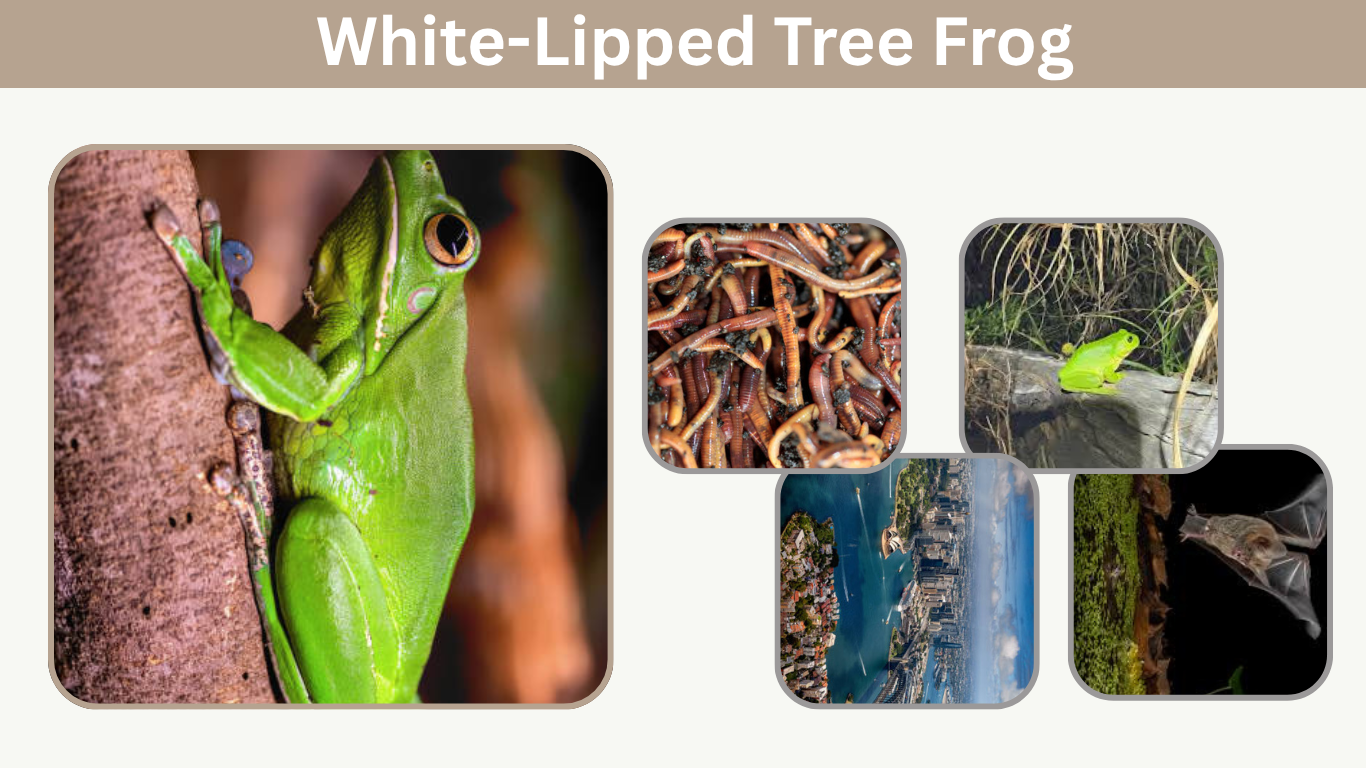
The white-lipped tree frog is a fascinating amphibian known for its large size, calm nature, and distinctive white stripe along its jaw. Native to tropical regions like Australia and New Guinea, it has become increasingly popular among exotic pet enthusiasts. This article explores essential details about this species, including its size, lifespan, habitat, and basic care requirements. Whether you are researching or planning to keep one, this guide will help you understand this unique frog better.
What Is a White-Lipped Tree Frog?
The white-lipped tree frog, scientifically known as Nyctimystes infrafrenata, is the largest tree frog species in the world. It gets its name from the bright white stripe that runs along its lower jaw, giving it a striking appearance. These frogs are arboreal, meaning they spend most of their time in trees, and they are primarily active at night.
White-Lipped Tree Frog Size, Lifespan, and Appearance
Understanding the physical traits of the white-lipped tree frog helps in both identification and proper care.
How Big Do White-Lipped Tree Frogs Get?
These frogs can grow between 10 to 14 cm (around 4 to 5.5 inches) in length. Females are generally larger than males, which is common among many frog species. Their large size is one of the main reasons they are called “giant” tree frogs.
Lifespan
In captivity, white-lipped tree frogs can live between 10 to 15 years when given proper care. Factors such as diet, habitat conditions, and stress levels play a significant role in determining how long they live.
Physical Appearance
They are typically bright green, though some individuals may show bluish tones under certain lighting. The most recognizable feature is the white stripe that runs along the lower jaw. Their smooth skin and large eyes give them a distinctive and appealing look.
White-Lipped Tree Frog Natural Habitat and Distribution

The white-lipped tree frog thrives in warm, humid environments. It is commonly found in tropical rainforests across northern Australia, New Guinea, and parts of Indonesia.
Where Do They Live?
These frogs live in dense forests where there is plenty of vegetation and access to water sources. Being arboreal, they prefer to stay in trees rather than on the ground.
Environmental Conditions
Their natural habitat provides constant warmth and high humidity. These conditions are essential for their survival, as their skin requires moisture to function properly. Replicating this environment is important when keeping them in captivity.
What Do White-Lipped Tree Frogs Eat?

Diet plays a crucial role in maintaining the health of these frogs. They are opportunistic feeders and will eat a variety of prey.
- Crickets are a staple food and should be fed regularly
- Roaches provide good nutrition and variety
- Worms such as mealworms and earthworms can be included
- Larger adults may occasionally eat small vertebrates
Feeding should be done several times a week, depending on the frog’s size and age. It is also important to provide properly nourished insects to ensure balanced nutrition.
White-Lipped Tree Frog Care Guide
Keeping a white-lipped tree frog requires attention to its environment and daily needs.
Tank Setup
A vertical terrarium is ideal since these frogs love climbing. The enclosure should include branches, live or artificial plants, and hiding spots to mimic their natural habitat.
Tank Size
A single adult frog needs at least a 20 to 30-gallon enclosure. Larger spaces are recommended if housing more than one frog to prevent overcrowding.
Temperature and Humidity
Maintaining proper conditions is essential for their health.
- Temperature should be kept between 24°C and 28°C
- Nighttime temperatures can drop slightly
- Humidity levels should remain between 60% and 80%
- Regular misting helps maintain moisture
White-Lipped Tree Frog Handling and Behavior
White-lipped tree frogs are generally calm but are not ideal for frequent handling. Their skin is delicate and can absorb harmful substances from human hands.
Can You Hold a White-Lipped Tree Frog?
Handling should be minimal and only done when necessary. Always ensure your hands are clean and free from chemicals before touching the frog.
Behavior and Activity
These frogs are nocturnal and spend most of the day resting. At night, they become active, climbing and exploring their enclosure.
Sounds and Calls
They are known for their loud croaking, especially during mating seasons. Their calls can be quite noticeable, which is something potential owners should consider.
Are White-Lipped Tree Frogs Poisonous?

White-lipped tree frogs are not considered dangerous to humans, but they do produce mild skin secretions as a natural defense. These secretions can cause slight irritation if they come into contact with sensitive skin or eyes. It is always recommended to wash your hands before and after handling the frog to avoid any potential issues. Overall, they are safe to keep as pets when basic hygiene practices are followed.
White-Lipped Tree Frog Breeding and Life Cycle
Understanding the breeding process and life cycle of this species provides insight into its development and natural behavior.
Breeding Behavior
Breeding usually occurs during warm, rainy conditions when humidity levels are high. Males produce loud calls to attract females, often near water sources where eggs can be safely laid.
Eggs and Tadpoles
After mating, females lay eggs in water. These eggs hatch into tadpoles, which live in water and gradually develop limbs as they grow.
Growth to Adult
The transformation from tadpole to froglet takes several weeks. As they mature, they leave the water and begin living an arboreal lifestyle, eventually reaching full size within a year or more.
Predators and Adaptations

In the wild, white-lipped tree frogs face several threats but have developed adaptations that help them survive.
- Birds are among their most common predators
- Snakes often hunt them in forested areas
- Their green coloration helps them blend into foliage
- Strong climbing ability allows quick escape into trees
- Nocturnal behavior reduces exposure to daytime predators
Key Facts About White-Lipped Tree Frogs
This species stands out for several unique traits that make it both interesting in the wild and appealing as a pet.
- It is the largest tree frog species, reaching impressive sizes compared to others
- Known for its vibrant green color and distinctive white lip line
- Nocturnal, meaning it is most active during the night
- Excellent climbers due to strong limbs and adhesive toe pads
- Produces loud calls, especially during breeding periods
White-Lipped Tree Frog as a Pet
Keeping a white-lipped tree frog as a pet can be rewarding, but it also comes with responsibilities.
Pros
- Large size makes them visually impressive
- Generally hardy when proper care is provided
- Interesting nocturnal behavior
Cons
- Requires consistent humidity and temperature control
- Not suitable for frequent handling
- Can be noisy due to loud calls
Price and Availability
White-lipped tree frogs are available in the exotic pet trade, though availability may vary depending on location.
Cost and Buying Considerations
The price typically ranges between $50 and $150, depending on age and source. It is important to buy from reputable breeders to ensure the frog is healthy and captive-bred.
Availability
These frogs can sometimes be found in specialty pet stores or through online breeders. Availability may be limited in some regions, so research is important before purchasing.
Conclusion
The white-lipped tree frog is a remarkable species known for its size, beauty, and unique behaviors. While it is relatively hardy, it requires a properly maintained environment and careful handling. With the right care, it can live for many years and make an interesting addition to an amphibian collection. Understanding its needs is essential for ensuring a healthy and stress-free life.
FAQs
Are white-lipped tree frogs good pets?
They can make good pets for experienced keepers who understand their environmental needs. While they are relatively hardy, they require proper humidity, temperature, and minimal handling to stay healthy.
How big do white-lipped tree frogs get?
They can grow up to about 14 cm (5.5 inches), making them the largest tree frog species. Females are usually larger than males.
What do white-lipped tree frogs eat?
Their diet mainly consists of insects such as crickets, roaches, and worms. Larger adults may occasionally eat small vertebrates.
Can white-lipped tree frogs be handled?
Handling should be limited because their skin is sensitive. Frequent handling can cause stress and may harm their health.
How long do white-lipped tree frogs live?
With proper care, they can live between 10 and 15 years in captivity, making them a long-term commitment for pet owners.
