
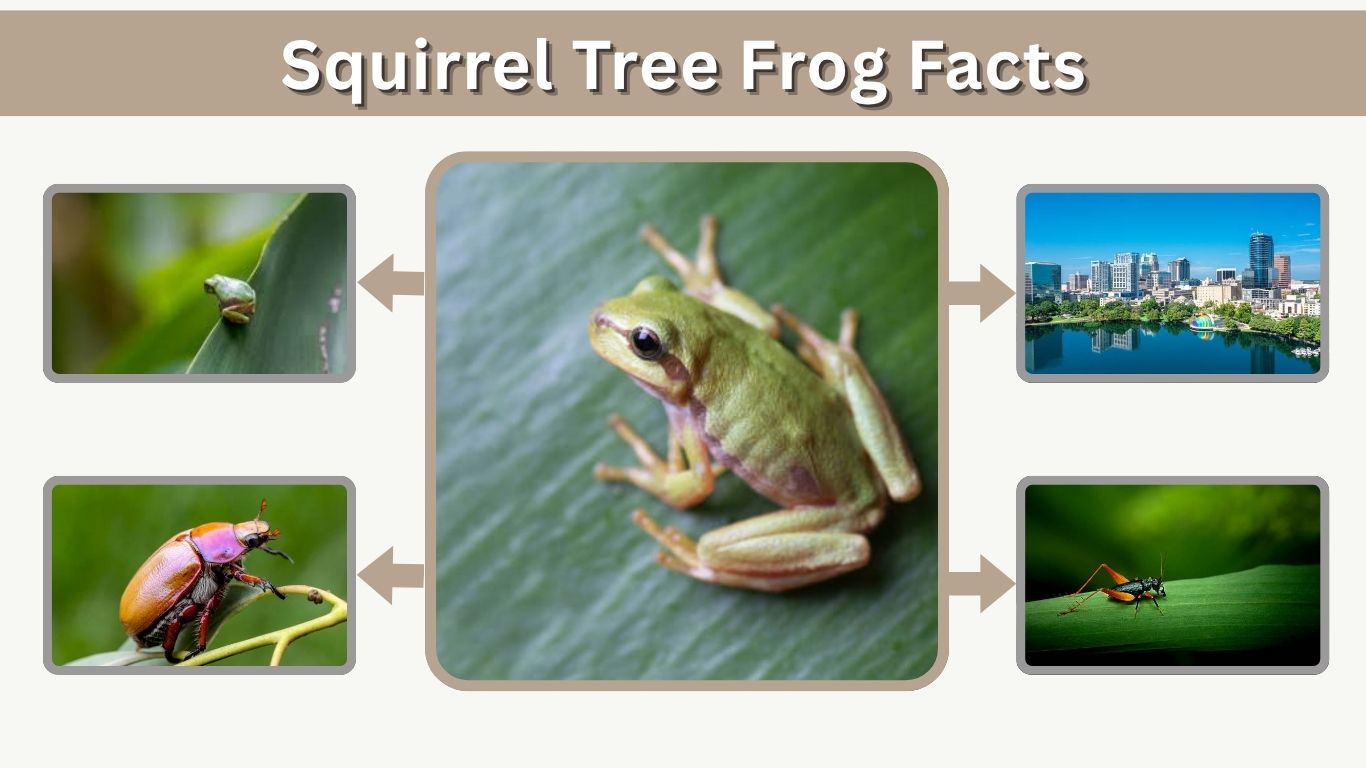
The squirrel tree frog (Hyla squirella) is a small, adaptable amphibian commonly found in the southeastern United States. Known for its unique call that resembles a squirrel or duck-like chirp, this frog is often heard more than seen. It thrives in wetlands, forests, and even suburban areas, making it one of the most widespread tree frogs in its range. Its ability to change color and survive in different environments makes it an interesting species for both nature enthusiasts and researchers alike.
What Is a Squirrel Tree Frog?
The squirrel tree frog is a small tree-dwelling amphibian belonging to the Hylidae family. It is widely recognized for its variable color and distinctive vocalizations. This species is native to the southeastern United States and is commonly found in Florida and nearby regions, where warm and humid conditions support its survival.
Key Features of the Species
- Scientific name: Hyla squirella
- Known for squirrel-like or quacking calls
- Highly adaptable to different environments
Scientific Classification and Identification
Understanding the classification of the squirrel tree frog helps identify its place among amphibians. It belongs to the tree frog family and shares similarities with other small frogs, though its call and color variation make it unique.
Scientific Name and Taxonomy
The squirrel tree frog is scientifically known as Hyla squirella. It belongs to the Hylidae family, which includes many species of tree frogs. These frogs are characterized by their climbing ability and specialized toe pads.
How to Identify a Squirrel Tree Frog
Identification can be challenging due to its changing colors, but certain features remain consistent. It typically has a slender body and smooth skin, allowing it to blend into its surroundings effectively.
Squirrel Tree Frog Physical Characteristics and Size
The squirrel tree frog is relatively small, making it easy to overlook in natural settings. Despite its size, it has strong limbs and excellent climbing ability, which help it navigate trees and vegetation.
Size and Appearance Details
- Average length ranges from 1 to 1.5 inches
- Color varies from green to brown or gray
- Smooth skin and long legs for climbing
Squirrel Tree Frog Habitat and Geographic Range

The squirrel tree frog is widely distributed across the southeastern United States. It thrives in warm climates and is especially common in Florida, Texas, and the Carolinas. These frogs are highly adaptable and can live in both natural and human-modified environments.
Where They Are Commonly Found
They are often seen in wetlands, marshes, and forest edges, but they also appear in gardens, backyards, and near homes. Their ability to survive in urban areas makes them one of the most frequently encountered tree frogs.
Behavior and Adaptations
The behavior of the squirrel tree frog reflects its adaptability and survival strategies. It is primarily nocturnal and becomes most active during warm, humid nights. Its ability to change color helps it avoid predators and remain hidden.
Adaptations for Survival
- Color-changing ability for camouflage
- Strong toe pads for climbing surfaces
- Nocturnal habits to reduce predation
Sounds and Communication
The squirrel tree frog is well known for its distinctive vocalizations. Its calls are often heard during the evening or after rainfall, making it a familiar sound in many southern environments. These sounds play a key role in communication and reproduction.
What Does a Squirrel Tree Frog Sound Like?
The call of this frog is often described as a nasal chirp or quacking sound. Some people compare it to the noise made by squirrels or even small ducks. This unique sound helps distinguish it from other frog species.
Why They Make These Sounds
These vocalizations are mainly used to attract mates and establish territory. Males call repeatedly during breeding season, especially after rain, to signal their presence to females nearby.
Squirrel Tree Frog Diet and Feeding Habits

The squirrel tree frog is an opportunistic feeder that plays an important role in controlling insect populations. Its diet mainly consists of small invertebrates found in its environment, making it beneficial for maintaining ecological balance in both natural and urban areas.
What Do Squirrel Tree Frogs Eat
- Flies, moths, and beetles
- Ants and small insects
- Spiders and other tiny invertebrates
Squirrel Tree Frog Life Cycle and Reproduction

The life cycle of the squirrel tree frog is closely tied to water and seasonal rainfall. These frogs breed in temporary or permanent water bodies, where their eggs can develop safely. Their rapid development helps them survive in changing environmental conditions.
Breeding and Egg Laying
During the breeding season, females lay eggs in shallow water. These eggs attach to vegetation or float freely, depending on the environment. Rainfall often triggers breeding activity.
Tadpoles and Metamorphosis
Once hatched, the tadpoles grow quickly and undergo metamorphosis into froglets. This transformation allows them to leave the water and adapt to life on land in a short period.
Are Squirrel Tree Frogs Poisonous?
Many people are concerned about whether squirrel tree frogs are harmful. In general, these frogs are not dangerous to humans or most pets. While they may produce mild skin secretions, these are not considered toxic in a serious way.
Are They Dangerous to Humans
Squirrel tree frogs are harmless to humans and do not pose any real threat. They are not aggressive and rarely interact with people unless handled.
Are They Poisonous to Dogs or Cats
These frogs are generally safe for pets, though a curious dog or cat might experience mild irritation if it tries to eat one. This reaction is usually temporary and not severe.
Squirrel Tree Frog vs Other Frogs

The squirrel tree frog is often confused with other species, especially the green tree frog and the invasive Cuban tree frog. Understanding the differences helps with proper identification and awareness.
Comparison Highlights
- Smaller than Cuban tree frogs
- More variable in color than green tree frogs
- Distinctive call compared to other species
Can Squirrel Tree Frogs Be Kept as Pets?
Although squirrel tree frogs may seem like interesting pets due to their small size and unique behavior, they are not ideal for captivity. They require specific environmental conditions, including proper humidity and diet, which can be difficult to maintain. Additionally, handling can cause stress to these delicate amphibians. In many areas, keeping wild frogs may also be restricted by local laws, so it is important to check regulations before considering them as pets.
Interesting Facts About Squirrel Tree Frogs
The squirrel tree frog has several fascinating traits that make it stand out among amphibians. These facts highlight its unique adaptations and behaviors.
Quick Facts
- Their call can sound like a duck or squirrel
- They can change color to blend into surroundings
- Commonly found in urban environments
- Most active after rain
FAQs
What does a squirrel tree frog sound like?
The squirrel tree frog produces a nasal, chirping or quacking sound that is often compared to a squirrel or small duck. These calls are most commonly heard at night, especially during the breeding season or after rainfall.
How big do squirrel tree frogs get?
Squirrel tree frogs are small, typically growing to about 1 to 1.5 inches in length. Their compact size allows them to hide easily in vegetation and makes them difficult to spot in the wild.
Are squirrel tree frogs poisonous?
No, squirrel tree frogs are not poisonous to humans. They may produce mild skin secretions, but these are not harmful. It is still best to avoid handling them unnecessarily to protect both the frog and yourself.
Where do squirrel tree frogs live?
They are found throughout the southeastern United States, including Florida, Texas, and the Carolinas. They prefer wetlands, forests, and even suburban areas with access to moisture and vegetation.
Can squirrel tree frogs be kept as pets?
While it is possible, they are not ideal pets due to their delicate nature and specific care requirements. They are better appreciated in their natural habitat where they can thrive without stress.
