
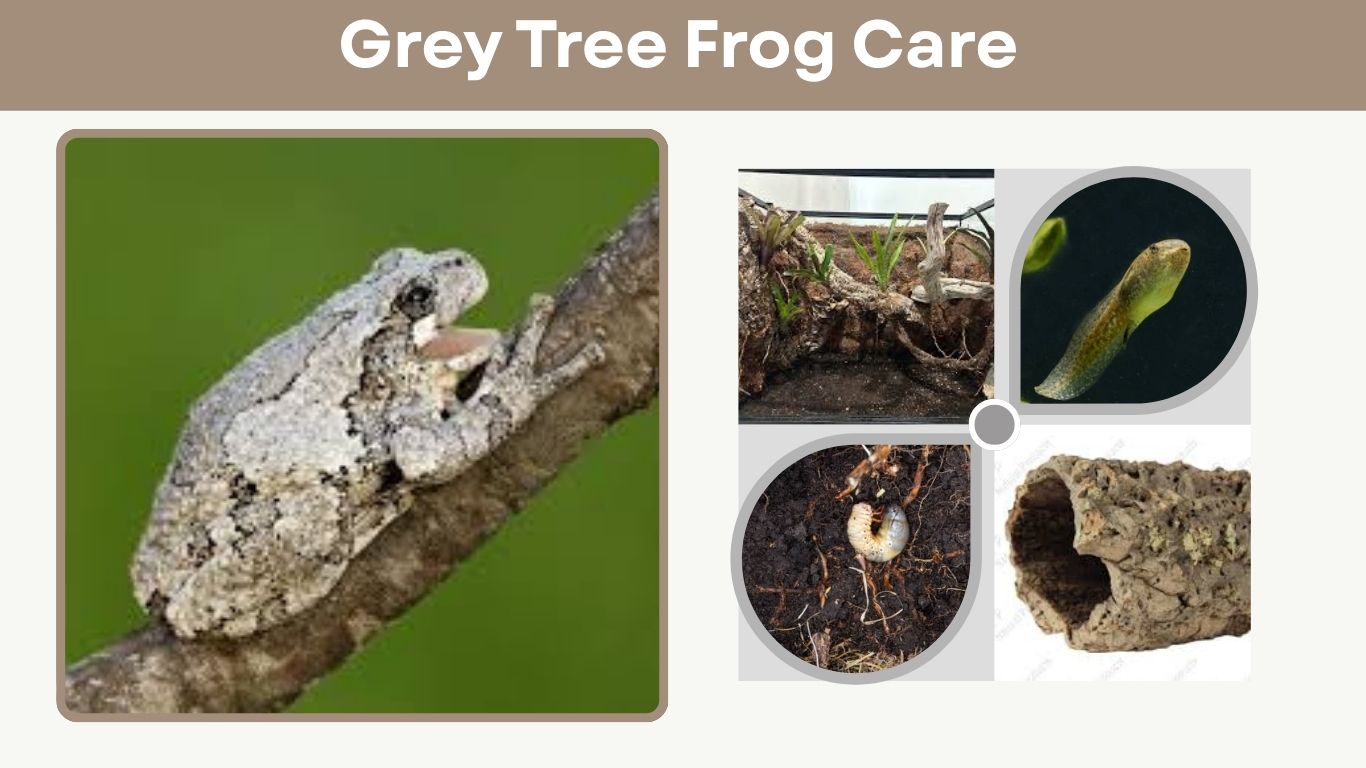
Grey tree frogs are small North American amphibians known for their climbing ability, changing colors, and loud nighttime calls. These frogs are popular among nature lovers and reptile keepers because they are relatively easy to care for and adapt well to captivity. Grey tree frogs are commonly found in forests, wetlands, gardens, and suburban areas throughout the eastern United States. Understanding their habitat, feeding habits, behavior, and enclosure needs is important for keeping them healthy and stress-free in captivity.
What Is a Grey Tree Frog?
Grey tree frogs are small arboreal frogs belonging to the Hyla genus. The two species most commonly discussed are the eastern grey tree frog and Cope’s grey tree frog. Although they look almost identical, their calls and genetics are different.
These frogs are famous for their ability to change color depending on temperature, humidity, and surroundings. Their skin may appear grey, green, brown, or nearly black. This natural camouflage helps them hide from predators during the day while resting on tree bark or leaves.
Adult grey tree frogs are usually between 1.25 and 2 inches long. They have sticky toe pads that allow them to climb smooth surfaces and spend most of their lives above ground in trees and shrubs.
Common Characteristics of Grey Tree Frogs
- Rough, slightly bumpy skin texture
- Bright yellow or orange markings under the legs
- Large toe pads for climbing
- Excellent camouflage abilities
- Loud trilling mating calls at night
Where Grey Tree Frogs Live
Grey tree frogs are found throughout much of eastern North America. Their range includes:
- Michigan
- Ohio
- Wisconsin
- Georgia
- Missouri
- Massachusetts
- Maryland
- Florida
They prefer moist woodland habitats near ponds, lakes, swamps, or temporary rain pools where breeding takes place during spring and summer.
Grey Tree Frog Sounds and Calls
Grey tree frogs are best known for their loud nighttime calls. During breeding season, males gather near water and produce trilling sounds to attract females. Their calls are often heard after rainfall or on warm humid evenings.
The eastern grey tree frog produces a slower musical trill, while Cope’s grey tree frog creates a faster and shorter trill. Because the two species look nearly identical, their calls are usually the easiest way to tell them apart in the wild.
Why Grey Tree Frogs Call
Male frogs call for several important reasons during breeding season. These sounds help them communicate and compete with other males.
Mating Purposes
Male frogs use loud trills to attract females during spring and summer nights.
Territory Signals
Calls can warn nearby males to stay away from preferred breeding spots.
Species Identification
Different call speeds help females identify the correct species before mating.
Grey tree frogs are nocturnal, so they become most active after sunset. Their calls may continue throughout the night during warm rainy weather.
Grey Tree Frog Care Sheet

Grey tree frogs can make good pets for beginners who are willing to maintain proper humidity and enclosure conditions. They are relatively low maintenance but still require careful habitat management to stay healthy.
Grey Tree Frog Habitat Setup
A vertical terrarium is ideal because these frogs spend most of their time climbing. A 12 to 18-inch tall enclosure works well for one or two adult frogs. Good ventilation is important to prevent excessive moisture buildup while still maintaining humidity.
The enclosure should include branches, cork bark, climbing vines, and live or artificial plants. These features provide hiding spots and mimic the frog’s natural environment.
Humidity levels should stay between 50% and 70%. Light misting once or twice daily usually helps maintain proper moisture levels. A shallow dish of clean dechlorinated water should always be available.
Temperature and Lighting Needs
Grey tree frogs do not usually require intense heating. Normal room temperatures between 72°F and 78°F are generally suitable. Temperatures should not become excessively hot because overheating can stress the frogs.
Low-level UVB lighting may benefit captive frogs, although many keepers successfully maintain them without strong UVB exposure. A regular day and night cycle is still important for healthy behavior patterns.
Can Grey Tree Frogs Live Together?
Grey tree frogs can often live together peacefully if the enclosure is large enough and all frogs are similar in size. Overcrowding should be avoided because it can lead to stress and competition for food.
When housing multiple frogs together, keepers should monitor feeding carefully to ensure each frog eats properly. Sick or weak frogs should always be separated from healthy individuals to reduce disease risks.
What Do Grey Tree Frogs Eat?
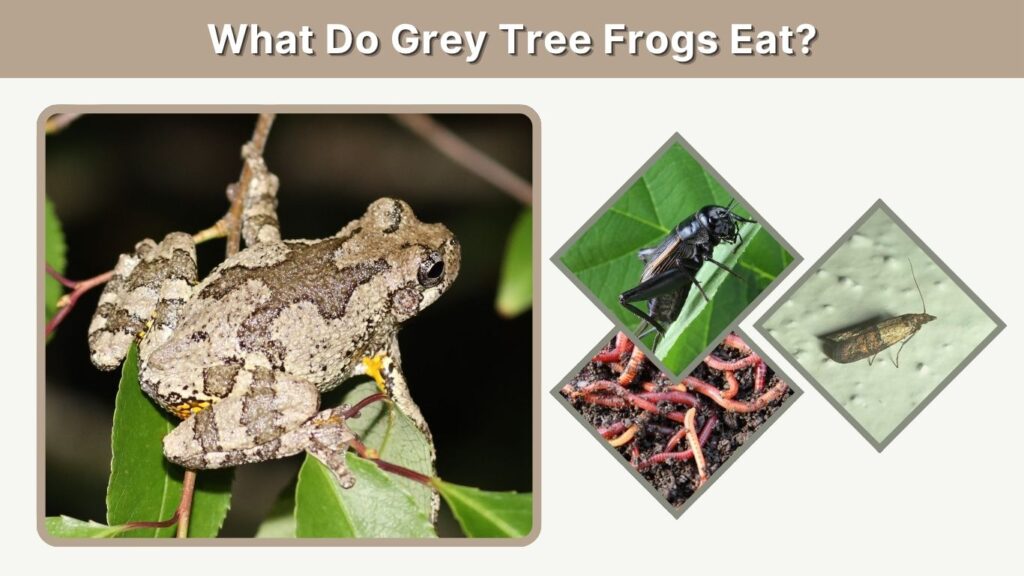
Grey tree frogs are insectivores that feed on a variety of live insects in both wild and captive environments. They hunt mainly at night and rely on movement to locate prey.
A healthy captive diet usually includes properly sized insects dusted with calcium and vitamin supplements. Young frogs generally require feeding more often than adults because they grow rapidly during early development.
Best Foods for Grey Tree Frogs
- Crickets
- Mealworms
- Waxworms
- Small moths
- Flies and roaches
Adult grey tree frogs are typically fed every two to three days, while juveniles may eat daily. Fresh water and a clean enclosure are also essential for maintaining good health and preventing infections.
Grey Tree Frog Lifespan and Life Cycle

Grey tree frogs go through several developmental stages during their lives, beginning as eggs and eventually transforming into fully developed climbing frogs. Their growth process depends heavily on temperature, humidity, and access to clean water.
In the wild, grey tree frogs generally live between 5 and 7 years. With proper care in captivity, some individuals may live even longer. Healthy diets, clean enclosures, and stable environmental conditions all contribute to longer lifespans.
From Eggs to Tadpoles
Breeding usually takes place during late spring and early summer after warm rains. Females lay clusters of eggs in shallow ponds, marshes, or temporary pools without strong currents. These eggs hatch within several days depending on water temperature.
After hatching, tadpoles remain in the water while developing legs and lungs. During this stage, they feed on algae and organic material before eventually transforming into tiny froglets that leave the water.
Juvenile and Adult Development
Young grey tree frogs grow quickly during warm months and gradually develop stronger climbing abilities. As they mature, their coloration becomes more variable, allowing better camouflage in different surroundings.
Adult frogs spend most of their time resting in trees, shrubs, or hidden crevices during the day. At night, they emerge to hunt insects and search for mates during breeding season.
Do Grey Tree Frogs Hibernate?
Grey tree frogs survive cold winters through a natural hibernation process called brumation. During late autumn, they hide beneath bark, logs, leaves, or tree cavities to protect themselves from freezing temperatures.
These frogs produce special compounds in their bodies that help prevent severe tissue damage during freezing conditions. This unique adaptation allows them to survive harsh winters across northern regions of North America.
Are Grey Tree Frogs Poisonous?
Grey tree frogs are not considered dangerous to humans, but they do produce mild skin secretions that may irritate sensitive skin or mouths. These secretions serve as a defense mechanism against predators in the wild.
Although they are often described as poisonous, their toxins are relatively mild compared to truly dangerous amphibians. Most healthy adults experience no serious issues after brief contact, though washing hands afterward is always recommended.
Are Grey Tree Frogs Dangerous to Dogs?
Dogs and cats may drool, paw at their mouths, or experience mild irritation if they bite or lick a grey tree frog. Serious poisoning is uncommon, but pets should still be prevented from handling frogs directly.
Pet owners should monitor animals closely if contact occurs and seek veterinary advice if symptoms become severe or persistent.
Can You Touch Grey Tree Frogs?
Grey tree frogs should be handled as little as possible. Amphibians absorb moisture and chemicals directly through their skin, making them sensitive to oils, soap residue, and contaminants on human hands.
If handling becomes necessary, hands should be rinsed thoroughly with clean water beforehand and after contact to protect both the frog and the handler.
Grey Tree Frogs as Pets

Grey tree frogs are popular pets because of their manageable size, interesting behaviors, and relatively simple enclosure requirements. They are especially appealing to people interested in observing natural amphibian behaviors rather than frequent handling.
These frogs are generally calm and spend much of the day resting quietly among leaves or branches. Their activity increases after sunset when they begin climbing, hunting, and calling.
Benefits of Keeping Grey Tree Frogs
- Small enclosure requirements
- Fascinating climbing behavior
- Unique color-changing ability
- Relatively easy feeding routine
- Long captive lifespan with proper care
Important Care Considerations
While grey tree frogs are beginner friendly, they still require consistent humidity, clean water, and live food. Poor environmental conditions may quickly lead to dehydration, infections, or stress-related illness.
Captive-bred frogs are usually healthier and adapt better to life in terrariums than wild-caught individuals. Responsible breeders also help reduce pressure on wild frog populations.
FAQs
Are grey tree frogs poisonous to humans?
Grey tree frogs produce mild skin secretions that may cause slight irritation, but they are not considered dangerous to humans. Washing hands after handling is still recommended.
What do grey tree frogs eat?
Grey tree frogs mainly eat live insects such as crickets, flies, moths, mealworms, and small roaches.
How long do grey tree frogs live?
Grey tree frogs typically live 5 to 7 years in the wild, though captive frogs may live longer with proper care.
Can grey tree frogs change color?
Yes, grey tree frogs can change between shades of grey, green, brown, and black to blend into their surroundings.
Do grey tree frogs need a heat lamp?
Most grey tree frogs do well at normal room temperatures and usually do not require strong heating equipment.
