
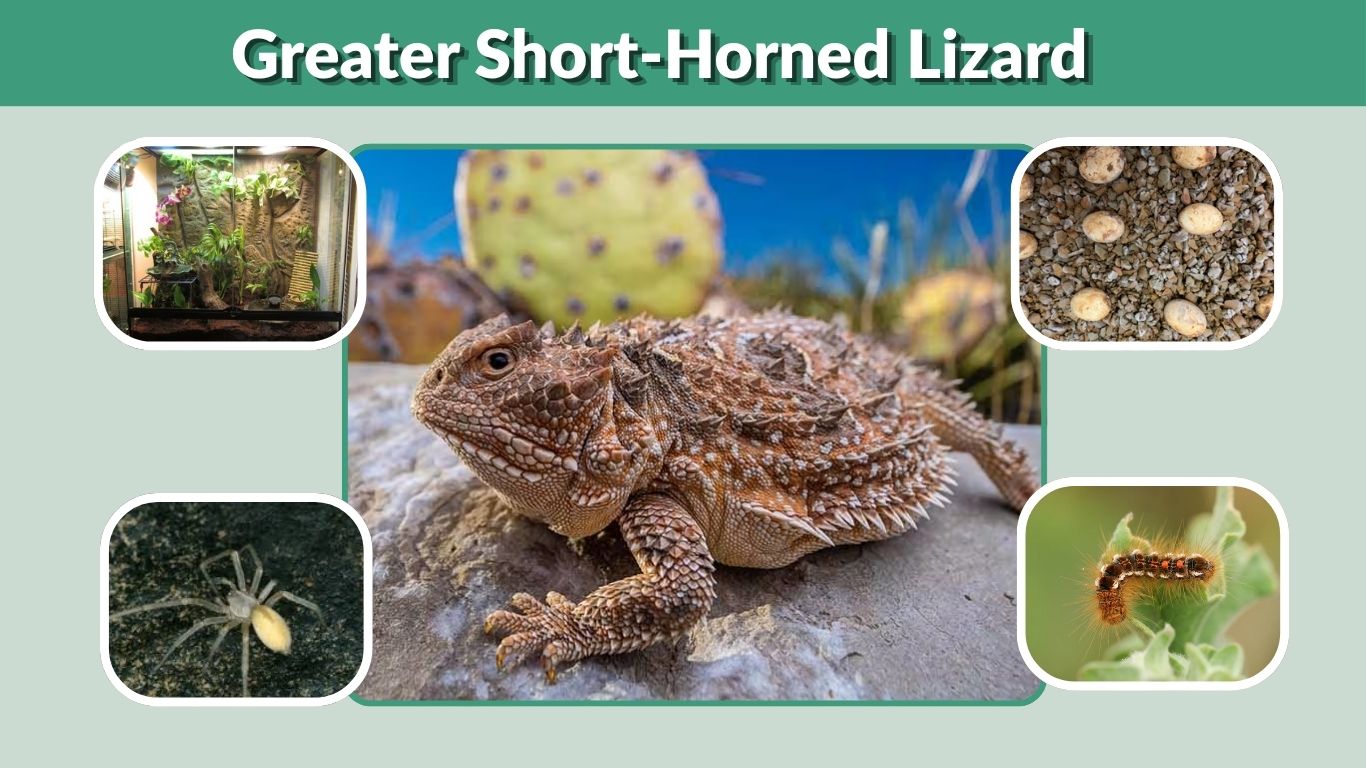
The greater short-horned lizard (Phrynosoma hernandesi) is one of North America’s most fascinating reptiles. Known for its flattened body, short horns, and remarkable ability to survive in diverse environments, this species can be found from deserts and grasslands to mountain regions. Unlike many reptiles, it gives birth to live young rather than laying eggs. Its unique adaptations, camouflage abilities, and unusual defense mechanisms have made it a popular subject among wildlife researchers, reptile enthusiasts, and nature lovers throughout the United States and Canada.
What Is a Greater Short-Horned Lizard?
The greater short-horned lizard is a small reptile belonging to the horned lizard family. It is recognized by its short crown-like horns, rounded body, and excellent camouflage. This species is often called the mountain short-horned lizard or pygmy short-horned lizard in certain regions, although all belong to the same species complex.
Scientific Classification
The greater short-horned lizard belongs to the genus Phrynosoma, which includes several species of horned lizards native to North America. Its scientific name is Phrynosoma hernandesi.
Common Names
Throughout its range, this reptile is known by several names:
- Greater short-horned lizard
- Short-horned lizard
- Mountain short-horned lizard
- Pygmy short-horned lizard
- Short-tailed horned lizard
Physical Appearance
The species has a broad, flattened body covered with rough scales. Short horns project from the back of the head, while its coloration varies from gray and brown to reddish shades that blend well with surrounding habitats.
Size and Weight
Adult greater short-horned lizards typically reach 3 to 5 inches (7.5–13 cm) in length. Their compact body shape helps them conserve energy and adapt to a variety of environmental conditions.
Where Do Greater Short-Horned Lizards Live?
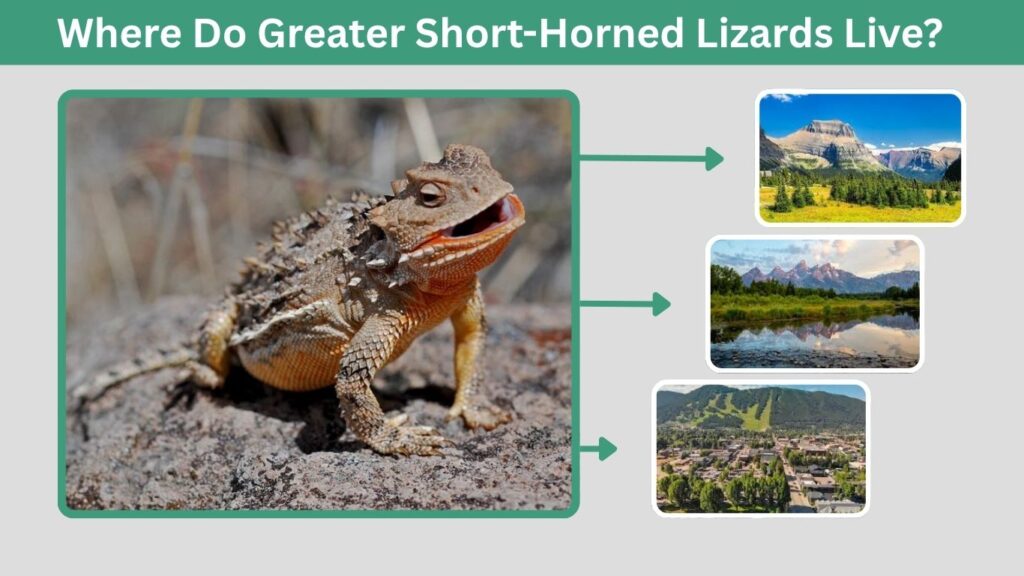
The greater short-horned lizard has one of the widest distributions of any horned lizard species. It inhabits a range of environments, from semi-arid grasslands and sagebrush plains to mountain foothills and desert regions. This adaptability allows the species to thrive in locations where many other reptiles would struggle to survive.
Geographic Range
The species occurs across much of western North America.
Common locations include:
- Alberta
- Saskatchewan
- British Columbia
- Montana
- Wyoming
- Colorado
- Utah
- Arizona
- New Mexico
- North Dakota
Grassland Habitats
Many populations occur in open grasslands where loose soil and scattered vegetation provide excellent shelter and hunting opportunities.
Mountain and Foothill Regions
Unlike many horned lizards, this species can survive at relatively high elevations. Mountain slopes and foothill environments often provide suitable habitat and cooler temperatures.
Desert and Semi-Arid Areas
Some populations inhabit dry regions where they rely on camouflage and specialized behaviors to cope with harsh environmental conditions.
Greater Short-Horned Lizard Adaptations
The greater short-horned lizard has evolved numerous adaptations that allow it to survive in environments ranging from cold Canadian grasslands to warm desert ecosystems. These adaptations help the species regulate body temperature, avoid predators, locate food, and endure seasonal weather changes throughout its extensive geographic range.
Camouflage Adaptation
One of the lizard’s most effective defenses is its camouflage. Its coloration closely matches surrounding soils, rocks, and vegetation, making it difficult for predators to detect.
When threatened, the lizard often remains completely still, relying on its appearance to blend into the environment.
Cold Tolerance
Unlike many reptiles that require consistently warm conditions, the greater short-horned lizard can tolerate cooler temperatures. This adaptation allows it to occupy habitats farther north than most other horned lizard species.
Body Shape and Protection
The flattened body and protective scales help reduce predation risks while also improving heat absorption during cooler periods of the day.
Key Survival Adaptations
Several specialized traits contribute to the species’ success.
- Excellent camouflage
- Short protective horns
- Cold-weather tolerance
- Flattened body shape
- Burrowing ability
What Do Greater Short-Horned Lizards Eat?
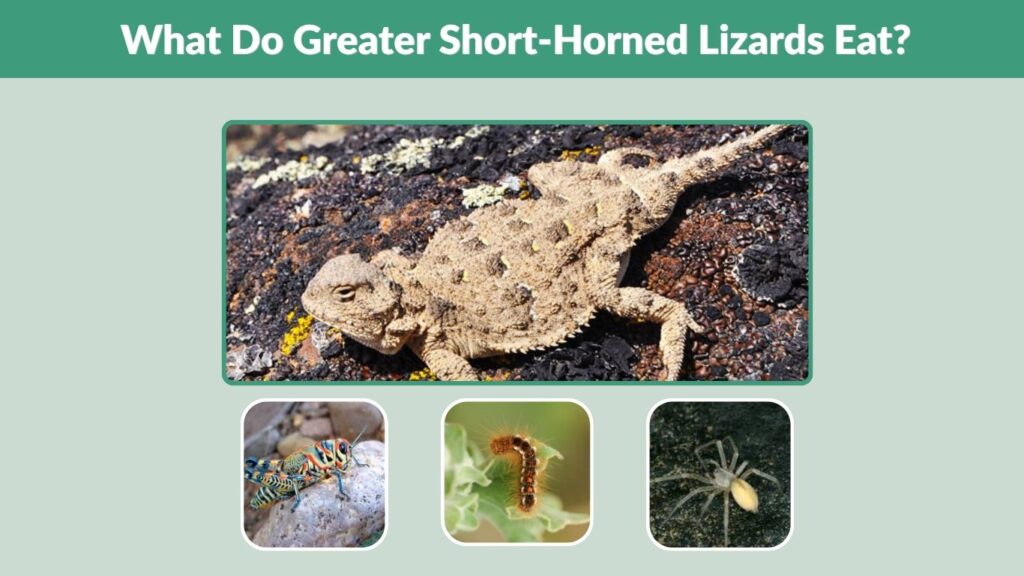
Diet plays an important role in the survival of the greater short-horned lizard. As an insectivore, it feeds primarily on small invertebrates found within its habitat. Its feeding behavior allows it to conserve energy while taking advantage of abundant prey resources throughout its range.
Primary Diet
Ants are among the most important food sources for greater short-horned lizards. In many areas, they make up a significant portion of the animal’s daily diet.
Favorite Prey Species
In addition to ants, these lizards consume various other invertebrates.
Common prey includes:
- Beetles
- Grasshoppers
- Caterpillars
- Spiders
- Small insects
Hunting Behavior
Rather than actively chasing prey, greater short-horned lizards typically use an ambush strategy. They remain motionless until an insect comes within striking distance, allowing them to conserve energy while feeding efficiently.
Reproduction and Life Cycle
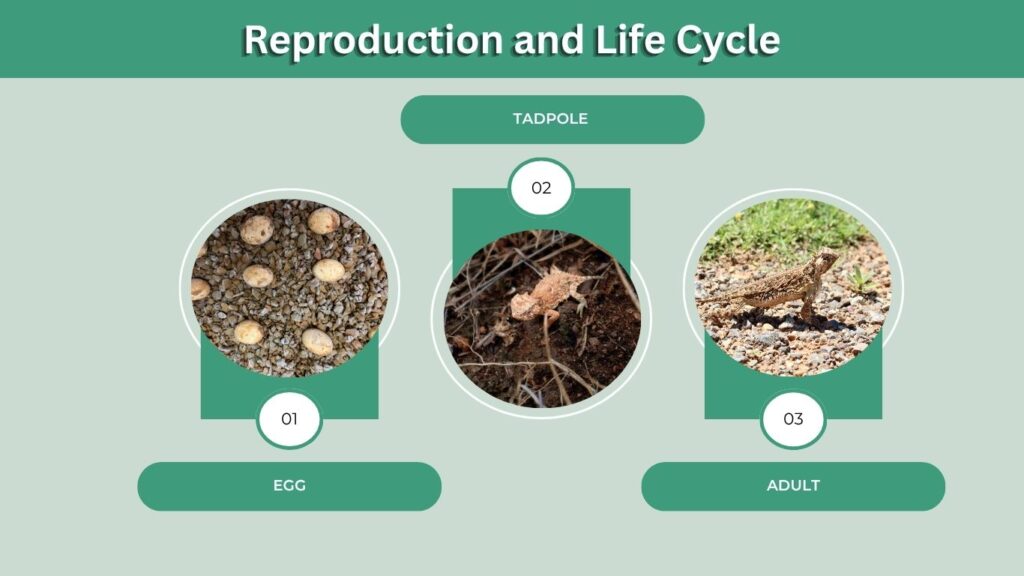
The greater short-horned lizard has a unique reproductive strategy that distinguishes it from many other horned lizard species. Instead of laying eggs, females give birth to live young. This adaptation is especially beneficial in cooler climates, where egg development outside the body would be more difficult due to lower temperatures.
Mating Season
Breeding usually takes place during spring and early summer after the lizards emerge from winter dormancy. Males actively search for females during this period.
Viviparous Reproduction
Unlike most horned lizards, the greater short-horned lizard is viviparous, meaning embryos develop inside the mother’s body. Females give birth to live offspring rather than laying eggs.
Baby Greater Short-Horned Lizards
Newborn lizards are fully formed and capable of surviving independently. They begin hunting small insects shortly after birth and receive no parental care.
Lifespan
In the wild, greater short-horned lizards typically live between 5 and 8 years. Favorable habitat conditions and reduced predation can contribute to longer lifespans.
Predators and Defense Mechanisms
Although well adapted to their environment, greater short-horned lizards face threats from a variety of predators. To survive, they rely on camouflage, defensive behaviors, and one of the most remarkable defense mechanisms found in reptiles. These strategies help them avoid detection and escape potentially dangerous encounters.
Common Predators
Several animals hunt greater short-horned lizards throughout their range.
Common predators include:
- Coyotes
- Foxes
- Hawks
- Owls
- Snakes
Camouflage Defense
The lizard’s color patterns closely resemble rocks, soil, and vegetation. By remaining motionless, it can often avoid being noticed by predators.
Body Inflation
When threatened, the lizard may inflate its body by taking in air. This makes it appear larger and more difficult for predators to swallow.
Blood-Squirting Defense
One of the species’ most famous defenses is its ability to squirt blood from the corners of its eyes. The blood can travel a considerable distance and may discourage predators, particularly canines such as coyotes and foxes.
Conservation Status and Protection
The greater short-horned lizard remains relatively widespread across much of its range. However, habitat loss, human development, and environmental changes can affect local populations. Wildlife agencies continue to monitor the species and implement conservation measures where necessary to ensure healthy populations in the future.
Are Greater Short-Horned Lizards Endangered?
The species is not considered globally endangered. However, some regional populations face challenges due to habitat degradation and other environmental pressures.
Protection in Different Regions
Protection status varies depending on location. Certain provinces and states provide legal protections that help conserve habitats and prevent population declines.
Threats to Survival
Several factors can negatively impact populations:
- Habitat destruction
- Urban development
- Road mortality
- Climate change
- Declining insect populations
Conservation Efforts
Researchers and conservation organizations continue studying the species to better understand its ecological needs and long-term population trends.
Can Greater Short-Horned Lizards Be Kept as Pets?
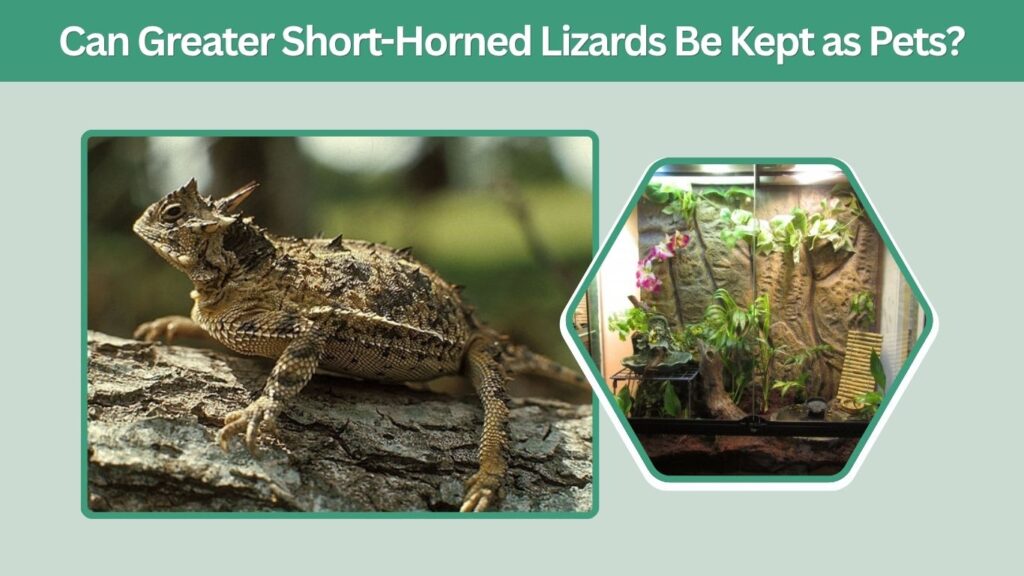
Many reptile enthusiasts are interested in keeping horned lizards because of their unusual appearance. However, the greater short-horned lizard has specialized requirements that make captive care difficult. Prospective owners should carefully research legal regulations and husbandry needs before considering ownership.
Availability in the Pet Trade
Greater short-horned lizards occasionally appear in the pet trade, but availability is limited. In some regions, collecting wild individuals may be restricted or prohibited.
Basic Care Requirements
Successful captive care requires recreating natural environmental conditions as closely as possible. Proper lighting, temperature control, and nutrition are essential.
Enclosure Essentials
A suitable enclosure should include:
- UVB lighting
- Temperature gradient
- Natural substrate
- Hiding places
- Clean water source
Challenges of Ownership
Their specialized diet and environmental needs make them less suitable for beginner reptile keepers. Long-term success often requires significant experience and commitment.
Fun Facts About Greater Short-Horned Lizards
The greater short-horned lizard possesses several unique characteristics that make it one of North America’s most interesting reptiles.
Interesting Facts
- It gives birth to live young instead of laying eggs.
- It can squirt blood from its eyes when threatened.
- It survives in colder climates than most horned lizards.
- It is found in both deserts and mountain regions.
- Its horns are extensions of the skull.
- It relies heavily on camouflage for protection.
- It can remain motionless for extended periods.
FAQs
Where do greater short-horned lizards live?
Greater short-horned lizards live throughout western North America, including parts of Canada, the United States, and northern Mexico. They inhabit grasslands, deserts, foothills, and mountain regions.
What do greater short-horned lizards eat?
Their diet mainly consists of ants, beetles, grasshoppers, spiders, caterpillars, and other small insects found within their habitat.
Do greater short-horned lizards really squirt blood?
Yes. When threatened, they can squirt blood from the corners of their eyes as a defense mechanism against predators such as coyotes and foxes.
Are greater short-horned lizards poisonous?
No. Greater short-horned lizards are neither poisonous nor venomous. They rely on camouflage, horns, and defensive behaviors for protection.
Can greater short-horned lizards be kept as pets?
Although they are sometimes available in captivity, they require specialized care and may be protected by local laws. They are generally recommended only for experienced reptile keepers.
