
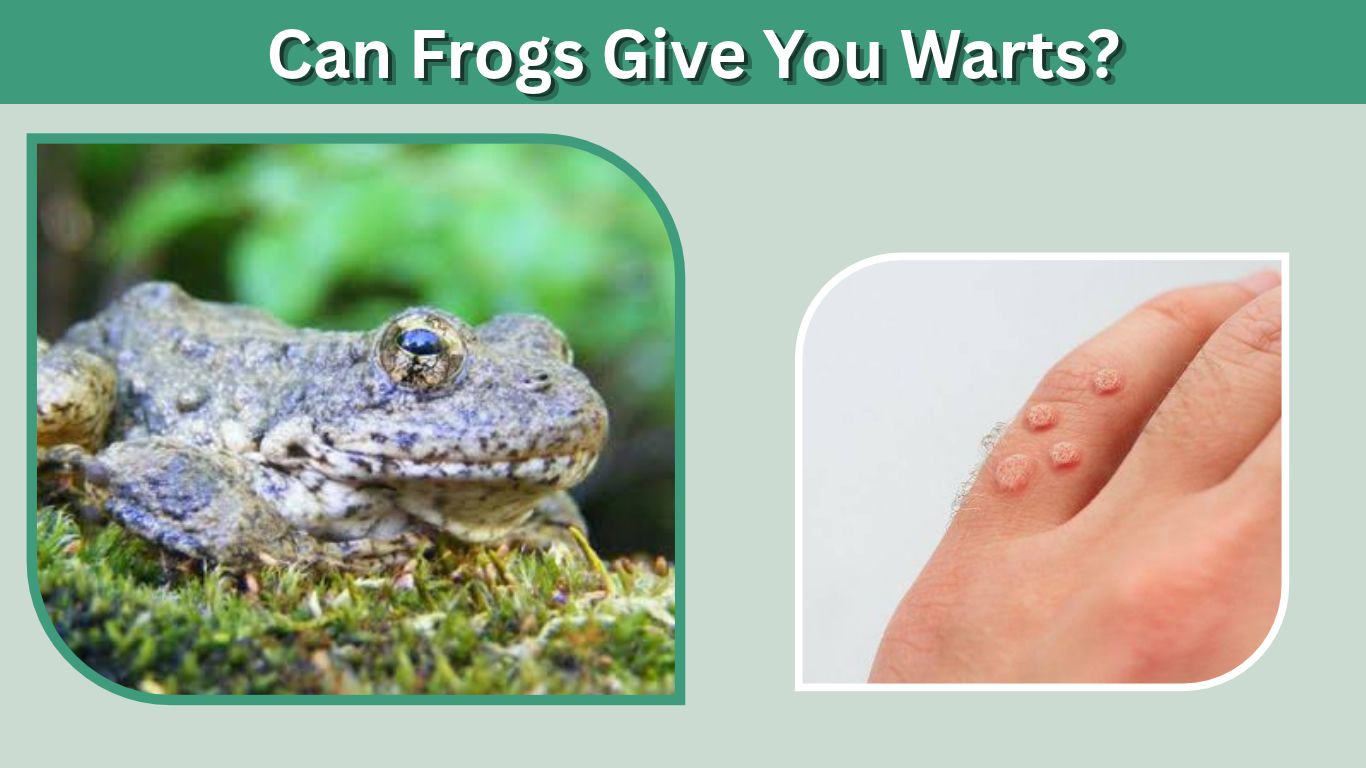
Can frogs give you warts? This common belief has existed for generations, especially because toads often have rough, bumpy skin that resembles human warts. However, touching a frog or toad does not cause warts. Human warts develop from certain types of human papillomavirus (HPV), not from amphibians. Although frogs cannot transmit the virus responsible for human warts, handling them may expose people to bacteria or irritating skin secretions. Understanding these differences can help you separate traditional myths from scientific facts and handle frogs safely.
Can You Get Warts From Frogs?
No, you cannot get warts from touching frogs or toads. Their skin does not transmit the human papillomavirus responsible for common human warts. Even frogs with numerous raised bumps cannot cause warts simply through physical contact.
The confusion comes from the appearance of toad skin, which sometimes resembles the rough texture of human warts.
What Actually Causes Human Warts?
Human warts are caused by certain types of human papillomavirus, commonly called HPV. The virus infects the outer layers of human skin and causes cells to grow abnormally, producing small raised growths.
Warts may develop on several parts of the body, including:
- Hands: Common warts frequently appear around fingers and fingernails.
- Feet: Plantar warts develop on the soles of the feet.
- Face: Flat warts can appear on facial skin.
- Legs: Small, smooth warts sometimes develop on the legs.
These growths are associated with viral infections rather than contact with frogs, toads, or their natural habitats.
How Do People Actually Get Warts?
Warts usually spread through direct contact with infected human skin or indirectly through certain contaminated surfaces.
The virus may enter through tiny cuts, scratches, or damaged skin.
Sharing personal items such as towels or nail tools can sometimes contribute to transmission.
People may also spread existing warts to other parts of their bodies through scratching, picking, or shaving over affected skin.
Why Do People Think Frogs Cause Warts?
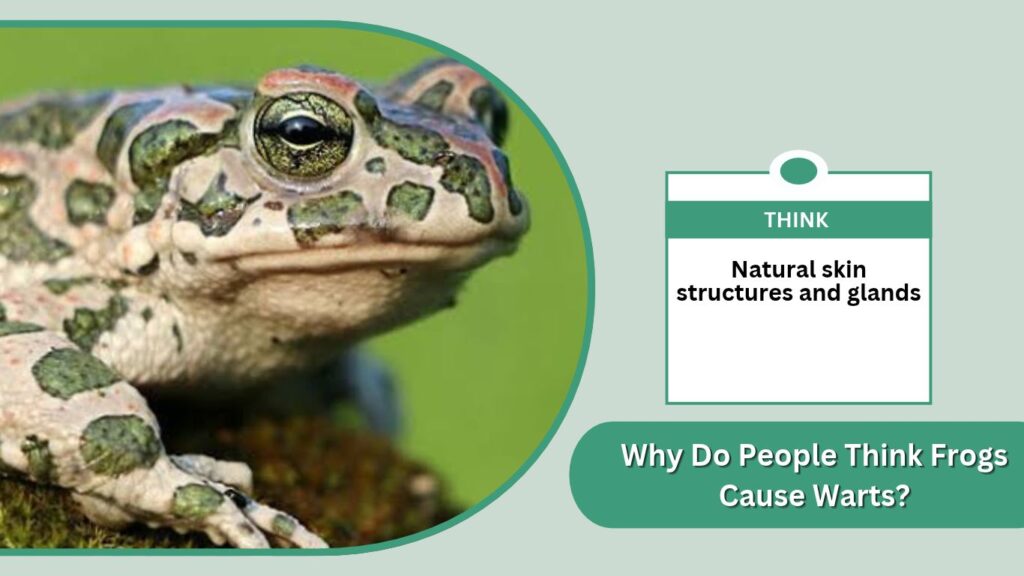
The belief that frogs and toads cause warts likely developed because many toads naturally have raised bumps across their bodies. These bumps look similar to some human skin growths, creating the mistaken impression that touching the animals could transfer them.
However, a toad’s bumpy skin is a normal anatomical characteristic, not evidence of an infection that causes human warts.
Why Do Toads Have Warts on Their Skin?
Many toads have rough skin containing numerous glands and raised structures.
Some glands produce defensive secretions that help protect the animals from predators.
The large glands located behind the eyes of many true toads are called parotoid glands.
These structures can release substances that irritate or poison predators attempting to eat the toad.
Unlike human warts, these natural bumps are not caused by human papillomavirus.
They cannot spread human warts through ordinary contact.
Frog Skin vs. Human Warts
Although frog skin bumps and human warts sometimes look similar, they have completely different origins.
| Feature | Frog or Toad Skin Bumps | Human Warts |
| Main cause | Natural skin structures and glands | Human papillomavirus |
| Appearance | Raised or rough bumps | Small skin growths |
| Function | Protection and glandular activity | No protective function |
| Contagious to humans | Do not cause human warts | Can spread through HPV infection |
| Treatment | Not normally needed | Sometimes requires medical treatment |
The important difference is that human warts result from viral infection, while the natural bumps on toads are part of their skin structure.
Can Frog Pee Give You Warts?
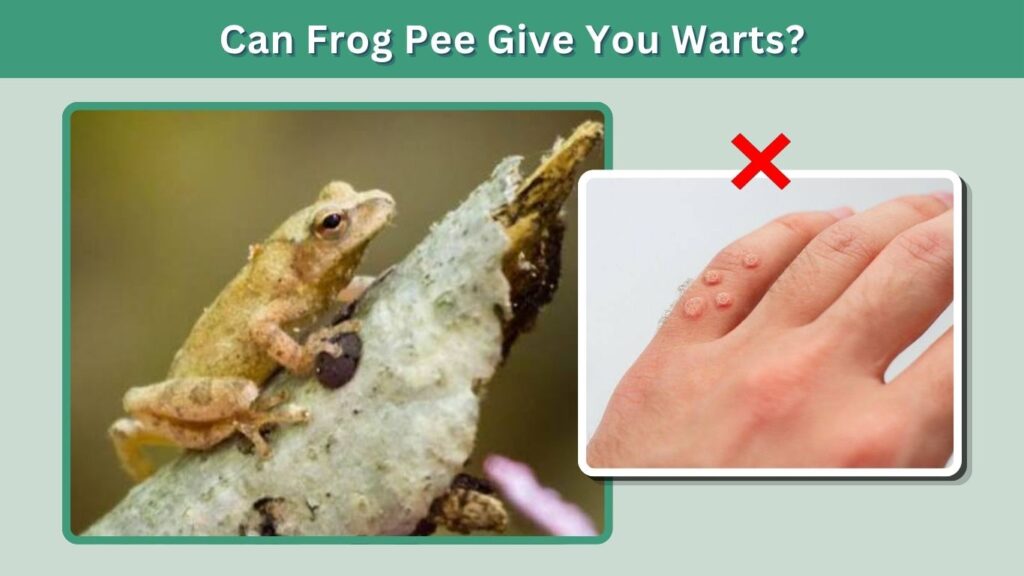
No, frog urine cannot give you warts. This is another widespread myth associated with handling amphibians.
Frogs and toads sometimes urinate when they become frightened or are picked up. This behavior may help discourage predators or cause an animal holding them to release its grip.
However, their urine does not contain the human papillomavirus responsible for ordinary human warts.
What Happens If a Frog Pees on You?
If a frog urinates on your hand, the most appropriate response is to wash the affected skin thoroughly with soap and running water.
Frog urine itself is not a source of human warts, but the animal and its surroundings may carry microorganisms.
Follow these precautions:
- Wash your hands immediately after contact.
- Avoid touching your eyes or mouth before washing.
- Clean any contaminated objects when necessary.
- Do not handle food until your hands are clean.
If irritation develops or persists, seek medical advice.
Are Frogs Dangerous to Touch?
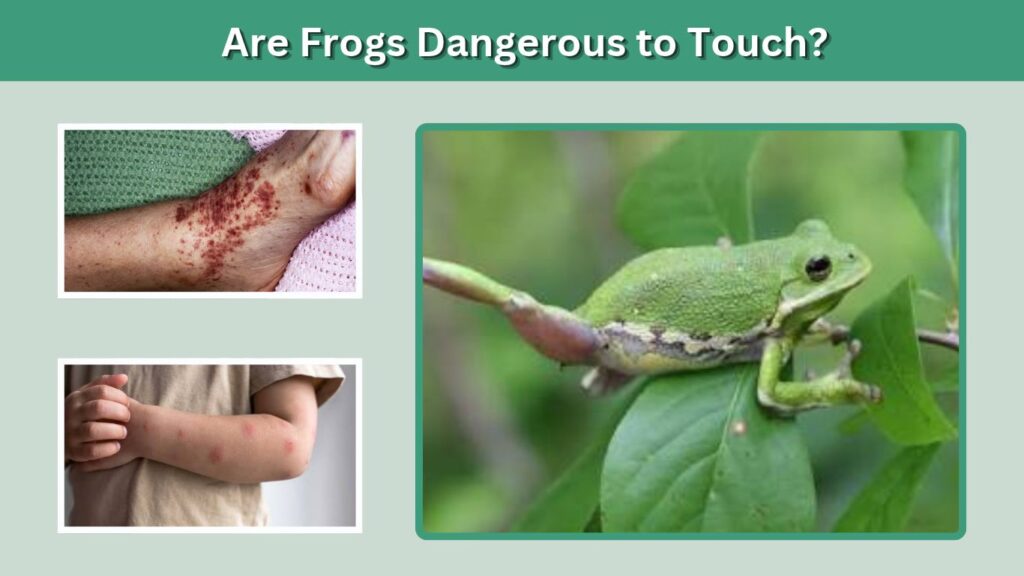
Most familiar frog species do not pose a serious danger from brief contact, but handling amphibians is not completely risk-free.
Frogs can carry harmful microorganisms even when they appear healthy. Certain species also produce defensive chemicals that may irritate human skin, eyes, or other sensitive tissues.
These potential risks are unrelated to the development of human warts.
Can Frogs Spread Salmonella?
Yes, frogs and other amphibians can carry Salmonella bacteria.
These bacteria may be present on the animal or in its environment, including aquarium water, bedding, and contaminated surfaces.
People can become infected when bacteria are accidentally swallowed, often after touching contaminated objects and then handling food or touching their mouths.
Possible symptoms of Salmonella infection include diarrhea, abdominal cramps, and fever.
Young children, older adults, and people with weakened immune systems have a greater risk of serious illness.
Can Frog Skin Secretions Irritate Humans?
Some frogs and toads release defensive substances through specialized skin glands.
The effects vary considerably between species.
Ordinary contact with many common frogs may cause no noticeable reaction, while exposure to secretions from certain species can result in irritation or more serious effects.
Cane toads and some poison dart frogs are examples of amphibians with potentially dangerous defensive toxins.
Their toxins do not cause human warts, but exposure should still be avoided.
Never rub your eyes or touch your mouth after handling an amphibian.
How to Handle Frogs and Toads Safely
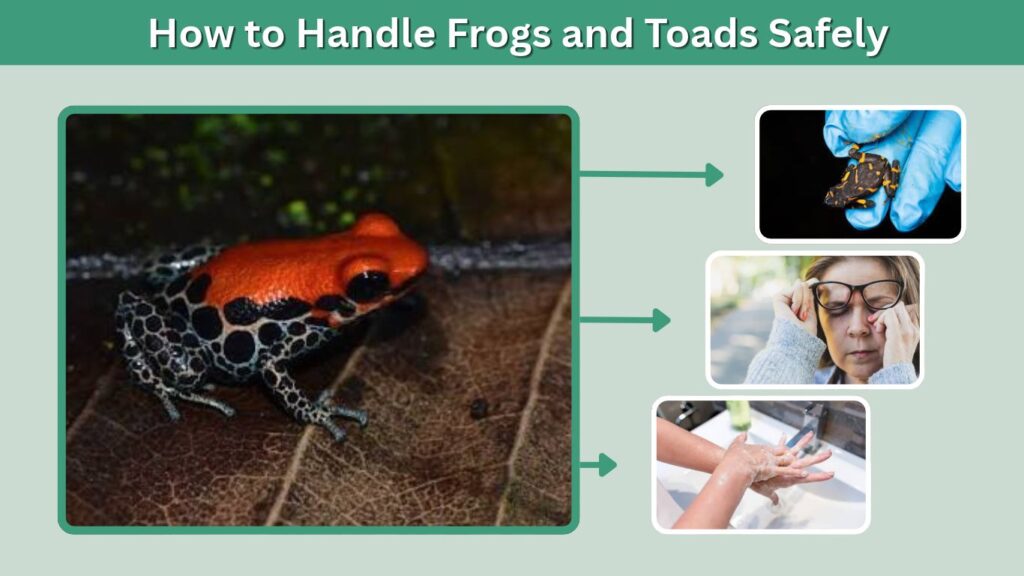
Frogs have delicate, permeable skin that can absorb substances from their surroundings. Unnecessary handling may expose them to chemicals, damage their protective mucus, or cause stress.
Observing frogs without touching them is generally the safest approach.
If handling is necessary, several precautions can protect both humans and amphibians.
Safety Tips for Handling Frogs
Follow these basic guidelines:
- Avoid unnecessary contact: Observe wild frogs from a comfortable distance whenever possible.
- Keep hands clean: If handling is unavoidable, ensure your hands are free from soap, sunscreen, insect repellent, and other chemicals.
- Handle gently: Never squeeze a frog or hold it by its legs.
- Avoid touching your face: Keep your hands away from your eyes, nose, and mouth.
- Wash afterward: Use soap and running water after touching an amphibian or its habitat.
- Supervise children: Young children should not handle frogs or toads because of the risk of exposure to harmful germs.
These precautions help reduce accidental exposure while protecting sensitive amphibians.
What Should You Do After Touching a Frog?
If you accidentally touch a frog, there is no reason to worry about developing warts.
Simply wash your hands thoroughly with soap and running water.
If frog secretions enter your eyes, rinse them promptly with clean running water. Seek urgent medical advice for significant eye pain, visual changes, or suspected exposure to a highly toxic species.
If you develop unusual skin irritation, persistent redness, or other concerning symptoms, consult a healthcare professional.
Can a Wart Appear After Touching a Frog?
A wart may appear sometime after a person has touched a frog, but the two events are not necessarily connected.
Human papillomavirus infections can take weeks or months to produce visible skin growths.
Someone who develops a wart after handling a frog may have acquired HPV through an entirely unrelated exposure.
The timing alone does not establish that the frog caused the growth.
How to Tell Whether a Skin Bump Is a Wart
Common warts often have a firm, rough surface and may contain tiny dark spots representing small blood vessels.
However, not every raised skin bump is a wart.
Other possibilities include insect bites, irritation, calluses, and different skin conditions.
Avoid assuming that an unfamiliar growth is caused by a frog or treating an uncertain lesion with wart-removal products.
A dermatologist can examine unusual, changing, painful, or persistent skin growths and recommend appropriate treatment.
FAQs
Can Toads Give You Warts?
No, toads cannot give humans warts. Their rough skin contains natural bumps and glands rather than the human papillomavirus responsible for human warts. Although touching a toad will not cause warts, washing your hands afterward remains important because amphibians can carry bacteria and defensive skin secretions.
Can You Get Warts From Kissing a Frog?
No, kissing a frog cannot cause human warts. However, kissing frogs is unsafe because amphibians can carry bacteria, including Salmonella, and some species produce irritating or toxic skin secretions. Keeping frogs away from your mouth is the safest choice for both you and the animal.
Are the Bumps on Toads Actually Warts?
The raised bumps on toads are commonly described as warts, but they are natural skin structures rather than human viral warts. Some contain defensive glands that release protective secretions. These bumps are not contagious to humans and do not develop through the same process as HPV-related skin growths.
Can Frogs Cause Skin Infections?
Frogs can carry microorganisms that may cause illness, although most brief encounters do not result in infection. Risk increases when people handle amphibians without washing their hands or expose broken skin to contaminated water. Proper hygiene and avoiding unnecessary handling help reduce potential problems.
Can You Touch a Frog With Bare Hands?
Brief contact with some common frogs may be possible, but unnecessary handling is best avoided. Human skin can carry substances harmful to amphibians, while frogs may carry bacteria or irritating secretions. If handling is essential, follow species-appropriate precautions and wash your hands thoroughly afterward.
