
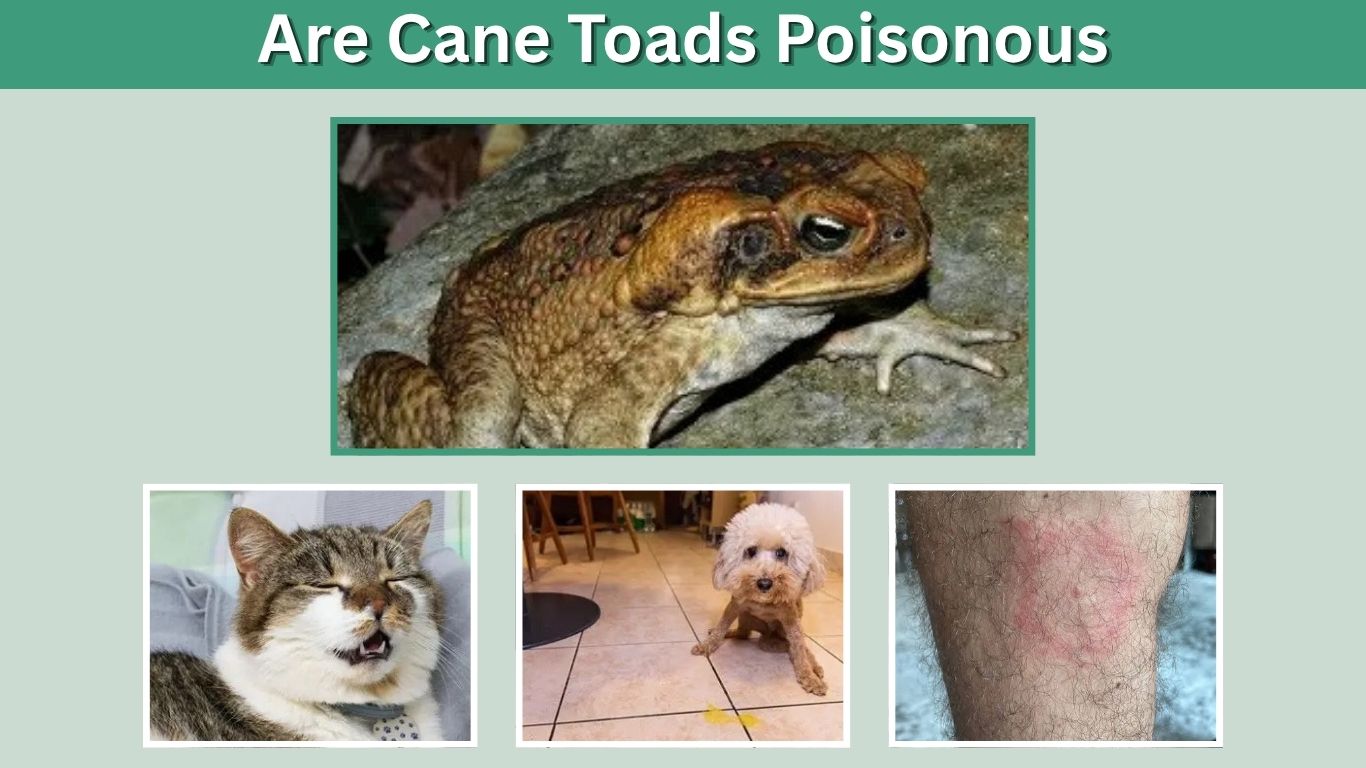
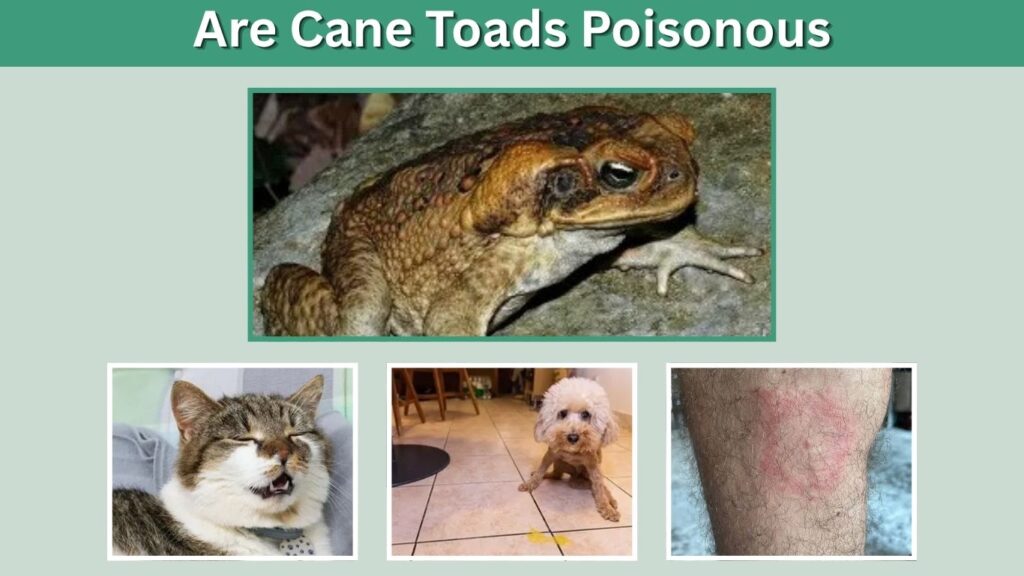
Yes, cane toads are poisonous. They release a powerful toxin from large glands behind their eyes and from their skin. This poison can harm dogs, cats, wildlife, and people if it enters the mouth, eyes, or broken skin. Cane toads are not aggressive, but touching, biting, licking, or eating them can be dangerous.
Are Cane Toads Poisonous?
Cane toads are highly poisonous amphibians. Their poison is a defense system, not a hunting tool. When threatened, they can release a thick, milky toxin that discourages predators. This toxin is the main reason cane toads are dangerous to pets and native wildlife.
Why Cane Toads Are Poisonous
Cane toads produce poison to protect themselves from predators. The toxin comes mainly from large parotoid glands behind the eyes. These glands sit on the shoulders and can release poison when the toad is stressed, bitten, squeezed, or attacked.
Their poison may be found in:
- Skin secretions
- Parotoid glands
- Body tissues
- Eggs
- Tadpoles
- Dead bodies
Queensland Poisons Information Centre notes that cane toad toxin can be poisonous to humans and is also found in body tissues, eggs, and tadpoles.
Poisonous or Venomous?
Cane toads are poisonous, not venomous. Venomous animals inject venom through fangs, stingers, or spines. Poisonous animals are harmful when touched, eaten, licked, or mouthed.
This means a cane toad does not need to bite you to be dangerous. The risk comes from contact with its toxin, especially if the toxin enters the mouth or eyes.
Do Cane Toads Spit Poison?
Cane toads do not spit poison like some venomous snakes. However, the glands can release toxin when the toad is threatened or squeezed. In some cases, the toxin may ooze or spray a short distance.
Because of this, never pick up or squeeze a cane toad with bare hands.
Are Cane Toads Poisonous to Humans?
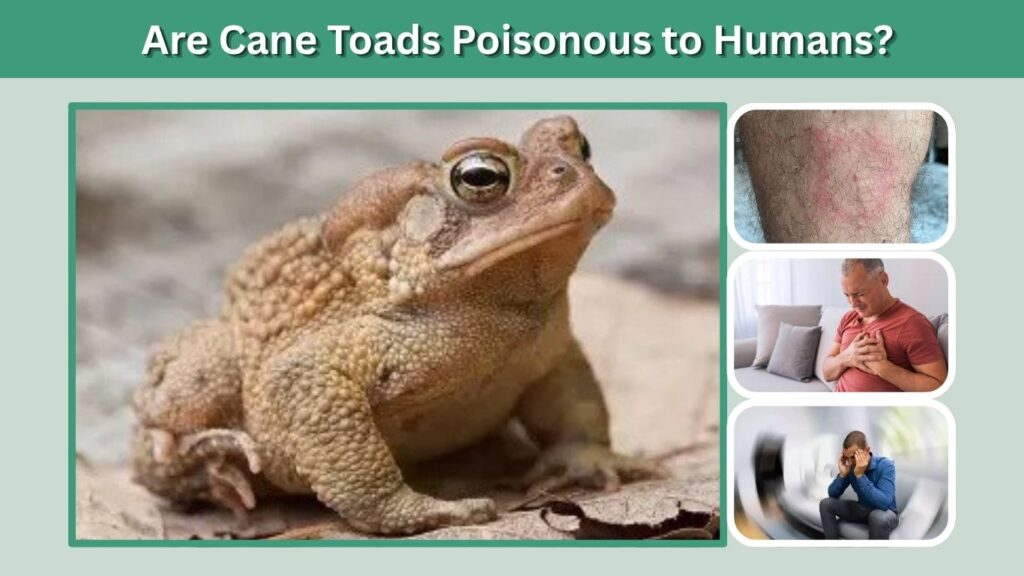
Cane toads can be poisonous to humans, especially if the toxin is swallowed or gets into the eyes, mouth, or broken skin. Casual contact with dry skin may be less serious, but handling them is still unsafe.
Human Poisoning Risk
Most serious human poisoning happens when toxin is ingested or gets into sensitive areas. Children are at higher risk because they may touch a toad and then touch their mouth or eyes.
Possible human symptoms include:
- Burning in the mouth
- Nausea
- Vomiting
- Dizziness
- Weakness
- Eye irritation
- Skin irritation
- Chest pain
- Confusion
- Irregular heartbeat in severe cases
Severe poisoning can affect the heart, so urgent medical help is needed if serious symptoms appear.
Are Cane Toads Poisonous to Touch?
Cane toads can be unsafe to touch because toxin may transfer to your hands. If you then touch your mouth, eyes, nose, or a cut, irritation or poisoning can occur.
If you accidentally touch a cane toad:
- Wash hands with soap and water.
- Do not touch your face.
- Rinse exposed skin.
- Keep children away from the toad.
- Get medical advice if symptoms appear.
Can Cane Toad Poison Kill Humans?
Human deaths are rare, but cane toad toxin can be dangerous if swallowed or heavily absorbed. It can affect the heart and nervous system in severe cases. Anyone with vomiting, dizziness, chest pain, or abnormal heartbeat after exposure should seek emergency medical help.
Are Cane Toads Poisonous to Dogs?
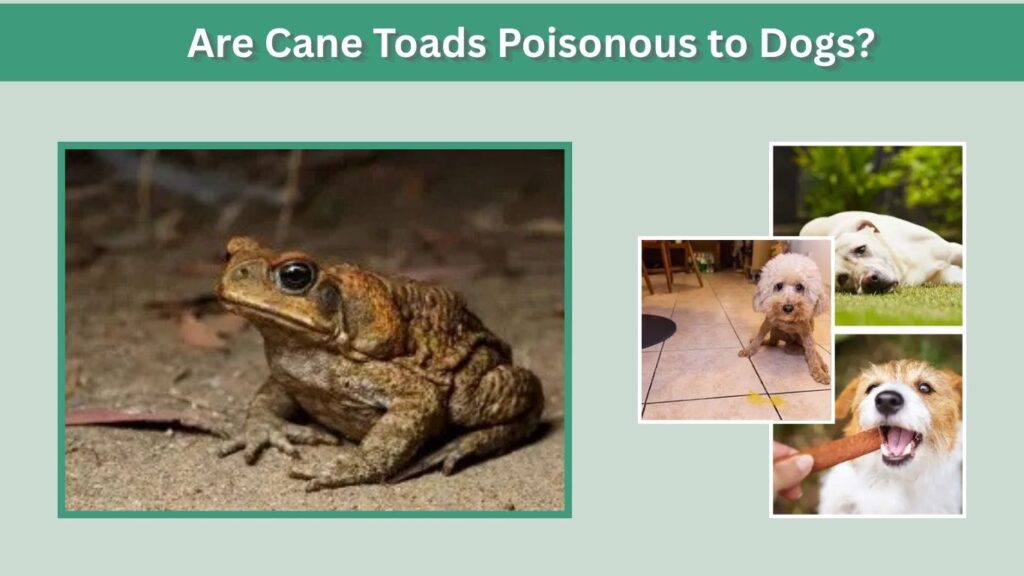
Yes, cane toads are very poisonous to dogs. Dogs often bite, lick, or mouth toads, which exposes the gums and tongue to toxin. This can become a fast emergency.
Why Dogs Are at High Risk
Dogs are curious and may chase moving animals at night. A cane toad may look like a toy or prey. When the dog grabs it, the toad releases poison directly into the dog’s mouth.
The Florida Fish and Wildlife Conservation Commission describes cane toads as poisonous to most animals that try to bite or consume them.
Symptoms of Cane Toad Poisoning in Dogs
Dog symptoms can appear quickly, sometimes within minutes. The severity depends on the dog’s size, amount of toxin, and how fast treatment begins.
Common symptoms include:
- Heavy drooling
- Foaming at the mouth
- Pawing at the mouth
- Red gums
- Vomiting
- Whining or distress
- Head shaking
- Weakness
- Loss of coordination
- Tremors
- Seizures
- Irregular heartbeat
- Collapse
University of Florida IFAS notes cane toads are a serious pet hazard and their toxin can have severe, potentially lethal effects on dogs and cats.
What to Do If a Dog Licks a Cane Toad
Treat cane toad exposure as urgent. Move the dog away from the toad and call a veterinarian or emergency animal hospital immediately.
Quick first-aid steps:
- Keep the dog calm.
- Wipe the mouth and gums with a damp cloth.
- Rinse carefully so water flows out, not down the throat.
- Do not let the dog swallow contaminated water.
- Do not wait for symptoms to get worse.
- Go to a vet immediately if symptoms appear.
This article is for information only and does not replace veterinary care.
Are Cane Toads Poisonous to Cats?
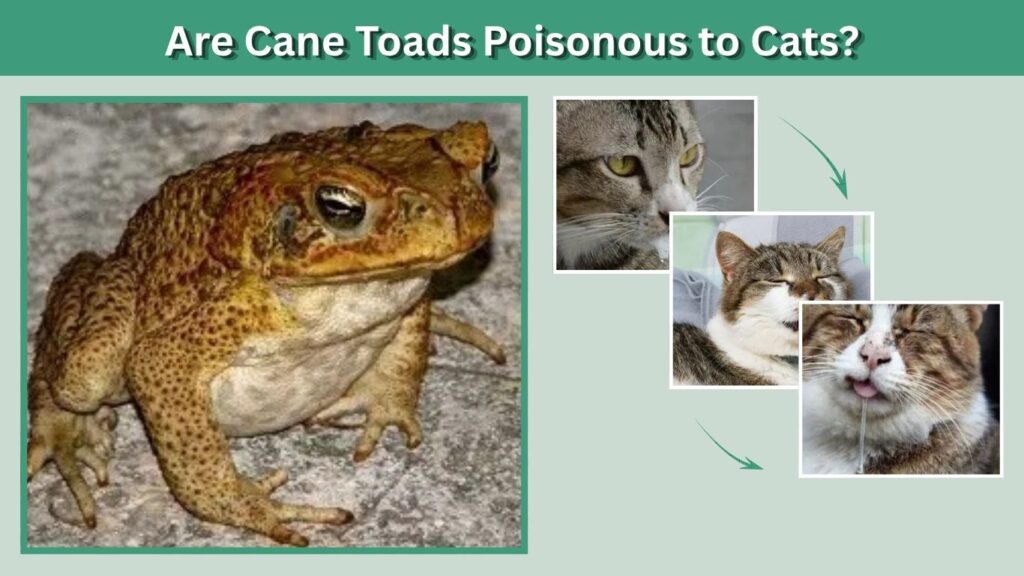
Yes, cane toads are poisonous to cats. Cats are usually more cautious than dogs, but they can still be poisoned if they bite, lick, paw, or play with a cane toad.
Cat Poisoning Symptoms
Cats may show symptoms similar to dogs, though exposure may happen less often.
Possible symptoms include:
- Drooling
- Foaming
- Pawing at the mouth
- Vomiting
- Weakness
- Shaking
- Disorientation
- Trouble walking
- Seizures
- Collapse
A suspected cane toad exposure in a cat should be treated as a veterinary emergency.
How Cats Get Exposed
Cats may find cane toads on patios, gardens, pool areas, or near lights at night. Young cats may be more likely to play with them.
To reduce risk, keep cats indoors at night, especially after rain and during warm months when cane toads are active.
Are Cane Toads Poisonous to Kittens?
Yes, baby cats and kittens are also at risk. Because kittens are smaller, even a small amount of toxin may be dangerous. Keep kittens away from outdoor areas where cane toads are common.
Are Baby Cane Toads Poisonous?
Yes, baby cane toads can be poisonous. Their toxin may be less than a large adult’s, but they can still be dangerous to pets and wildlife. Small size does not make them safe.
Small Cane Toads
Small cane toads may be easy for pets to pick up. Dogs and cats may mouth them quickly before owners notice. This still creates a poisoning risk.
Small cane toads may appear in large numbers after breeding events, especially near water.
Cane Toad Eggs
Cane toad eggs are poisonous. They are usually laid in long strings in water. Fish, birds, reptiles, and other animals may be harmed if they eat them.
Cane Toad Tadpoles
Cane toad tadpoles are also toxic. This helps protect them from predators and contributes to their invasive success in places where native animals are not adapted to them.
Are Dead Cane Toads Still Poisonous?
Yes, dead cane toads can still be poisonous. Their toxin may remain in the glands and tissues after death. Dogs can become poisoned by chewing or eating a dead cane toad.
Why Dead Toads Are Dangerous
A dead cane toad may still contain toxins in the parotoid glands, skin, and body tissues. Pets may sniff, lick, chew, or eat the dead body, especially if it is in a yard.
Remove dead cane toads safely using gloves, a shovel, or a sealed bag. Wash hands afterward.
Are Dead Cane Toads Poisonous to Dogs?
Yes, dead cane toads are poisonous to dogs. A dog can still get toxin in its mouth by chewing the body. If your dog contacts a dead cane toad and shows symptoms, contact a vet immediately.
How Long Does Cane Toad Poison Last?
There is no simple exact time for how long a dead cane toad remains poisonous. It is safest to treat any fresh or decomposing cane toad as dangerous until fully removed and disposed of safely.
How Does Cane Toad Poison Work?
Cane toad poison contains chemicals that can affect the heart, nervous system, and digestive system. The toxin is fast-acting in pets because it is absorbed through the mouth and gums.
What Is in Cane Toad Poison?
Cane toad toxin contains compounds known as bufotoxins. These chemicals can irritate tissues and interfere with normal heart rhythm. Severe poisoning can become life-threatening.
What Does Cane Toad Poison Look Like?
Cane toad poison often looks like a thick white, cream, or yellowish secretion. It may ooze from the glands behind the eyes when the toad is stressed or handled.
Do not touch or taste it. Keep pets and children away.
How Long Does Poisoning Take?
In dogs and cats, symptoms can begin within minutes. Human symptoms depend on the type of exposure. Eye or skin irritation may appear quickly, while swallowed toxin may cause more serious internal effects.
Cane Toad Poison Safety Guide
The safest approach is prevention. Cane toads are often active at night, during warm weather, and after rain. Yards with lights, insects, water, and pet food may attract them.
How to Tell If a Toad May Be Poisonous
In areas where cane toads live, large warty toads should be treated with caution. Cane toads often have large glands behind the eyes and a heavy body.
Warning features include:
- Large body size
- Dry warty skin
- Large shoulder glands
- Broad head
- Short legs
- No strong jumping ability
- Active at night
- Seen near water, lights, or pet food
Do not rely only on color because cane toads can vary from tan to brown, gray, or reddish-brown.
Yard Prevention Tips
You can reduce cane toad encounters by making your yard less attractive.
Helpful steps include:
- Bring pet food indoors.
- Remove standing water.
- Turn off unnecessary outdoor lights.
- Keep grass short.
- Block gaps under fences.
- Seal spaces under sheds.
- Check the yard before letting dogs out.
- Supervise pets at night.
- Use a flashlight after rain.
- Remove debris piles.
What Not to Do
Some actions can increase risk to people and pets.
Avoid:
- Picking up cane toads bare-handed
- Letting children play with toads
- Allowing dogs to chase them
- Squeezing the glands
- Touching your face after contact
- Eating or smoking cane toad secretions
- Leaving dead toads in the yard
- Waiting too long after pet exposure
Cane Toad Poison Risk Chart
This chart shows the most common exposure risks and what level of concern they usually create.
| Exposure Type | Risk Level | Main Concern |
| Dog bites cane toad | Very high | Fast poisoning, seizures, heart issues |
| Cat bites cane toad | High | Drooling, weakness, emergency symptoms |
| Human touches toad | Low to moderate | Skin or eye transfer risk |
| Toxin in human eye | Moderate to high | Burning, irritation, medical advice needed |
| Toxin swallowed | High | Heart and nervous system effects |
| Dead cane toad eaten | High | Toxin may remain active |
| Eggs or tadpoles eaten | High for wildlife/pets | Toxic life stages |
FAQs
Are cane toads poisonous?
Yes, cane toads are poisonous. They release toxin from large glands behind their eyes and from their skin. The poison can harm dogs, cats, wildlife, and people if it enters the mouth, eyes, or broken skin.
Are cane toads poisonous to humans?
Yes, cane toads can be poisonous to humans, especially if toxin is swallowed or gets into the eyes or mouth. Touching one may cause irritation if toxin transfers to sensitive areas. Serious symptoms need urgent medical advice.
Are cane toads poisonous to dogs?
Yes, cane toads are highly poisonous to dogs. Dogs can become sick after licking, biting, or chewing a cane toad. Symptoms may include drooling, foaming, red gums, vomiting, tremors, seizures, irregular heartbeat, or collapse.
Are cane toads still poisonous when dead?
Yes, dead cane toads can still be poisonous. Their toxic glands and body tissues may remain dangerous after death. Dogs and other animals can be poisoned by chewing or eating a dead cane toad.
Are cane toads poisonous or venomous?
Cane toads are poisonous, not venomous. They do not inject venom through a bite or sting. Instead, their toxin is dangerous when it is touched, swallowed, licked, or absorbed through sensitive areas like the mouth or eyes.
