
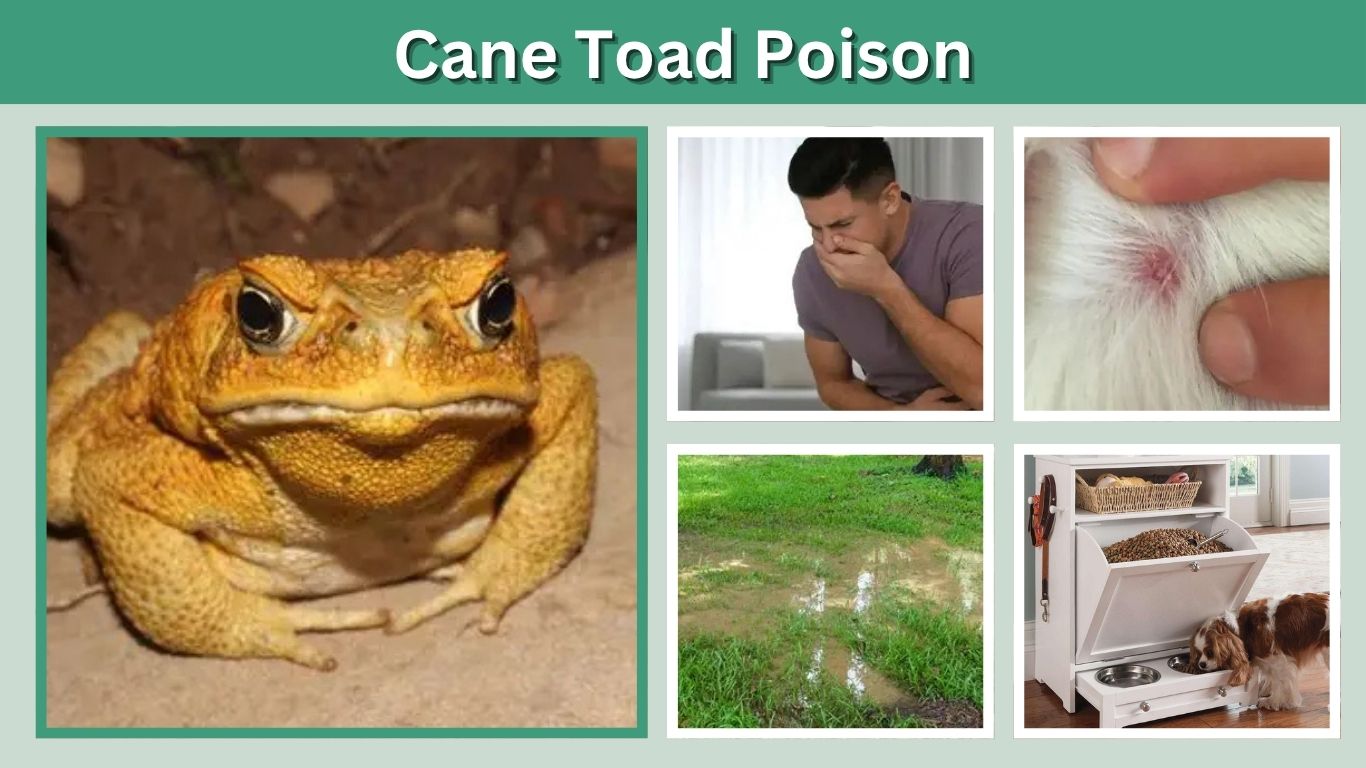
Cane toad poison is a toxic secretion released from glands behind the toad’s eyes and across its skin. It can harm dogs, cats, wildlife, and humans if it enters the mouth, eyes, or bloodstream. Cane toads are not aggressive, but their poison can act quickly, especially when pets bite, lick, or chew them.
What Is Cane Toad Poison?
Cane toad poison is a defensive toxin produced by the cane toad, also known as the giant bufo or marine toad. The poison helps protect the toad from predators. It is not used for hunting, but it can be dangerous when another animal touches, bites, or eats the toad.
Where the Poison Comes From
Cane toads have large poison glands behind their eyes. These are called parotoid glands. When the toad feels threatened, the glands can release a thick white or yellowish toxin.
The poison may also be present in:
- Skin secretions
- Parotoid glands
- Body tissues
- Eggs
- Tadpoles
- Dead cane toads
Are Cane Toads Poisonous or Venomous?
Cane toads are poisonous, not venomous. A venomous animal injects venom through a bite or sting. A poisonous animal becomes harmful when it is touched, eaten, or mouthed.
Cane toads do not chase people or inject poison. The main danger happens when a dog, cat, person, or predator gets the toxin in the mouth, eyes, or broken skin.
Can Cane Toads Spit or Squirt Poison?
Cane toads do not spit poison like a cobra. However, pressure on the glands can cause toxin to ooze or sometimes spray a short distance. This is why people should not squeeze, handle, or disturb a cane toad with bare hands.
Are Cane Toads Poisonous to Humans?
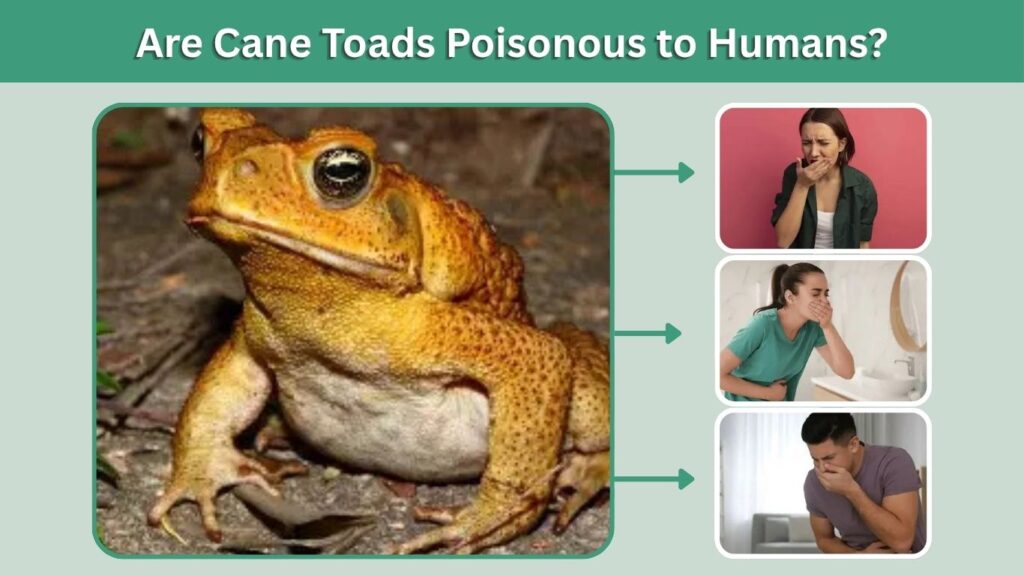
Yes, cane toads can be poisonous to humans, especially if the toxin is swallowed or gets into the eyes or mouth. Casual skin contact is usually less dangerous, but it can still cause irritation. Children should never handle cane toads.
Cane Toad Poison Effects on Humans
Human poisoning is most serious when toxin is ingested. This may happen from touching the toxin and then touching the mouth, eating contaminated food, or intentional misuse.
Possible effects include:
- Burning mouth
- Nausea
- Vomiting
- Dizziness
- Weakness
- Confusion
- Chest pain
- Irregular heartbeat
- Eye irritation
- Skin irritation
Severe exposure may affect the heart and nervous system. Anyone with serious symptoms after cane toad exposure should seek urgent medical help.
Is Cane Toad Poison Dangerous to Touch?
Touching a cane toad is not the same as eating the toxin, but it is still unsafe. The toxin can irritate the skin and may become dangerous if transferred to the eyes, nose, mouth, or an open cut.
After accidental contact:
- Wash hands with soap and water.
- Do not touch your face.
- Rinse exposed skin well.
- Keep children away from the toad.
- Get medical advice if symptoms appear.
Cane Toad Poison in the Eye
Cane toad poison in the eye can cause pain, burning, redness, and irritation. Rinse the eye with clean running water and seek medical advice. Do not rub the eye because rubbing can make irritation worse.
Cane Toad Poison and Dogs
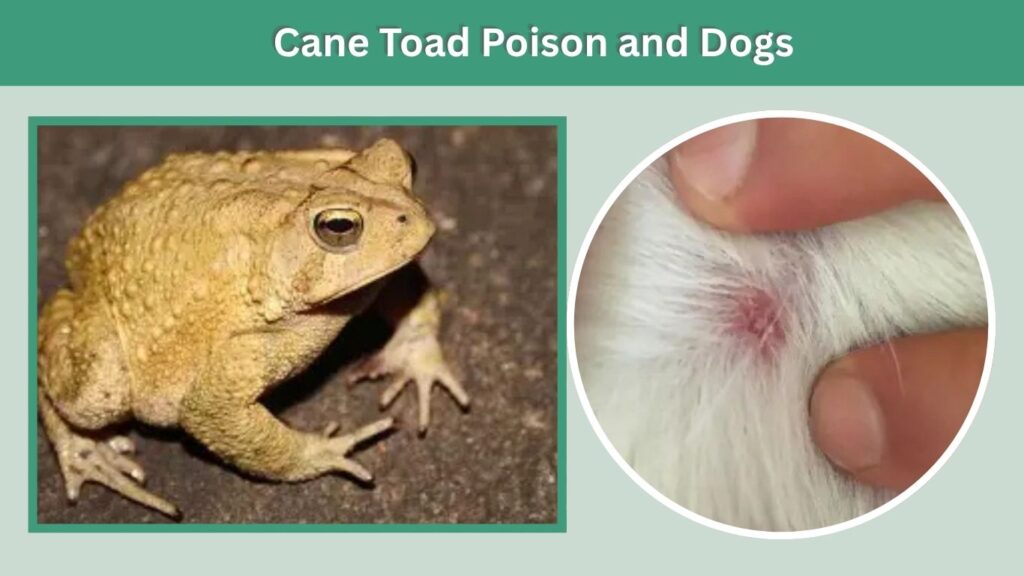
Dogs are at high risk because they often chase, bite, lick, or mouth cane toads. Poisoning can happen very quickly. In areas like Florida, Hawaii, and Australia, cane toad poisoning is a serious pet emergency.
Are Cane Toads Poisonous to Dogs?
Yes, cane toads are highly poisonous to dogs. A dog does not need to swallow the entire toad to become sick. Licking, biting, or holding the toad in the mouth can expose the dog to enough toxin to cause symptoms.
Small dogs are especially vulnerable because a smaller amount of toxin can affect them more strongly.
Cane Toad Poison Symptoms in Dogs
Symptoms may appear within minutes. Fast action is important because severe poisoning can affect the heart and nervous system.
Common symptoms include:
- Excessive drooling
- Foaming at the mouth
- Pawing at the mouth
- Red or irritated gums
- Vomiting
- Head shaking
- Whining or distress
- Weakness
- Loss of coordination
- Tremors
- Seizures
- Rapid or irregular heartbeat
- Collapse
What to Do If a Dog Bites a Cane Toad
Cane toad exposure should be treated as urgent. Contact a veterinarian or emergency animal clinic right away.
Immediate safety steps:
- Move the dog away from the toad.
- Do not let the dog bite it again.
- Wipe the gums and mouth with a damp cloth.
- Rinse the mouth carefully, letting water flow out, not down the throat.
- Keep the dog calm.
- Call a vet immediately.
Do not force the dog to drink large amounts of water. Do not delay veterinary care if symptoms are present.
Cane Toad Poison and Cats
Cats can also be poisoned by cane toads, though dogs are more commonly affected. A cat may become exposed by pawing, biting, licking, or playing with a toad.
Are Cane Toads Poisonous to Cats?
Yes, cane toads are poisonous to cats. Cats may be more cautious than dogs, but exposure can still happen. Outdoor cats in cane toad areas are at higher risk, especially at night or after rain.
Cane Toad Poisoning Symptoms in Cats
Symptoms in cats may include:
- Drooling
- Foaming
- Pawing at the mouth
- Vomiting
- Weakness
- Shaking
- Disorientation
- Trouble walking
- Seizures
- Collapse
Any suspected cane toad poisoning in a cat should be treated as a veterinary emergency.
Protecting Cats from Cane Toads
The best protection is prevention. Keep cats indoors at night, especially in regions where cane toads are common. Remove outdoor food bowls, reduce insects around lights, and check patios or yards after rain.
How Does Cane Toad Poison Work?
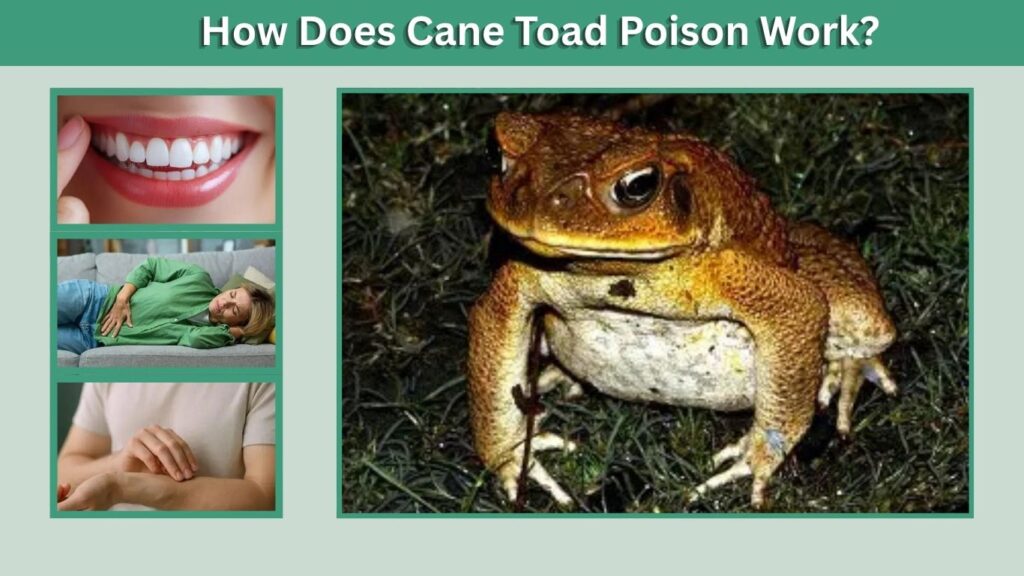
Cane toad toxin contains powerful chemicals that can affect the heart, nerves, and digestive system. The toxin is designed to stop predators from eating the toad. In pets, it can cause life-threatening symptoms very quickly.
Main Effects on the Body
Cane toad poison can irritate tissues and disrupt normal body function. The heart is one of the biggest concerns in severe cases.
The toxin may affect:
- Mouth and gums
- Stomach
- Nervous system
- Heart rhythm
- Muscle control
- Breathing in severe cases
How Fast Does Cane Toad Poisoning Take?
In dogs and cats, symptoms can appear within minutes. The exact timing depends on how much toxin entered the mouth, the animal’s size, and how quickly the mouth is cleaned and veterinary care begins.
Human symptoms may also appear quickly if toxin is swallowed or gets into sensitive areas.
Is There an Antidote for Cane Toad Poison?
There is no simple home antidote for cane toad poison. Treatment is usually supportive and depends on symptoms. Pets may need emergency veterinary care for seizures, heart rhythm problems, dehydration, or severe poisoning.
Are Dead Cane Toads Still Poisonous?
Yes, dead cane toads can still be poisonous. The toxin may remain in the glands and tissues after death. Dogs and wildlife can still be poisoned by chewing or eating a dead cane toad.
Why Dead Toads Are Still Risky
A dead cane toad may seem harmless, but the toxic glands do not become safe immediately. Pets may sniff, lick, roll on, or chew dead toads in the yard.
Remove dead cane toads safely using gloves, a shovel, or a sealed bag. Wash hands afterward.
Are Cane Toad Eggs Poisonous?
Yes, cane toad eggs can be toxic. Eggs are laid in long strings in water. They can be dangerous to animals that eat them, including fish, birds, reptiles, and pets.
Are Cane Toad Tadpoles Poisonous?
Yes, cane toad tadpoles can also contain toxins. They may harm predators that eat them. This is one reason cane toads are so damaging in places where native wildlife has not adapted to their poison.
Cane Toad Poison in Florida, Australia, and Hawaii
Cane toads are a major concern in warm regions where they have become established. Their poison creates risks for pets, native predators, and local ecosystems.
Cane Toad Poison in Florida
In Florida, cane toads are nonnative and invasive. They are especially dangerous to dogs. They are often found near homes, ponds, canals, yards, and pet feeding areas.
Florida homeowners should be careful after rain and at night, when cane toads are more active.
Cane Toad Poison in Australia
In Australia, cane toads are one of the most famous invasive species. They poison native predators that try to eat them, including snakes, lizards, birds, and mammals. Their spread has caused serious ecological concern.
Cane Toad Poison in Hawaii
Cane toads are also present in Hawaii. As in other regions, their poison is a risk to pets and wildlife. Residents should avoid handling them and prevent pets from interacting with them.
How to Prevent Cane Toad Poisoning
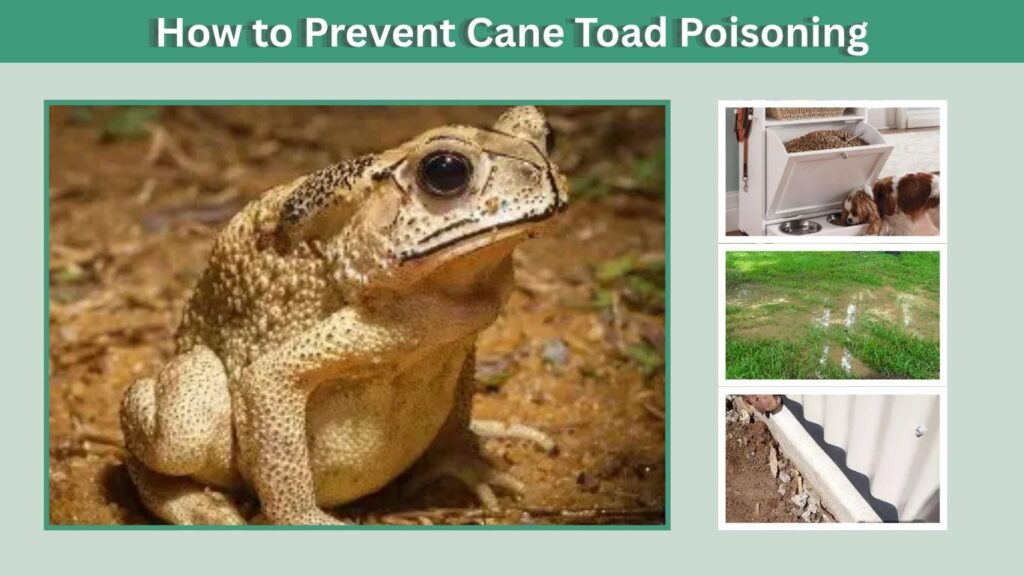
Prevention is the best protection. Cane toads are most active at night, during warm weather, and after rain. Homes with outdoor pet food, lights, water, or insects may attract them.
Yard Safety Tips
Reduce cane toad encounters by making your yard less attractive.
Helpful steps include:
- Bring pet food indoors.
- Remove standing water.
- Turn off unnecessary outdoor lights.
- Keep grass trimmed.
- Block gaps under fences.
- Seal spaces under sheds.
- Check the yard before letting pets out.
- Supervise dogs at night.
- Remove piles of debris.
- Keep outdoor bowls clean.
Pet Safety Tips
Dogs and cats should not be allowed to chase or mouth toads. Training and supervision are important in cane toad areas.
Pet protection tips:
- Use a leash at night.
- Carry a flashlight.
- Keep dogs away from ponds.
- Do not leave pets outside unsupervised.
- Teach “leave it” commands.
- Know the nearest emergency vet.
- Act quickly after exposure.
Safe Handling Advice
Do not handle cane toads with bare hands. If you must move one, use gloves and follow local wildlife rules. In some places, cane toads are invasive and should not be relocated.
Never encourage children to touch or play with cane toads.
Cane Toad Poison vs Poison Dart Frog
Cane toads and poison dart frogs are both toxic amphibians, but they are very different animals. Cane toads are large invasive toads in many regions, while poison dart frogs are usually small tropical frogs.
Main Differences
Cane toads produce toxins from large glands behind the eyes. Poison dart frogs carry skin toxins that come partly from their wild diet. Many captive poison dart frogs are less toxic because their diet changes.
Key differences:
- Cane toads are large and warty.
- Poison dart frogs are usually small and colorful.
- Cane toads are dangerous to pets that bite them.
- Poison dart frogs are known for bright warning colors.
- Cane toads are invasive in Florida and Australia.
- Poison dart frogs are native to Central and South American rainforests.
Which Is More Dangerous?
Danger depends on species and exposure. Cane toads are especially dangerous to pets because dogs often bite them. Poison dart frogs can be extremely toxic in the wild, but they are not usually encountered in backyards.
FAQs
Are cane toads poisonous?
Yes, cane toads are poisonous. They produce toxins from large glands behind their eyes and from their skin. The poison can harm dogs, cats, wildlife, and humans if it gets into the mouth, eyes, or bloodstream.
Are cane toads poisonous to humans?
Yes, cane toads can be poisonous to humans, especially if the toxin is swallowed or enters the eyes or mouth. Touching one may cause irritation, but serious poisoning is more likely from ingestion or heavy exposure. Seek medical help if symptoms appear.
Are cane toads poisonous to dogs?
Yes, cane toads are highly poisonous to dogs. A dog can become sick after licking, biting, or chewing a cane toad. Symptoms may include drooling, foaming, vomiting, red gums, tremors, seizures, irregular heartbeat, or collapse.
Are dead cane toads still poisonous?
Yes, dead cane toads can still be poisonous. Their toxic glands and body tissues may remain dangerous after death. Dogs and wildlife can be poisoned by chewing or eating dead cane toads, so carcasses should be removed safely.
Do cane toads spit poison?
Cane toads do not spit poison like some animals spit venom. However, their poison glands can release or sometimes spray toxin when squeezed or threatened. This is why you should never handle, squeeze, or disturb a cane toad with bare hands.
